
-
Medical Student Programs -
Pediatric Residency -
Child Neurology Residency -
Medical Genetics Residency -
Fellowships -
Adolescent Medicine -
Developmental Behavioral Pediatrics -
Medical Biochemical Genetics -
Neonatal-Perinatal -
Pediatric Cardiology -
Pediatric Critical Care Medicine -
Pediatric Endocrinology -
Pediatric Gastroenterology -
Pediatric Hematology & Oncology -
Pediatric Hospital Medicine -
Pediatric Infectious Diseases -
Pediatric Nephrology -
Pediatric Pulmonary -
Pediatric Rheumatology -
Pediatric Psychology
-
-
Advanced Training Programs -
Facilities & Spaces
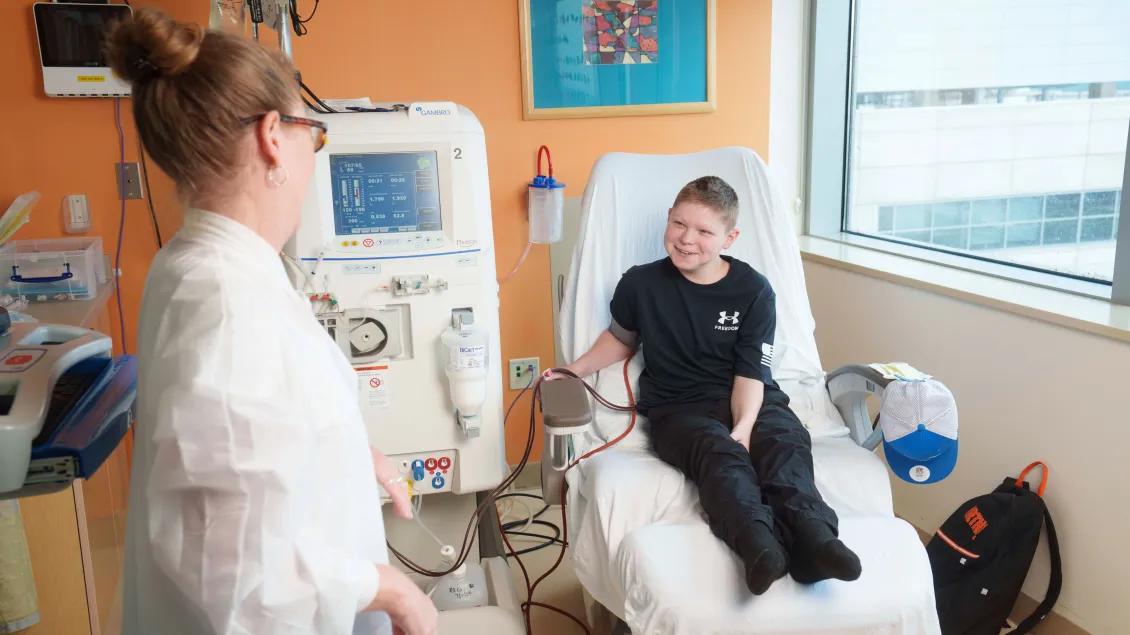
Pediatric Psychology Graduate Student Advanced Practicum
The U-M Medical School Department of Pediatrics Pediatric Psychology Graduate Student Advanced Practicum offers clinical training in the practice of pediatric psychology, including assessment, consultation, and intervention skills addressing a wide range of developmental, behavioral and emotional issues in patients with medical or developmental disorders.
Goals of the Program
The goal of the pediatric psychology practicum is to prepare graduate students for advanced training and practice within a pediatric medical setting.
The Pediatric Psychology practicum will require 16-20 hours per week for one full academic year. The practicum placement will typically be completed in two full days per week, although some students may prefer one full day and two half-days.
Specific schedule details will depend on clinic and supervisor availability in conjunction with student availability and interests. Examples of placements include Solid Organ Transplant, Integrated Pediatric Primary Care, Multidisciplinary Rheumatology Clinic, Sleep Clinic, Encopresis Clinic, Consultation/Liaison Clinic, Hematology/Oncology Clinic, Diabetes Clinic, and MiPain Clinic.
How to Apply
Graduate students must be at least second-year students in an APA-accredited clinical or school psychology doctoral program to be eligible for the practicum. They should have completed at least a one-year/500-hour placement as a graduate student before applying to this site; additional clinical and/or clinical-research experiences are desirable. Eligible students should have their Temporary Limited License in Psychology (TLLP) prior to the start of the practicum.
The successful practicum student will have solid oral and written communication skills, strong professional and interpersonal skills, and ability to function as a member of a multidisciplinary medical team.
Applicants must complete the following and submit electronically to Drs. Birnbaum and Turnier:
- A cover letter describing clinical interests and training objectives
- A curriculum vitae
- Two letters of recommendation from licensed psychologists familiar with your graduate work
Application deadline: December 15th
Program Leadership
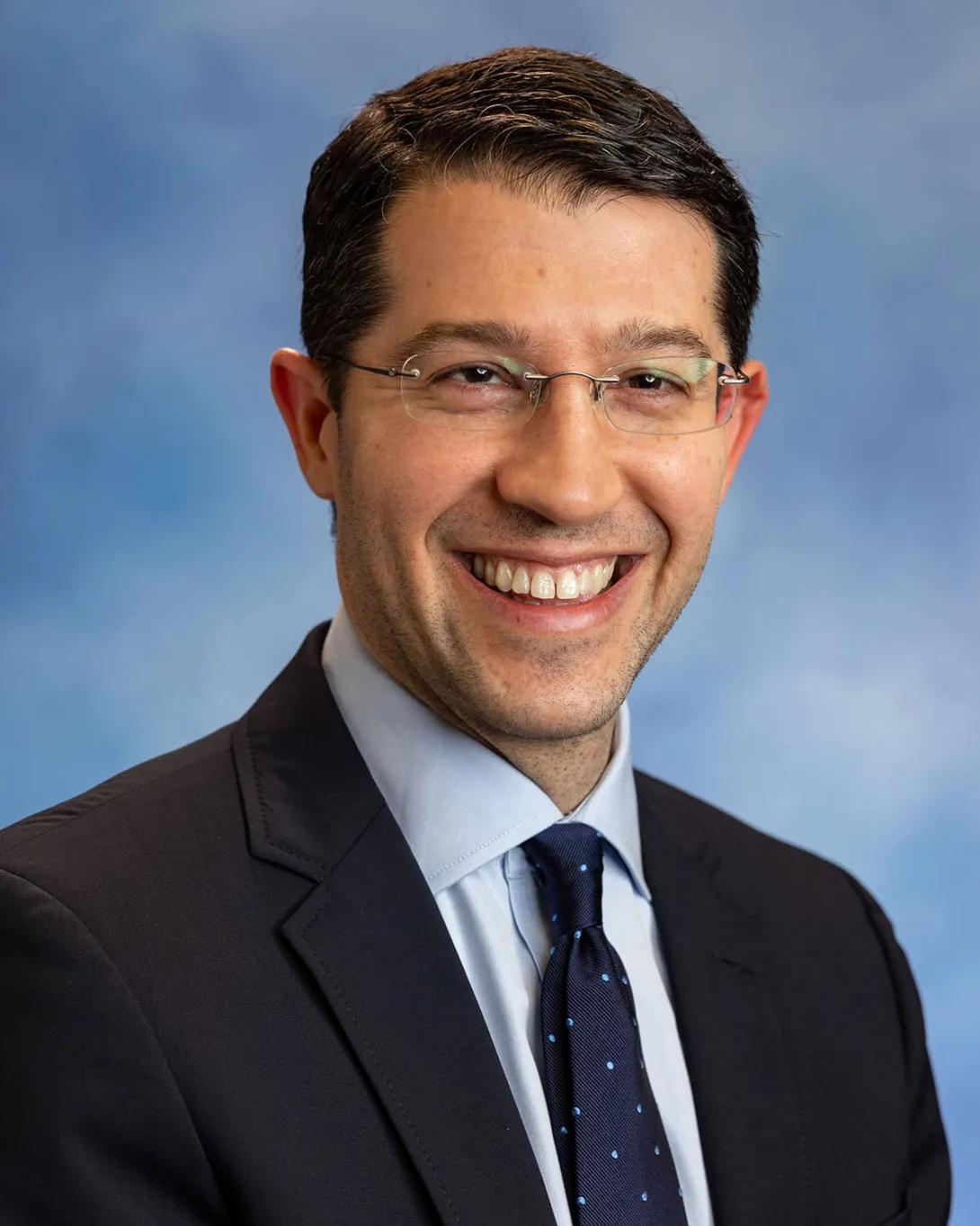
Richard Birnbaum, PhD
Department of Pediatrics
Division of Pediatric Psychology
Medical School
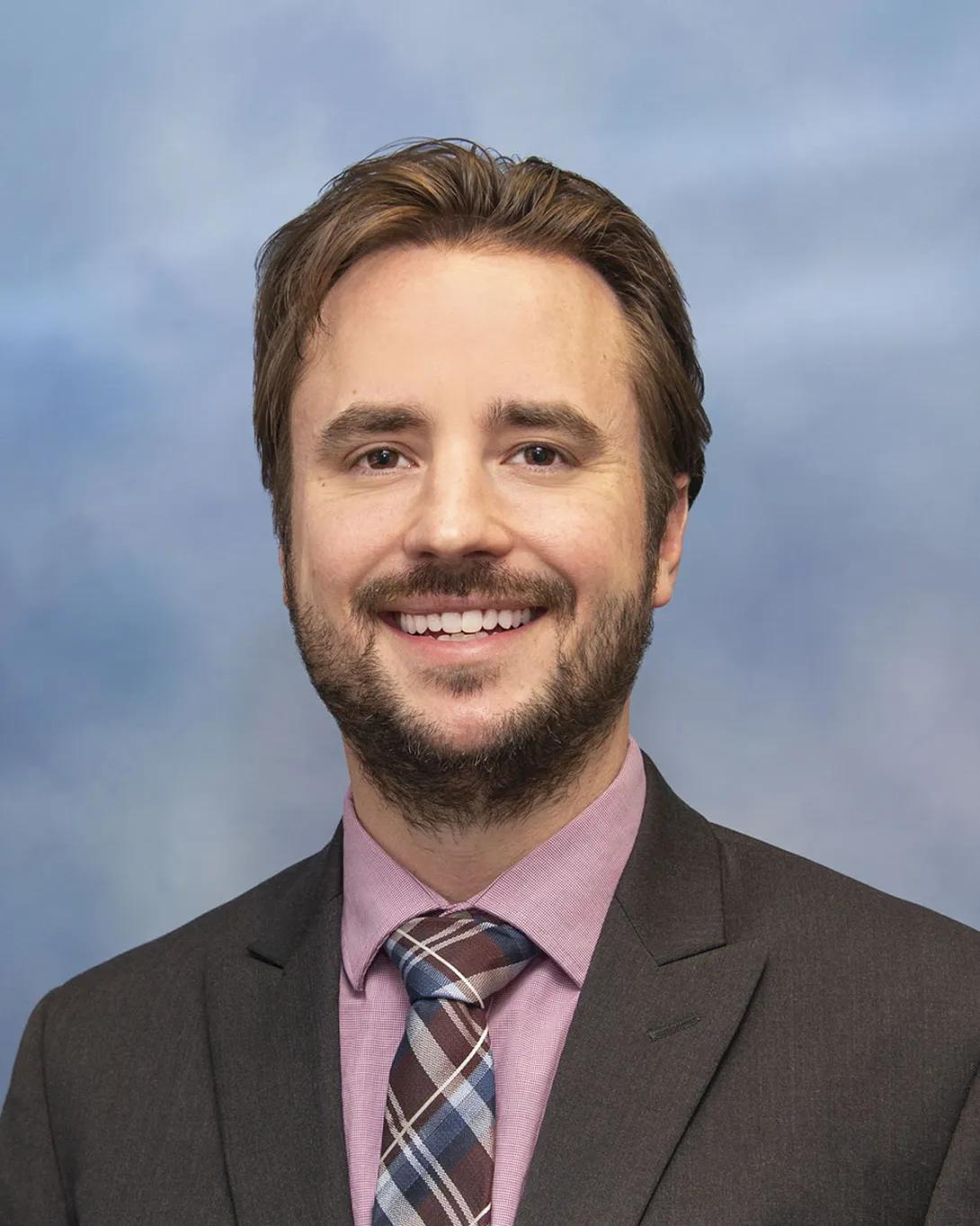
Luke Turnier, PsyD
Department of Pediatrics
Division of Pediatric Psychology
Medical School

See Where Training Takes Place
The University of Michigan Medical School campus offers numerous spaces dedicated to academic learning, research and clinical care, including specialty clinics, research labs, lecture halls, and clinical simulation centers. Each space and facility provides a collaborative and innovative environment for education, research and patient care.

Life in Ann Arbor
We find a new reason to love Ann Arbor nearly every day — year-round outdoor activities, cultural experiences, a growing food scene, and a welcoming, family-friendly atmosphere are just a few that come to mind. Explore all that Ann Arbor and our surrounding communities have to offer.
