
Pediatric Infectious Diseases Fellowship Curriculum & Training
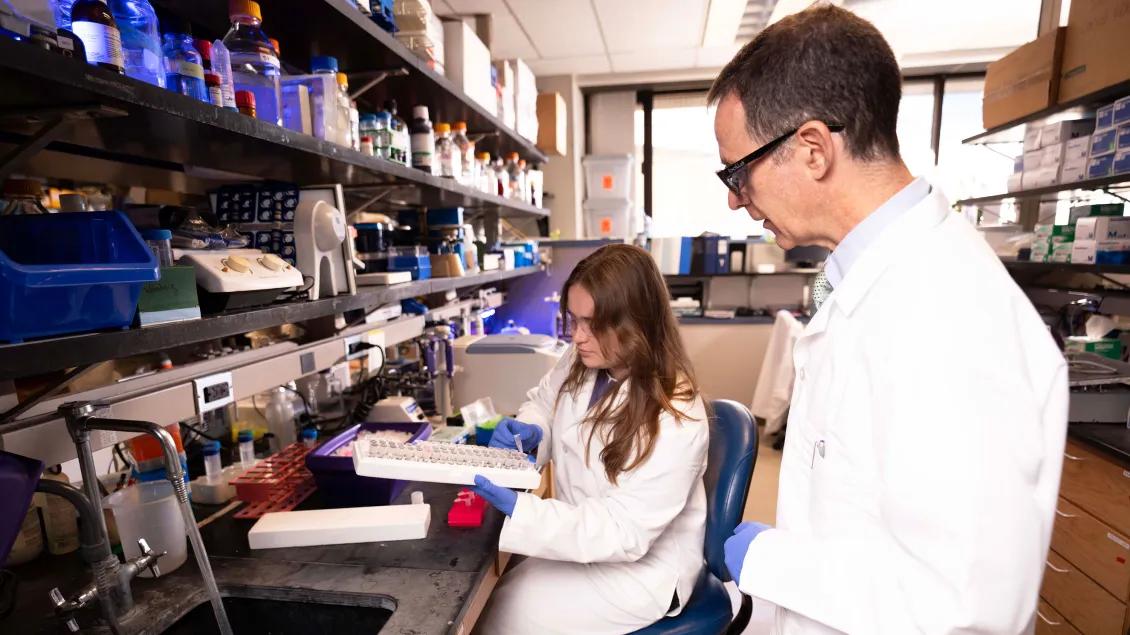
Trainees in the U-M Medical School Department of Pediatrics' Pediatric Infectious Diseases Fellowship work as part of a dynamic interdisciplinary team alongside faculty, residents, students, pharmacists, and pharmacy trainees.
For More Information
Clinical Training
Our fellows care for children with a wide range of infectious diseases, including patients who are immunosuppressed due to cancer therapy, organ transplantation, or immune deficiency.
Clinical experiences include:
- Inpatient Pediatric Infectious Diseases Consultation Service
- Inpatient Pediatric Immunocompromised Host and Transplant Infectious Diseases Consultation Service
- Outpatient Pediatric Infectious Diseases Clinic (providing continuity of care for previously hospitalized children, ongoing care for children with HIV infection, as well as seeing new ambulatory patients for initial consultation)
- Clinical Microbiology Laboratory rotations in Bacteriology, Mycology, Parasitology, and Virology
- Experience with the Hospital Epidemiology and Infection Prevention service
- Experience with the Antimicrobial Stewardship service activities
- Experience with the Immuno-Hematology Clinic for patients with primary immunodeficiencies
Fellowship Curriculum by Year
~28 weeks clinical service (2/3 General ID, 1/3 ICH)
- 16 weeks inpatient General Peds ID Consults (Mon – Sun week)
- 8 weeks inpatient Transplant/ICH ID Consults
- 4 weeks Outpatient Clinics (0.5 Day/3 sessions per week)
- 16 weeks Scholarly Activity
- Antimicrobial Stewardship Experience (~2 weeks)
- Clinical Microbiology Lab Experience (~2 weeks)
- Complete SHEA Online Infection Prevention and Epidemiology Fellows Course
- 4 weeks of Vacation
*Subject to Variation Based on Fellows Interests
~12 weeks clinical service (½ General ID, ½ ICH)
- 4 weeks inpatient General Peds ID Consults
- 4 weeks inpatient Transplant/ICH ID Consults
- 4 weeks Outpatient Clinics (0.5 Day/3 sessions per week)
- Infection Prevention and Epidemiology Experience (~2 weeks)
- Elective Experiences (BMT, PHM, HIV Clinic, STD Clinic, TB Clinic, ~6 weeks total)
- 28 weeks Scholarly Activity
- Complete GME Quality Improvement Curriculum Course (Fall, 4 evening sessions)
- 4 weeks of Vacation
- Submit abstract & attend PIDS-St. Jude Conference (March, Memphis, TN)
*Subject to Variation Based on Fellows Interests
~12 weeks clinical service (½ General ID, ½ ICH)
- 4 weeks inpatient General Peds ID Consults
- 4 weeks inpatient Transplant/ICH ID Consults
- 4 weeks Outpatient Clinics (0.5 Day/3 sessions per week)
- Elective Experiences (BMT, PHM, HIV Clinic, STD Clinic, TB Clinic, ~6 weeks total)
- 30 weeks Scholarly Activity
- 4 weeks of Vacation
- Submit abstract & attend ID Week or PAS
*Subject to Variation Based on Fellows Interests
Rotations
In the first year of training, fellows attend an outpatient PID clinic on site at C. S. Mott Children’s Hospital, evaluate and care for patients on the inpatient PID consultation service at C. S. Mott Children’s Hospital, and attend clinical ID conferences (e.g., Clinical Microbiology Lab Teaching Rounds, Case Conferences, Small Group Discussion Sessions, etc.). Fellows will also have the ability to see patients in the multidisciplinary Immuno-Hematology clinic evaluating patients at risk for infection due to known or suspected primary immunodeficiencies. Fellows will also be able to have exposure to the Antimicrobial Stewardship and Infection Prevention activities of the division. During this year, fellows will have dedicated time to begin working with a mentor on a scholarly activity/research project and the fellow will learn how to develop the project concept into a grant-style application. Fellows will begin gathering data for their scholarly activity project and will meet with a scholarly advisory committee to help guide their progress.
During the second year of training, the outpatient clinic activity is maintained, and inpatient clinical rotations are incorporated into the fellows' schedule. The intensity of independence is increased as fellows prepare to take on leadership duties in their third year of training. Fellows continue gathering data for their scholarly activity/research projects and will prepare abstracts for presentation at conferences, including the annual Infectious Diseases Society of America ID Week Conference and/or the Pediatric Infectious Diseases Society-St. Jude Children’s Research Hospital annual conference, among others.
During the third year of training, inpatient rotations on clinical services and clinic activities are continued. Fellows are expected to demonstrate increasing clinical confidence and independence as they near the end of their fellowship. The third year fellow will also assume some administrative and leadership duties that include scheduling and coordinating the clinic schedules for all trainees in the program. Fellows will finish their chosen research project and prepare the work for publication and dissemination.
Educational Conferences
- Pediatric Infectious Diseases Clinical Case Conference
- Journal Club
- PID Fellows Curriculum Series
- Clinical Microbiology Rounds
- Infectious Diseases Grand Rounds (joint with Internal Medicine ID)
- Immuno-Hematology Teaching Sessions
- Primary Immunodeficiency Conference Series
- Department of Pediatrics Core and Research Curriculum Series
- Department of Pediatrics Grand Rounds
Research Opportunities
Under the direction of a faculty member, a research program is designed for each fellow to meet his/her unique career goals. This program includes extensive time learning investigative and assessment techniques and offers access to courses in statistical methods, study design, and molecular and cell biology.
The U-M Medical School prides itself on its commitment to research endeavors and offers many resources in the Departments of Pediatrics, Microbiology & Immunology, Internal Medicine, Pathology, Laboratory Animal Medicine, and the School of Public Health that will enrich the fellow's research training.
Fellows are encouraged to write a research grant proposal under the guidance of their research mentor.
This process helps develop and solidify the fellow’s scholarly activity project, but salary support and research funding are not contingent upon the grant being successfully funded. The Fellow will actively participate in research conferences and journal clubs sponsored by the Department of Epidemiology, Department of Microbiology and Immunology, Division of Pediatric Infectious Diseases, and the Division of Internal Medicine Infectious Diseases, depending on their research interests.
Basic science research opportunities exist both within the division and in numerous labs throughout the Medical School and School of Public Health.
Our Community
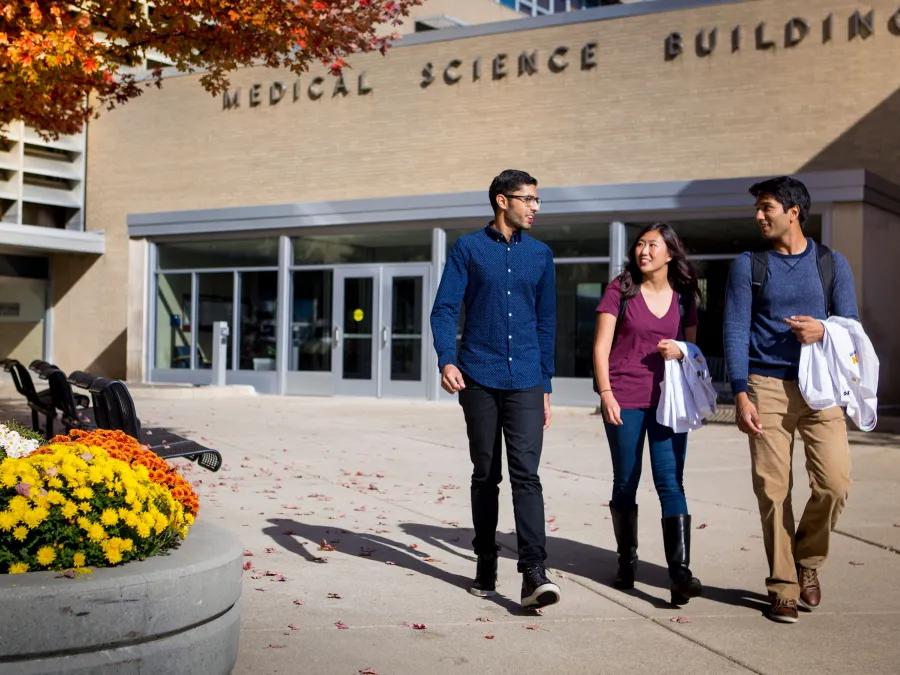
Feel at home in Michigan. Explore what it’s like to live, learn and grow in Ann Arbor among a diverse and supportive network of leaders in pediatrics.
