Pediatrics Divisions

Med Campus

Our Divisions

Providing the highest standard of care through research and a collaborative medical community to achieve better health outcomes for our patients.

Making an Impact on Pediatric Health Care

The U-M Medical School Department of Pediatrics is comprised of 18 divisions with more than 1,000 faculty, staff and trainees. Our team works collaboratively across Michigan Medicine campuses, clinics, hospital, and centers throughout the state. Faculty, staff and trainees excel as clinicians, researchers, educators, leaders and mentors—dedicated to advancing pediatric patient care, education and research. Together, we are committed to making a lasting difference in the health and well-being of children and families locally, nationally and globally.

Our Divisions
Adolescent Medicine

Specialized in comprehensive care, support, and treatment for adolescents with medical, psychological, and behavioral health needs.

Pediatric Cardiology

Provides the best possible care for infants, children and adults with all forms of congenital and acquired heart disease

Pediatric Critical Care Medicine

Provides state-of-the-art, 24-hour intensive care for critically ill children with complex medical or surgical needs, utilizing advanced therapies and multidisciplinary expertise.

Developmental Behavioral Pediatrics

Focused on diagnosis, evaluation, and management of developmental and behavioral conditions in children through individualized and team-based care.

Pediatric Endocrinology

Delivers expert patient care, education, and research in pediatric endocrinology, diabetes, and metabolic disorders.

Pediatric Gastroenterology

Dedicated to the diagnosis, treatment, and study of diseases affecting the gastrointestinal system, including the esophagus, stomach, intestines, liver, gallbladder, and pancreas.

General Pediatrics

Provides comprehensive, patient-centered, and evidence-based care for children and young adults, emphasizing prevention and acute care across multiple ambulatory sites while advancing education and research.

Genetics, Metabolism & Genomic Medicine

Provides expert diagnosis, treatment, and prevention of genetic and metabolic diseases in children.

Pediatric Hematology | Oncology

Delivers state-of-the-art, personalized, and family-centered care for children and young adults with blood disorders and cancer.

Pediatric Hospital Medicine

Provides expert, comprehensive care for hospitalized children with a wide range of acute and chronic conditions, delivered by dedicated pediatric hospitalists.

Pediatric Infectious Diseases

Offers consultative and ongoing subspecialty care for children with diverse infectious and immunological conditions.

Neonatal-Perinatal Medicine

Delivers expert care for critically ill newborns while advancing research and training in neonatal medicine to improve outcomes and educate future healthcare providers.

Pediatric Nephrology

Provides state-of-the-art care for infants, children, and adolescents with kidney disease while advancing research and physician training in pediatric nephrology.

Pediatric Neurology

Provides comprehensive, multidisciplinary care for infants, children, and adolescents with neurological disorders while advancing clinical service, training and research.

Pediatric Psychology

Integrates psychological expertise within medical teams to address the physical and mental health needs of children, adolescents, and families, with a focus on clinical care, research, and education.

Pediatric Pulmonology

Dedicated to improving respiratory health in children through exceptional clinical care, research, and education, guided by values of respect, responsibility, and family-centered care.

Pediatric Rheumatology

Recognized nationally for clinical excellence, innovative programs, and education in the diagnosis and management of childhood autoimmune and musculoskeletal diseases.

Susan B. Meister Child Health Evaluation and Research Center (CHEAR)

Conducts multidisciplinary, collaborative research to address high-impact questions in child health, drawing on expertise from multiple pediatric subspecialties.

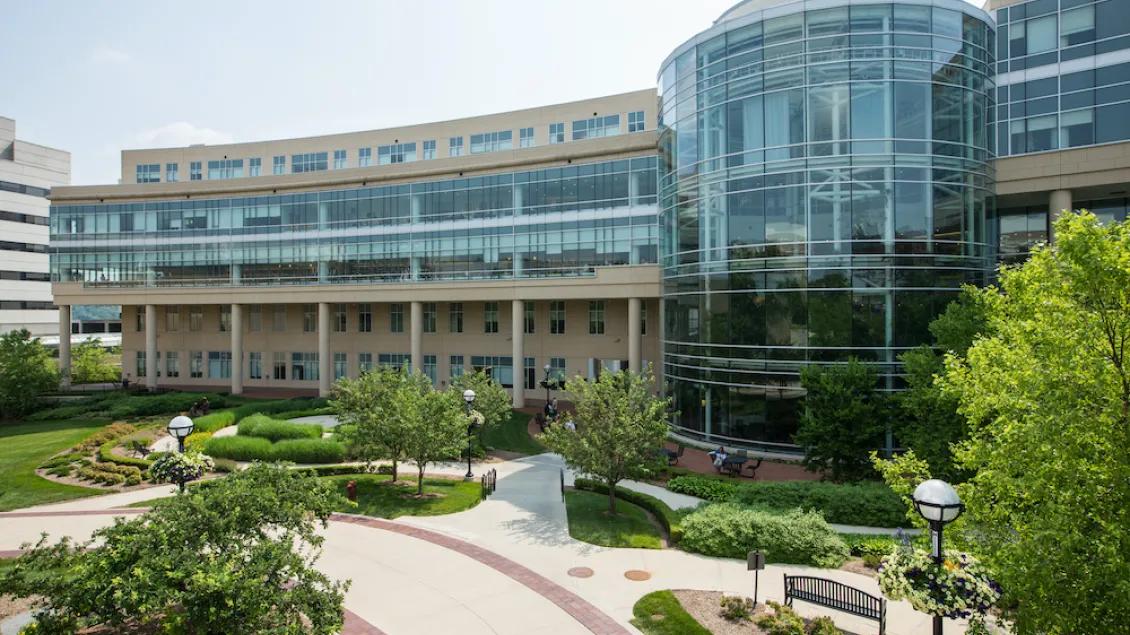
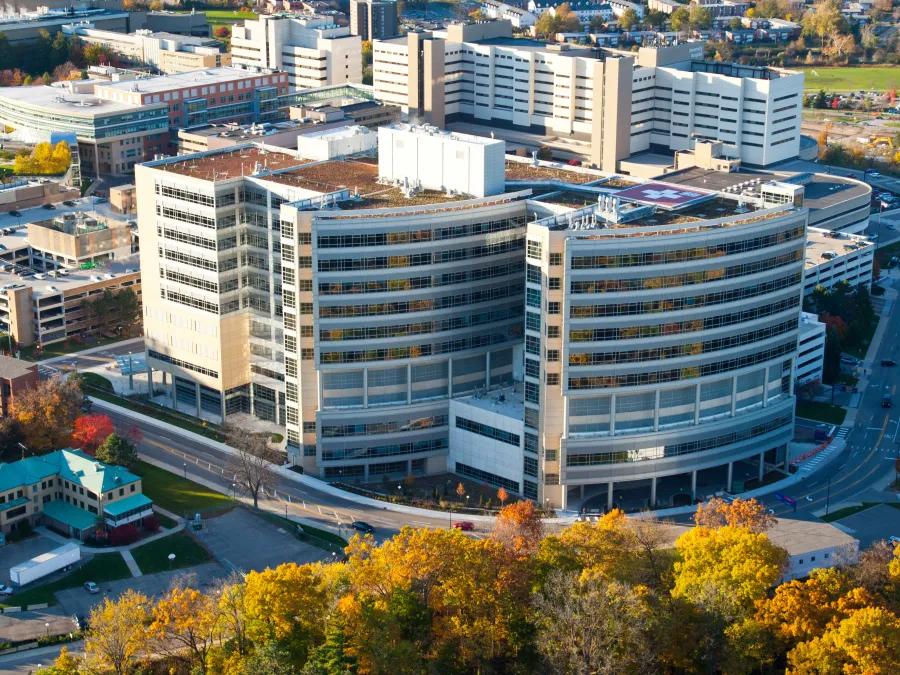
Aerial view of Mott Children's Hospital

See Where Training Takes Place

Expand your career trajectory in a high-volume academic medical center that also supports and excels in a wide range of basic science, translational and clinical research programs.

View Our Facilities & Spaces

Featured News & Stories

See all news
Health Lab

Path forward for glioblastoma treatment

Experts in brain cancer outline current discoveries and offer a path of hope for glioblastoma treatment
baby with hearing aid on ear looking from side view with blue pacifier in mouth
Health Lab

Research may help better predict outcomes in kids with congenital cytomegalovirus

Two new studies may help researchers and clinicians better understand congenital cytomegalovirus (CMV), the most common infectious cause of birth defects and a leading cause of non-genetic hearing loss in children.
family smiling inside capitol
Health Lab

12-year-old shares journey with sickle cell anemia on Capitol Hill

A 12-year-old takes his story to Washington, D.C., sharing with lawmakers how specialized treatment transformed his life with sickle cell disease.
person close up nails and shots going into face on comptuer screen gif moving
Health Lab

What is looksmaxxing?

A Q&A with Dr. Bravender discussing what looksmaxxing is. Along with the true dangers of it, what parents should know, and when to intervene.
children with adult at daycare outside on a porch
Health Lab

Collaboration with community child care centers creates innovative research tool

Michigan Child Care Related Infections Surveillance Program, or MCRISP, brings together child care providers in Washtenaw County, Mich. and doctors at the University of Michigan Health to effectively monitor pediatric respiratory and gastrointestinal illness transmission.
UMich Med Mosaic on blue background with colorful geometric shapes
UMich Med Mosaic

Beyond the White Coat: Finding Your Voice at the Patient’s Bedside

In this episode of UMich Med Mosaic, host Mackenzie Kay speaks with MD students Josh Chen and Gabriel Culian about what it feels like to step onto the hospital wards for the first time. They reflect on their earliest patient encounters, the transition from standardized patients to real clinical settings, and the role medical students play in building trust, explaining care plans and supporting patients and families. They also discuss witnessing serious illness, grief and life-changing conversations, while exploring how early clinical experiences shape confidence, empathy and the kind of physicians they hope to become.