-
Bioinformatics -
Biological Chemistry -
Cancer Biology -
Cell & Developmental Biology -
Cellular & Molecular Biology -
Genetics and Genomics -
Health Infrastructures & Learning Systems -
Immunology -
Microbiology & Immunology -
Molecular, Cellular & Developmental Biology -
Molecular & Cellular Pathology -
Molecular & Integrative Physiology -
Neuroscience -
Pharmacology
PhD Programs in Biomedical Science

PIBS
An interdisciplinary umbrella program allows you to explore a variety of research opportunities before committing to a program, making your path flexible and adaptable.
Flexible Pathways
The Program in Biomedical Sciences (PIBS) is designed to offer students maximum flexibility during the first year of graduate studies. PIBS students receive full funding and benefits and can immediately begin training in one program or take a course of study compatible with several programs while completing research rotations. You can rotate with any of our 500+ faculty that make up one of the largest and most vibrant research communities in the country. At the end of the PIBS year, you choose a permanent program and will continue to be funded through defense and graduation.
Our team of support staff, program directors and academic advisors will help you pursue a career path of your choosing. From initial course selection, to exploring certificates and dual degrees, and finding a postdoc, we’re here for you!
Explore PIBS Programs
*In addition to admission through PIBS, these programs offer direct admission.
Explore PIBS Faculty
The 500+ faculty affiliated with PIBS are engaged in interdisciplinary research projects and collaborations through the university and the world!
The PIBS Faculty Database allows you to search by name, program or research topic.
News Across PIBS Programs

$3.9 million NIH grant to fuel U-M effort to develop first targeted therapy for fatal childhood brain disorder

15 years of data will help uncover how flu spreads—and how to reduce its impact
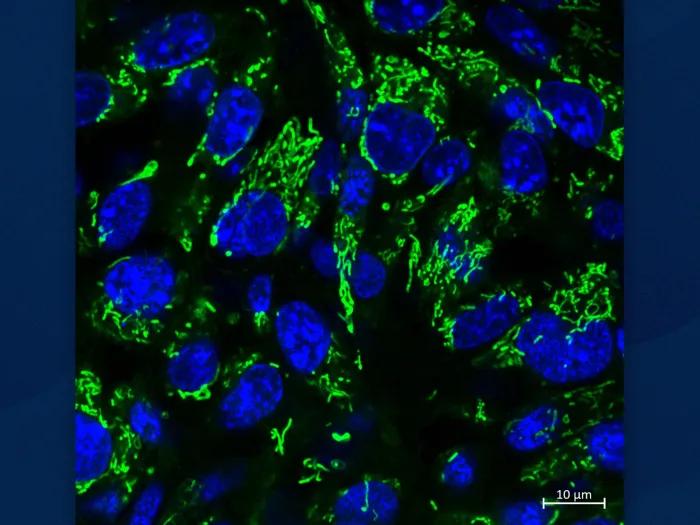
Engineered nanoparticles sensitize gliomas to radiotherapy