
-
Medical Student Programs -
Pediatric Residency -
Child Neurology Residency -
Medical Genetics Residency -
Fellowships -
Adolescent Medicine -
Developmental Behavioral Pediatrics -
Medical Biochemical Genetics -
Neonatal-Perinatal -
Pediatric Cardiology -
Pediatric Critical Care Medicine -
Pediatric Endocrinology -
Pediatric Gastroenterology -
Pediatric Hematology & Oncology -
Pediatric Hospital Medicine -
Pediatric Infectious Diseases -
Pediatric Nephrology -
Pediatric Pulmonary -
Pediatric Rheumatology -
Pediatric Psychology
-
-
Advanced Training Programs -
Facilities & Spaces
Pediatric Endocrinology Fellowship
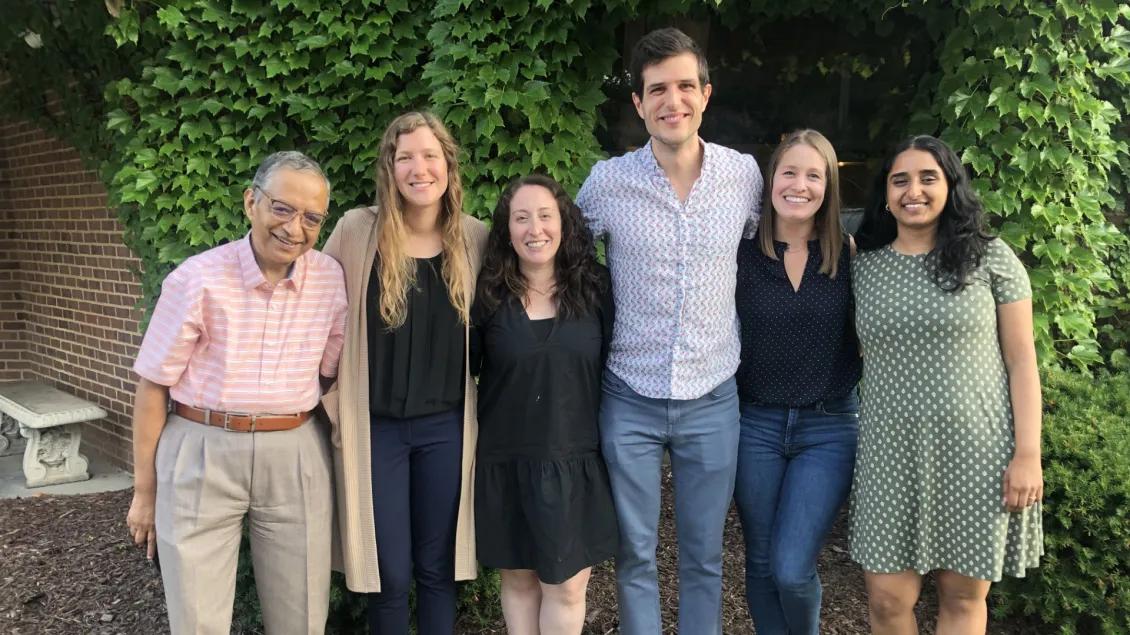
The U-M Medical School Department of Pediatrics' Pediatric Endocrinology Fellowship is dedicated to a legacy of excellence.
The Division of Pediatric Endocrinology has a rich history of leadership and innovation dating back to 1948, when it was founded under Dr. George H. Lowery. Since then, the division has been guided by a distinguished group of chiefs – Drs. George E. Bacon, Robert P. Kelch, Inese Beitins, Nancy Hopwood, Carol Foster, Ram Menon, and most recently, Dr. Inas Thomas, who has led the division since 2022.
For More Information
Eligibility & Selection
The Pediatric Endocrinology Fellowship Program follows the Graduate Medical Education policy on trainee selection. In addition, all trainees must have completed a three-year Pediatric Residency program at an ACGME-accredited institution.
Program Overview
Our fellowship program began in 1968 and has been training pediatric endocrinologists to become academic leaders ever since. We are proud to be accredited by the Accreditation Council for Graduate Medical Education (ACGME). Over the last three decades, we’ve welcomed an average of two fellows per cycle and graduated more than 20 fellows—many of whom have gone on to secure competitive research funding and pass their Pediatric Endocrinology Board Certification exams.
Learn more about the fellowship program by jumping to the sections below:
Our Mission
Our fellowship program is designed to support each fellow in developing three essential areas: clinical expertise, teaching ability, and scholarly work.
- Clinical Training: Fellows receive extensive hands-on experience managing both common and rare endocrine conditions in children and adolescents. Training is structured to help fellows become familiar with the systems and workflows unique to our subspecialty, clinics, and hospital, while strengthening their clinical decision-making and patient care skills.
- Teaching and Education: We believe strong educators make stronger clinicians. That’s why we equip fellows with the tools to become effective teachers – whether in academic medicine, mentorship, or patient education. In addition to our division-led didactic curriculum that is designed to address the topics tested on the pediatric endocrinology boards, our fellows also have access to the Pediatric Fellows’ College, which is a collaborative curriculum that addresses topics that are universal to all pediatric subspecialties, and provides a unique opportunity to collaborate and receive mentorship across subspecialties.
- Scholarly Work: Fellows begin their scholarly journey in the first year and continue throughout the three-year program. From formulating a research question to independently conducting hypothesis-driven studies, fellows are mentored through every step of the process. This work typically results in a manuscript or in-depth report and gives fellows the foundation to continue scholarly activity beyond their training.
How to Apply
Thank you for your interest in the U-M Medical School Pediatric Endocrinology Fellowship Program. We will begin accepting applications through Electronic Residency Application Service (ERAS) starting in August of each year for fellowship starting on July 1 on the following year.
Exceptions to this process will be considered on an individual basis. You should contact the program coordinator for the specifics regarding exceptions. To be considered by the fellowship selection committee, applicants must meet our eligibility criteria and submit the following required documents:
- Personal Statement
- USMLE transcript of your USMLE scores
- Photograph
- CV
- ECFMG transcripts (if applicable)
- Three letters of recommendation (one of which should be from the Program Director)
We are only able to accept fellows who are US citizens or have permanent residency because of our sources of funding. Otherwise, it is necessary for fellows to provide funding from other sources for the three-year fellowship. After applications have been screened, selected applicants will be invited for interviews to meet our faculty, fellow, and staff and to tour the facility.
Clinical Training
The clinical training will include the acquisition of broad clinical skills in pediatric endocrinology and diabetes with exposure to a diverse population of patients ranging in age from newborn to young adult, with both complex and common endocrine problems. The clinical emphasis is to diagnose, manage and understand the physiology of hormonal regulation from infancy to young adulthood. Within the program, the fellow is prepared to become a consultant and work with other disciplines to care for the complex patient with endocrine disorder(s.)
Broad clinical competence also includes the ability to perform endocrine testing carefully and safely and interpret these results accurately.
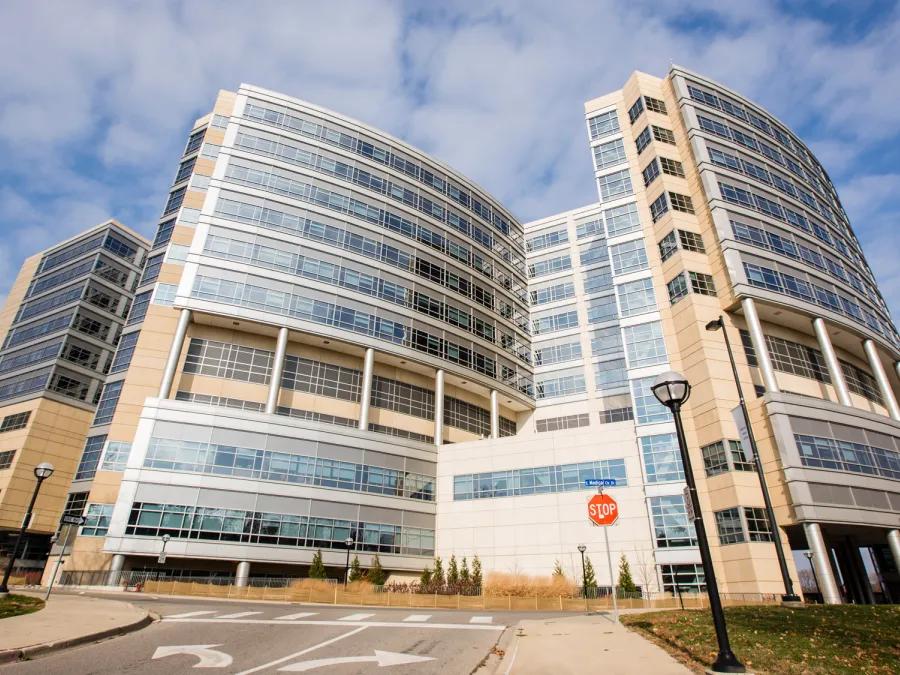
The Pediatric Endocrinology training is carried out in both an inpatient and out-patient setting. Fellows will have both endocrine and diabetes continuity clinics, with a focus on integrating current technology to provide comprehensive care. Fellows also perform consultations and manage children admitted to the Mott Children's Hospital. There are about 25 new consultations each month. Fellows have the opportunity to attend clinics with adult endocrinology mentors to participate in adult diabetes complications, thyroid and/or adrenal management.
To achieve this objective, the fellows have a continuing responsibility for the care of patients in the outpatient clinic throughout their training. The clinical experience involves patients in the following categories (but not limited to these categories):
- Short stature
- Disorders of anterior pituitary hormone synthesis and secretion
- Disorders of posterior pituitary hormone synthesis and secretion
- Disorders of hypothalamic regulation of hormonal secretion
- Disorders of thyroid hormone synthesis and secretion
- Diagnosis of thyroid nodules and neoplasms
- Disorders of adrenal gland physiology, secretion and metabolism
- Disorders of androgen and estrogen metabolism
- Differences of sexual differentiation and development
- Disorders of calcium, phosphorus and vitamin D metabolism
- Disorders of parathyroid gland physiology
- Disorders of fluid and electrolytes
- Disorders of carbohydrate metabolism including diabetes mellitus and hypoglycemia
- Abnormal puberty
Salary & Benefits
We offer highly competitive salaries and generous benefits to our residents, fellows, and advanced trainees. Trainee salary will be commensurate with that of a House Officer at an equivalent level of training based on the HOA contract.
Curriculum & Rotations
- Outpatient: Three to four outpatient clinics per week (general endocrine and diabetes) which includes continuity clinic experience.
- Inpatient: The fellow will follow all endocrine patients and consults for up to 6 months.
- Research: During this time the endocrinology staff will work with the fellow to identify a clinical or basic science research project and mentor for years 2 and 3. During this time, fellows will work to identify a clinical or basic science research project and mentor by the middle of the year.
- Call: Fellows participate in home call, which is always supported by the faculty on-call. The call schedule is arranged in blocks of 7 days or less.
- Teaching: During clinical service, fellows will receive daily teaching from Pediatric Faculty Endocrinology faculty on a range of topics, including: literature review, research design, statistics, ethics, healthcare systems, physician wellness, and more
- Diabetes Education: The fellows have a special opportunity to attend all patient education classes in the Diabetes Education program.
- Diabetes Camp: The fellow may enroll in one or two diabetic camps that are offered during summer months.
- Endocrine Skim Tests: The first year fellow can anticipate performing approximately 10 endocrine challenge tests per year. Endocrine challenges consist of: growth hormone provocative tests, ACTH challenge, GnRH challenge, and CRH challenge.
- Outpatient: A total of one half-day clinics per week will be spent in the general pediatric endocrinology (includes general endocrine continuity clinic) and two diabetes clinics per month. In addition the fellow selects outpatient clinic electives to achieve well-grounded clinical training goals (see below).
- Inpatient: There will be a maximum of 3 months of inpatient care during this year. More inpatient service can be scheduled to assist achieving clinical research goals if needed.
- Research: The fellow will spend the remaining time working on his/her clinical or basic science research project.
- Call: The fellow will be on first call with a staff endocrinologist performing back-up. The call schedule is arranged in two-week blocks, of 10 days whenever possible.
- Teaching: Fellows continue to receive both formal and informal teaching from Pediatric Endocrinology faculty. Fellows will begin leading clinical discussion and clare plans for patients.
- Outpatient: One half-day per week will be spent in the general pediatric endocrinology continuity clinic and one diabetes clinic per month. More specific clinics can be scheduled to achieve specific clinical research goals.
- Inpatient: For a maximum of 2 months, the fellow will return to the hospital to act as the inpatient attending physician, with faculty support. The goal will be to consult in at least 24 inpatient cases per year.
- Research: The fellow will spend the remaining time completing his/her research project, with the goal of submitting one or more manuscripts for publication prior to completion of fellowship training.
- Call: The fellow will be on first with a faculty endocrinologist performing back-up.
- Teaching: Fellows continue to receive both formal and informal teaching from Pediatric Endocrinology faculty. Senior fellows are seen as leaders and mentors within the division.
Clinical Requirements for Pediatric Endocrinology Fellows
| 1st Year | 2nd Year | 3rd Year | |
| In-House Call | 23 weeks (+/- 2 weeks) | 12 weeks (+/- 2 weeks) | 8 weeks (+/- 2 weeks) |
| Clinics - Endo | 2 per week | 1 per week | 1 per week |
| Clinics - Diabetes | 1 per week | 2 per month | 1-2 per month |
| Clinics - Speciality | 3+ (see specialty list) | 3+ (see specialty list) | 3+ (see specialty list) |
| Diabetes Camp | Encouraged to attend one camp (typically Y1 or Y2) | ||
| Didactic Talk | 2 | 2 | 2 |
| Research Presentation | 1 | 2 | 2 |
| Journal Club | 2 | 2 | 2 |
Research Opportunities
Fellowship trainees may participate in the clinical or basic science research projects of faculty members within the division. Fellows may extend experiences by participating in short projects to learn specialized techniques in any laboratory within the University. Interdisciplinary research is encouraged.
Research partnerships have been developed in Obstetrics-Gynecology Department, Adult Endocrinology, and with the Center for Cell Plasticity and Organ Design, the Neuroscience Program, Biological Program, Molecular and Integrative Biology Program, Center for Human Growth and Development, the Michigan Diabetes Research and Training Center, the School of Kinesiology and the School of Public Health.
The fellow is expected to review the pertinent literature to help design a clinical research project, present it for peer review and approval to the General Clinical Research Unit (GCRC) and for intra- and extramural funding. This process would include the preparation of protocol and consent documents for IRB approval.
The fellow will be given the opportunity to participate in formal education on the protection of human subjects and will be expected to understand the ethical and safety issues of research in the child or adolescent. The Center for Statistical Consultation and Research (CSCAR) provides support and training in a variety of areas relating to the management, collection, and analysis of data. CSCAR also supports the use of technical software and advanced computing in research.
The Statistical Core of the General Clinical Research Center is a resource available to the fellow for the proper analysis of the data. In addition, our fellows could have the opportunity to participate in the “On-Job/On-Campus Clinical Research Course” (OJ-OC) pending interest and availability of departmental funds.
The fellow is expected to critically review the literature pertinent to their research interest, help design their own basic research project, collect data and learn and execute the appropriate statistical analyses. There is the opportunity to participate in formal education on general basic science methodology at the start of the research experience.
For both clinical and basic science projects, it is expected that the fellow will be first author on one or more peer reviewed manuscripts derived from their project, and/or complete a grant proposal for intra or extra-mural funding (outcome may be funded or unfunded).
Current Fellows
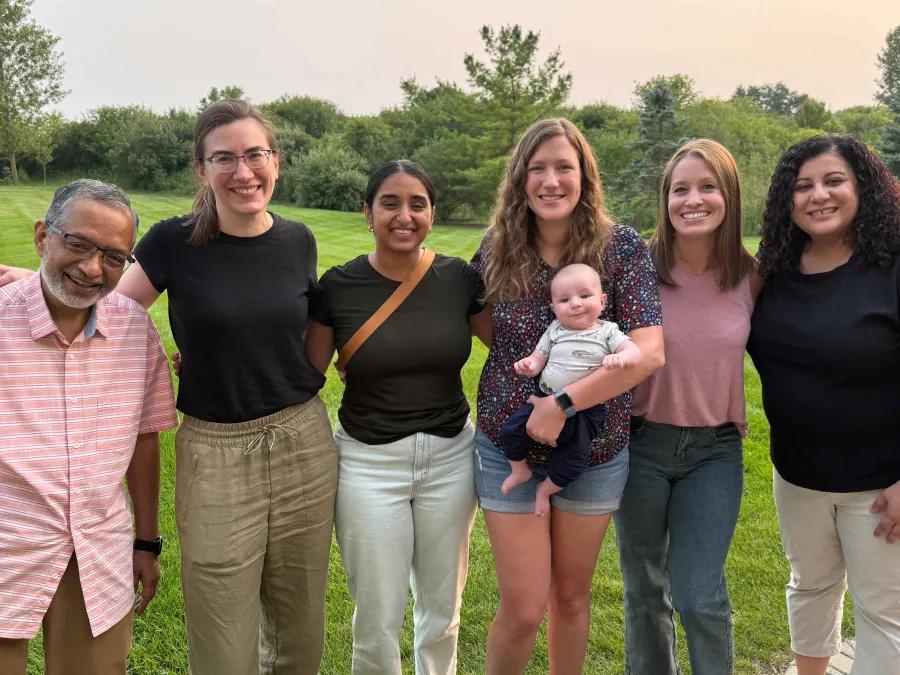
Meet our current trainees in Pediatric Endocrinology. We emphasize teamwork, excellence, and leadership while preparing our fellows with resources to be successful in their careers.
Recent Graduates
- Alexander Waselewski, MD: Assistant Professor, Department of Pediatrics, Division of Pediatric Endocrinology, Ann Arbor, MI
- Jackie Fisher, MD: Pediatric Endocrinologist, Children’s Minnesota
- Nellie Said Hani, MD: Clinical Assistant Professor, Department of Pediatrics, Division of Pediatric Endocrinology, Ann Arbor, MI
- Lyndsey Reynolds, MD: Assistant Professor at Western Michigan University/Homer Stryker School of Medicine, Kalamazoo, MI
- Adrian Araya, MD: Akron Children's Hospital Center For Diabetes And Endocrinology, Akron, OH
Program Leadership
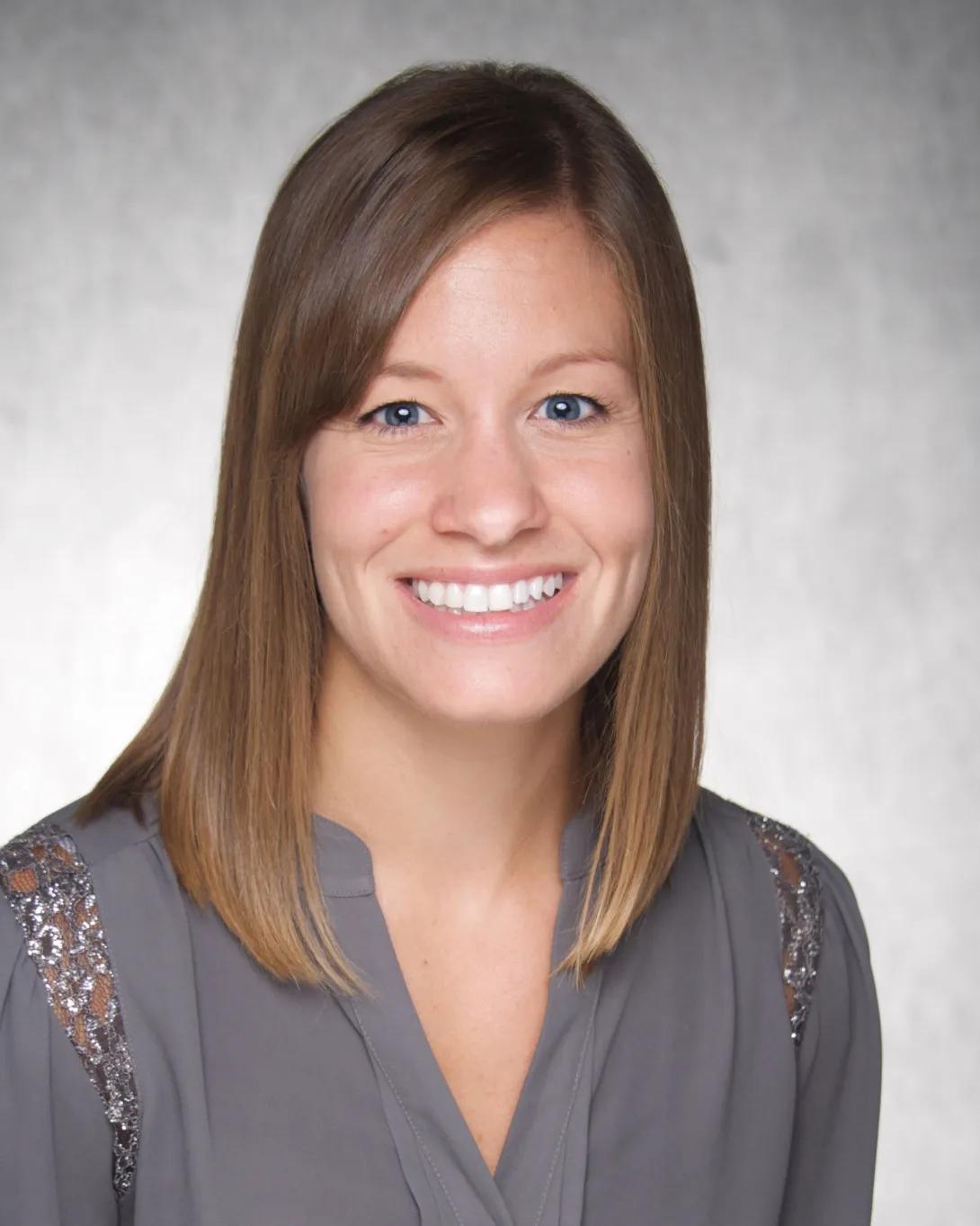
Elizabeth Sandberg, MD
Pediatric Endocrinology Fellowship Director
Medical School
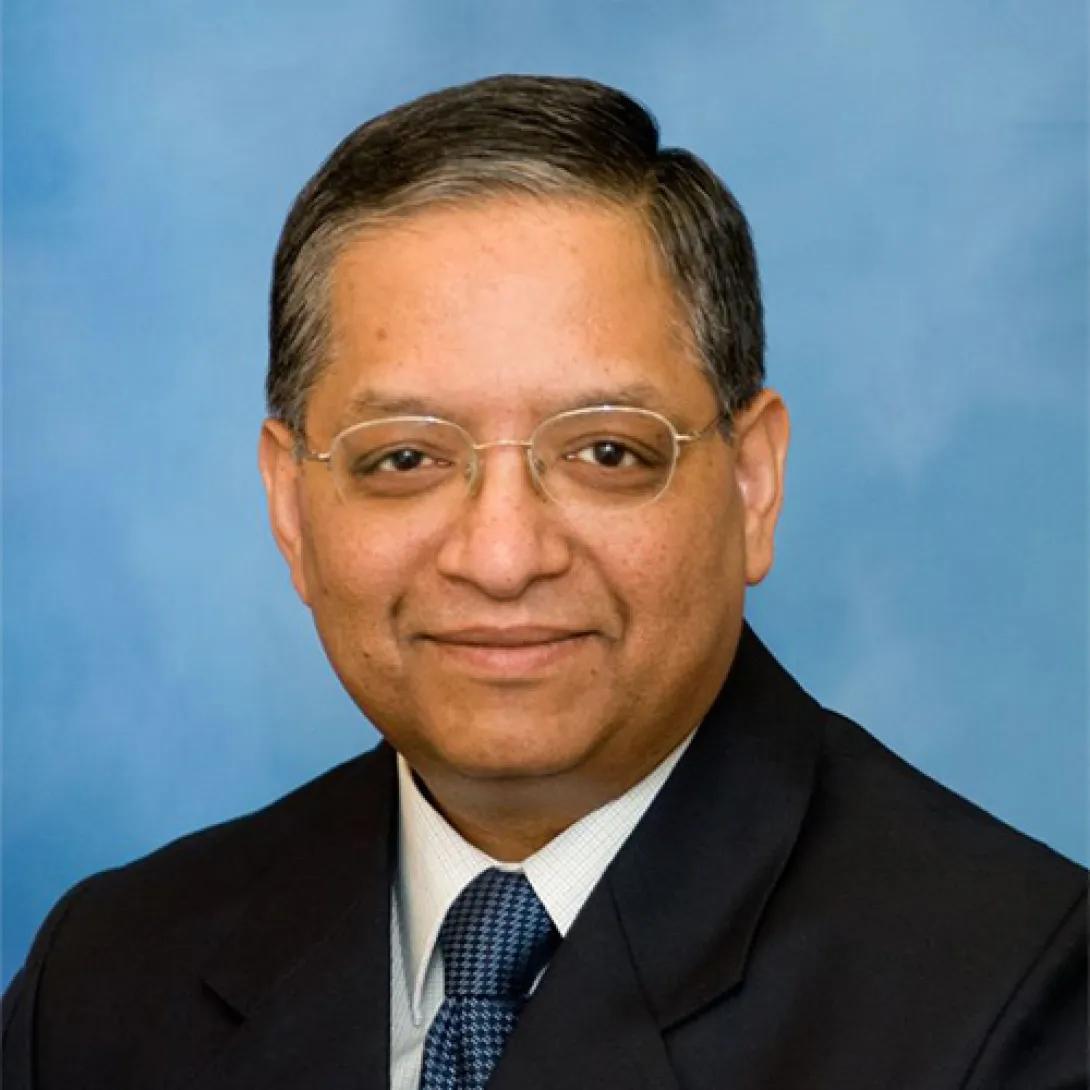
Ram Kumar Menon, MD, MBBS
Professor of Molecular and Integrative Physiology
Medical School
Denise Alton
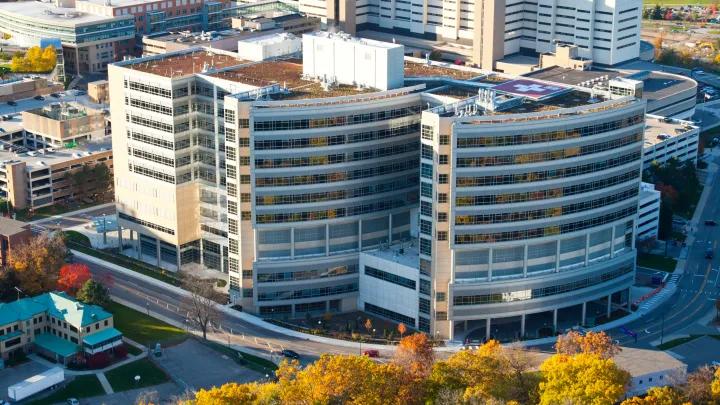
See Where Training Takes Place
The U-M Medical School campus offers numerous spaces dedicated to academic learning, research and clinical care, including specialty clinics, research labs and more. Each space and facility provides a collaborative and innovative environment for education, research and patient care.
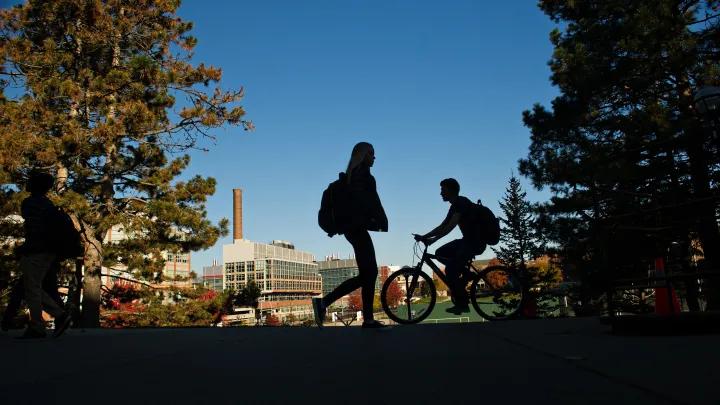
Life in Ann Arbor
We find a new reason to love Ann Arbor nearly every day — year-round outdoor activities, cultural experiences, a growing food scene, and a welcoming, family-friendly atmosphere are just a few that come to mind. Explore all that Ann Arbor and our surrounding communities have to offer.
