
MD Curriculum Health Equity
Requirements & Opportunities
Health equity topics are intentionally and thoughtfully incorporated into the Scientific Trunk, Clinical Trunk and Branches — and beyond.
Curricular Requirements And Opportunities
Scientific Trunk
Education & Small Group Discussions:
- Social & Structural Determinants of Health
- Immigration Healthcare & Working with an Interpreter
- LGBTQ+ Healthcare
- Caring for People with Disabilities
- Caring for Geriatric Patients
- Forum on Structural Racism
- Intimate Partner Violence
- Substance Use
- Weight Management & Obesity Bias
- Patients with Psychiatric Conditions
LECTURES
Representative examples:
- Society, Food, and Public Health
- Proper Terminology Relating to Transgender-Identifying Persons
- Historical Implications of Using Glomerular Filtration Rate
- Racial and Socioeconomic Factors on Maternal Health
- Counseling People about Weight
- Late Life Psych/Ageism
- Stress and Depression During Medical Training
- Psychiatric Disorders of the Peripartum Period
IMPROVING HEALTH SYSTEMS
- Health Systems Science Sessions
- Research Ethics and Impact of Bias (using Tuskegee experiment as an example)
- Population and Public Health
- Understanding Costs Associated with Healthcare
Clinical Trunk And Branches
Education & Small Group Discussions:
- Trauma Informed Care
- Gender Affirming Care
- Medical Ethics & Health Disparities
- Community Agency Site Visit (part of Family Medicine clerkship)
- History of Racism in Medicine Course
- Implicit Bias, Microaggression & Allyship Training (as part of required Residency Preparation Courses)
Students also have the option of completing required clerkships at off-site locations including:
- Emergency Medicine: Flint, Detroit, Ypsilanti
- Family Medicine: Packard Health, Ypsilanti Health Center
- Internal Medicine: Flint, Jackson (Federally Qualified Health Centers)
- Addressing Disparities Amongst Patients & Health Systems
- Bystander Intervention Training (how to handle bias when coming from patients)
- Ending Medical Reversals
- Leading Positive Change by Understanding Social Determinants of Health
- ACCESS Health (Arab American Clinic)
- Child Abuse
- Culinary Medicine
- Detroit Health Department
- Disability Health
- Global Health Media Fellowship
- Health Care for the Homeless (run by Wolverine Street Medicine)
- Henry Ford Health System in Detroit
- Indian Health Service
- Reproductive Autonomy, Health Disparity and Justice
- Women’s Health Policy
- Transgender Medicine (Pediatrics)
- Visual Arts in Medicine
- Washtenaw County Health Department
- Arranged elective rotations with bilingual providers
Communities We Serve
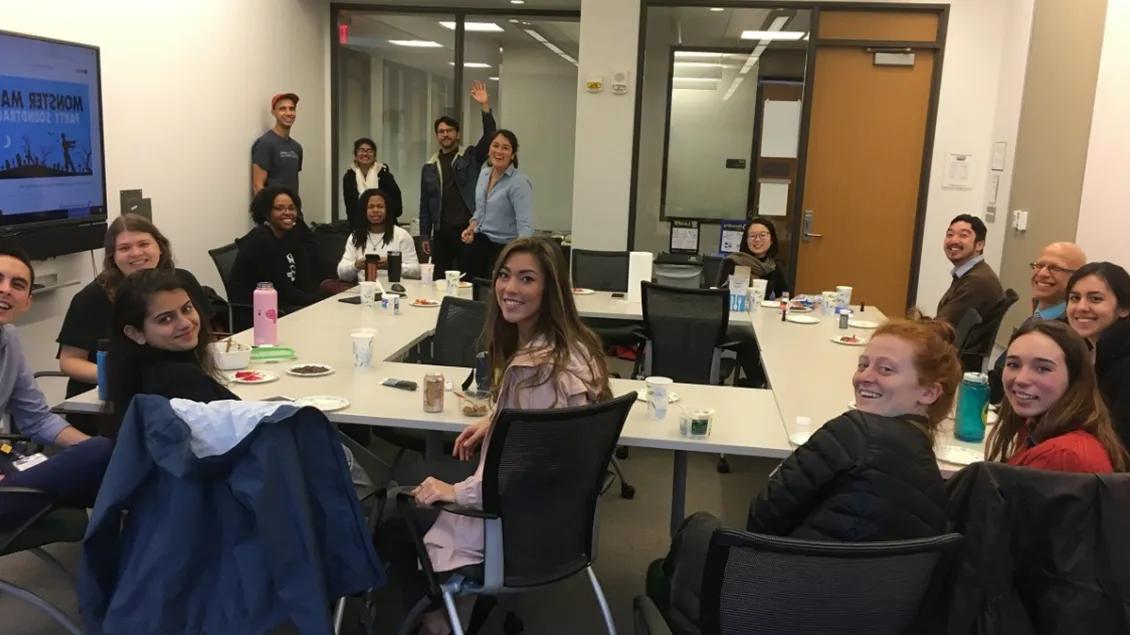
M4 students talk about finding the space and support to realize their vision to engage with and care for diverse patient populations with the resources they need to help affect change.
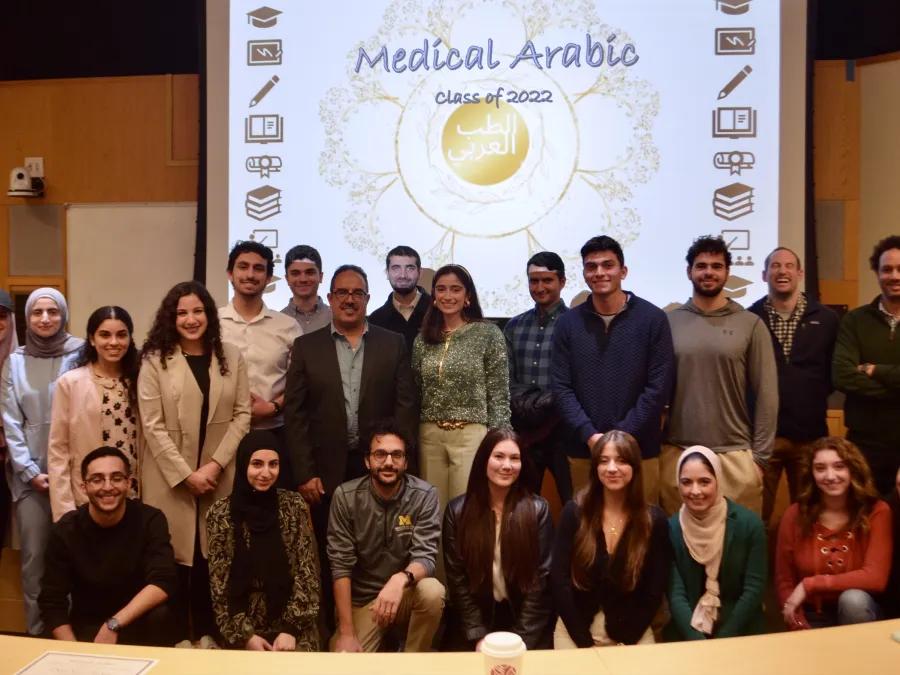
MD Curriculum Language Opportunities
Student organizations and elective courses aimed to help students develop language skills, strengthen confidence in common patient interactions and explore existing health disparities across numerous specialties.
Health Equity in Action
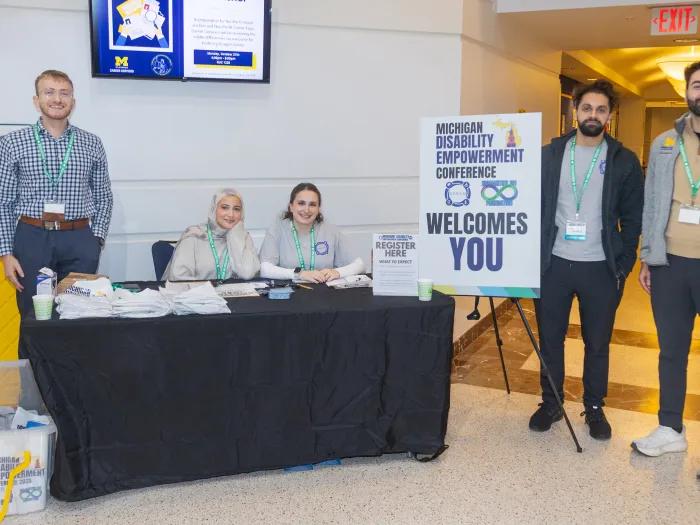
Building Community Through Disability Advocacy
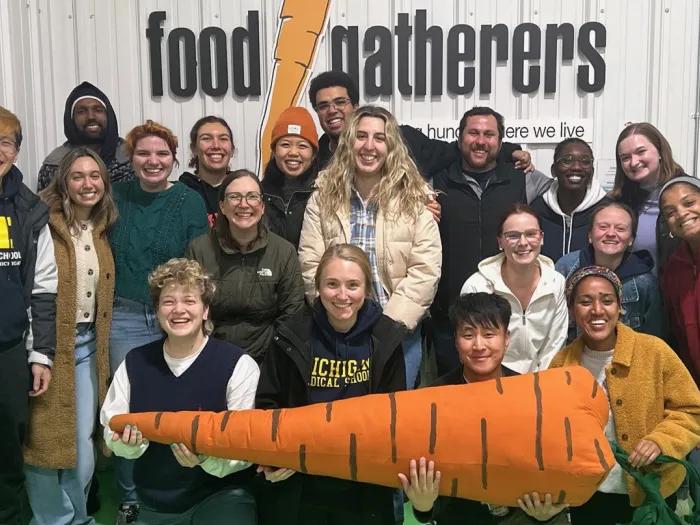
Love Is Our Resistance: Redefining Advocacy in the Patients & Populations Branch
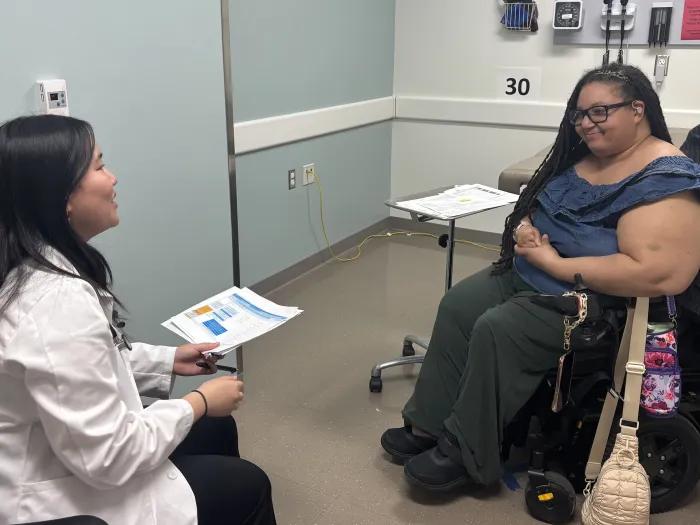
Nothing About Us Without Us: Bringing Disability into Clinical Training
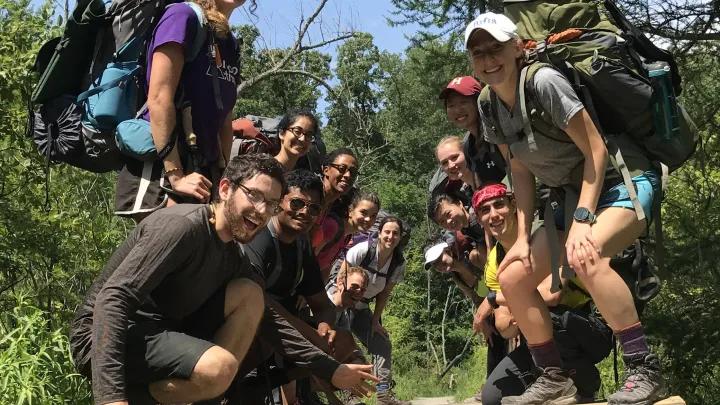
Go Beyond the Curriculum
Engage in health equity and advocacy opportunities taking place across our campus, our community and beyond.
- Work with underserved communities
- Take part in global and domestic health research projects
- Learn or expand your language skills to better connect with patients
- Attend conferences and events
- Join identity-based interest groups
