-
Adolescent Medicine -
Developmental Behavioral Pediatrics -
General Pediatrics -
Neonatal-Perinatal Medicine -
Pediatric Cardiology -
Pediatric Critical Care Medicine -
Pediatric Endocrinology -
Pediatric Gastroenterology -
Pediatric Genetics, Metabolism & Genomic Medicine -
Pediatric Hematology | Oncology -
Pediatric Hospital Medicine -
Pediatric Infectious Diseases -
Pediatric Nephrology -
Pediatric Neurology -
Pediatric Psychology -
Pediatric Pulmonology -
Pediatric Rheumatology
Developmental Behavioral Pediatrics
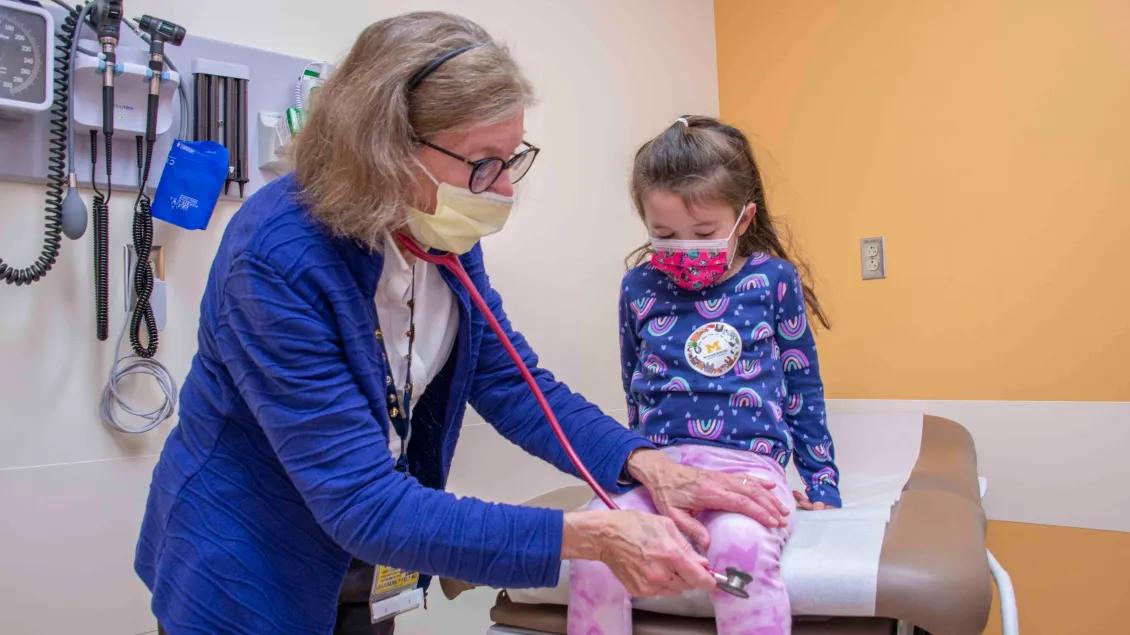
Division of Developmental Behavioral Pediatrics
Research-driven care and education for children with developmental and behavioral conditions.
Our Mission
- Be leaders in the exceptional assessment and care of children with developmental and behavioral conditions
- Conduct innovative research that brings the science of child behavior and development to applied problems affecting children’s health and well-being
- Provide outstanding educational opportunities to trainees and our peers who provide care for these children.
Nationally Ranked for Pediatric Adolescent & Behavioral Health
C.S. Mott Children's Hospital has been recognized as one of the nation's best for pediatric adolescent and behavioral health by U.S. News & World Report for 2026-2027.
Clinical Care
Clinically, our faculty work individually and in interdisciplinary teams to evaluate children with developmental and behavioral conditions.
Developmental Behavioral Pediatrics provides comprehensive consultation and recommendations for children with developmental and/or behavioral conditions, taking into account co-occurring conditions such as chronic medical disorders and psychosocial concerns or stressors.
Our clinical services include evaluations and recommendations for:
- ADHD
- Autism Spectrum Disorders
- Behavioral Sleep Problems
- Developmental Delay
- Congenital Cytomegalovirus
- Elimination Disorders
- Fetal Alcohol Spectrum Disorders
- High-risk Neonatal Follow-up
- Developmental-behavioral evaluation of children with genetic disorders
- School Problems
Learn more about Developmental Behavioral Pediatrics patient care
Education
DBP faculty educate peers, fellows, residents, medical students and undergraduate students. Teaching occurs in the classroom, clinical settings and in the context of research.
Pediatric Residents will participate in a month-long developmental behavioral pediatrics rotation, which includes clinical experience in primary and interdisciplinary clinics for evaluation and management of common conditions.
The Fellowship in Developmental Behavioral Pediatrics (DBP) is a three-year program that fulfills the requirements of the American Board of Pediatrics Sub-board of Developmental-Behavioral Pediatrics. It is accredited by the Residency Review Committee of the Accreditation Council for Graduate Medical Education.
Research
Through federal and foundation-funded research projects, our faculty investigate factors that promote children’s well-being, healthy growth and optimal developmental trajectories, and in turn, interventions to improve outcomes. Our Faculty members are funded by the National Institutes of Health, the American Heart Association, private foundations and internally through the University of Michigan initiatives.
DBP Lab Websites
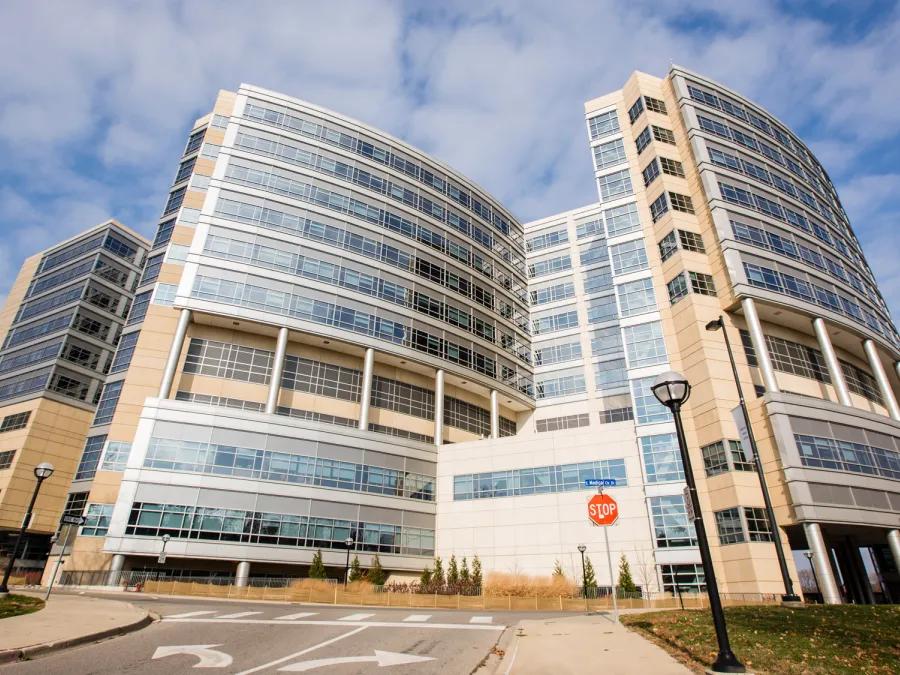
Opportunities for Excellence
The Department of Pediatrics includes 17 clinical divisions and over 300 faculty members. Join our dynamic team dedicated to advancing pediatric care, education and research.
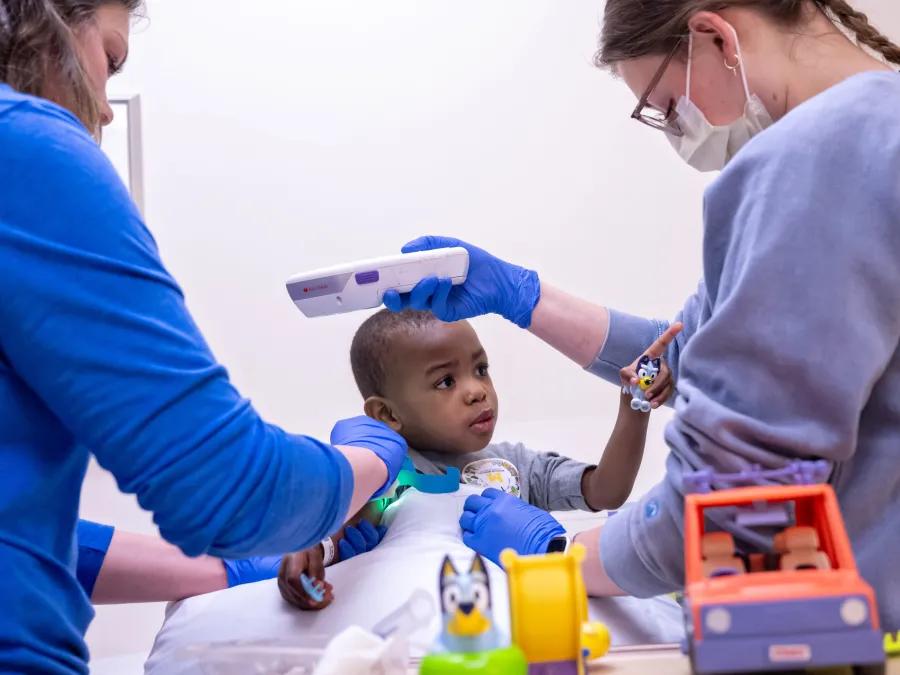
Your Gift is Invaluable
Your gift can help our pediatricians provide the highest-quality care for children while contributing to significant advances in patient care, research, and education.
Division Leadership

Lauren O'Connell, MD, MSc
Division Director of Behavioral and Developmental Pediatrics
Medical School
Featured News & Stories
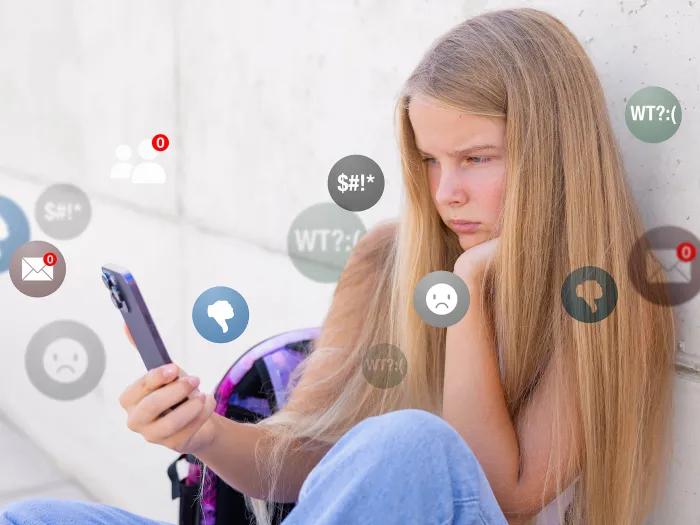
How to improve mental health safety on social media – not just for young people

ADHD and School
When should teens get cell phones?

When should your teen get a cell phone? 5 things to consider

Eight U-M teams picked for virtual tournament of science