-
Adolescent Medicine -
Developmental Behavioral Pediatrics -
General Pediatrics -
Neonatal-Perinatal Medicine -
Pediatric Cardiology -
Pediatric Critical Care Medicine -
Pediatric Endocrinology -
Pediatric Gastroenterology -
Pediatric Genetics, Metabolism & Genomic Medicine -
Pediatric Hematology | Oncology -
Pediatric Hospital Medicine -
Pediatric Infectious Diseases -
Pediatric Nephrology -
Pediatric Neurology -
Pediatric Psychology -
Pediatric Pulmonology -
Pediatric Rheumatology
Pediatric Psychology
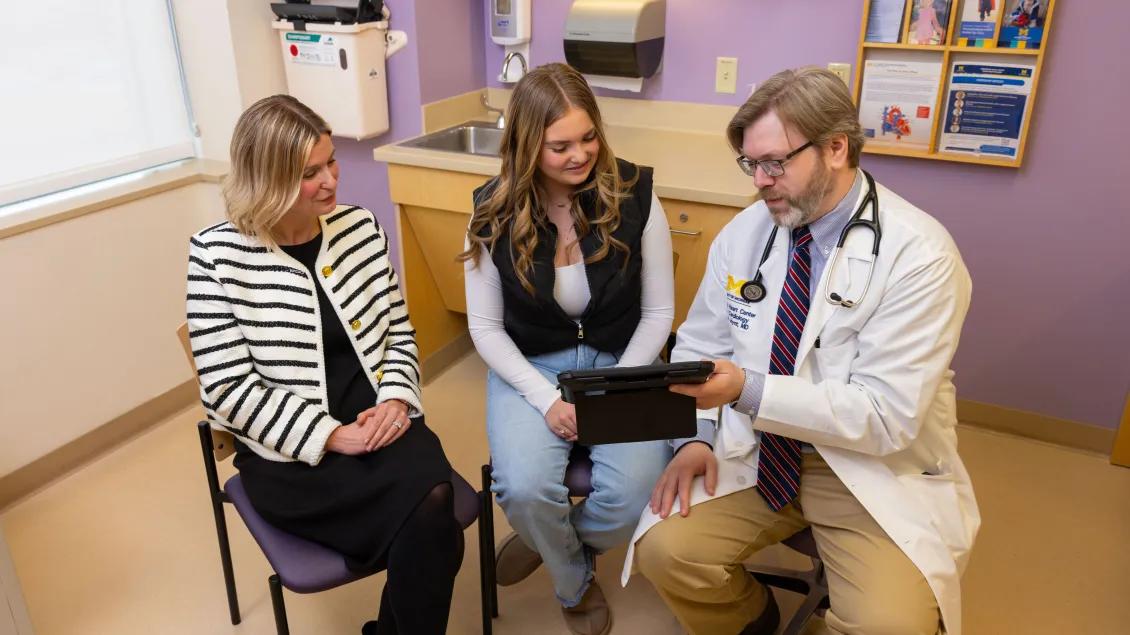
Division of Pediatric Psychology
Improving health outcomes for children through integrated pediatric psychology care, research and training.
The U-M Medical School Department of Pediatrics Division of Pediatric Psychology encompasses 20+ psychologists who are integrated within medical teams to maximize the overall health children, adolescents, young adults and their families using principles of behavioral science. Our division has a tripartite mission: clinical care, research and education.
Clinical Care
We provide comprehensive evaluation and treatment for children and adolescents who have problems with growth, development, behavior, or adaptation to illness. Behavioral and mental health services for children and adolescents are available through several programs at C.S. Mott Children’s Hospital.
Education
The Pediatric Psychology Training Program offers advanced education in the science of pediatric psychology and the integration of research and clinical service in a pediatric academic medical center. We offer training for undergraduate students, medical students, and medical residents, in addition to providing training to practicing pediatricians at the postdoctoral fellowship, predoctoral intern and advanced practicum placement levels.
Research
The Division of Pediatric Psychology is dedicated to advancing knowledge at the intersection of development, behavior and health. Our faculty engage in innovative, collaborative research aimed at improving the well-being of children and families facing diverse health challenges.
Major Research Themes
- Eating/Feeding Behavior and Obesity: Investigating parent-driven intervention programs, feeding skill acquisition and behavioral weight management for children and youth
- Sleep Disorders: Studying sleep issues in children with chronic illnesses, strategies to enhance adherence to sleep treatments and the interplay between sleep and health outcomes
- Chronic Illness Management: Developing and evaluating interventions to improve self-management, treatment adherence and the transition from pediatric to adult care in conditions such as cystic fibrosis, congenital heart disease, diabetes and solid organ transplantation
- Developmental and Behavioral Health: Promoting neuroprotective care in infants, supporting hospitalized children and their families and improving psychosocial outcomes, including for those with complex medical needs or pain
- Differences of Sex Development (DSD): Advancing understanding of the psychosocial and quality-of-life impacts for children with DSD and developing national standards for care and shared decision-making.
- Pain Management: Early identification and intervention for children at risk of chronic pain, with a focus on multidisciplinary treatment approaches
- Health-Related Quality of Life: Investigating the factors that support resilience, mental health and overall well-being in pediatric patient populations
Our research is funded by agencies such as the National Institutes of Health, Patient-Centered Outcomes Research Institute (PCORI), the American Heart Association, the Cystic Fibrosis Foundation, private foundations and internal University of Michigan grants.
#1 Children's Hospital in Michigan
We are nationally ranked for Pediatric Adolescent & Behavioral Health.
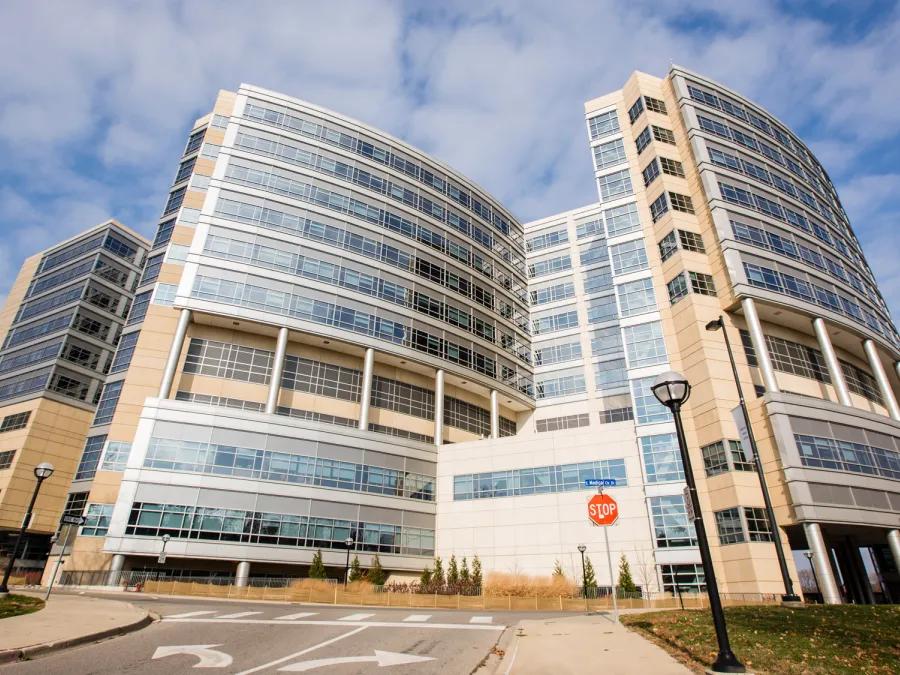
Opportunities for Excellence
The Department of Pediatrics includes 17 clinical divisions and over 300 faculty members. Join our dynamic team dedicated to advancing pediatric care, education and research.
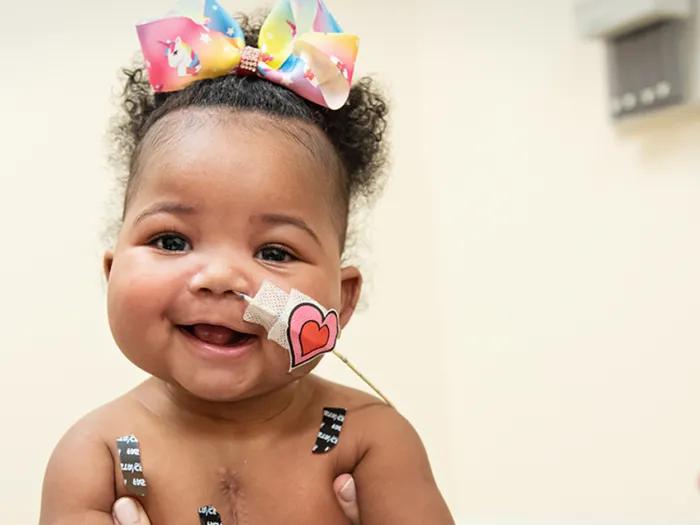
Your Gift is Invaluable
Your gift can help our faculty provide the highest-quality care for children while contributing to significant advances in patient care, research, and education.
Division Leadership
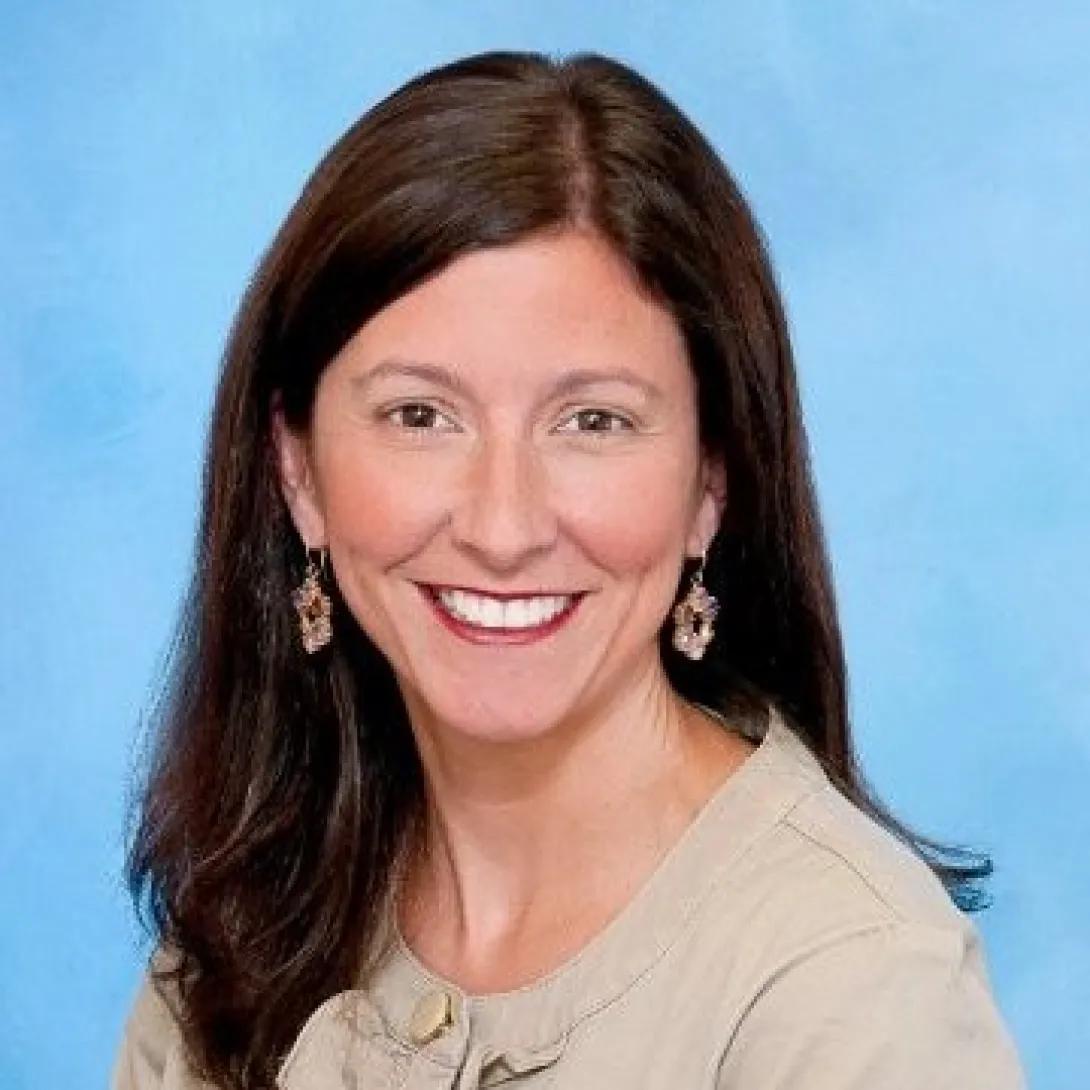
Emily M Fredericks, PhD
Division Director, Pediatric-Psychology
Medical School
Featured News & Stories

2026 Division of Pediatric Psychology Awards of Excellence
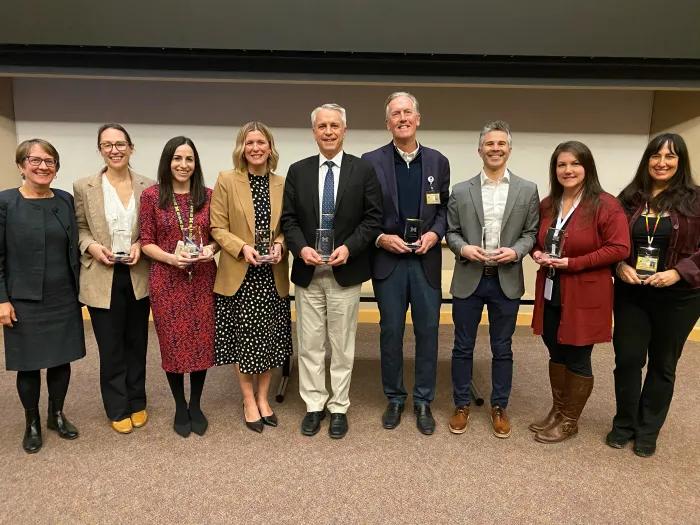
2025 Department of Pediatric Chair's Awards Program
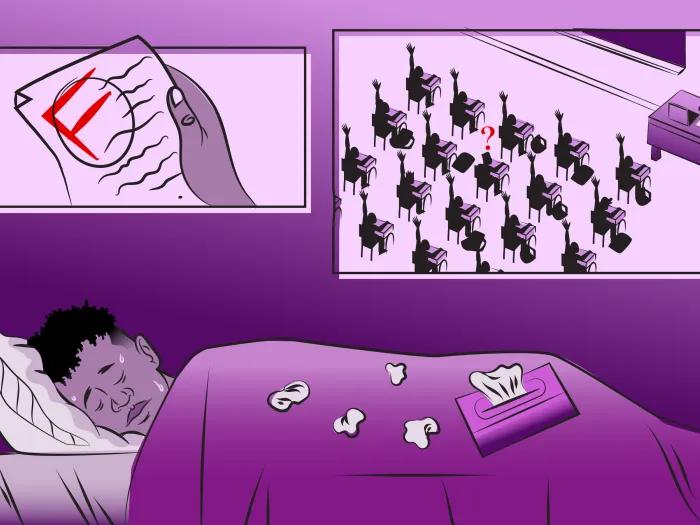
2 in 3 parents say their adolescent or teen worries about how sick days may impact grades

Antidepressant dispensing to adolescents and young adults surges during pandemic
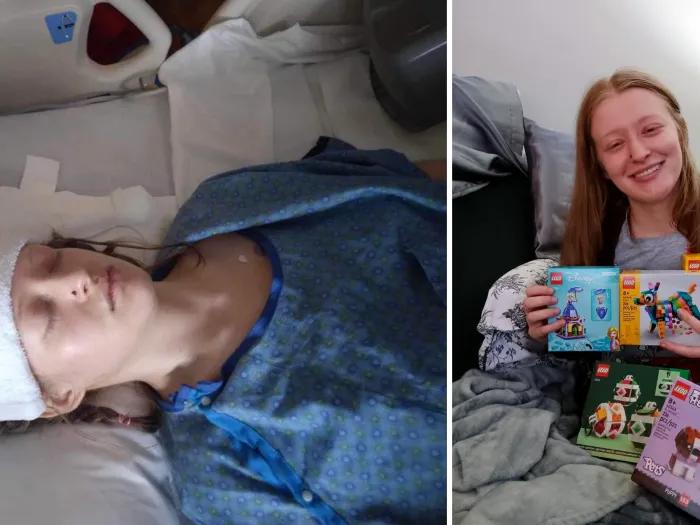
Life-changing results for young woman after orange-sized brain tumor removed