
-
Medical Student Programs -
Pediatric Residency -
Child Neurology Residency -
Medical Genetics Residency -
Fellowships -
Adolescent Medicine -
Developmental Behavioral Pediatrics -
Medical Biochemical Genetics -
Neonatal-Perinatal -
Pediatric Cardiology -
Pediatric Critical Care Medicine -
Pediatric Endocrinology -
Pediatric Gastroenterology -
Pediatric Hematology & Oncology -
Pediatric Hospital Medicine -
Pediatric Infectious Diseases -
Pediatric Nephrology -
Pediatric Pulmonary -
Pediatric Rheumatology -
Pediatric Psychology
-
-
Advanced Training Programs -
Facilities & Spaces
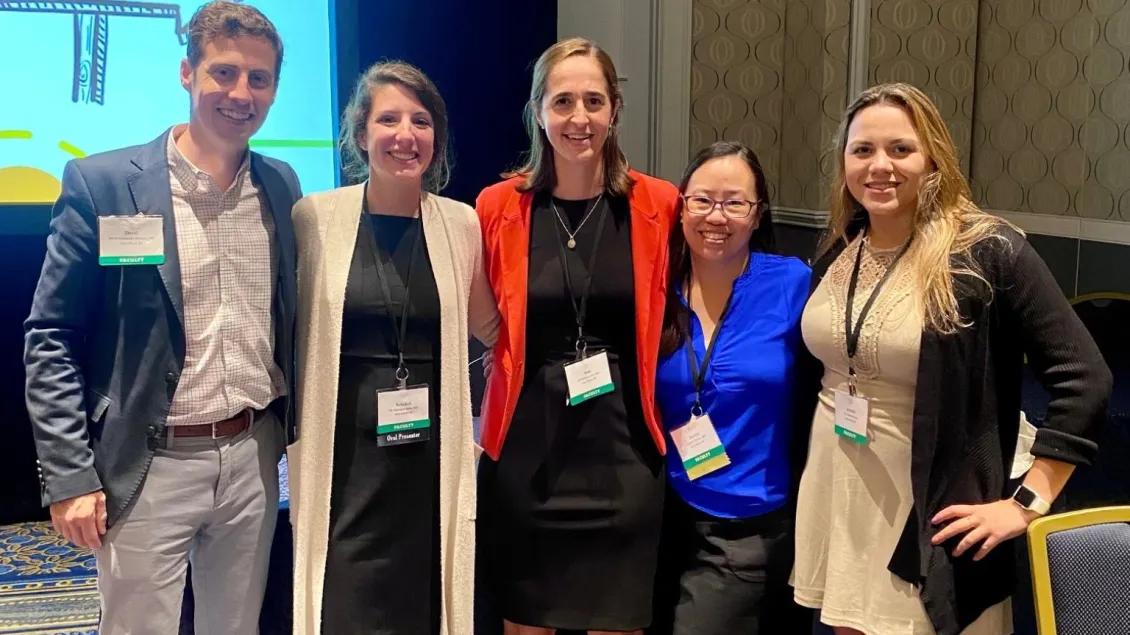
Pediatric Hospital Medicine Fellowship
The mission of the U-M Medical School Department of Pediatrics' Pediatric Hospital Medicine Fellowship Program is to train fellows to become leaders within the field of Pediatric Hospital Medicine.
The Pediatric Hospital Medicine Fellowship at C.S. Mott Children’s Hospital is an ACGME-accredited program designed to train future academic pediatric hospitalists who will lead in the care of hospitalized children.
For More Information
Mission Statement & Aims
Our fellowship combines high-quality clinical training with a strong foundation in medical education, research, and quality improvement.
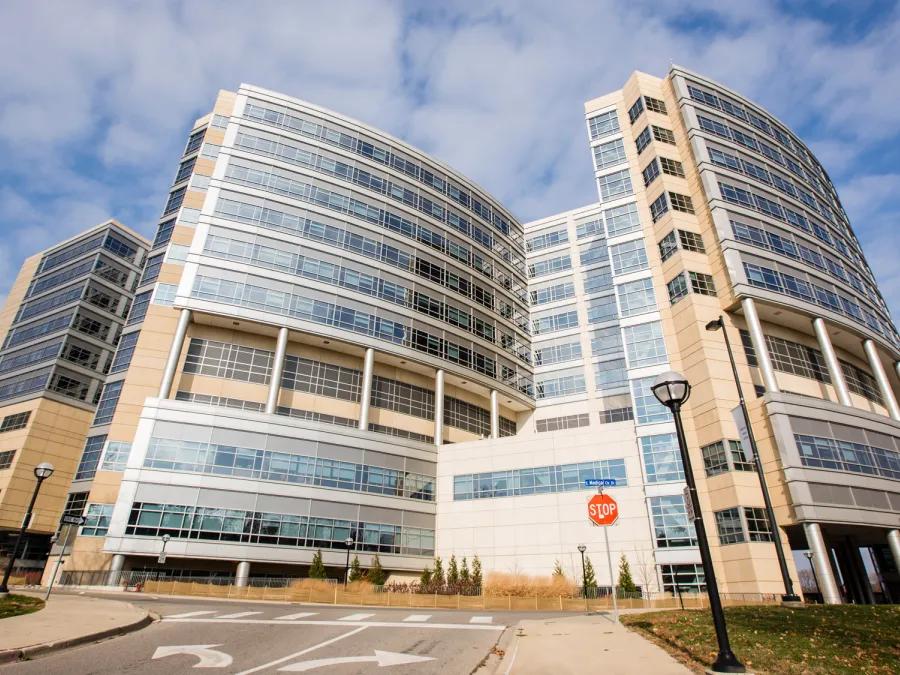
Fellows gain the skills needed to provide exceptional care for all hospitalized children—including those with complex medical needs and acute illnesses—through a robust two-year curriculum. Most training occurs at C.S. Mott Children’s Hospital, a leading tertiary care center that serves both the local Ann Arbor community and children across Michigan and the Midwest who require specialized care.
Working closely with expert Pediatric Hospital Medicine faculty, fellows develop mastery in clinical care, education, and scholarship, aligning with Michigan Medicine’s mission to advance health through discovery, leadership, and education.
Our program equips fellows not only to provide outstanding patient care but also to shape the future of pediatric hospital medicine.
Program Overview
Our two-year fellowship is designed to meet all ACGME requirements while allowing fellows to tailor their training through an individualized curriculum that supports their career goals. Upon completion, graduates are eligible to sit for the American Board of Pediatrics Pediatric Hospital Medicine certification exam.
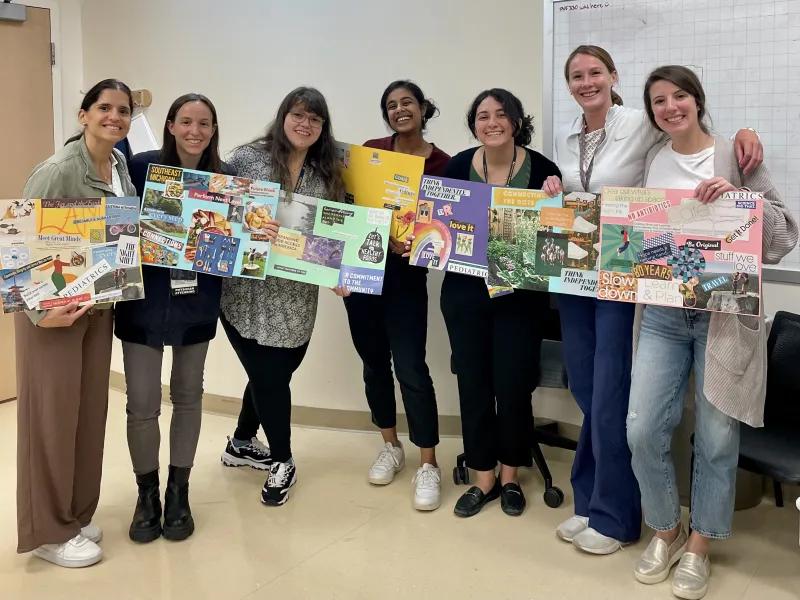
The schedule is organized into 13 four-week blocks per year. Fellows are not required to take 24-hour call. In the second year, fellows have expanded opportunities for electives and scholarly work, enabling them to pursue projects and experiences aligned with their professional aspirations.
We are committed to preparing fellows to become outstanding, well-rounded Pediatric Hospitalists—clinician-leaders, educators, researchers, and advocates—equipped to innovate, advance the field of hospital medicine, and improve the care of hospitalized children.
Curriculum & Training
- Pediatric Hospital Medicine Service
- Community Hospital Medicine
- Critical Care
- Newborn Service
- Nights
- Complex Care Selective
- Electives
- Hospital Medicine Potpourri
Over the course of fellowship, each fellow completes an independent research project relevant to Pediatric Hospital Medicine. This process includes developing a research question, designing and conducting a study, analyzing results, and sharing findings through presentation and publication. Fellows are expected to present their work at a local, regional, or national meeting, submit it to a peer-reviewed journal, and showcase their progress annually at the University of Michigan Pediatric Research Symposium. Fellows benefit from eight months of protected research time over the two-year program.
Research training is supported by weekly PHM Core Curriculum Conferences and monthly PHM Research Meetings. Within the first three months, fellows select a research mentor and meet regularly—at least quarterly—for individualized guidance. Each fellow also receives structured feedback and oversight from a Scholarly Oversight Committee (SOC), ensuring steady progress from project development to publication.
In addition to direct mentorship from Pediatric Hospital Medicine faculty, fellows have access to the University of Michigan’s extensive research community. Resources such as the Child Health Evaluation and Research (CHEAR) Center provide collaborative opportunities, while intramural grants are available to support trainee-led projects.
Faculty interests span clinical investigation, health services research, quality improvement, and medical education, providing a wide range of potential projects.
In addition to research, all fellows complete a longitudinal Quality Improvement (QI) project. During the first year, fellows participate in QI-related committee meetings—including the Patient Safety Committee, Quality and Safety Committee, and Safety Event Triage Team. These experiences provide insight into systems-based practice and patient safety.
With support from the leadership, fellows identify safety events, conduct root-cause analyses, design and implement practice changes, and present their findings at the Department of Pediatrics Morbidity and Mortality Grand Rounds.
Formal QI training is further supported through the Institute for Healthcare Improvement (IHI) Open School modules, equipping fellows with the tools needed to design, carry out, and evaluate impactful QI initiatives.
Year One:
- Inpatient Hospital Medicine Service (2 1/2 blocks)
- Community Hospital Medicine (1 block)
- Emergency Department (1/2 block)
- Critical Care Selective (1/2 block)
- Newborn Service (1/2 block)
- Complex and Palliative Care (1 block)
- Electives (2 blocks)
- Hospital Medicine Potpourri (1 block)
- Scholarship/Research (3 blocks)
- Vacation (1 block)
Year Two:
- Inpatient Hospital Medicine Service (2 1/2 blocks)
- Pediatric Hospital Medicine Selective (1/2 block)
- Community Hospital Medicine (1/2 block)
- Electives (3 blocks)
- Hospital Medicine Potpourri (1/2 block)
- Scholarship/Research (5 blocks)
- Vacation (1 block)
Salary & Benefits
We offer highly competitive salaries and generous benefits to our residents, fellows, and advanced trainees. Trainee salary will be commensurate with that of a House Officer at an equivalent level of training based on the HOA contract.
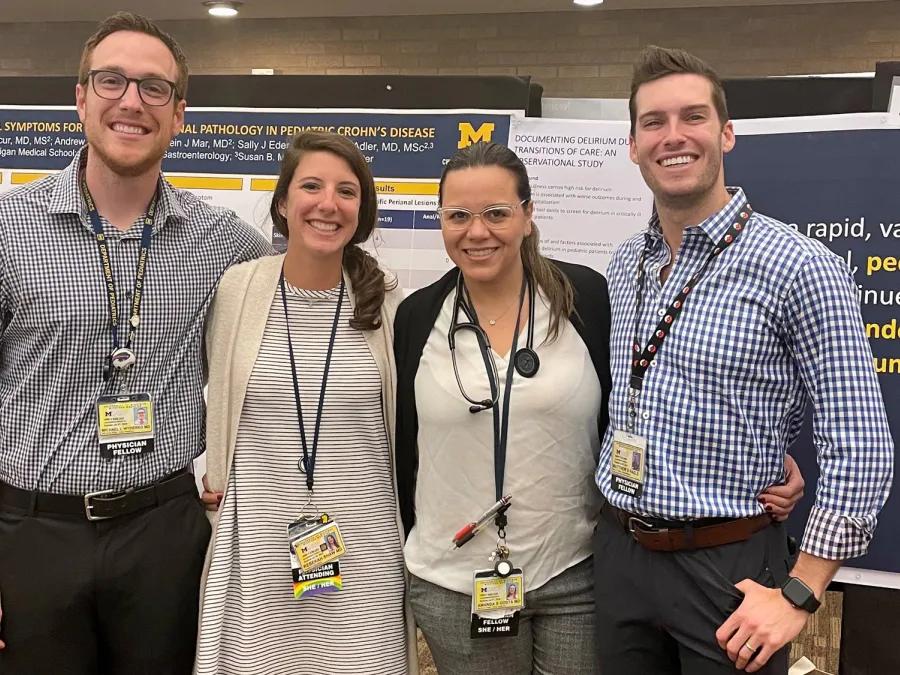
Current Fellows
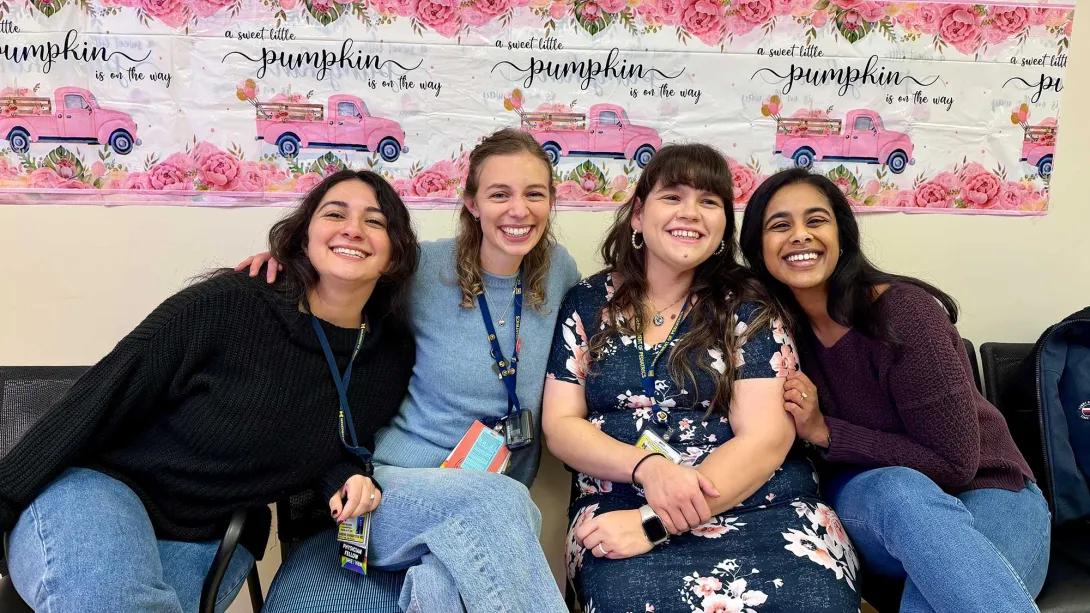
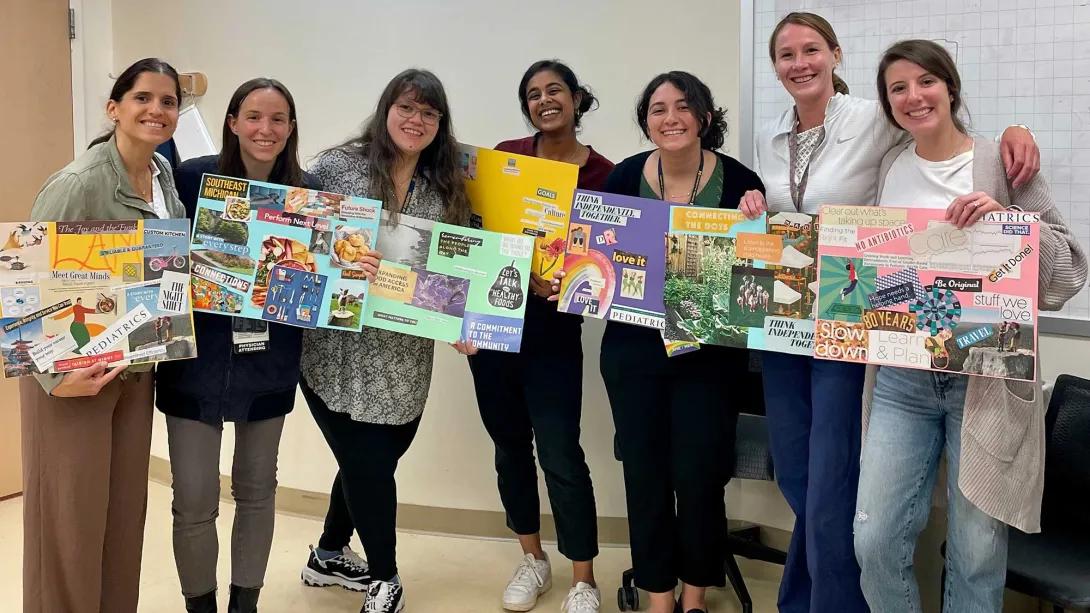
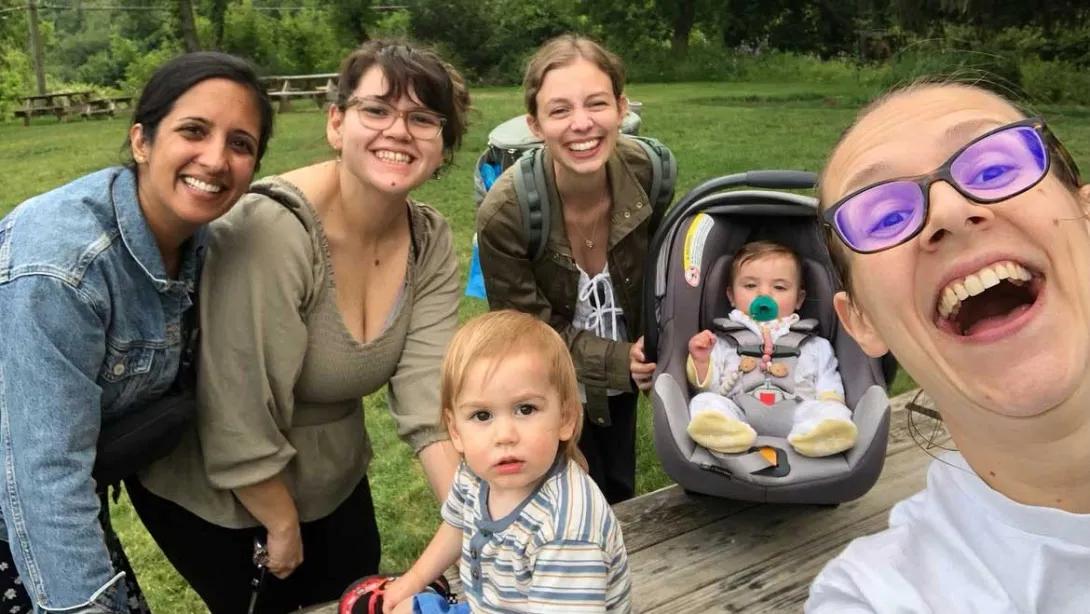
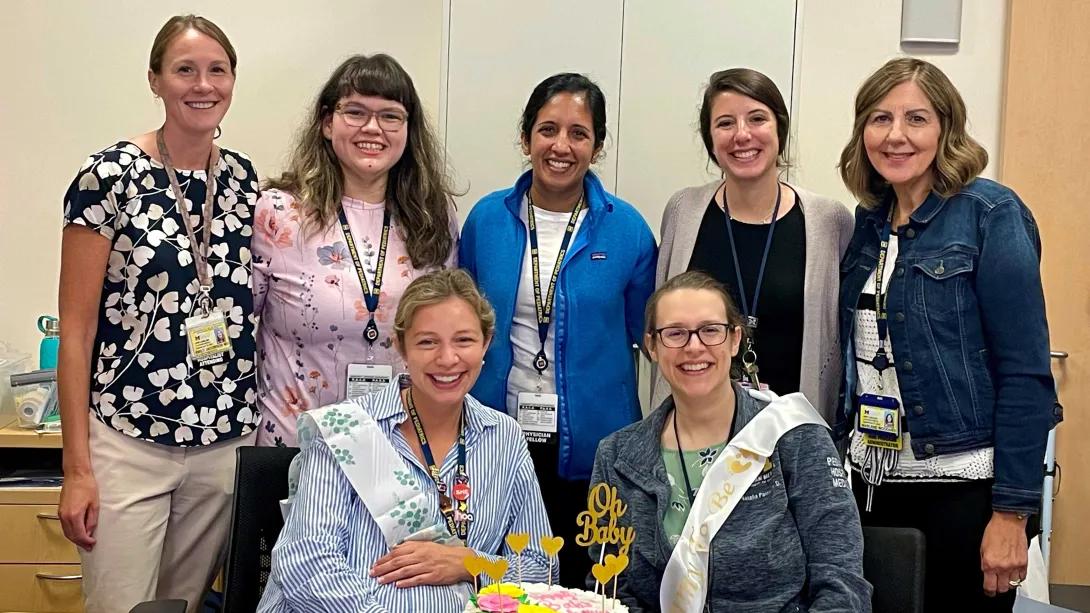
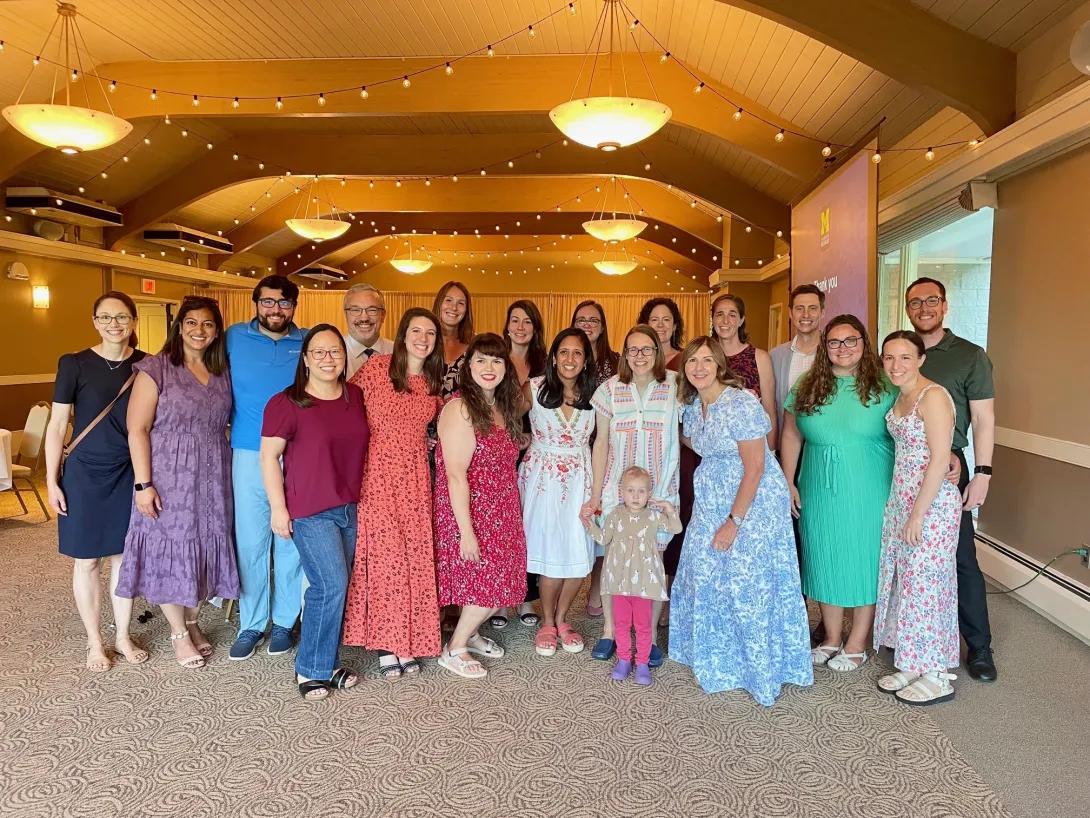
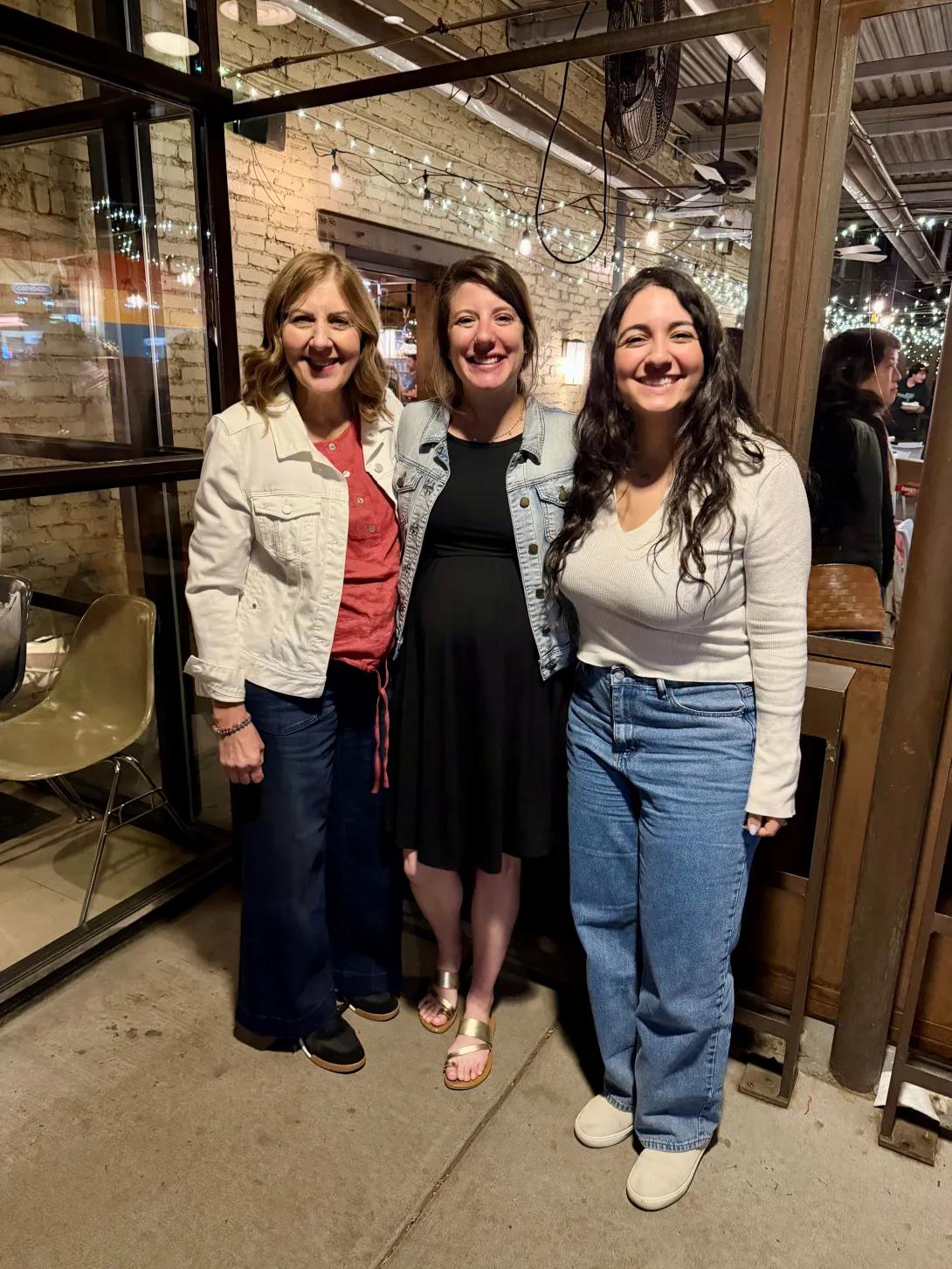
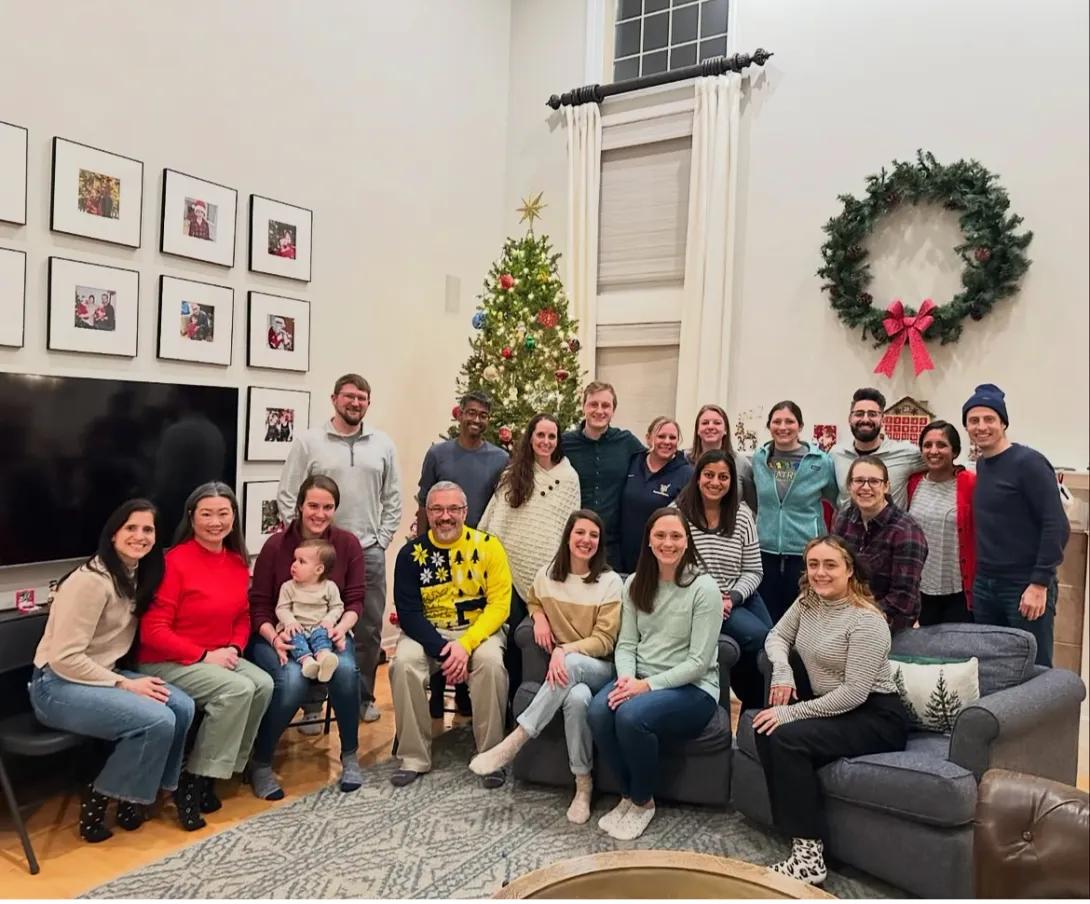
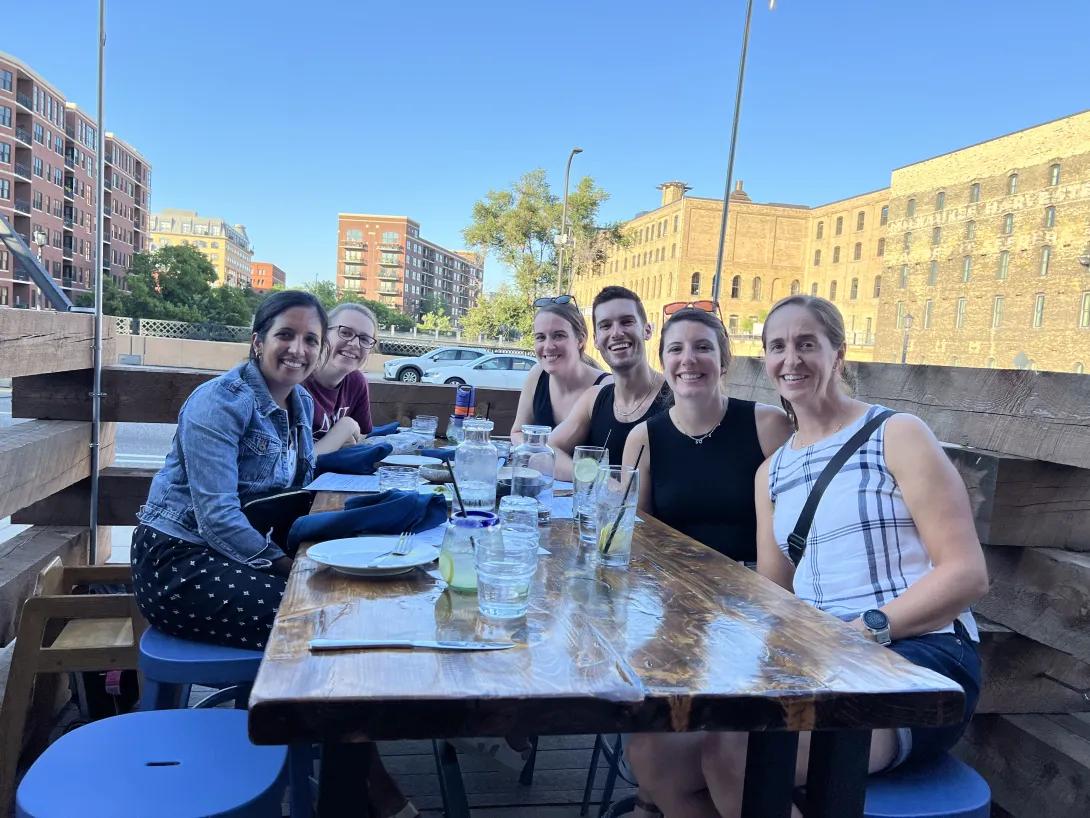
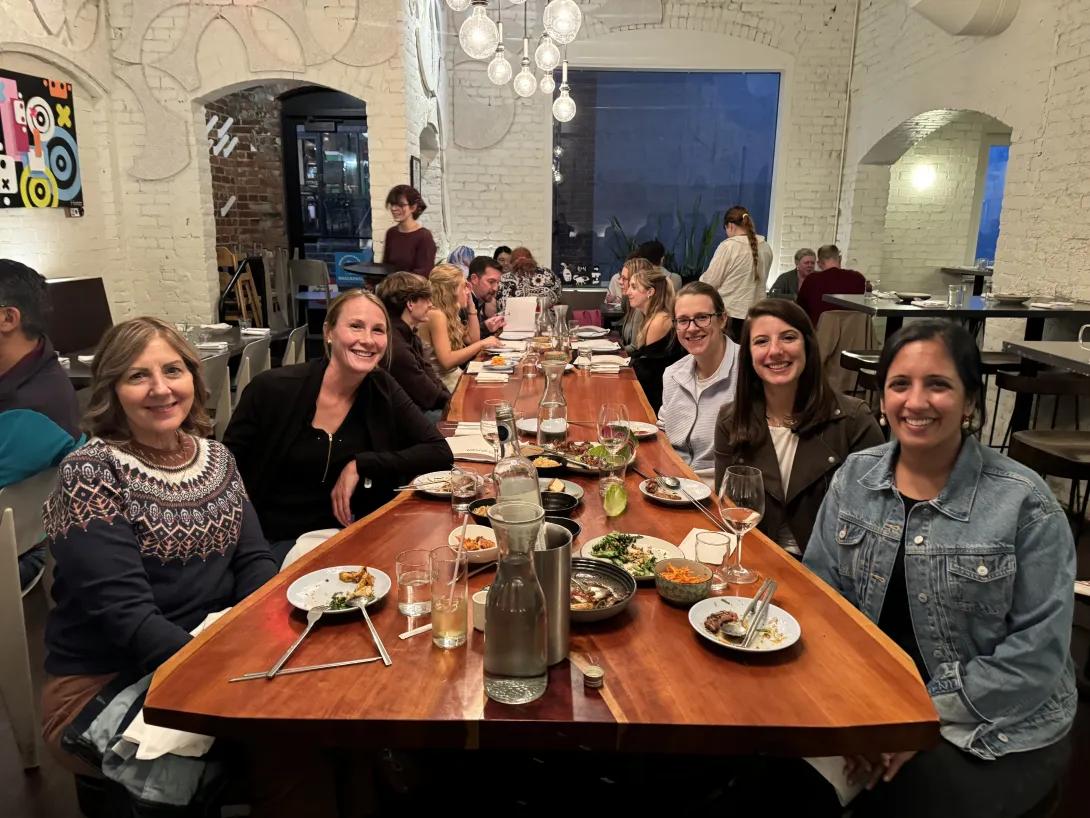
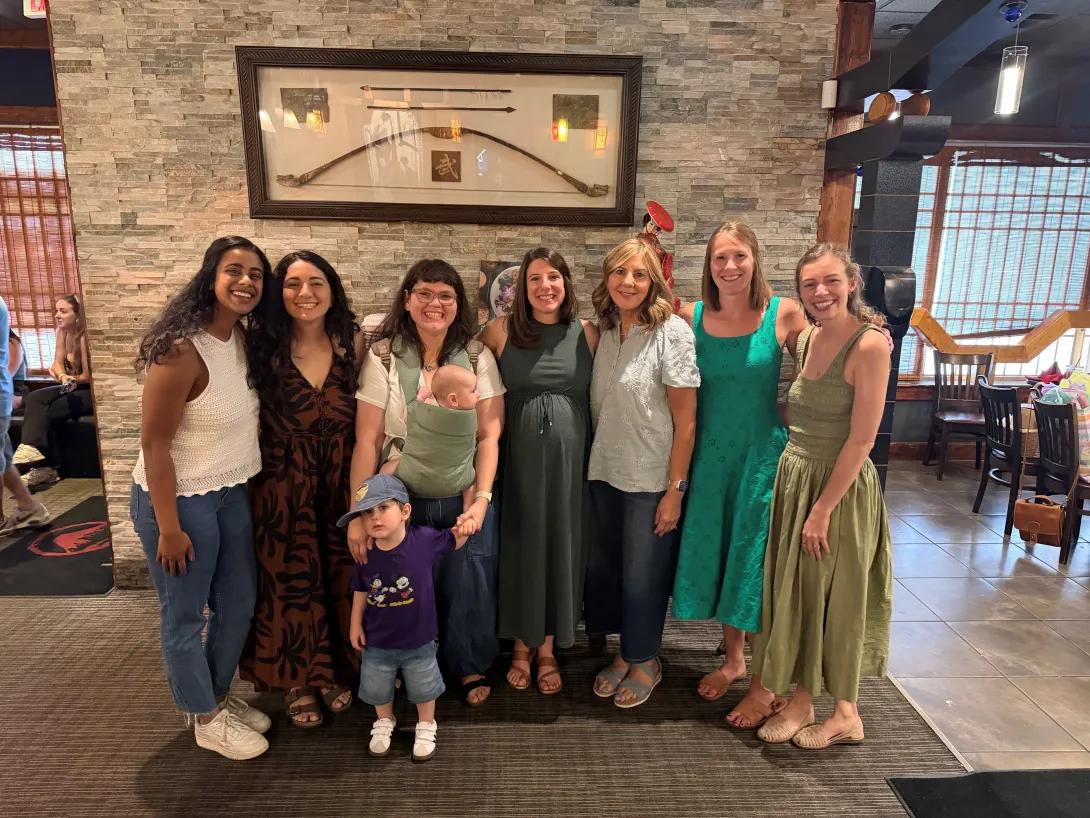
Meet our current Pediatric Hospital Medicine trainees. We emphasize teamwork, excellence, and leadership while preparing our fellows with resources to be successful in their careers.
Our Community

Program Leadership
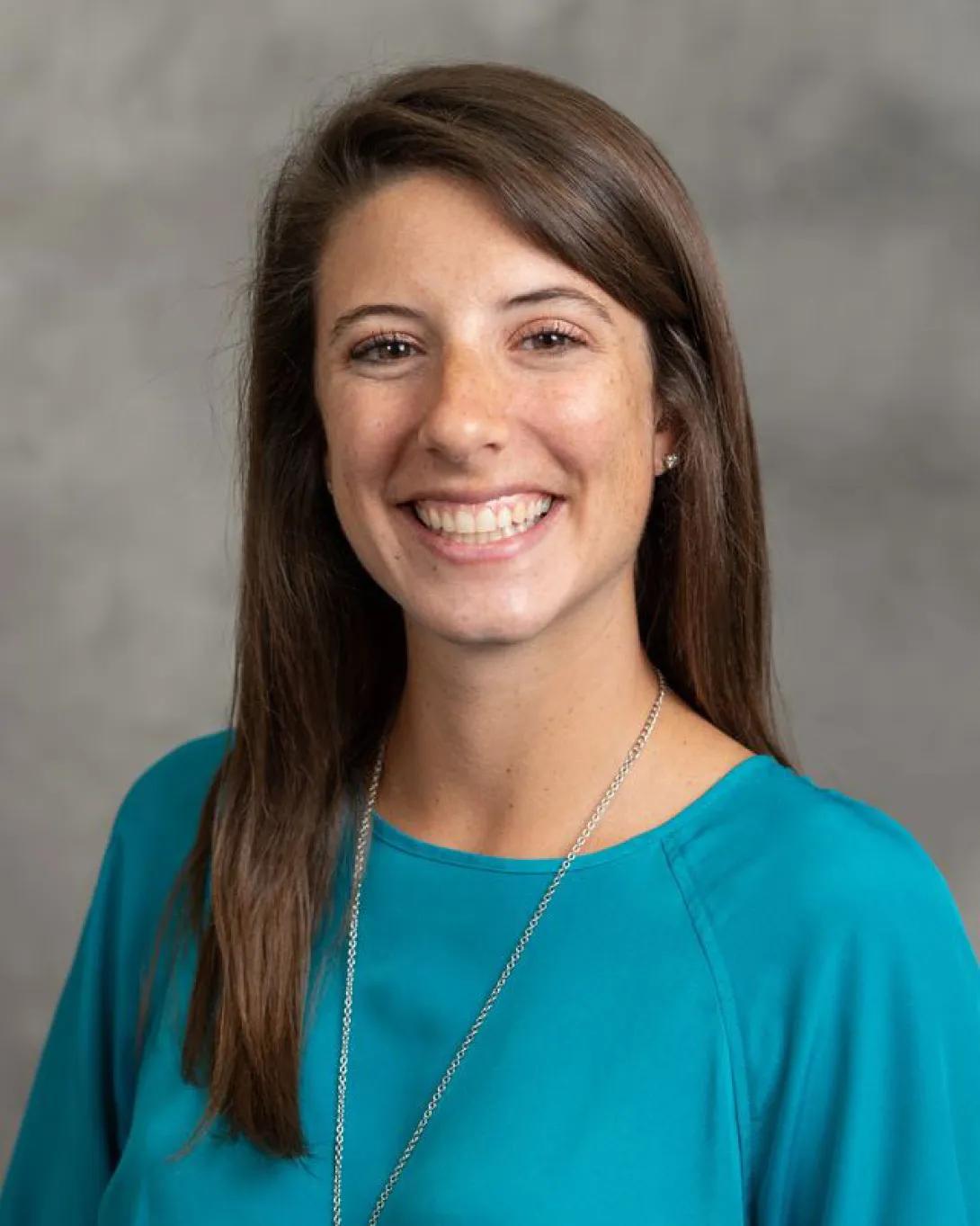
Rebekah Shaw, MD
Fellowship Program Director of Pediatric Hospital Medicine
Department of Pediatrics
Medical School
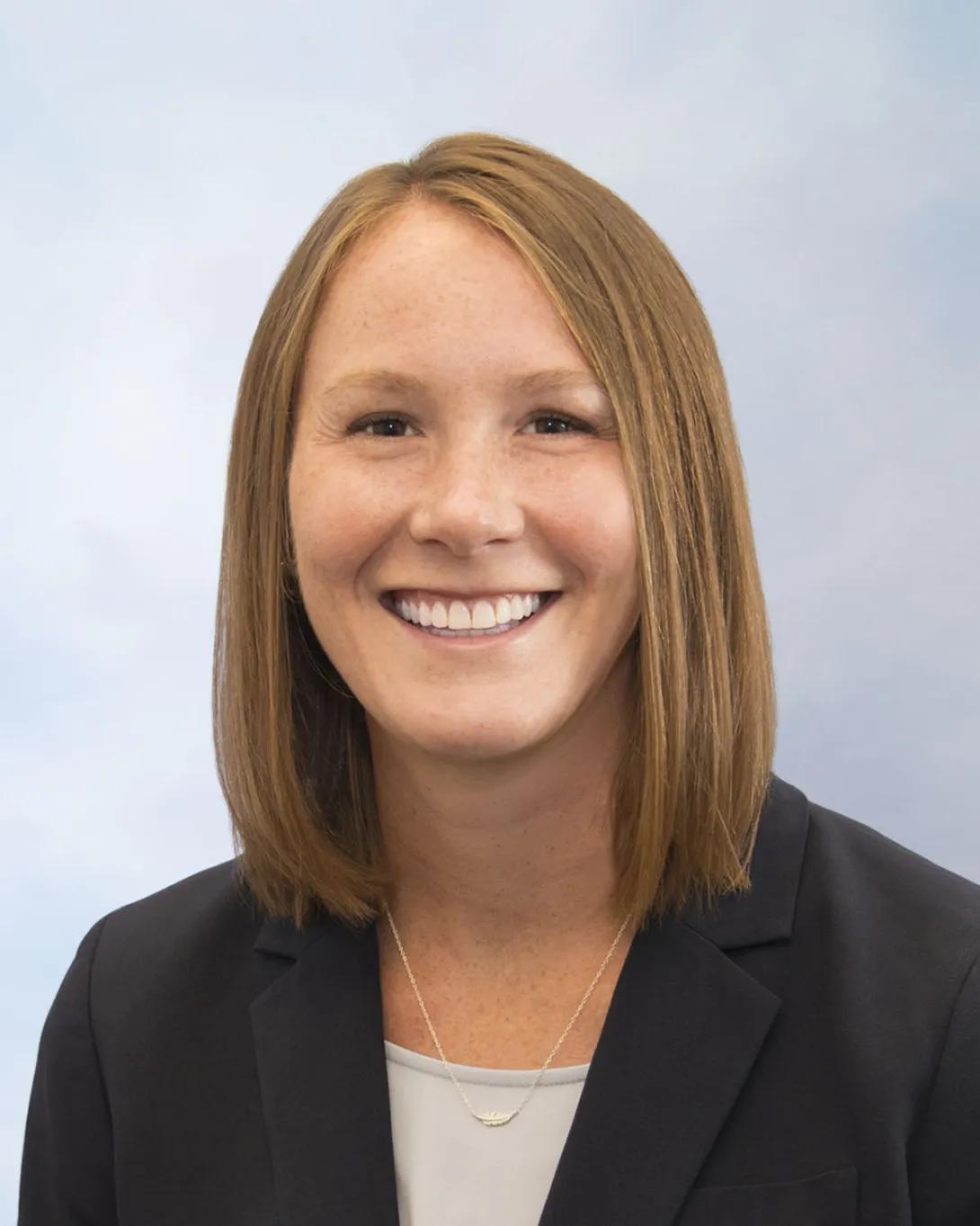
Emily Jacobson, MD
Clinical Assistant Professor of Pediatrics and Assistant Fellowship Program Director, Pediatrics, Medical School
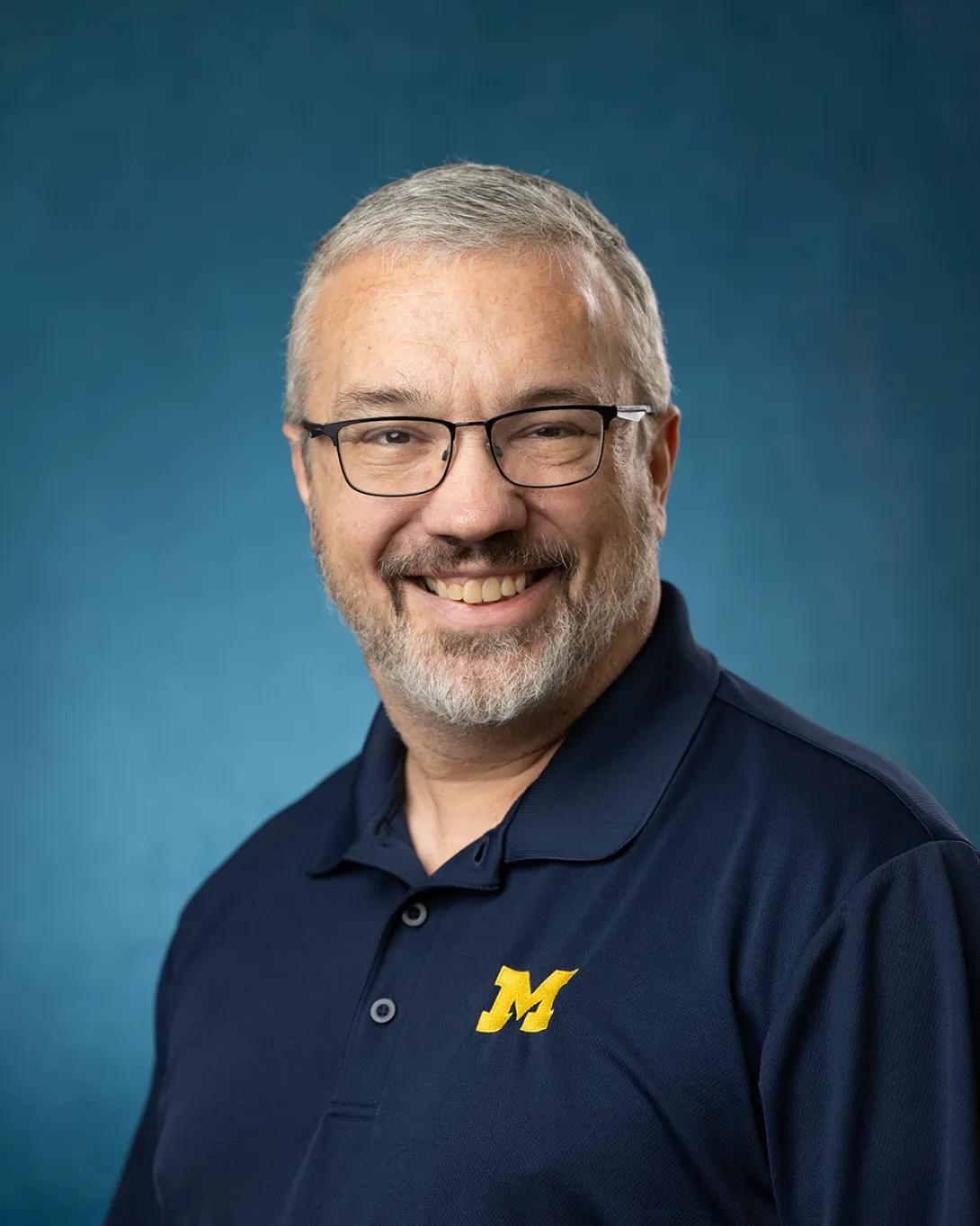
John Schmidt, MD
Residency Program Associate Director
Hospitalists
Medical School
Alexandria Ammons
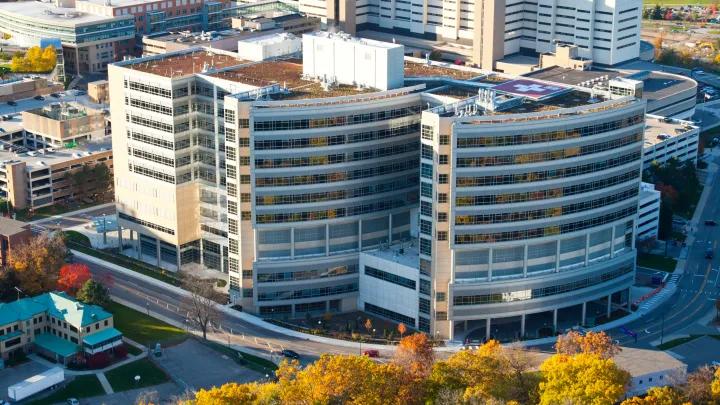
See Where Training Takes Place
The U-M Medical School campus offers numerous spaces dedicated to academic learning, research and clinical care, including specialty clinics, research labs and more. Each space and facility provides a collaborative and innovative environment for education, research and patient care.

Life in Ann Arbor
We find a new reason to love Ann Arbor nearly every day — year-round outdoor activities, cultural experiences, a growing food scene, and a welcoming, family-friendly atmosphere are just a few that come to mind. Explore all that Ann Arbor and our surrounding communities have to offer.
