
-
Medical Student Programs -
Pediatric Residency -
Child Neurology Residency -
Medical Genetics Residency -
Fellowships -
Adolescent Medicine -
Developmental Behavioral Pediatrics -
Medical Biochemical Genetics -
Neonatal-Perinatal -
Pediatric Cardiology -
Pediatric Critical Care Medicine -
Pediatric Endocrinology -
Pediatric Gastroenterology -
Pediatric Hematology & Oncology -
Pediatric Hospital Medicine -
Pediatric Infectious Diseases -
Pediatric Nephrology -
Pediatric Pulmonary -
Pediatric Rheumatology -
Pediatric Psychology
-
-
Advanced Training Programs -
Facilities & Spaces
Pediatric Gastroenterology Fellowship
The U-M Medical School Department of Pediatrics' Pediatric Gastroenterology Fellowship provides excellent ACGME accredited clinical and research training.
The fellowship is a three-year program specifically directed toward individuals interested in pursuing academic careers or assuming leadership positions in clinical practice.
For More Information
During the first year, fellows in the program spend approximately four to five months on the inpatient clinical service and 3 months on the consult service. The remainder of the first year is spent in the outpatient clinics and developing an academic or research interest.
The second and third years concentrate on developing the skills and understanding necessary to become either a clinical scientist or a basic scientist, while also maintaining clinical skills through the regular fellows’ continuity clinic and one to two months on the inpatient and consult services.
The Pediatric Gastroenterology Division has an active inpatient and outpatient practice. Fellows follow their own continuity patients throughout their three years of training. The fellows' continuity clinic meets 1/2 day a week, typically on either Friday mornings or afternoons.
When not on inpatient service, fellows rotate through the quaternary care clinics (i.e., liver transplant, intestinal rehabilitation) as well as the faculty clinics. They have the option to participate in those clinics throughout the remainder of their fellowship.
Our Mission
The mission of the Pediatric Gastroenterology Fellowship Program is to develop physicians who excel in their clinical care, are effective educators and life-long learners, and are able to develop new knowledge (research) to improve patient care.
How to Apply
The division participates in the Pediatric Gastroenterology Fellowship match administered through the National Resident Match Program. All applications will be accepted through the ERAS website.
The Department of Pediatrics offers a Fellow Applicant Travel Scholarship Program for applicants interested in cell and molecular biology and health disparities research.
Applicants must submit the following required documents:
- 2 letters of recommendation from members of your faculty
- 1 letter of recommendation from your program director - Letters of recommendation must address medical knowledge and clinical skills
- Personal statement
- USMLE transcripts- Step I, Step II, and Step III scores
- Photograph
- CV
- ECFMG Transcripts, if applicable
We do not offer observerships, we do not sponsor any visas, and we do not accept H1 visas. Due to our funding sources, eligible candidates must be either a U.S. citizen or have permanent resident status (green card) in order to be considered for selection.
The Pediatric Gastroenterology Fellowship Match is a fall match. Additional information related to the fellowship match can be found at the NRMP match calendar.
To be considered, applicants should have completed three years of training in an accredited pediatric residency program by the time the fellowship begins. Applicants are notified regarding interviews after their completed application has been received through ERAS.
During the interview, our faculty, fellows and staff interview candidates to evaluate them on their preparedness, communication skills, motivation, integrity and aptitude, and also on their previous performance in rigorous residency programs based on the individual interview, evaluations, and other materials submitted by the applicant.
Program Highlights
- Transplant Hepatology Program: The Pediatric Gastroenterology Division currently has 3 transplant hepatologists. Our transplant volumes place us among the top 15 programs in the nation; the transplant outcomes are among the best in the country. In the State of Michigan, the U-M Medical School program is the largest, oldest, and most experienced liver transplant program. We have nationally recognized expertise in the study of adherence and transition for liver transplant recipients, and also are involved in multiple local and multi-center studies.
- Inflammatory Bowel Disease Program (IBD): Both quality improvement and population management are essential components of our IBD program. The division cares for approximately 650 IBD patients and is very active in the ImproveCareNow network (ICN), a multi-institutional QI program. Our attendings and fellows meet weekly to discuss our sickest IBD patients and their care plans along with having regular meetings with our Pediatric Surgery colleagues. Fellows also are engaged in a quality improvement curriculum and also in projects which help them learn how to improve our excellent IBD care.
- Intestinal Rehabilitation Program: The division follows patients with Short Bowel Syndrome and other types of intestinal failure, and has the largest and most active intestinal rehabilitation program within the state.
- Fellows’ Continuity Clinic: Pediatric GI fellows have their own weekly clinic with a panel of patients for whom they are the primary caregivers. They are closely supervised and have support in patient care to ensure the best possible outcomes.
- Longitudinal Procedure Days: Fellows receive frequent procedure exposure during their first year and continue to have regular procedure days throughout the remainder of their fellowship. We believe it critical to maintain procedural skills throughout the fellowship.
- Research: Fellows have abundant opportunities to pursue both clinical and bench research, and have protected research time in years 2 and 3. Their research is supported by the division and not dependent on external funding.
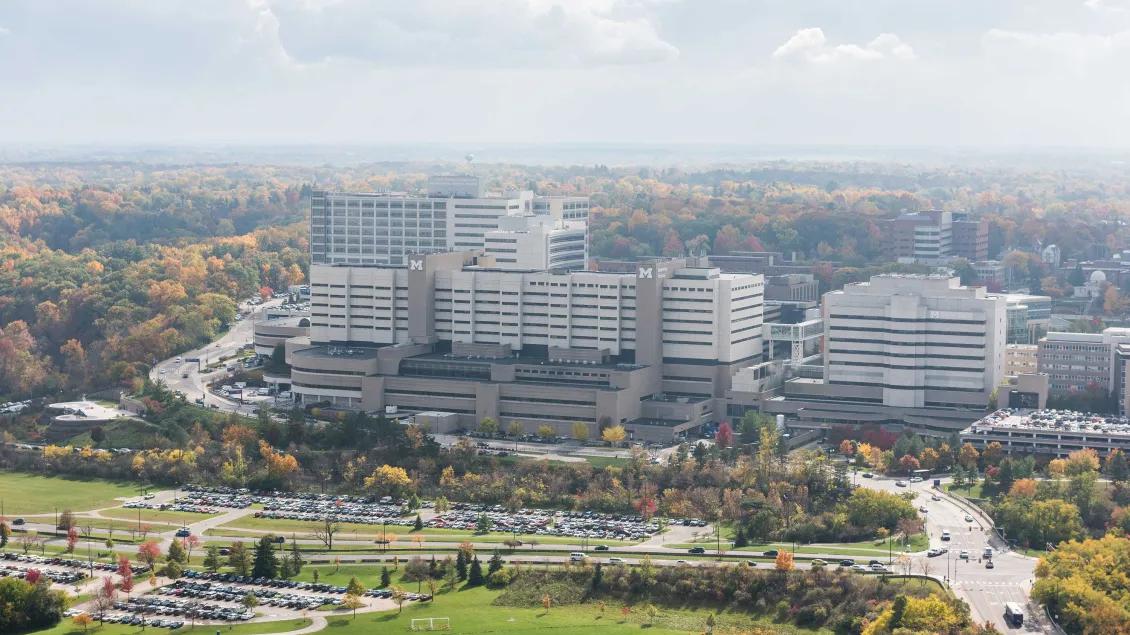
- C.S. Mott Children’s Hospital: The C.S. Mott Children’s Hospital in Ann Arbor forms the cornerstone for the majority of the Pediatric Gastroenterology division activities. First established in 1969, the current hospital is a 348 bed children’s hospital which opened in 2011. Mott is consistently ranked as one of the top children’s hospitals in the country by U.S. News & World Report and Parents magazine.
- U-M Medical School: The fellowship has the privilege of being associated with an outstanding medical center, a nationally ranked medical school, and a university which consistently ranks as one of the best in the world. This environment allows for unique clinical and intellectual collaboration opportunities with multiple areas of the university system.
- Ann Arbor: University of Michigan is located in Ann Arbor which has been highly ranked in multiple categories including “Best Places to Live,” “Best College Towns in America,” “Best College Towns for People Who Aren’t in College” and “Most Educated City in America” by USA Today, Forbes, Conde’ Nast Traveler, Fodor’s, and Business Insider.
- HOA membership: Fellows are automatically enrolled as members of the House Officer Association (HOA) which negotiates contracts for all house officers, including extremely competitive salaries and comprehensive employment benefits.
My attendings were excellent teachers and role models. They challenged me to think critically, be confident in my decision making, and embrace my role as a leader and educator while always reminding me that they are there to support me. I am so grateful to my Pediatric GI family, our patients and staff and could not have picked a better place to train.
Salary & Benefits
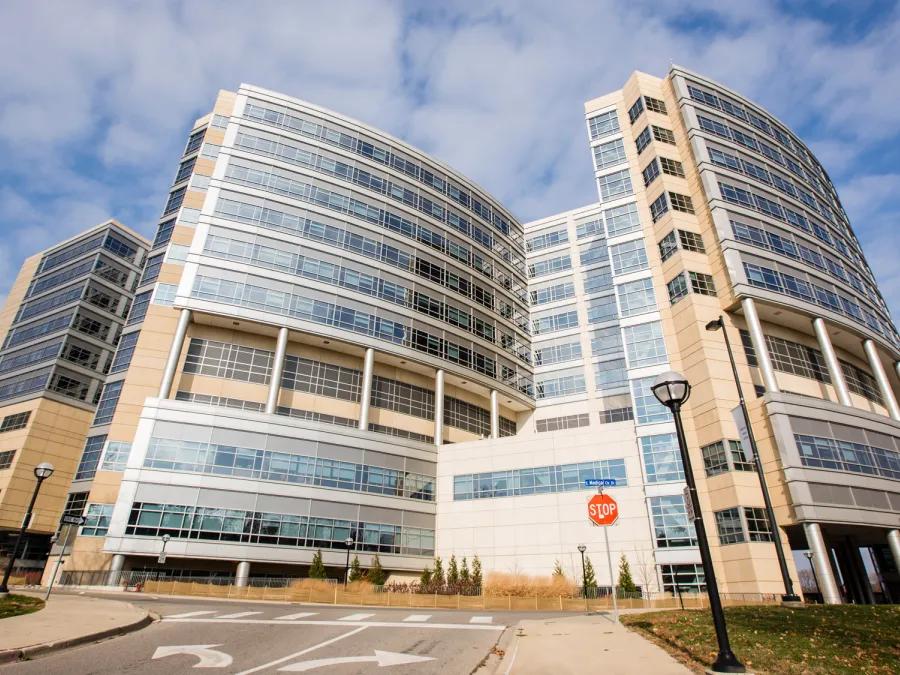
We offer highly competitive salaries and generous benefits to our residents, fellows, and advanced trainees. Trainee salary will be commensurate with that of a House Officer at an equivalent level of training based on the HOA contract.
Current Fellows
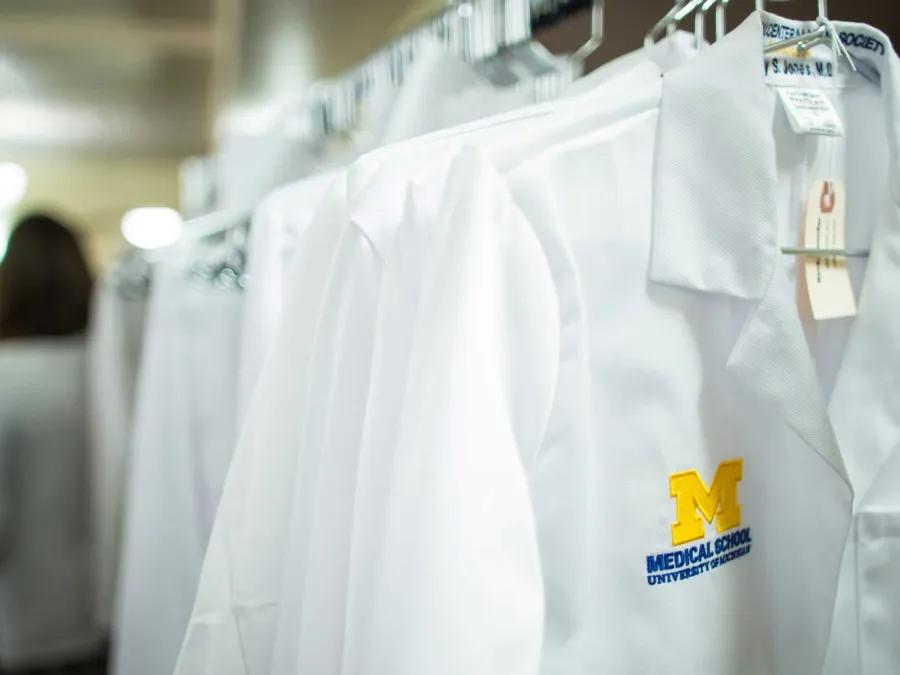
Meet our current trainees in Pediatric Gastroenterology. We emphasize teamwork, excellence, and leadership while preparing our fellows with resources to be successful in their careers.
Program Leadership
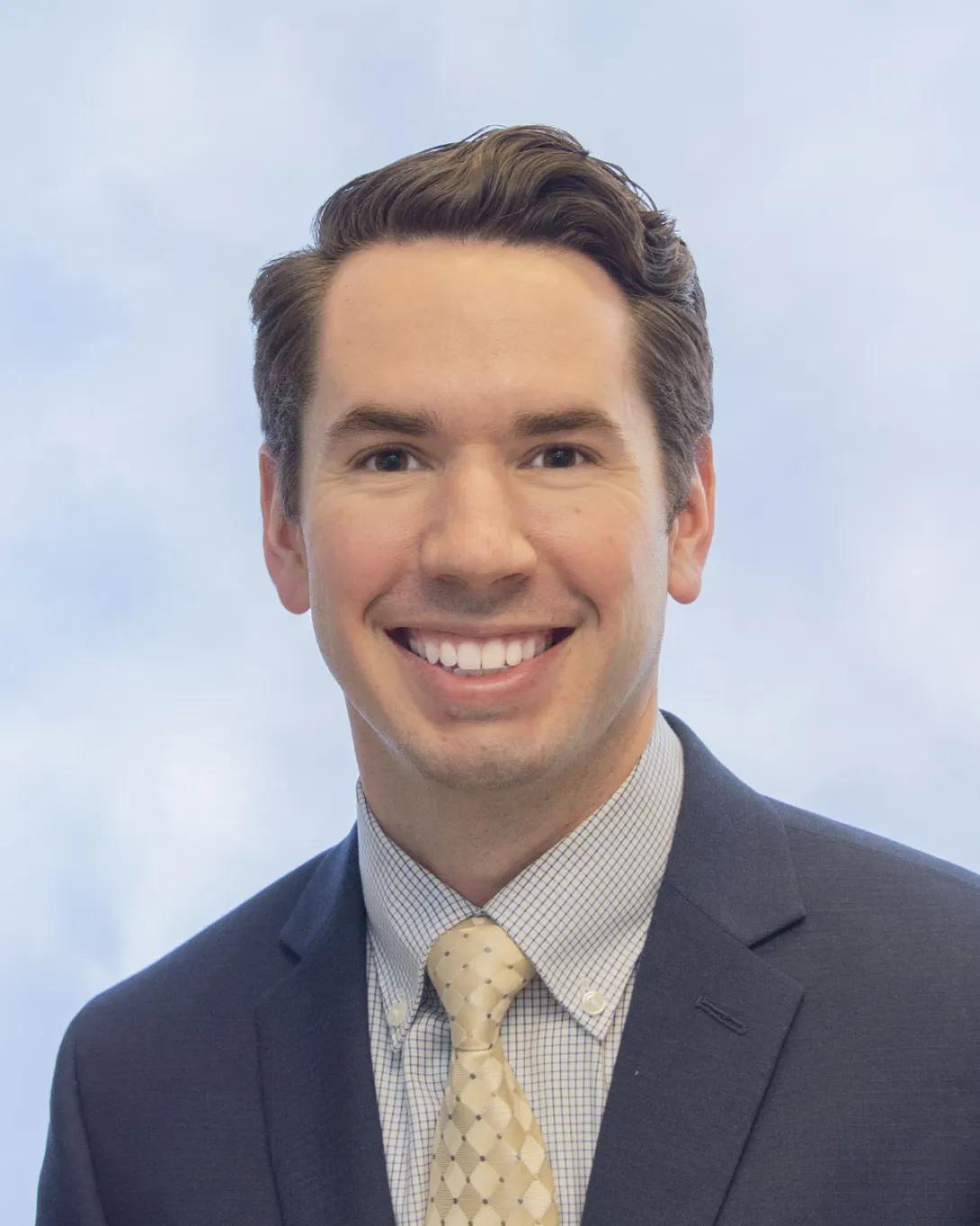
Andrew Singer, MD

Mary Kakritz
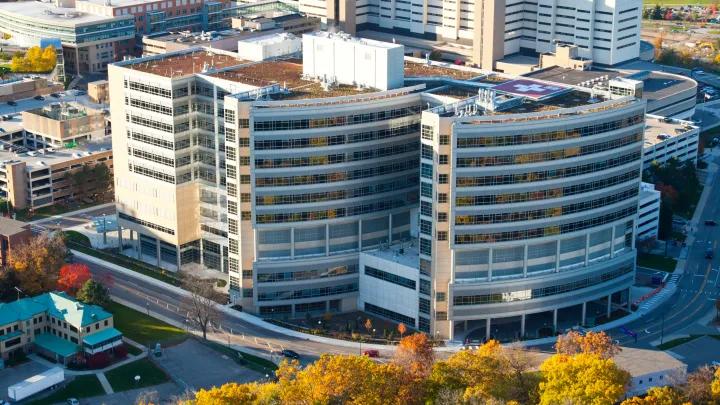
See Where Training Takes Place
The U-M Medical School campus offers numerous spaces dedicated to academic learning, research and clinical care, including specialty clinics, research labs and more. Each space and facility provides a collaborative and innovative environment for education, research and patient care.

Life in Ann Arbor
We find a new reason to love Ann Arbor nearly every day — year-round outdoor activities, cultural experiences, a growing food scene, and a welcoming, family-friendly atmosphere are just a few that come to mind. Explore all that Ann Arbor and our surrounding communities have to offer.
