
-
Medical Student Programs -
Pediatric Residency -
Child Neurology Residency -
Medical Genetics Residency -
Fellowships -
Adolescent Medicine -
Developmental Behavioral Pediatrics -
Medical Biochemical Genetics -
Neonatal-Perinatal -
Pediatric Cardiology -
Pediatric Critical Care Medicine -
Pediatric Endocrinology -
Pediatric Gastroenterology -
Pediatric Hematology & Oncology -
Pediatric Hospital Medicine -
Pediatric Infectious Diseases -
Pediatric Nephrology -
Pediatric Pulmonary -
Pediatric Rheumatology -
Pediatric Psychology
-
-
Advanced Training Programs -
Facilities & Spaces
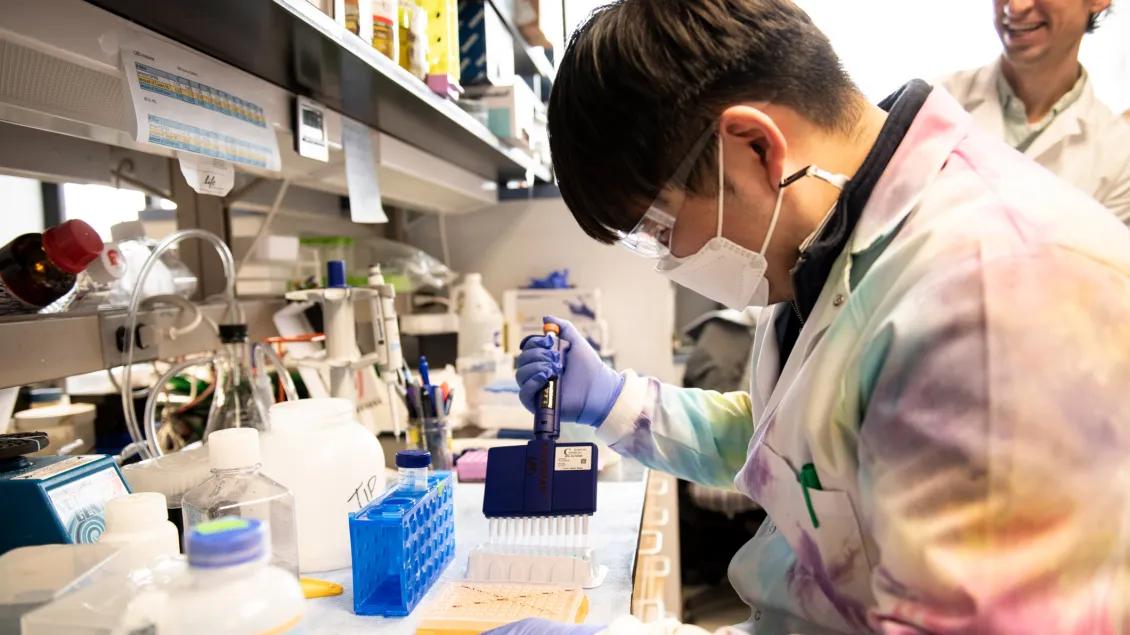
Pediatric Endocrinology T-32 Training Program
The U-M Medical School Department of Pediatrics Pediatric Endocrinology Training Program (PETP) provides 2 years of intensive postdoctoral research training for MD and PhD trainees in an individualized and closely mentored research training program designed to best fit each trainee’s skills and interests.
For the physician-scientist, this program will be integrated with the ongoing ACGME approved fellowship program to include a one-year intensive training in clinical pediatric endocrinology, which will be funded with non-NIH monies.
Program Overview
In order to provide outstanding mentorship for the trainees, the PETP will be actively supported by 11 established investigators from 7 different departments at the University of Michigan Medical School, 2 Research Centers housed at 2 Schools (School of Medicine and School of Public Health) and 2 independent, interdisciplinary research units (UM Office of Research, Molecular & Behavioral Neuroscience Institute), all with extensive research and mentoring experience within their respective areas of expertise.
Each trainee will be mentored by a clinical/basic dyad of mentors to provide a strong footing on hypothesis-driven translational research, centering on developmental origin of metabolic diseases. The emphasis is on disorders of glucose metabolism, neurobiology of eating behavior, and brain reward systems, and the impact of environmental endocrine disrupting chemicals and stress on metabolism.
The overarching goal is to foster academic careers that will improve children's health and thereby, the health of the population in the United States.
How to Apply
The Pediatric Endocrinology Fellowship Program accepts applications through the Electronic Residency Application Service (ERAS) starting in August of each year for a fellowship starting on July 1st of the following year.
Postdoctoral Fellowship Opportunity
Postdoctoral positions are available to study mechanisms leading to Developmental Origins of Metabolic Disorders. The candidate chooses mentors who are exploring possible mechanisms of metabolic dysfunction at a cellular and molecular, physiological, behavioral and/or clinical level in a developmental context.
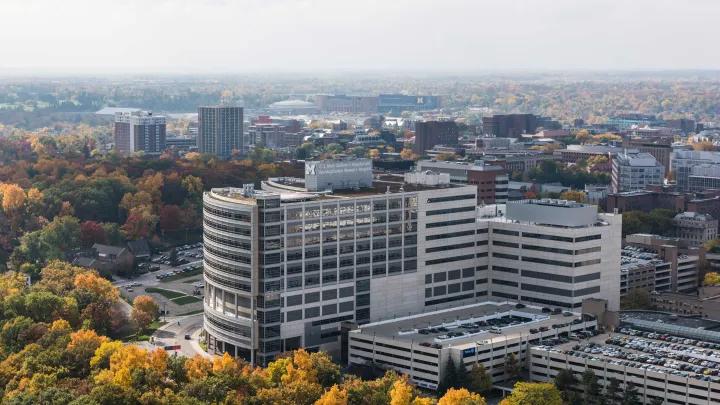
See Where Training Takes Place
The University of Michigan Medical School campus offers numerous spaces dedicated to academic learning, research and clinical care, including specialty clinics, research labs, lecture halls, and clinical simulation centers. Each space and facility provides a collaborative and innovative environment for education, research and patient care.

Life in Ann Arbor
We find a new reason to love Ann Arbor nearly every day — year-round outdoor activities, cultural experiences, a growing food scene, and a welcoming, family-friendly atmosphere are just a few that come to mind. Explore all that Ann Arbor and our surrounding communities have to offer.
