
-
Medical Student Programs -
Pediatric Residency -
Child Neurology Residency -
Medical Genetics Residency -
Fellowships -
Adolescent Medicine -
Developmental Behavioral Pediatrics -
Medical Biochemical Genetics -
Neonatal-Perinatal -
Pediatric Cardiology -
Pediatric Critical Care Medicine -
Pediatric Endocrinology -
Pediatric Gastroenterology -
Pediatric Hematology & Oncology -
Pediatric Hospital Medicine -
Pediatric Infectious Diseases -
Pediatric Nephrology -
Pediatric Pulmonary -
Pediatric Rheumatology -
Pediatric Psychology
-
-
Advanced Training Programs -
Facilities & Spaces
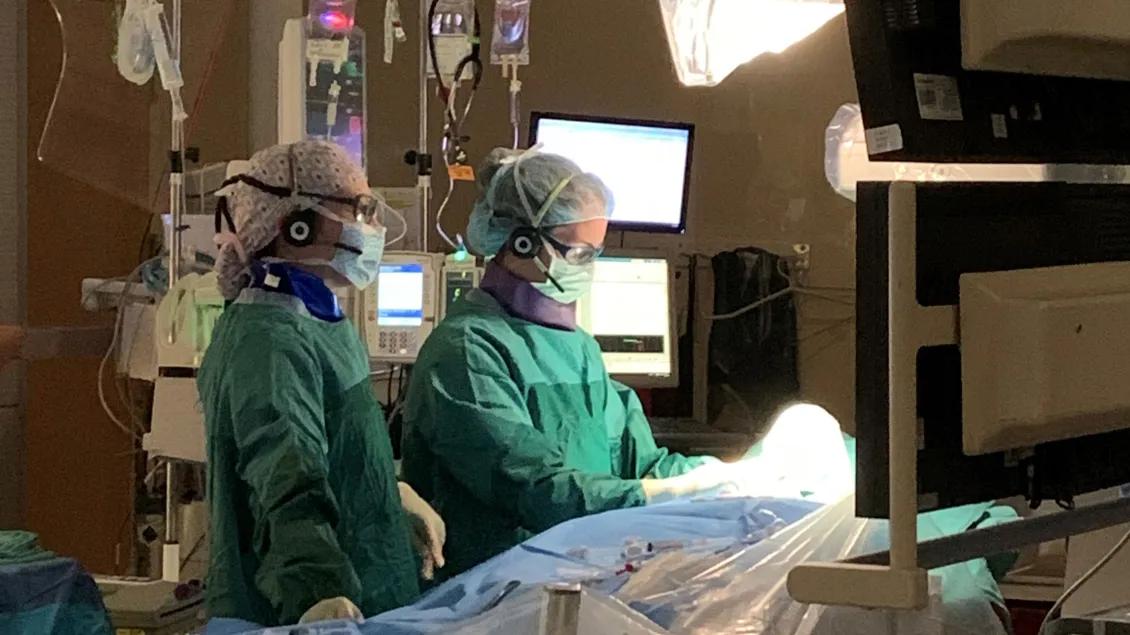
Pediatric Cardiology Fellowship
The U-M Medical School Department of Pediatrics' Pediatric Cardiology Fellowship is nationally renowned for exceptional education in pediatric cardiology within a unique, supportive culture. Based at the Michigan Medicine Congenital Heart Center, our three-year program is designed to develop outstanding academic pediatric cardiologists through broad and intensive exposure to all aspects of pediatric cardiovascular medicine, from common cardiac disorders to groundbreaking therapies delivered with the most innovative technology.
Fellows gain experience in patient care, teaching, and research, working hands-on with a high-acuity and diverse patient population, encountering both classic and highly complex cases. Our program’s graduated autonomy approach allows trainees to take on increasing responsibility as their skills grow, while continual support from faculty and peers fosters independence and expertise. A strong foundation in all subspecialty areas prepares fellows for any academic, clinical, or research path.
In addition to comprehensive training at our congenital heart center, fellows benefit from rotations at off-site locations and through partnerships with regional and international institutions.
Program Aims
We aim to foster the development of uniquely exceptional, well-rounded Pediatric Cardiologists who:
- Provide the highest quality, most advanced evidence-based clinical care to patients from fetal life through adulthood, with all forms of common and complex congenital and acquired heart disease
- Have a strong foundation in general and all subspecialty areas of Pediatric Cardiology, with knowledge and experience with the most innovative and cutting-edge therapies
- Practice compassionate patient and family centered care, and are known for excellence in communication and teamwork
- Are the most dependable and supportive colleagues who never hesitate to offer assistance, mentoring, and support
- Are dedicated to improving the care of patients through continued academic pursuits
- Have a passion for education of patients, families, colleagues and trainees
- Serve as role models for excellence in patient care, scholarship and education
How to Apply
Applications to our Pediatric Cardiology fellowship program should be submitted through the Electronic Residency Application System (ERAS). Our program uses the ERAS web-based system for processing fellowship applications. All fellowship training positions are offered via the Pediatric Fall Subspecialty National Residency Matching Program (NRMP).
The following information must be loaded into the ERAS system:
- Completed online application
- Current photograph (released only after an interview is offered)
- Curriculum vitae
- A personal statement reflecting commitment to pediatric cardiology
- Three letters of recommendation from members of your faculty, including one from a pediatric cardiologist, and one from the Residency Program Director.
- Medical Student Performance Evaluation (Dean’s letter)
- Medical school transcript
- USMLE transcript of Steps 1, 2, and 3 scores (for allopathic graduates; 1 and 2 are required; 3 is strongly encouraged)
- COMLEX Step 1 and 2 scores (for osteopathic graduates)
- ECFMG status report (for International Medical Graduates)
Interviews will be extended to selected applicants by the beginning of September, and applicants can then sign up for interview dates at that time.
Eligibility Requirements
Eligible candidates must successfully complete an ACGME accredited pediatric or pediatric-medicine residency prior to beginning fellowship, hold an unrestricted license to practice medicine in the United States and be a United States citizen or permanent resident. Qualified J-1 visa holders will be considered. Foreign citizens with H-1B visas are not eligible.
The U-M Medical School GME utilizes the list of allopathic medical schools recognized by the Medical Board of California for eligibility in our fellowship program. For osteopathic graduates, the medical school must be on the American Osteopathic Association accredited medical school list.
Nearly 50 years Years of Shaping Pediatric Cardiology Leaders
How do we provide such consistently excellent training in Pediatric Cardiology?
Through our unique structure of fellowship training, housed within our world-renowned congenital heart center which provides a patient population ideal for learning, all within an uncommonly supportive and collegial environment, committed to the equity and well-being of all who work and are cared for at our heart center.
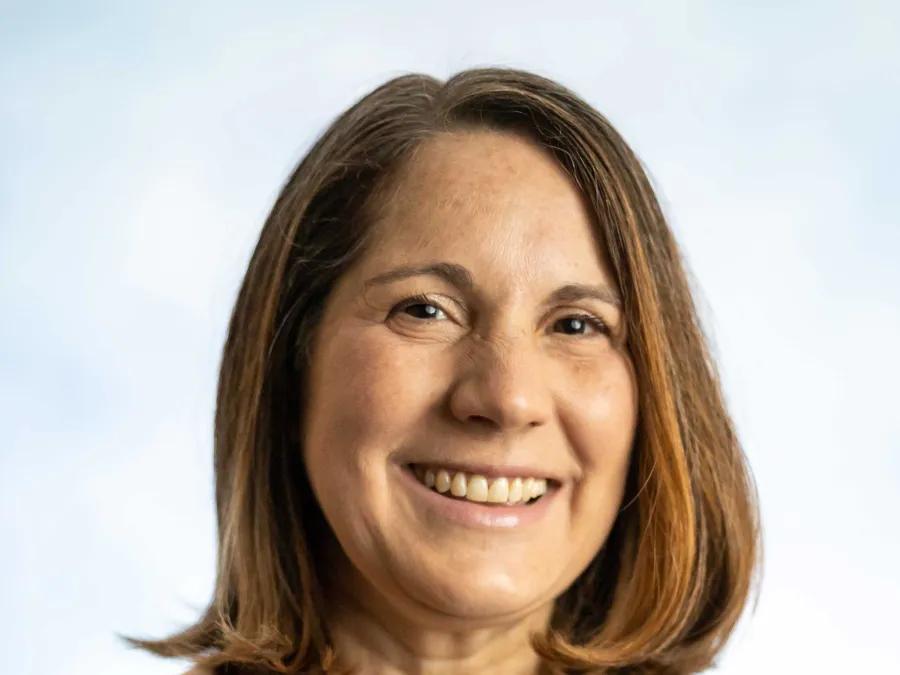
We pride ourselves on training the most outstanding academic Pediatric Cardiologists who are leaders in our field, something we have been doing for over 40 years!
How do we provide such consistently excellent training in Pediatric Cardiology? Through our unique structure of fellowship training, housed within our world-renowned congenital heart center which provides a patient population ideal for learning, all within an uncommonly supportive and collegial environment, committed to the equity and well-being of all who work and are cared for at our heart center.
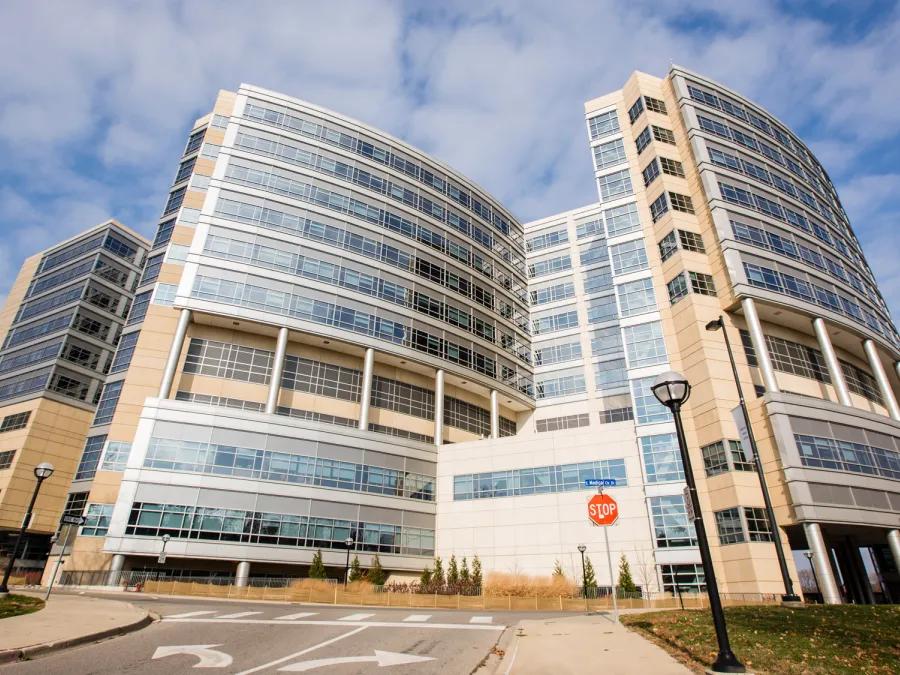
The Michigan Congenital Heart Center is a center of excellence for the care of children and adults with all forms complex congenital heart conditions. Our heart center provides a high volume, high acuity, exposure to every aspect of pediatric cardiology, from common cardiac disorders to groundbreaking therapies, from fetal life through adulthood and all ages in between. Because we are a large referral heart center in a medium-sized college town, we see a higher proportion of abnormal pathology every single day compared to other large centers. This creates the ideal learning environment where our fellows are exposed to tremendous breadth and complexity in all subspecialties.
Our heart center is also home to the Michigan Congenital Heart Outcomes Research and Discovery (MCHORD) Program, which is our nationally recognized research unit that provides dedicated mentorship, guidance, and education to our fellows through all aspects of scholarly activities. Our center and faculty are leaders in many national clinical research initiatives, including PC4, PAC3, CNOC, NPC-QIC and the Pediatric Heart Network, providing numerous additional fellow opportunities for collaborative projects.
One of the most unique aspects of our fellowship that really solidifies the exceptional clinical experience is our graduated autonomy approach to training. Each fellowship year has different service and on call responsibilities, which build on the fellow’s education and experience. Through this graduated approach, fellows gain responsibilities as they learn, not over a crash course of days but over months, developing the necessary foundation first. This approach fosters the skill to perform procedures and care for patients at the highest level of precision and independence. We consider all their rotations in fellowship as a progressive, more humane approach to “boot camp”!
Finally, what I believe truly sets our program apart are all our amazing faculty and staff within the Michigan Congenital Heart Center, who create the culture of support and teamwork that is a hallmark of the Michigan Fellowship and fosters the ideal learning environment. Our faculty, who are all gifted clinicians and scholars, have an unwavering commitment to training our fellows, and prioritize teaching during every aspect of patient care. Many were fellows at Michigan themselves, and are committed to paying forward the unparalleled education they received, to the next generation of Michigan-trained pediatric cardiologists.
As I hope you can see, it is our top priority at the University of Michigan to foster the development of exceptional, well-rounded pediatric cardiologists who are outstanding clinicians and colleagues first and foremost, who have a passion for research and education, and who value equity and collaboration.
We truly believe that those who come to Michigan, will be the Leaders and Best in our field! Go Blue!
- Carlen Fifer, Pediatric Cardiology Program Director
Ask a Fellow
Our fellows love to talk about our program!
If you have questions about any aspect of the fellowship or life in Ann Arbor, please fill out our form to learn more about the training experience in the Pediatric Cardiology Fellowship program.
Salary & Benefits
We offer highly competitive salaries and generous benefits to our residents, fellows, and advanced trainees. Trainee salary will be commensurate with that of a House Officer at an equivalent level of training based on the HOA contract.
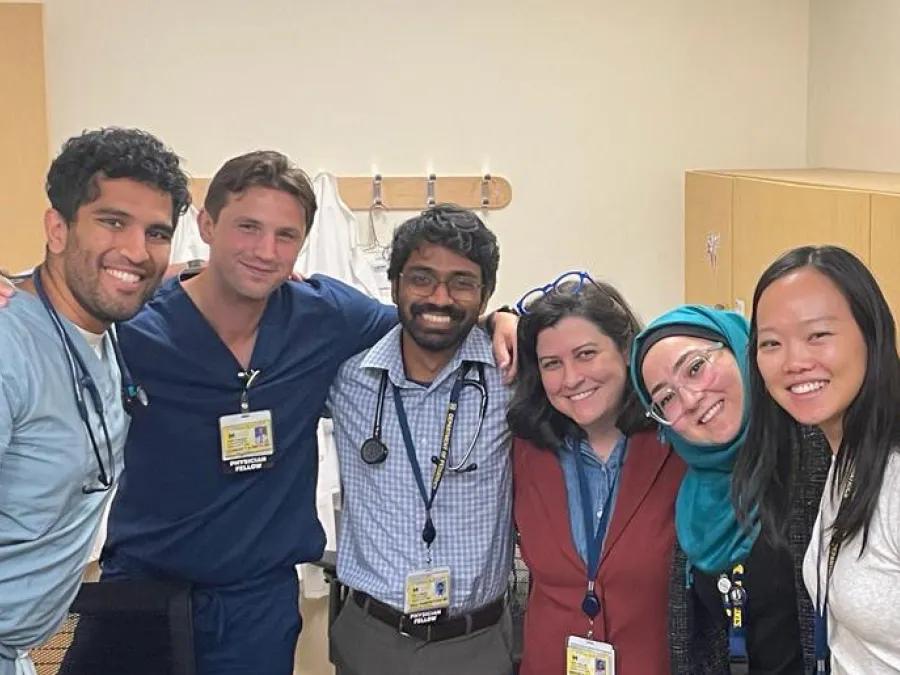
Current Fellows
Meet our current trainees in Pediatric Cardiology. We emphasize teamwork, excellence, and leadership while preparing our fellows with resources to be successful in their careers.
Recent Graduates
- Evan Goldart, MD, MPH: Pediatric Critical Care Fellowship (Children's National Hospital, Washington, D.C.)
- Hillary Liken, MD: Echocardiography (Duke University, Durham, NC)
- Bryan Mosher, MD: Adult Congenital Heart Disease Fellowship (Stanford University, Stanford, CA)
- Alyson Pierick, MD: Pediatric Critical Care (Children's Healthcare of Atlanta, Atlanta, GA)
- Hannah Van Galder, MD: Interventional Cardiac Catheterization (University of Michigan, Ann Arbor, MI)
- Preston Boyer, MD: Interventional Catheterization Fellowship (Johns Hopkins All Children's Hospital, St. Petersburg, FL)
- Olivia Frosch, MD: General Cardiology/Hospitalist (Children’s Hospital of Pittsburgh, Pittsburgh, PA)
- Andrew Ligsay, MD: Sleep Medicine Fellowship (McGaw/Northwestern University, Chicago, IL)
- Robert Slater, MD: General Cardiology (Children’s Hospital & Medical Center, Omaha, NE)
- Charlotte Schaffer, MD: Pediatric Critical Care Fellowship (Seattle Children’s Hospital, Seattle, WA)
- Caroline West, MD: Heart Failure/Transplantation (Vanderbilt University, Nashville, TN)
- Sarah Blonsky, MD: General Cardiology (Children’s Heart Clinic, Minneapolis, MN)
- Eric McClellan, MD: Pediatric Cardiac Intensive Care (Doernbecher Children’s Hospital, Portland, OR)
- Angela Quain, MD: Adult Congenital Heart Disease Fellowship (University of Michigan, Ann Arbor, MI)
- Erin Shea, MD: Heart Failure/Transplantation (Duke University, Durham, NC)
- Courtney Thomas, MD: Interventional Cardiac Catheterization (Children’s Mercy Hospital, Kansas City, MO)
- Domonic Zanaboni, MD: Interventional Cardiac Catheterization (St. Louis Children’s Hospital, St. Louis, MO)
- Tyler Bradley-Hewitt, MD: Pediatric Cardiac Critical Care (Children’s Hospital of Philadelphia, Philadelphia, PA)
- Katherine DeWeert, MD: Electrophysiology/Imaging (C.S. Mott Children’s Hospital, Congenital Heart Center, Ann Arbor, MI)
- Rebecca Hartog, MD: Adult Congenital Heart Disease (St. Louis Children’s Hospital, St. Louis, MO)
- Darren Marshall, MD: General Cardiology - Pediatric Cardiology (San Antonio, TX)
- Joshua Meisner, MD, MPH: Research (C.S. Mott Children’s Hospital, Congenital Heart Center, Ann Arbor, MI)
- Justin Smith, MD: Pediatric Cardiac Critical Care (University of Rochester Medical Center, Rochester, NY)
- Benjamin Hale, MD: Electrophysiology (Stead Family Children's Hospital, Iowa Health Care, Iowa City, IA)
- Peter LaRossa, MD: Noninvasive Imaging (St. Louis Children’s Hospital, St. Louis, MO)
- Tiffany Lim, MD: General Pediatric Cardiology (Children’s Heart Center of Central Oregon, Bend, Oregon)
- Andrew Porter, MD: Noninvasive Imaging (Sibley Heart Center, Atlanta, GA)
- Megan Wilde, MD: Heart Failure/ Transplantation (Riley Children’s Hospital, Indianapolis, IN)
- Hunter Wilson, MD: Noninvasive Imaging, Cardiac MRI (Sibley Heart Center, Atlanta, GA)
Program Leadership
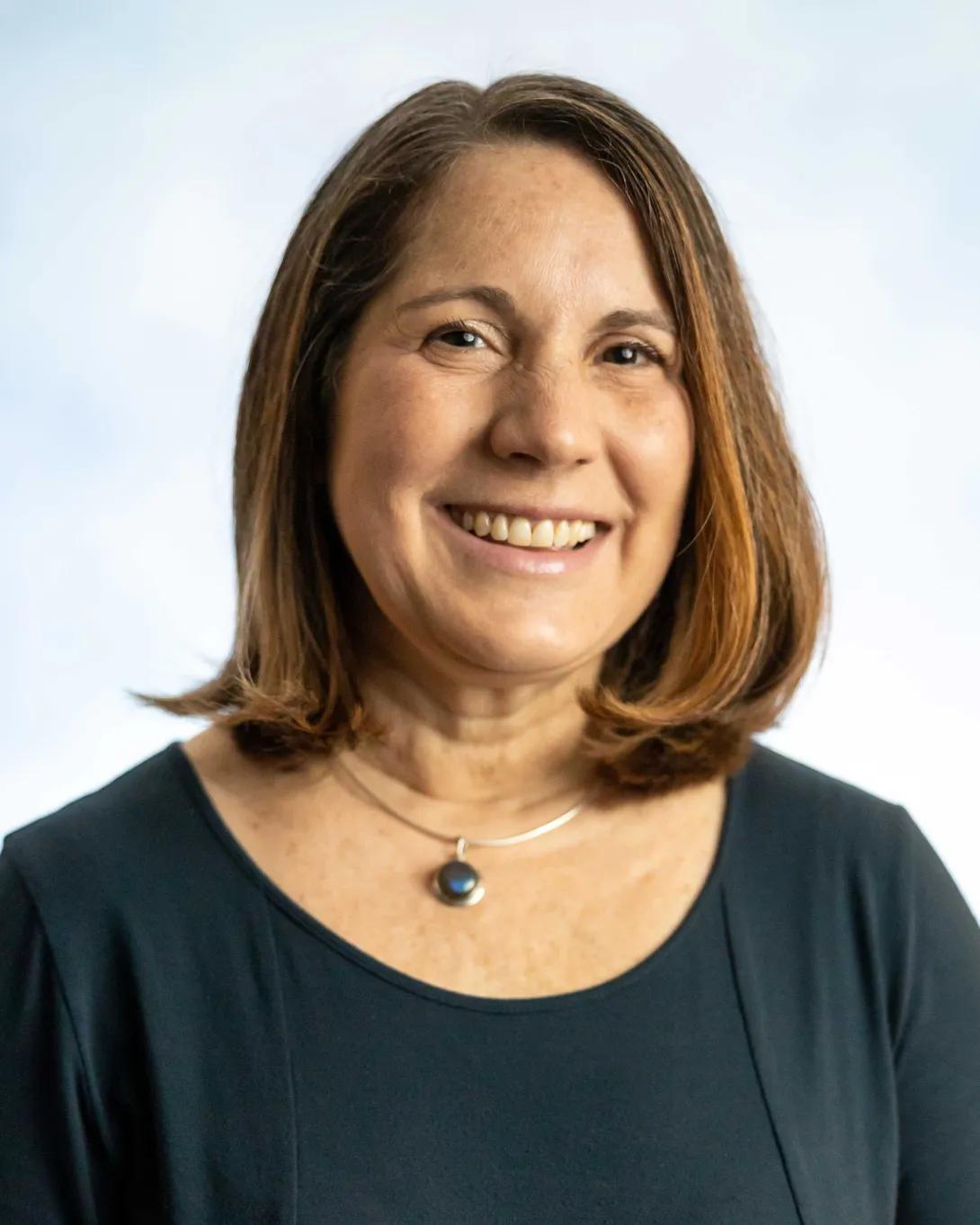
Carlen Fifer, MD
Fellowship Director, Pediatric Cardiology
Medical School
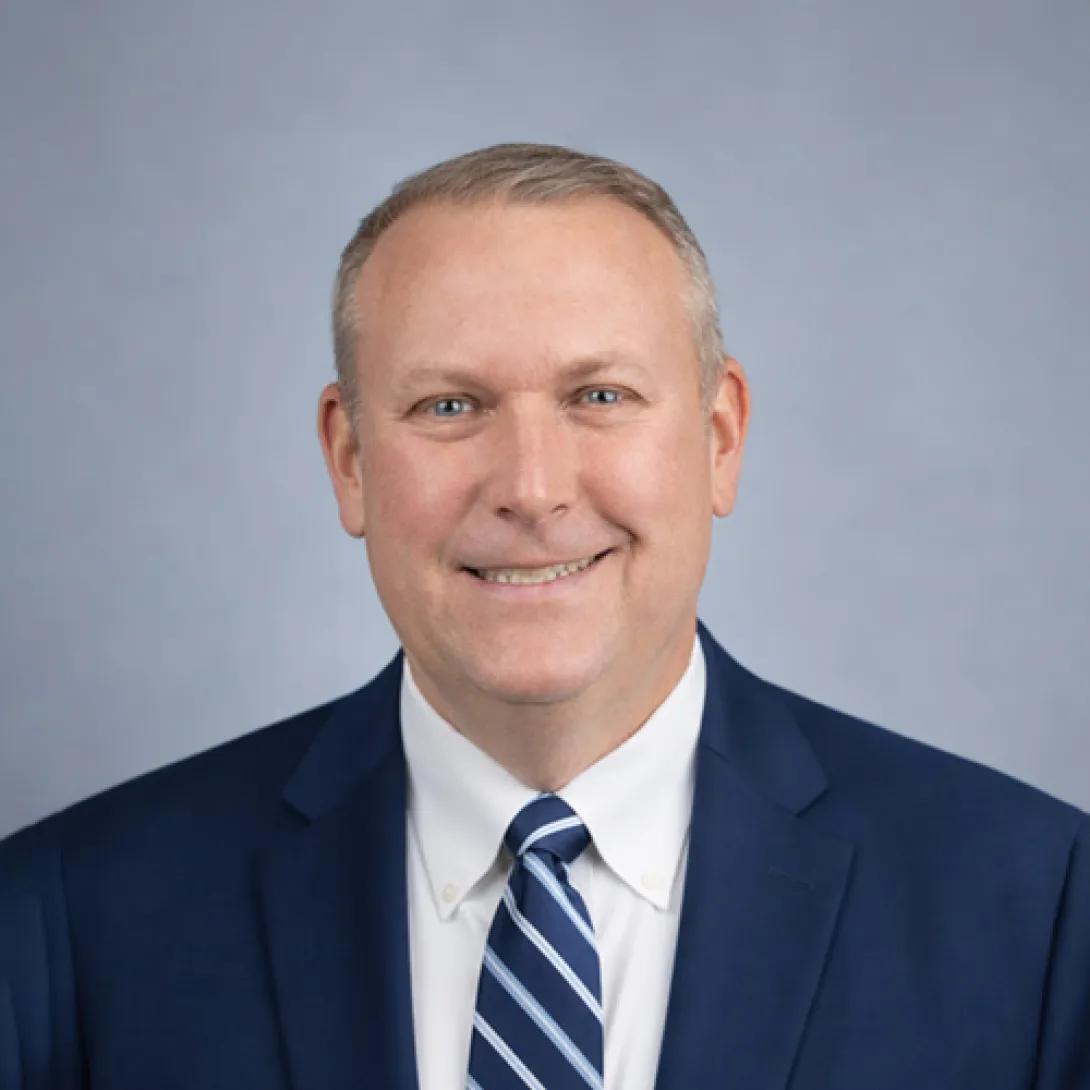
Kurt Schumacher, MD
Clinical Professor of Pediatrics
Medical Director, Transplant Program and Division Director
Pediatrics-Cardiology
Medical School
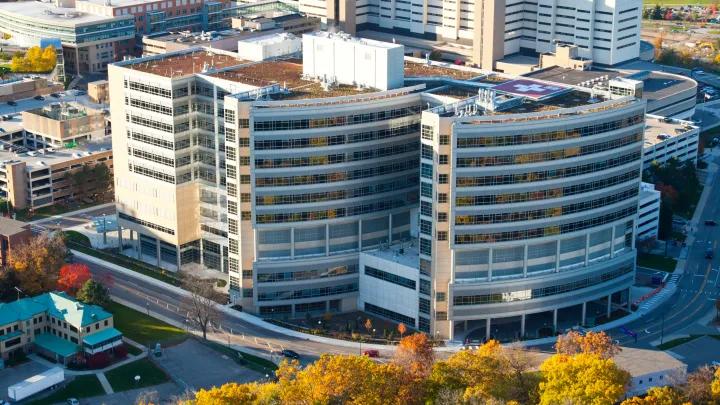
See Where Training Takes Place
The U-M Medical School campus offers numerous spaces dedicated to academic learning, research and clinical care, including specialty clinics, research labs and more. Each space and facility provides a collaborative and innovative environment for education, research and patient care.

Life in Ann Arbor
We find a new reason to love Ann Arbor nearly every day — year-round outdoor activities, cultural experiences, a growing food scene, and a welcoming, family-friendly atmosphere are just a few that come to mind. Explore all that Ann Arbor and our surrounding communities have to offer.
