-
Adolescent Medicine -
Developmental Behavioral Pediatrics -
General Pediatrics -
Neonatal-Perinatal Medicine -
Pediatric Cardiology -
Pediatric Critical Care Medicine -
Pediatric Endocrinology -
Pediatric Gastroenterology -
Pediatric Genetics, Metabolism & Genomic Medicine -
Pediatric Hematology | Oncology -
Pediatric Hospital Medicine -
Pediatric Infectious Diseases -
Pediatric Nephrology -
Pediatric Neurology -
Pediatric Psychology -
Pediatric Pulmonology -
Pediatric Rheumatology
Pediatric Neurology
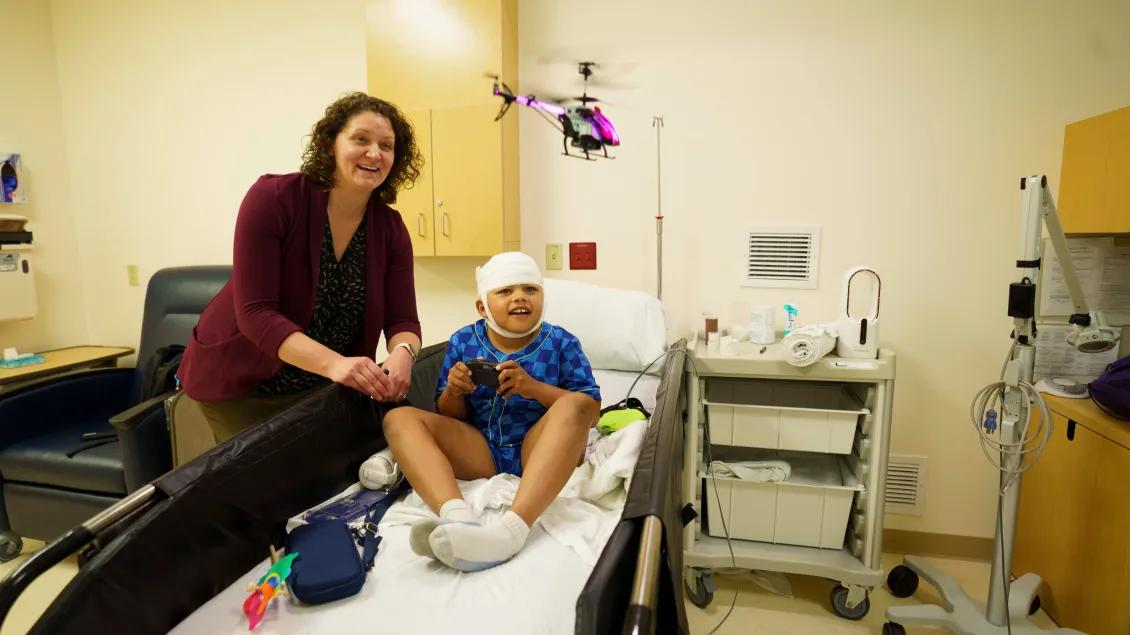
Division of Pediatric Neurology
Advancing pediatric neurology through expert care, research and education.
Dedicated to excellence in clinical care, research and education, the U-M Medical School Department of Pediatrics Division of Pediatric Neurology Division brings together expert teams to support children and families facing neurological challenges.
Clinical Care
Our Pediatric Neurology Clinic is staffed by a collaborative and multidisciplinary team dedicated to delivering expert, compassionate care to infants, children and adolescents affected by neurological conditions. We work collaboratively with a range of other departments including neurosurgery, developmental-behavioral pediatrics and genetics to deliver the best possible care for our patients.
We provide personalized evaluation, diagnosis and treatment for a wide range of disorders, including:
- Seizures and epilepsy
- Neurometabolic and Genetic disorders
- Neurodevelopmental disorders
- Brain tumors
- Sleep disorders
- Nerve and muscle diseases
- Movement disorders
- Metabolic diseases
- Neuroimmunological disorders, including multiple sclerosis
Education
We are committed to developing future leaders in pediatric neurology through exceptional, integrated training. Our five-year residency program in Child Neurology ranks #10 in the country (Doximity), and offers a comprehensive curriculum, diverse clinical experiences, and robust mentorship from dedicated faculty.
Explore our Child Neurology Program
Research
The Division of Pediatric Neurology leads innovative research to better understand and treat neurological disorders affecting children. Our multidisciplinary team uses cutting-edge computational, experimental, and clinical approaches to investigate genetic, molecular, and cellular mechanisms underlying a wide range of conditions, including epilepsy, sleep disorders, neuromuscular diseases, brain tumors, stroke, and neonatal brain injury.
Key Research Areas
- Epilepsy: Studying the genetic, molecular, and cellular basis of epilepsy using animal, human stem cell, and computational models to identify therapeutic targets
- Neurodevelopment and Brain Injury: Investigating the causes and treatments for neonatal brain injury
- Sleep Disorders: Defining the causes and treatments of sleep disorders
- Neurocritical care: Applying machine learning and quantitative algorithms to EEG analysis for improved diagnosis and care
- Clinical Innovation: Advancing quality improvement in clinical care and developing standardized care protocols
- Medical Education Research: Exploring how students choose neurology as a career and evaluating strategies for better training and mentorship
Our research spans from bench to bedside, blending fundamental discoveries with clinical trials and translational projects to improve treatments and outcomes for children worldwide.
Opportunities for Excellence
The Department of Pediatrics includes 17 clinical divisions and over 300 faculty members. Join our dynamic team dedicated to advancing pediatric care, education and research.
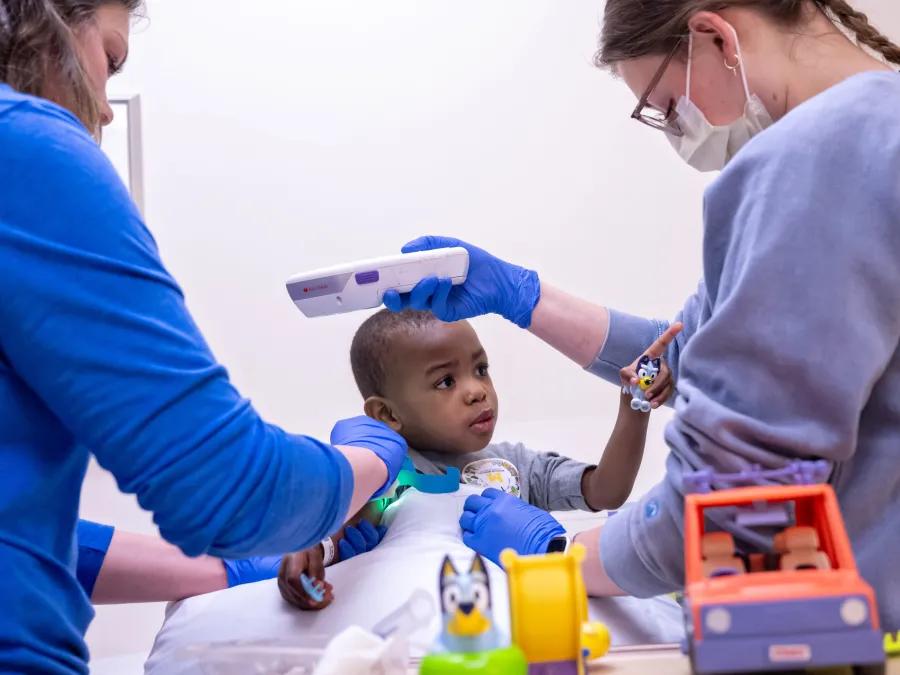
Your Gift is Invaluable
Your gift helps us provide customized treatment for every child — from fetal care through adulthood — with seamless connections to our adult programs.
Division Leadership
Timothy F Hoban, MD
Clinical Professor of Neurology and Medical Director of Sleep Lab
Interim Division Director, Neurology
Pediatrics
Medical School
Featured News & Stories
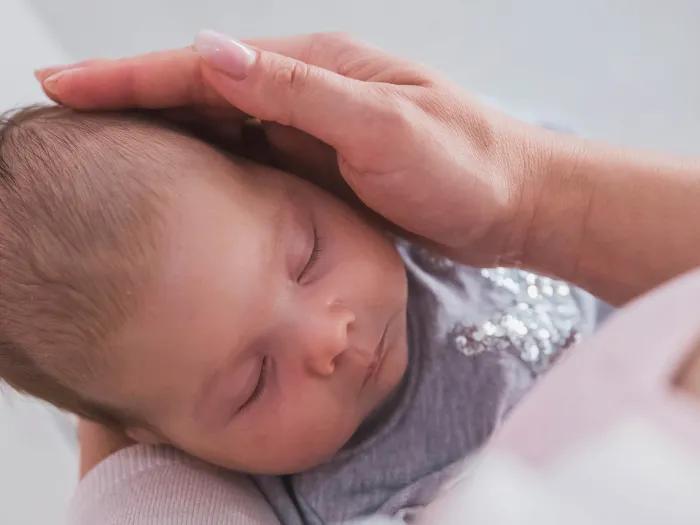
Early intervention and expertise crucial for treating pediatric craniofacial disorder

Revolutionizing Child Neurology Residency Training: A Data-Driven Approach to Personalized Education
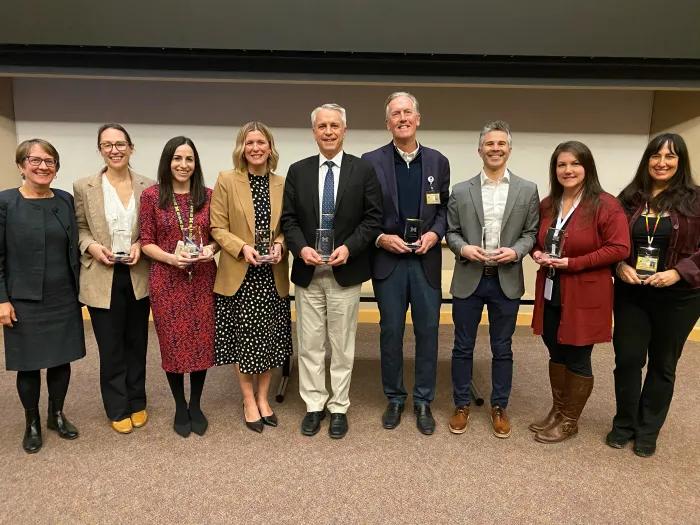
2025 Department of Pediatric Chair's Awards Program
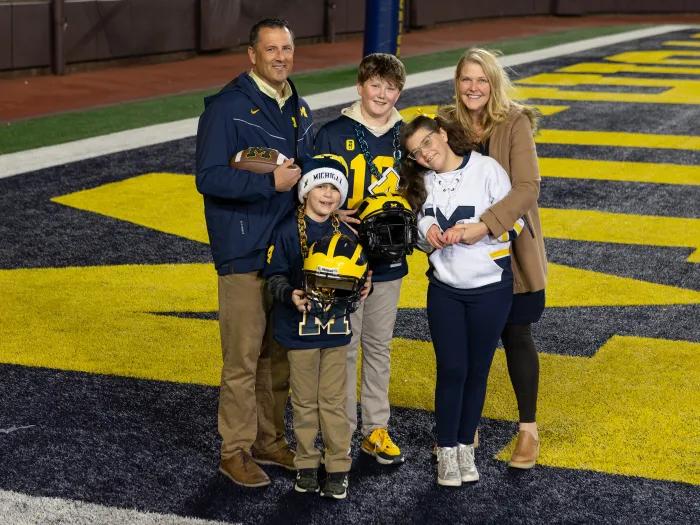
Family seeks answers as rare neurodegenerative disease affects teen daughter
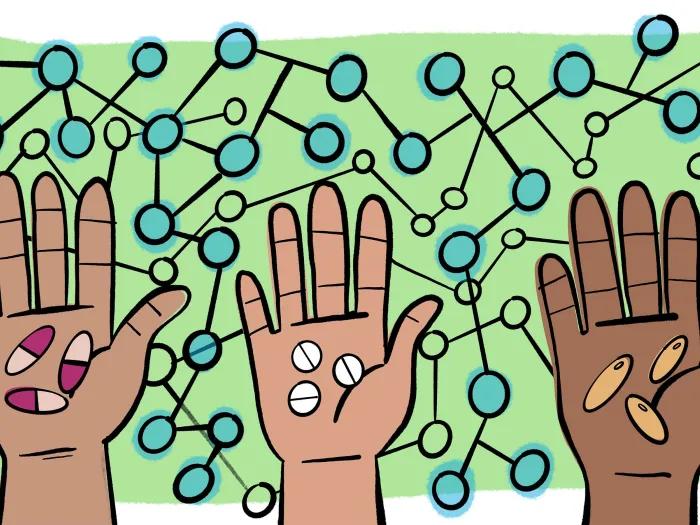
Adderall shortage may be associated with increased use of alternative ADHD medication in kids