
-
Medical Student Programs -
Pediatric Residency -
Child Neurology Residency -
Medical Genetics Residency -
Fellowships -
Adolescent Medicine -
Developmental Behavioral Pediatrics -
Medical Biochemical Genetics -
Neonatal-Perinatal -
Pediatric Cardiology -
Pediatric Critical Care Medicine -
Pediatric Endocrinology -
Pediatric Gastroenterology -
Pediatric Hematology & Oncology -
Pediatric Hospital Medicine -
Pediatric Infectious Diseases -
Pediatric Nephrology -
Pediatric Pulmonary -
Pediatric Rheumatology -
Pediatric Psychology
-
-
Advanced Training Programs -
Facilities & Spaces
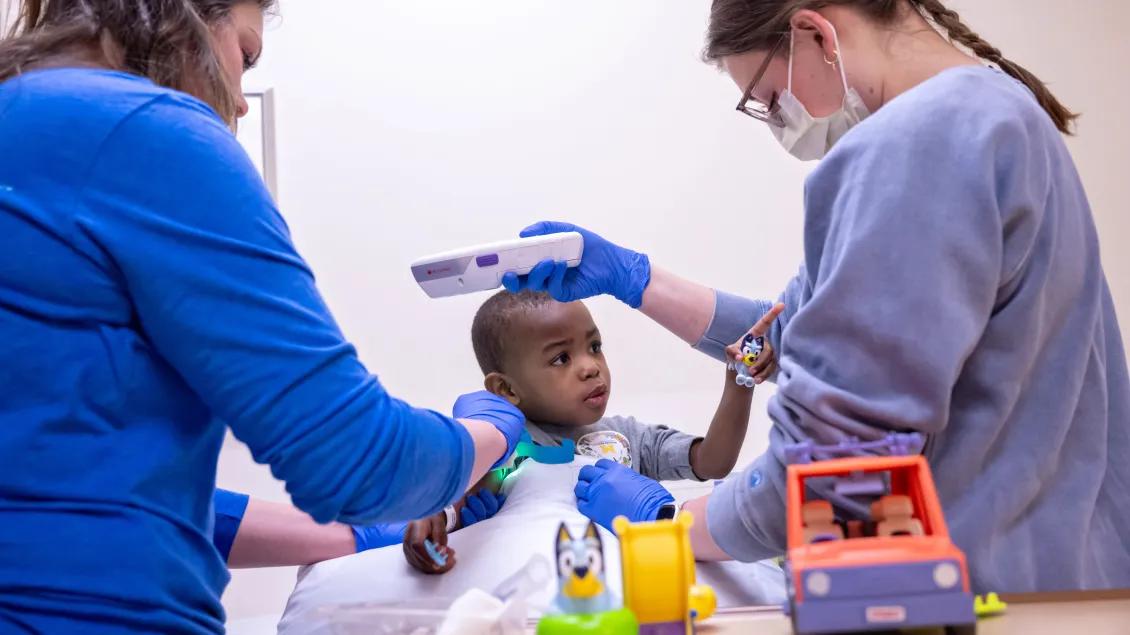
Developmental Behavioral Pediatrics Long-Term Training Program
The U-M Medical School Department of Pediatrics Long-Term Training Program (LTT) in Developmental Behavioral Pediatrics is designed to empower primary care providers (PCPs), to provide high-quality DPB-related care within their practices.
Goals of the Program
- Develop confidence in DBP-related care through clinical experiences in areas of the trainees' interest under the mentorship of DBP faculty.
- Strengthen the relationship and collaboration between PCPs and DBP providers, expediting care in the best interest of the children and families we serve.
Learn more about the training program by jumping to the sections below:
How to Apply
Learn more about the application requirements:
- PCPs who have completed a residency in an ACGME- or AOA-accredited program in pediatrics or family medicine and are certified or board eligible in their area will be eligible to apply for the LTT DBP program.
- One internal UM PCP position will be available and we can provide a small stipend to support some percent of time spent in the LT training. As this stipend is from federal grant support it does not cover fringe benefits and is not taxed. Therefore, the PCP’s practice must be willing to cover fringes and the trainee must plan to save for the taxes.
- One external PCP position will be available. This PCP would come from a practice or institution outside of UM. We will not have funds at this time to support time in training for the external applicants.
- Both positions will require an appointment in the Division of Developmental Behavioral Pediatrics at the University of Michigan Medical School with education privileges (Practicing Specialist Gaining Additional Training).
- LTTs will receive a certificate stating that the LTT DBP Program at U-M Medical School was completed. However, there is not a “certification” pathway established yet for this type of advanced training.
- Resume/CV
- Goals for the LTT Program and your vision for implementing DBP skills in your current practice (300 words or less)
- A letter of reference
What You Will Learn
Training consists of a minimum 300-hours over 9-12 months. You must attend Tuesday AM didactics, and up to 3 additional half-days per month to attend or work on other training activities.
- Didactics/Case Conference - Tuesdays from 9-11:30 AM
- Clinical Lectures
- Public Health Topics
- Trauma-informed care/reflective practice
- Observation of ADOS and other DBP-related assessment tools in Boot Camp; several half-day sessions in the summer
- Other – Autism Diagnostic Observation Schedule (ADOS) training
- Observation in approximately 20+ half-day clinics with direct mentorship from DBP faculty
- Assessments for Autism Spectrum Disorder and other neurodevelopmental disabilities (ADHD, FASD)
- Other areas are also available based on the physician's personal interests (e.g., behavioral sleep concerns, neontal-early child parten child relationships or elimination disorders)
- Design of DBP-related care in your practice
- Quality Improvement
- Advocacy
- Educator
- Scholarship/Research
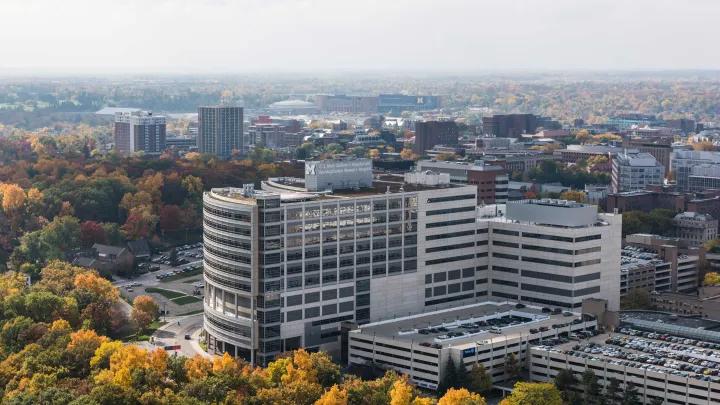
See Where Training Takes Place
The University of Michigan Medical School campus offers numerous spaces dedicated to academic learning, research and clinical care, including specialty clinics, research labs, lecture halls, and clinical simulation centers. Each space and facility provides a collaborative and innovative environment for education, research and patient care.
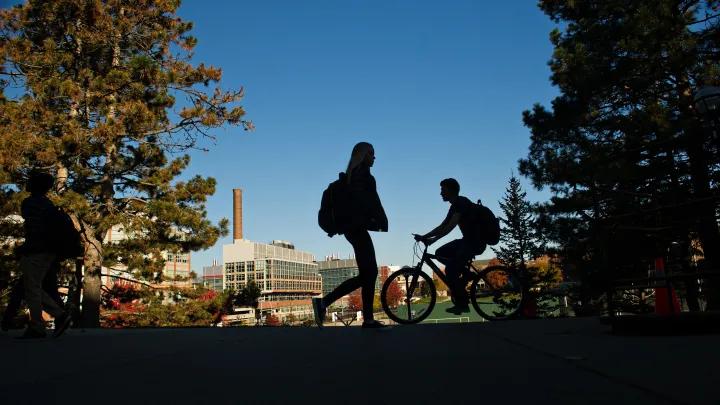
Life in Ann Arbor
We find a new reason to love Ann Arbor nearly every day — year-round outdoor activities, cultural experiences, a growing food scene, and a welcoming, family-friendly atmosphere are just a few that come to mind. Explore all that Ann Arbor and our surrounding communities have to offer.
