-
Adolescent Medicine -
Developmental Behavioral Pediatrics -
General Pediatrics -
Neonatal-Perinatal Medicine -
Pediatric Cardiology -
Pediatric Critical Care Medicine -
Pediatric Endocrinology -
Pediatric Gastroenterology -
Pediatric Genetics, Metabolism & Genomic Medicine -
Pediatric Hematology | Oncology -
Pediatric Hospital Medicine -
Pediatric Infectious Diseases -
Pediatric Nephrology -
Pediatric Neurology -
Pediatric Psychology -
Pediatric Pulmonology -
Pediatric Rheumatology
Pediatric Pulmonology
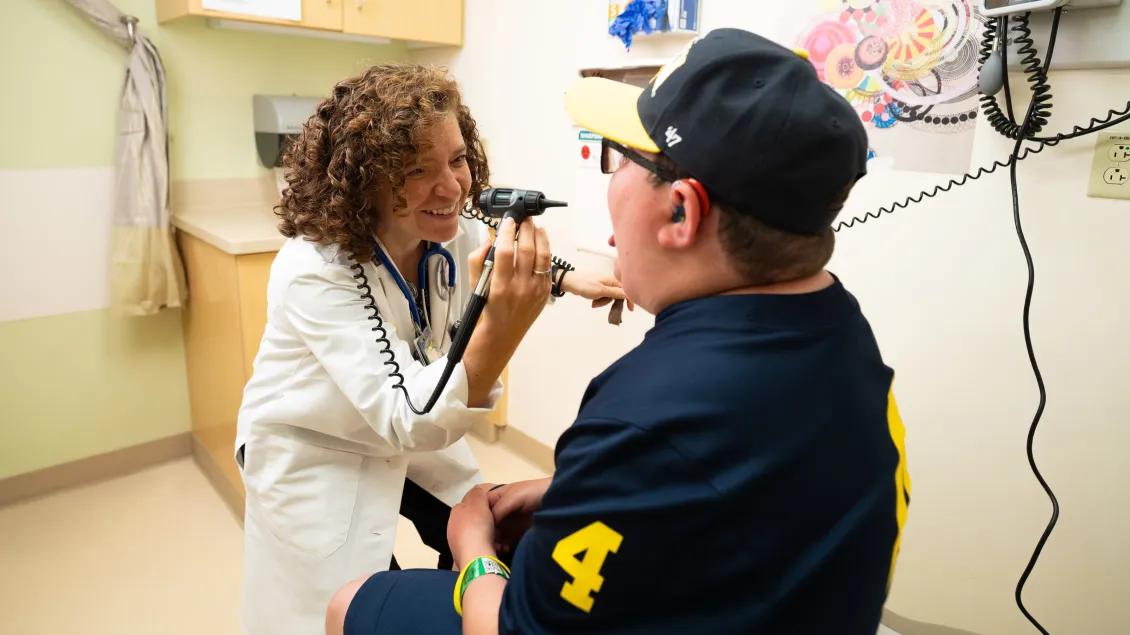
Division of Pediatric Pulmonology
Advancing Pediatric Pulmonary medicine through expert care, innovative research and world-class training.
At the U-M Medical School Department of Pediatrics Division of Pediatric Pulmonology, our mission is to improve the respiratory health of children through outstanding clinical care, research and education.
We strive to accomplish our mission while embracing the core values of respect, responsibility and family.
Nationally Ranked in Pediatric Pulmonology
C.S. Mott Children's Hospital has been recognized as one of the nation's best in pediatric pulmonology by U.S. News & World Report for 2026-2027.
Clinical Care
The Division of Pediatric Pulmonology provides comprehensive evaluation and advanced treatment for infants, children, and adolescents with both acute and chronic respiratory conditions.
Our clinical highlights include:
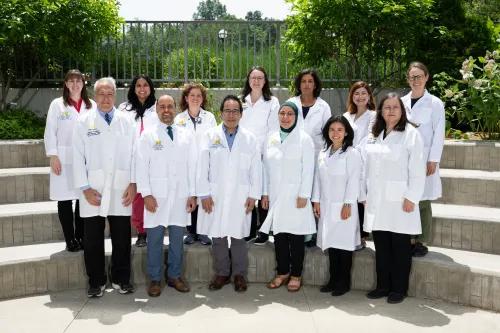
- Our multidisciplinary approach brings together physicians, nurses, respiratory therapists, dietitians, and social workers to provide personalized, family-centered care for every child
- Thirteen board-certified pediatric pulmonologists with wide-ranging expertise
- Bronchopulmonary Dysplasia (BPD) clinics provide multidisciplinary support for children with BPD
- Cystic Fibrosis Center – nationally recognized for outstanding clinical care and research
- Evaluation and management of children with interstitial lung disease (ChILD)
- Multidisciplinary clinics for treatment and management of aerodigestive issues, congenital diaphragmatic hernia (CDH), pulmonary complications from bone marrow transplantation, refractory sleep apnea, neuromuscular disease, single ventricle physiology, and difficult to treat pulmonary infections
- Pediatric Home Ventilator Program – one of the largest in the nation, dedicated to children needing long-term respiratory support
- Primary Ciliary Dyskinesia (PCD) – PCD Foundation-approved center for specialized care.
- Pediatric Asthma and Difficult-to-Treat Asthma Clinic – comprehensive management, including multidisciplinary support for complex cases
- Pediatric Sleep Apnea Program – diagnosis and management of sleep-disordered breathing
- Hypoglossal nerve stimulator program
- Phrenic nerve pacing program
- State-of-the-art Pulmonary Function Laboratory designed specifically for children
- Flexible bronchoscopy for minimally invasive airway evaluation and intervention
- Dedicated clinics for bronchopulmonary dysplasia (BPD), congenital lung disease, interstitial lung disease, and respiratory failure, including cases due to neurological, muscular or chronic lung conditions
Education
In addition to teaching medical students and residents, the Division directs a Fellowship in Pediatric Pulmonary Medicine. The goal of this program is to train outstanding academic pediatric pulmonologists − life-long learners who will be future leaders in the field. The provided training is broad in scope and includes a strong faculty, diverse inpatient and outpatient population, superb pulmonary function laboratory and numerous educational and research opportunities.
Research
The Division of Pediatric Pulmonology leads innovative research spanning asthma, cystic fibrosis (CF), bronchopulmonary dysplasia (BPD), obesity-related diseases, sleep disorders and complications of prematurity. Funded by the NIH and Cystic Fibrosis Foundation, our investigator-initiated programs focus on:
- Viral triggers, early-life exposures, and immune pathways in asthma development
- Environmental and community-based interventions
- Field-leading studies on viral and pollutant effects on asthmatic children
- Microbial infections, airway microbiome, and novel therapies
- Innovations in newborn screening, imaging, and multicenter quality improvement
- Molecular mechanisms of BPD and chronic lung disease in preterm infants
- Role of innate immunity and early-life exposures (oxygen, endotoxins, maternal smoking) in chronic airway inflammation and susceptibility to viral infection
- Immune regulation and inflammation in adipose tissue
- Metabolic syndrome and diabetes risk in children
- Sleep-disordered breathing in diverse pediatric populations
- New diagnostic and treatment approaches
Pediatric Pulmonology Publications
Read more about our collection of Pediatric Pulmonary publications at the NIH National Library of Medicine.
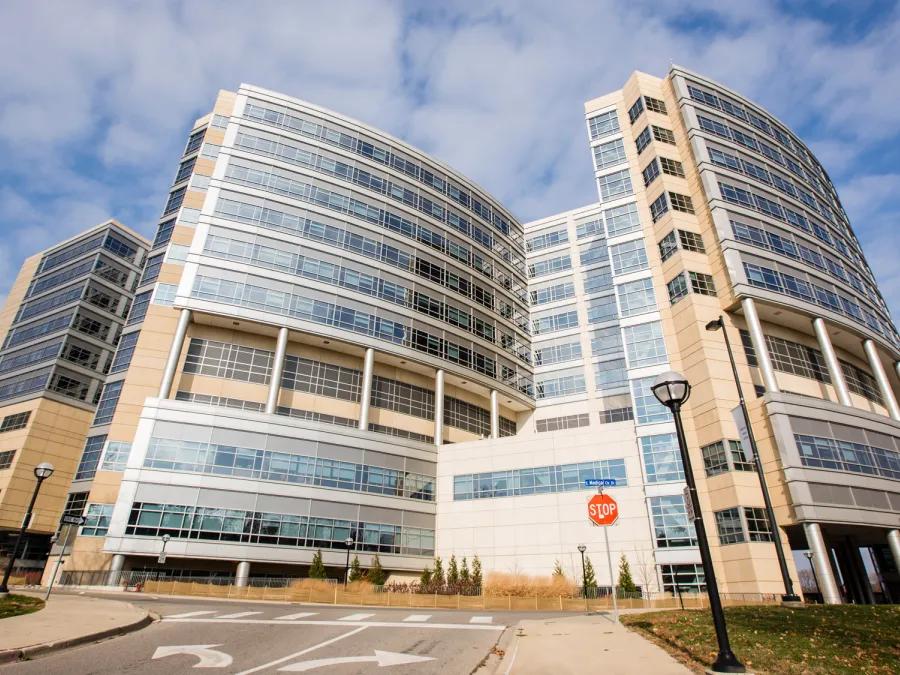
Opportunities for Excellence
The Department of Pediatrics includes 17 clinical divisions and over 300 faculty members. Join our dynamic team dedicated to advancing pediatric care, education and research.
Your Gift is Invaluable
Your gift can help our pediatricians provide the highest-quality care for children while contributing to significant advances in patient care, research, and education.
Division Leadership

Carey Nien-Kai Lumeng, MD, PhD
Professor of Pediatrics
Professor of Molecular and Integrative Physiology and Division Director
Pulmonary Medicine
Medical School

Fauziya Hassan, MBBS, MS
Medical Director
Pediatric Pulmonary/Asthma/Stable Vent and Service Chief of Pediatric Pulmonary/Asthma/Stable Vent
Medical School
Featured News & Stories

A gene discovery that changed cystic fibrosis care, and genetic research, forever

Embracing Egypt: Connecting Cystic Fibrosis Families Across the Globe

Child survivors of critical illness are missing out on timely follow up care