
-
Medical Student Programs -
Pediatric Residency -
Child Neurology Residency -
Medical Genetics Residency -
Fellowships -
Adolescent Medicine -
Developmental Behavioral Pediatrics -
Medical Biochemical Genetics -
Neonatal-Perinatal -
Pediatric Cardiology -
Pediatric Critical Care Medicine -
Pediatric Endocrinology -
Pediatric Gastroenterology -
Pediatric Hematology & Oncology -
Pediatric Hospital Medicine -
Pediatric Infectious Diseases -
Pediatric Nephrology -
Pediatric Pulmonary -
Pediatric Rheumatology -
Pediatric Psychology
-
-
Advanced Training Programs -
Facilities & Spaces

Pediatric Psychology Internship
The U-M Medical School Department of Pediatrics Division of Pediatric Psychology Internship Program is a member of the Mid-Michigan Psychology Internship Consortium (MMPIC). Our internship offers training in the delivery of behavioral health services for children and adolescents experiencing challenges with growth, development, behavior, and/or adaptation to illness.
Training takes place within the Division of Pediatric Psychology clinical services, which include outpatient medical specialty and primary care clinics, and inpatient medical services across C.S. Mott Children's Hospital.
Mission
The internship is committed to cultivating the next generation of pediatric psychology leaders through rigorous, evidence-based training using a scientist-practitioner model. The program prepares interns for careers in academic medical centers and professional practice in Health Service Psychology through comprehensive clinical, scholarly, and professional development experiences.
Learn more by jumping to the links below:
Program Overview
The Division of Pediatric Psychology has three primary missions: clinical care, research, and education.
The research mission of the Division is to advance knowledge of the interplay between development, behavior, and health. Faculty within the Division of Pediatric Psychology are engaged in innovative and collaborative clinical and health services research programs. Current research programs are focused in growth, sleep, integrated behavioral health, chronic illness self-management, resilience, transition from pediatric to adult-centered care, and health-related quality of life.
The teaching mission of the Division encompasses undergraduate students, medical students, pediatric and family medicine residents, pre-doctoral psychology trainees, post-doctoral psychology fellows, and practicing pediatricians. The team includes many doctoral-level, licensed psychologists. The site supervisors, Dr. Butcher and Dr. Jordan, are licensed psychologists who are on-site at least twenty hours per week.
Internship Experience
A team of supervisors provide at least two hours of individual supervision to each intern every week and an additional two hours of individual or group supervision per week. Professional teaching occurs in clinical settings, in didactic settings, and within the context of research. The Division is also committed to the education of patients, families, and members of the community.
We provide care in a hybrid format encompassing a mixture of virtual and in-person patient care. Supervisors conduct supervision with their interns either in-person or via Zoom, a HIPAA-compliant platform installed by our team on all intern computers. Didactics, other research labs, and book/journal clubs are largely conducted via Zoom, with occasional hybrid offerings.
How to Apply
Our Pediatric Psychology Internship is part of the Mid-Michigan Psychology Internship Consortium (MMPIC) through August 2027.
Current and incoming trainees, please visit the MMPIC website for more information on programming through August 2027.
Interns applying for 2027-2028 can reference the University of Michigan Pediatric Psychology Doctoral Internship handbook for training information.
This internship is designed for graduate students completing their doctoral degree (PhD or PsyD) in Clinical, Counseling, or School Psychology seeking experience in an academic health center. Applicants are required to have passed their doctoral program's comprehensive exam and must provide a letter of internship readiness from their Director of Clinical Training (DCT) by the internship application deadline. Interns are required to obtain a State of Michigan Temporary Limited License in Psychology (TLLP) prior to the start of the internship.
Interns will be selected based on a thorough review of application materials. We are looking for interns with a strong foundational knowledge of empirically-based interventions for children and adolescents who wish to work in a medical setting with an interdisciplinary care model.
The majority of our interns obtain post-doctoral positions within academic medical centers.
Our current stipend is $36,800 (subject to change) and includes access to benefits, including health insurance, over the 12-month internship. Employment will be contingent on satisfactory completion of a background check and drug screening.
Learning Opportunities
Interns have an opportunity to obtain clinical experiences across a variety of pediatric behavioral health settings in the Division of Pediatric Psychology. Rotations are available in integrated behavioral health within pediatric primary care, outpatient chronic and acute illness clinics, outpatient developmental/behavioral health promotion clinics, and inpatient consultation/liaison psychology.
We offer a wealth of didactic and professional development experiences across our Division, Department, and wider U-M Medical School. Interns receive a minimum of two hours per week of didactic training and at least nine hours per month. Required didactic experiences include case conferences, journal club, professional development seminars, pediatric psychology seminars, and Pediatric Grand Rounds. Interns may also participate in additional training opportunities across Michigan Medicine, including Psychiatry Grand Rounds, Pediatric Pain Grand Rounds, and seminars offered through the Program for Equity in Adolescent and Child Health.
Research & Scholarly Activity
Interns have protected time for research-related activities, including dissertation completion and/or participation in research led by clinical supervisors. Interns also participate in scholarly activities such as journal clubs and literature review related to pediatric psychology practice.
Rotations
Internship rotations are tailored based on interns’ training interests and experiences and funding support. Our interns’ time is focused on clinical training and professional development experiences, but support is also given for research-related activities, including dissertation completion, depending on the interns’ interests and needs.
Each intern completes a 12-month rotation in integrated behavioral health, one 6-month rotation in developmental/behavioral pediatrics, and one 6-month rotation in acute and chronic illness. This structure allows interns to gain breadth across pediatric psychology settings while also developing depth with selected patient populations and treatment approaches.
Supervision: The program uses a developmental supervision model. Interns receive more structured and direct oversight early in the training year, with increasing independence as competencies are demonstrated and documented. Supervision emphasizes biopsychosocial perspectives, evidence-based practice, culturally responsive care, ethical decision-making, and interprofessional collaboration.
Mentorship: In addition to clinical supervision, interns receive mentorship in professional development. Interns meet monthly with the Training Directors to review training progress, discuss concerns, and receive guidance related to professional development, postdoctoral training, career planning, supervisory relationships, and individual internship goals.
- Interdisciplinary Pediatric Feeding Program (Supervisors: Melissa Andersen, Natalie Berriz)
- Pediatric Elimination Disorders Program (Supervisor: Dawn Dore-Stites)
- Pediatric Behavioral Sleep Program (Supervisor: Dawn Dore-Stites)
- Pediatric Weight Management Program (Supervisor: Bethany Gaffka)
- Pediatric Chronic Pain Management Program (Supervisors: Kate Gamwell, Eric Scott)
- Pediatric Diabetes Program (Supervisor: Kristina Brookshire-Gay, Hayley Centola)
- Cardiac Neurodevelopmental Follow Up Program (Supervisor: Jennifer Butcher)
- Pediatric Cystic Fibrosis Program (Supervisor: Jennifer Butcher)
- Pediatric Solid Organ Transplant Program (Supervisor: Melissa Cousino, Emily Fredericks)
- Pediatric Cardiology Program (Supervisor: Melissa Cousino, Kelly Rea)
- Pediatric Functional Neurological Disorder Program (Supervisor: Kris Kullgren)
- Pediatric Multidisciplinary Dysautonomia Program (Supervisor: Kris Kullgren)
- Pediatric Oncology Program (Supervisor: Sunnye Mayes)
- Pediatric Red Cell Program (Supervisor: Eric Scott)
- Pediatric Neurology Program (Supervisor: Marisa Simoni)
- Pediatric Inpatient Consultation & Liaison Program (Supervisor: Marisa Simoni, Lauren Wruble)
- Medical Trauma and Illness Adjustment Program (Supervisor: Yi Tak (Daisy) Tsang)
- Pediatric Rheumatology Program (Supervisor: Luke Turnier)
- Pediatric Psychology General Outpatient Program (Various Supervisors)
- Canton Health Center (Supervisor: Richard Birnbaum)
- Howell Health Center (Supervisor: Andrew Cook)
- Briarwood Center for Women, Children, & Young Adults (Supervisor: Dana Gadaire)
- Brighton Health Center (Supervisor: Hannah Ham)
- Ypsilanti Health Center (Supervisor: Phoebe Jordan)
- East Ann Arbor Health Center (Supervisor: Phoebe Jordan)
- Northville Health Center (Supervisor: Yi Tak (Daisy) Tsang)
- Saline Health Center (Supervisor: Luke Turnier)
- West Ann Arbor Health Center (Supervisor: Luke Turnier)
Sample Schedule
Monday | Tuesday | Wednesday | Thursday | Friday | |
Morning | IBH Supervision
Indirect Clinical Activities | Acute & Chronic Illness Clinic | IBH Clinic | IBH Clinic | Monthly Training Directors Meeting
Indirect Clinical Activities |
Lunch | Lunch | Lunch | Multidisciplinary Team Meeting | Pediatric Grand Rounds | Didactics |
Afternoon | Developmental Behavioral Clinic & Supervision | Acute & Chronic Illness Clinic | IBH Clinic | IBH Clinic | Protected Research Time |
Remaining time during the intern training week is allocated for documentation and clinical follow-up, relevant clinical team meetings/case conferences, didactic training, umbrella supervision experiences, face-to-face supervision, and research. Each week, interns have at least 2 hours of didactic training, 2 hours of supervision, and 4 hours of time allocated for research-related activities.
Program Leadership
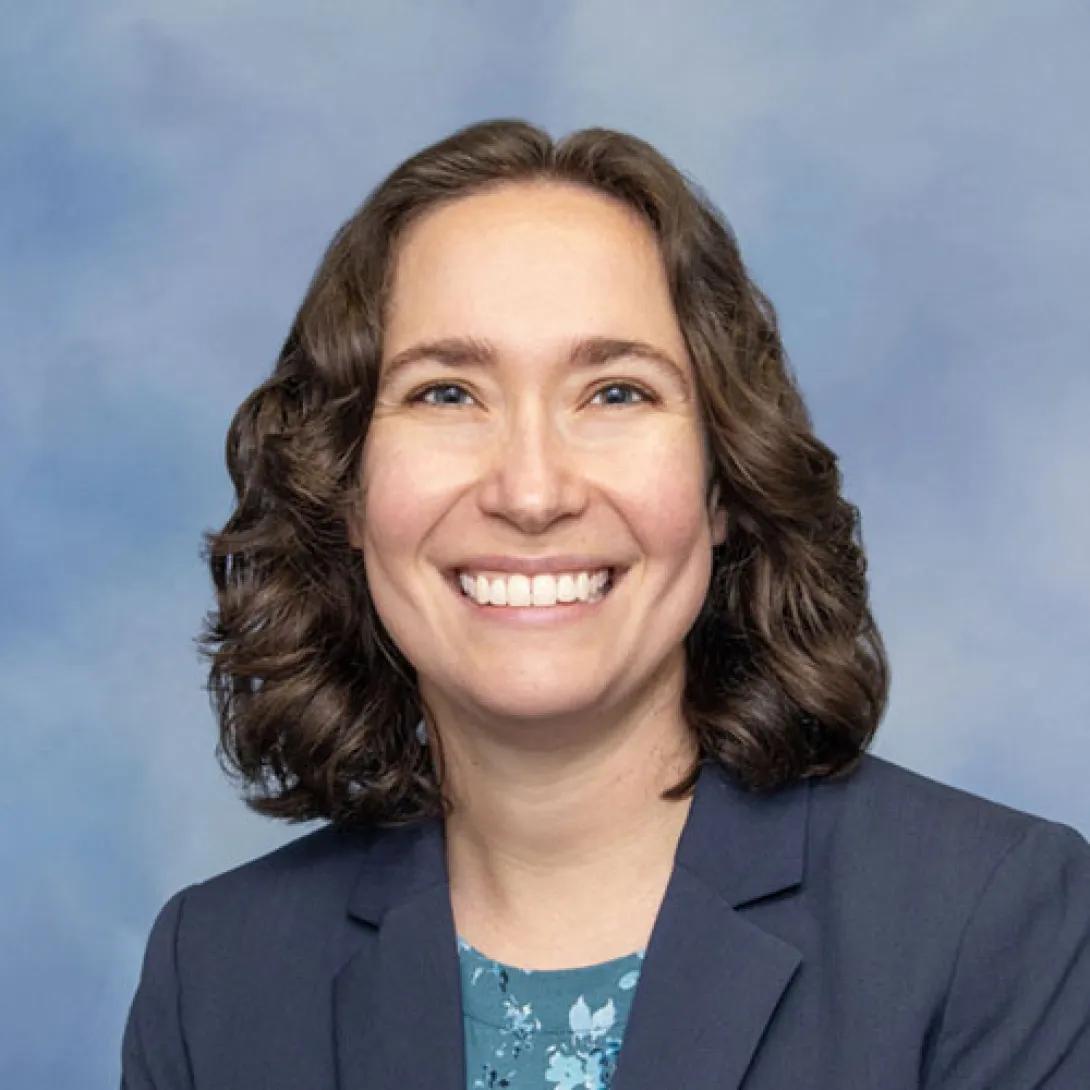
Phoebe Jordan, PhD
Medical School
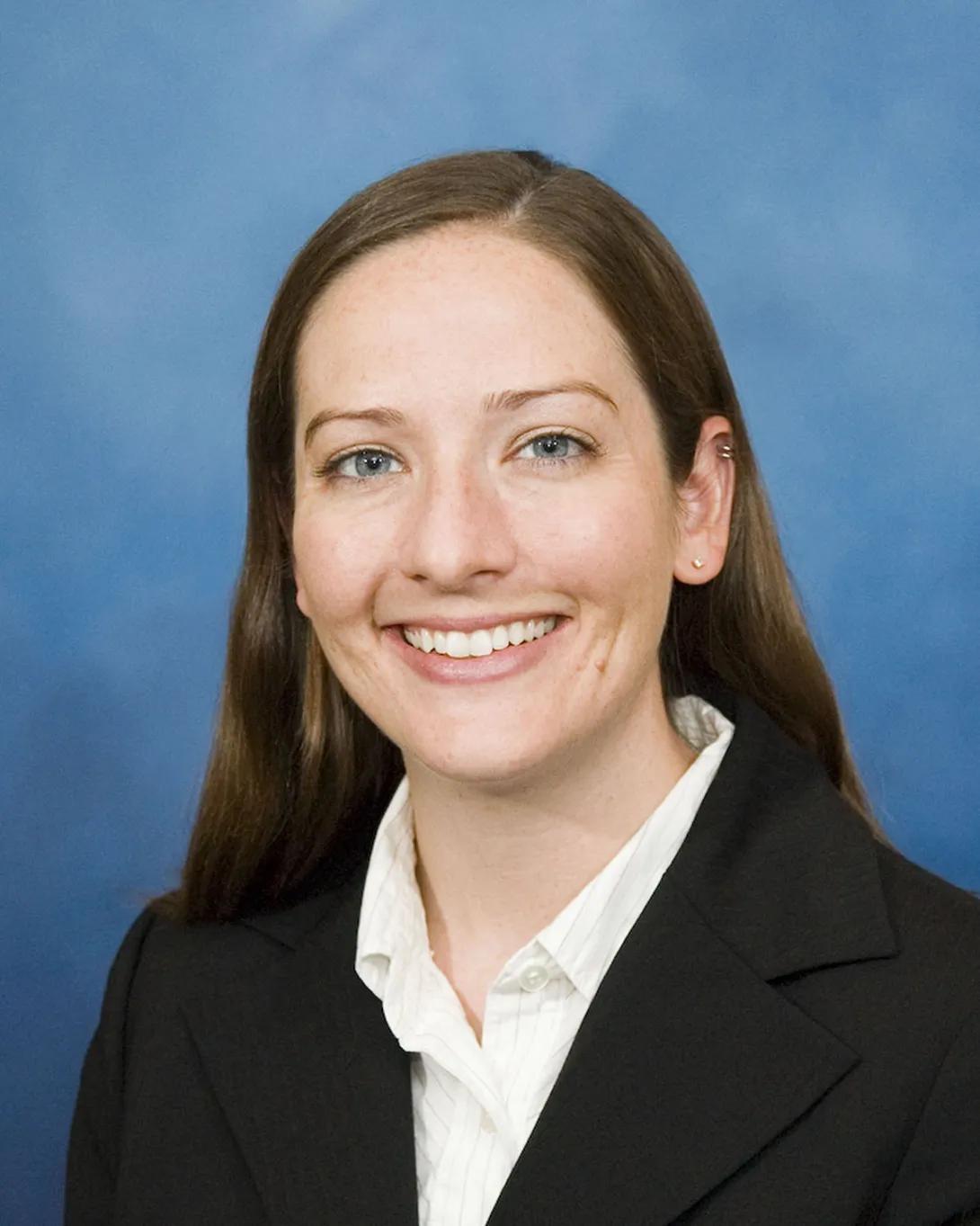
Jennifer Lynn Butcher, PhD
Medical School

See Where Training Takes Place
The University of Michigan Medical School campus offers numerous spaces dedicated to academic learning, research and clinical care, including specialty clinics, research labs, lecture halls, and clinical simulation centers. Each space and facility provides a collaborative and innovative environment for education, research and patient care.

Life in Ann Arbor
We find a new reason to love Ann Arbor nearly every day — year-round outdoor activities, cultural experiences, a growing food scene, and a welcoming, family-friendly atmosphere are just a few that come to mind. Explore all that Ann Arbor and our surrounding communities have to offer.
