Pediatrics Advanced Training Programs

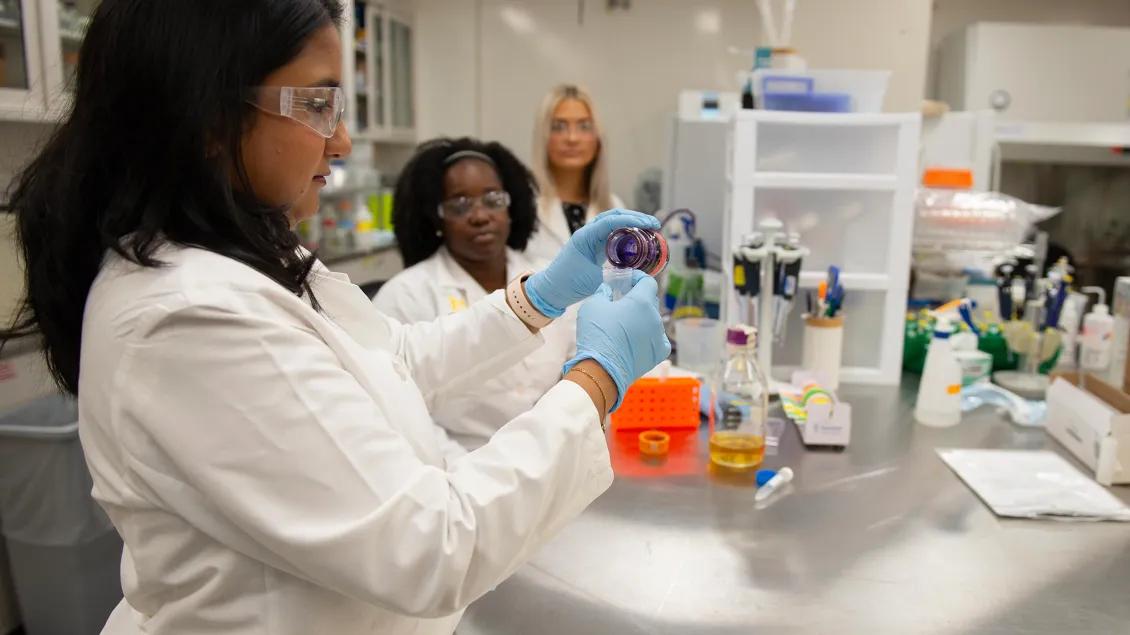
woman holding test tube with other lab helpers

Shaping Future Pediatric Leaders

Explore advanced, multidisciplinary training programs in pediatric research.

The U-M Medical School Department of Pediatrics offers several advanced training opportunities for students and professionals.

We offer two prestigious T32 Training Programs—one in Endocrinology and another in Molecular and Translational Hematology. In addition, our Pediatric Psychology Division offers an Integrated Behavioral Health & Pediatrics Internship as well as an Advanced Practicum Program for graduate students in psychology.

Our Developmental-Behavioral Pediatrics Division also offers a comprehensive, long-term training program designed for primary care providers interested in deepening their expertise and expanding their knowledge in the field.

Training Programs
Developmental Behavioral Long-Term Training Program

Building skills through mentorship and strengthening collaboration for better child and family outcomes.

Pediatric Psychology Internship

Training interns with core experiences in primary care and additional rotations in inpatient and specialty clinics.

Pediatric Endocrinology T-32 Training Program

Offering tailored, mentored research training for MD and PhD trainees, with integrated clinical training for physician-scientists.

Pediatrics Psychology Graduate Student Advanced Practicum

Providing clinical training in assessment, consultation and intervention for youth with medical or developmental disorders.

T-32 Boxer Training Program in Molecular & Translational Hematology

Advancing molecular understanding of hematologic diseases to drive novel therapies and improve outcomes for patients with both benign and malignant conditions.

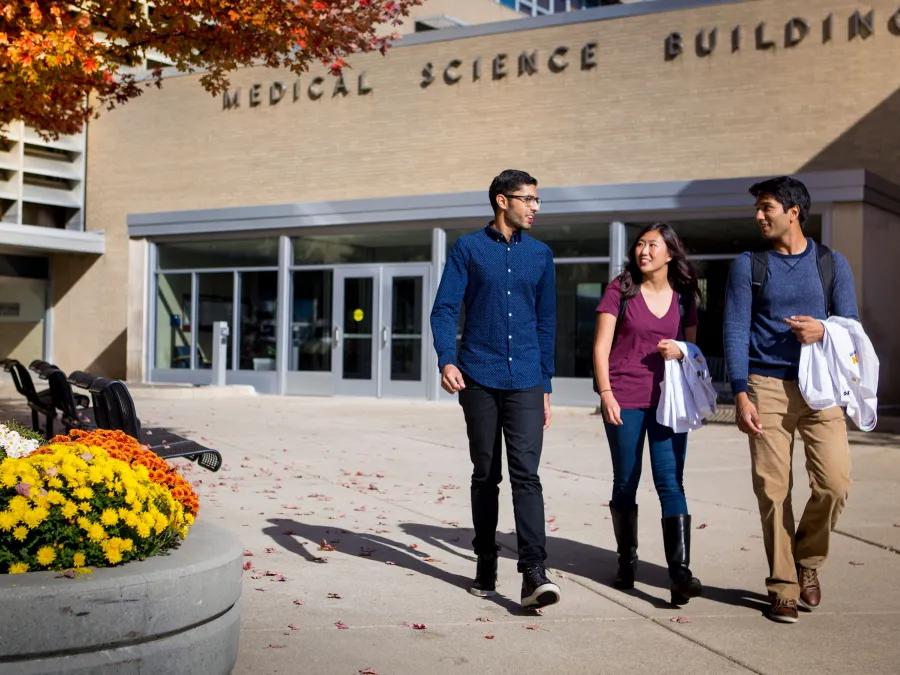
Three students walking across campus together

Our Community

Feel at home in Michigan. Explore what it’s like to live, learn and grow in Ann Arbor among a diverse and supportive network of leaders in pediatrics.

Meet our community

Featured News & Stories

See all news
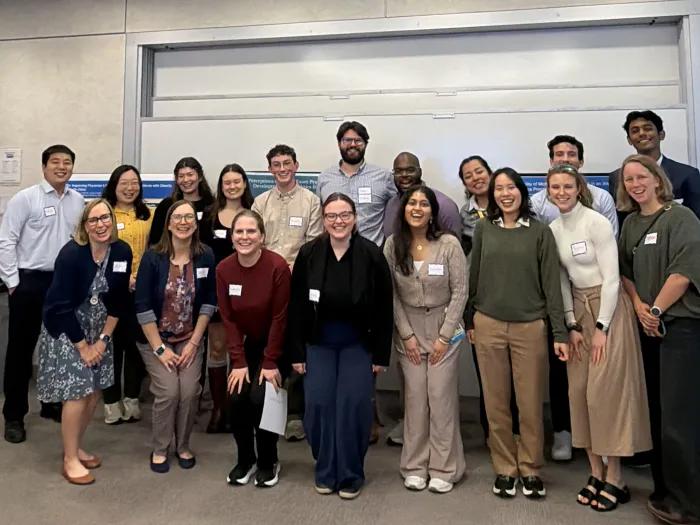
A group shot of student participants and faculty standing in two rows looking at the camera
Department News

Primary C.A.R.E. Summer Team Immersion Program Launches
The Departments of Family Medicine, Pediatrics, Internal Medicine, OB-GYN, and Med-Peds jointly launched a successful pilot program for medical students.
Emile Muallem POCUS 1
Department News

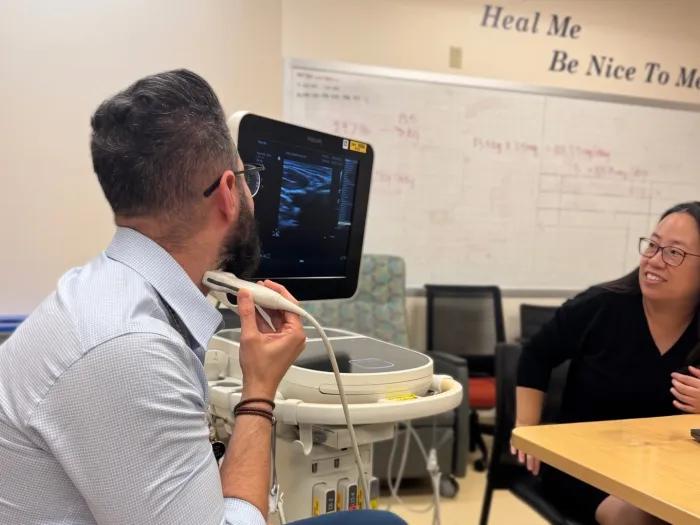
Teaching Ultrasound at the Bedside

For Emile Muallem, MD, a clinical assistant professor in the Division of Pediatric Hospital Medicine at Michigan Medicine, the idea for a point-of-care ultrasound (POCUS) curriculum began with a need he had been hearing during residency. Colleagues in pediatric hospital medicine talked about how valuable it would be to bring ultrasound into the division, and when Muallem joined the faculty, he realized he had the background and expertise to help make it happen.
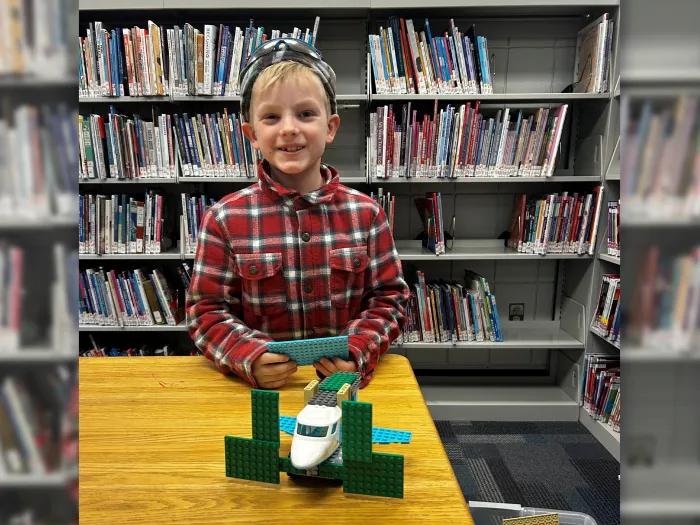
little boy at table smiling in library
Health Lab

Nerf gun accident causes retinal detachment in pediatric patient
An 8-year-old boy suffered a retinal detachment after a Nerf dart injury, requiring surgery at University of Michigan Health’s Kellogg Eye Center. Learn the warning signs of toy gun eye injuries and why protective eyewear is essential for children.
little girl with yellow shirt on soccer field smiling ready for soccer
Health Lab

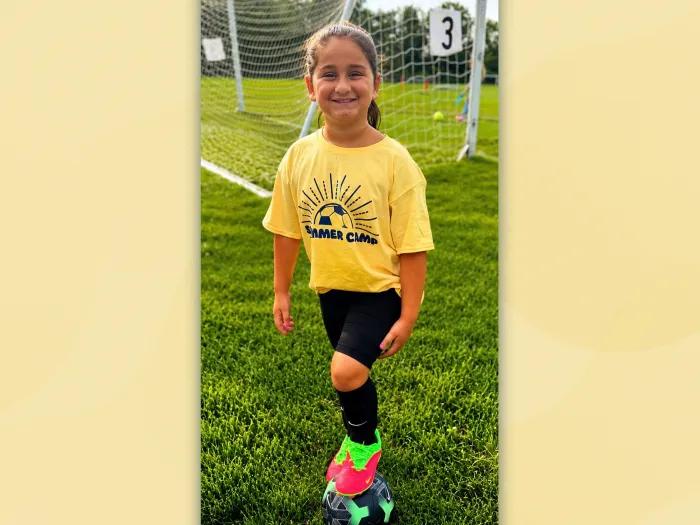
Pediatric patient treated for rare kidney cancer
When 18-month-old Maria was diagnosed with an exceptionally rare kidney cancer, specialists at C.S. Mott Children's Hospital created a customized treatment plan that saved her life.
Well-Being at Michigan Medicine with Dr. Elizabeth Harry
Well-Being at Michigan Medicine

AI, Well-Being and the Human Connection

Artificial intelligence is changing healthcare — but what does that mean for the people who deliver and receive care? Cornelius James, M.D., FACP, FNAP, a clinical assistant professor and primary care physician at for U-M Departments of Internal Medicine and Pediatrics, joins Chief Well-Being Officer Elizabeth Harry, M.D., to explore AI literacy, clinical judgment, governance, education and well-being. They discuss how healthcare can embrace new technologies while protecting human connection, empathy, wisdom and the meaningful moments that define care.
e-bikes colorful riding close up of helmet
Health Lab

E-Bikes are everywhere, but most parents say they don’t know enough about them

Electric bikes have become a familiar sight in communities across the country, but most parents say they know little about them or where they’re supposed to be used, a national poll suggests.