
RISE Advise

Awareness. Connection. Support.
About RISE Advise
RISE Advise supports faculty, staff, and learners at every stage of educational innovation—from idea to impact. Whether you’re brainstorming, piloting, or scaling an innovation into curricula or clinical practice, we offer one-time consultations with tailored guidance to move your health sciences education project forward across undergraduate, graduate, continuing, and biomedical learning.
You do not need a fully formed idea to request a consultation, but you should come with a specific request to optimize your time with the consultant. Your conversation is treated with professionalism and respect for your work—our goal is to help you develop and strengthen your ideas.
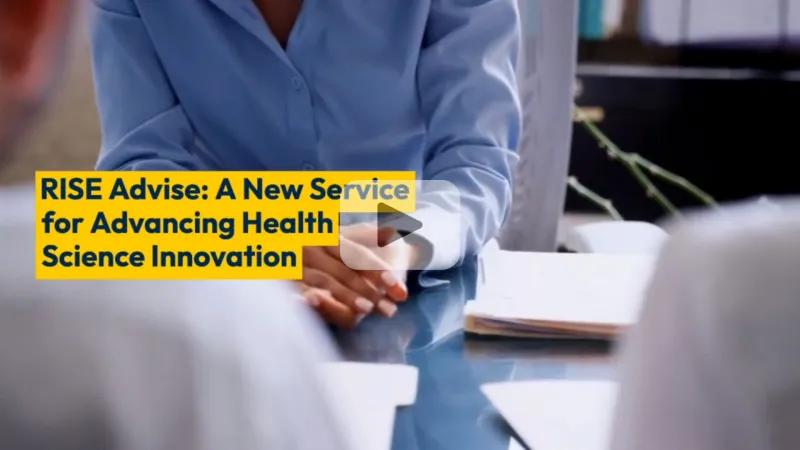
Watch the overview video below:
Our Consultants
RISE Consultants volunteer their time and expertise to support this service, partnering with educators, innovators, administrators, and scholars across the Michigan Medicine community. In individualized consultations, they help you clarify goals, strengthen your approach, and navigate key decisions—from design and implementation to evaluation and sustainability. Their shared commitment is to advance high-quality health sciences education and create meaningful, measurable benefits for learners.
“Volunteering as a RISE Advise Consultant is an incredibly fulfilling way to contribute to the health science education community,” said Dr. Rachel Gottlieb-Smith, an inaugural RISE Advise Consultant and Cohort 4 RISE Innovator. “It’s a chance to share my knowledge, collaborate with passionate colleagues, and help others make meaningful strides in their innovative efforts. I’m eager to support others through this vital new service as they bring their ideas to life."
RISE Advise connects you with an expert who can offer personalized guidance during any phase of the education innovation cycle. During your consultation, you might:
- Receive advice on teaching strategies, research approaches, or next steps to achieve your goals.
- Discuss progress and identify opportunities or barriers, with help in problem-solving.
- Connect with other stakeholders or resources that can support your efforts.
Turn innovative ideas into impactful outcomes. Request a consultation today!

Emily Abdoler
Dr. Abdoler, Clinical Associate Professor of Internal Medicine, focuses on health professions education and expertise in curriculum design, grant funding, and qualitative research. Her work centers on clinical reasoning and metacognition, with contributions to national medical education workshops and research.

David Belmonte
Dr. Belmonte is a clinician educator at the University of Michigan Medical School with longstanding experience in curriculum development and educational leadership. He previously served as Psychiatry Clerkship Director and is Assistant Director for the Doctoring Course, with expertise in curriculum design, learning technologies, and artificial intelligence in medical education.

Michael Brenner
Dr. Brenner is an academic otolaryngologist with expertise in research design, methods, and scholarship, including the development of study frameworks, data collection instruments, and dissemination strategies that translate evidence into clinical and educational impact. His work spans educational outcomes research, quality improvement, interprofessional collaboration, health equity, and AI, with a focus on aligning methodological rigor with patient-centered outcomes.

Debra Butler
Dr. Butler has over 20 years of experience in higher education administration, scaling strategic academic initiatives into sustainable programs, improving processes, building teams, and implementing rapid change. She specializes in assessing, developing, and implementing educational programs and curricula.

Pedro Coracides
Mr. Coracides, a PEAR specialist, focuses on preventing sexual misconduct and using restorative practices to build community and repair harm in healthcare settings.
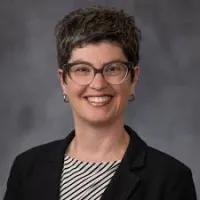
Emilee Coulter-Thompson
Dr. Coulter-Thompson is the Managing Director of the Center for History, Humanities, Arts, Social Sciences, and Ethics in Medicine (CBSSM). A public health social worker, she specializes in facilitating interdisciplinary health professional trainings using collaborative learning methods, anti-oppression philosophy, and mindful leadership practices to drive sustainable change.
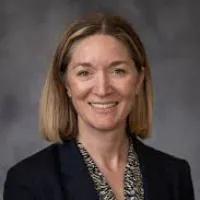
Janice Firn
Dr. Firn is a certified healthcare ethics consultant and Clinical Associate Professor of Learning Health Sciences. Her work addresses ethical issues in ICU care, palliative care, health policy, and moral distress in healthcare settings.

Ibtissam Gad
Dr. Gad is a clinical rheumatologist and medical educator with advanced training in medical education leadership and a background as a RISE Innovator. Her interests include simulation, curriculum development, and active learning, with experience developing arthritis simulators and contributing to multi-center trials and educational scholarship.

Chantal Ghanney Simons
Dr. Simons investigates barriers to medical careers for underrepresented groups and co-directs Michigan’s Urology Academy. She also focuses on global surgery education, emphasizing competency-based training and bi-directional learning.

Rachel Gottlieb-Smith
Dr. Gottlieb-Smith, a pediatric neurologist, leads education for the Child Neurology Residency Program. She integrates clinical informatics into precision education to address learning gaps in real time. Dr. Gottlieb-Smith is also an Associate Editor for the Journal of Graduate Medical Education.

Karri Grob
Dr. Grob serves as the Director of Student Affairs and focuses on transformative learning, professional identity formation, and professionalism assessment in medical education.

Larry Gruppen
Dr. Gruppen, Professor Emeritus of Learning Health Sciences, a leader in clinical reasoning and educational outcomes, has published over 200 works and mentors national education programs. He is the founding director of U-M’s Master in Health Professions Education program.

Katie Grzyb
Ms. Grzyb is a continuous improvement leader with 12+ years of experience and an educational background in health care administration. She provides the overall management of quality and operational improvement projects in the Department of Internal Medicine. Katie's expertise is in the use and facilitation of improvement methodologies, change management, and developing innovative methodologies to achieve project objectives.
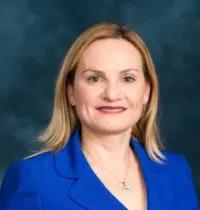
Maya Hammoud
Dr. Hammoud, Clinical Professor of Obstetrics and Gynecology and Learning Health Sciences, is a medical education innovator with expertise in health systems science and academic coaching. Her national leadership has set standards in medical education and improved transitions from medical school to residency.

David Healy
Dr. Healy is Assistant Dean for Continuing Medical Education and Life-Long Learning and Clinical Professor of Anesthesiology. He is an expert in change management and innovation scaling in medical education. He developed the MiCME platform, supporting thousands of learners annually, and successfully led two medical school reaccreditations.

Beth Holman
Dr. Holman serves as the Director of Evaluation and Assessment and has expertise in data analysis, evaluation and assessment methodology, educational research, and research methods.

Joel Howell
Dr. Howell, Professor Emeritus of Medical History, Internal Medicine, and History, studies the integration of new technologies in health education and the role of the arts in healthcare. His work explores innovation and interdisciplinary approaches to enhance patient care.
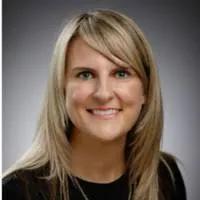
Kristina Kaljo
Dr. Kaljo, Vice Chair for Education in Obstetrics and Gynecology, specializes in pedagogical innovation and interdisciplinary collaboration. Her leadership has fostered positive learning cultures and advanced educational scholarship.

Tonya Kneff-Chang
Dr. Kneff-Chang is a Lecturer in the Center for History, Humanities, Arts, and Social Sciences in Medicine. She brings expertise in critical frameworks, curriculum innovation, and teaching practice, with a focus on medical humanities, structural inequities in healthcare, public scholarship, and more.
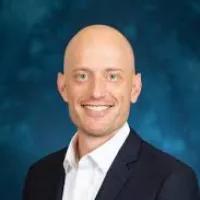
Andrew Krumm
Dr. Krumm, Assistant Professor of Learning Health Sciences, specializes in learning analytics and quality improvement. He applies data-intensive research methods to measure and enhance learning environments, drawing from his experience at Digital Promise and SRI International.
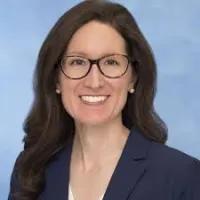
Robbi Kupfer
Dr. Kupfer, Otolaryngology Residency Program Director, has innovated mentorship programs, curriculum design, and assessment tools to support resident development.
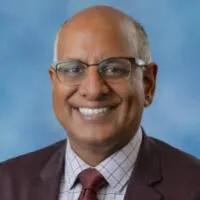
Rajesh Mangrulkar
Dr. Mangrulkar, Clinical Professor of Internal Medicine and Learning Health Sciences, Director of the Center for Interprofessional Education, and the Executive Director of Michigan Medicine RISE, focuses on scaling educational innovation and organizational leadership.
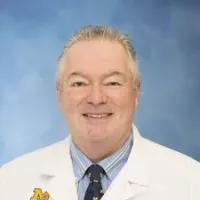
Mark McQuillan
Dr. McQuillan, Clinical Associate Professor of Internal Medicine, is an expert in bedside clinical teaching within Hospital Medicine, guiding learners in practical, patient-centered care.

Suzy McTaggart
Ms. McTaggart applies her expertise in statistics to evaluate and improve medical education programs. She has led assessment redesigns and collaborated on research projects.

Kamran Mirza
Dr. Mirza is an award-winning medical educator and mentor with a passion for transforming pathology and laboratory medicine advocacy and pedagogy. He is passionate about global pathology education, pathways to pathology, and health equity.
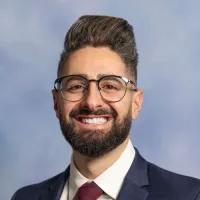
Emile Muallem
Dr. Muallem, faculty in the Division of Pediatric Hospital Medicine, uses an evidence-based approach to design curricula that teach hands-on Point-of-Care Ultrasound skills. The program incorporates learner assessment, checklist completion, and structured feedback to support effective content delivery and skill acquisition.
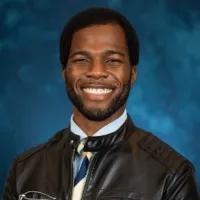
Rama Musalia
Dr. Musalia, Assistant Professor of Learning Health Sciences and Adjunct Clinical Instructor at the School of Nursing, teaches implementation science and quality improvement while coaching staff through healthcare transformation. He specializes in change management and applied learning at various educational levels.
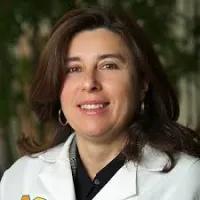
Zaneta Nikolovska-Coleska
Dr. Nikolovska-Coleska, Associate Dean for Graduate and Postdoctoral Students and Professor of Pathology, designs and revises graduate courses and curriculum proposals. Her work includes grant analysis and educational program innovation.
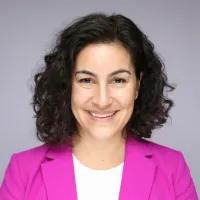
Vani Patterson
Ms. Patterson is the Administrative Director of the Michigan Center for Interprofessional Education. She specializes in change management and scaling innovations across U-M health sciences schools.
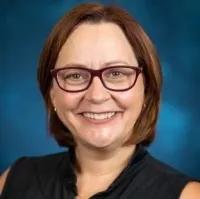
Deb Rooney
Dr. Rooney is a Clinical Professor of Learning Health Sciences in the Medical School whose work focuses on developing sustainable simulation-based training programs and improving the quality of surgical care through industry engagement. Her research emphasizes the use of modern measurement models to analyze the impact of curricula on trainee performance and patient care.
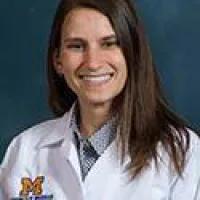
Allison Ruff
Dr. Ruff is a Clinical Associate Professor in General Medicine and the Director of Health System Science at the University of Michigan Medical School. Her research focuses on engaging medical students in primary care, assessing health system science competencies, and improving student feedback processes.
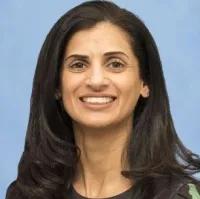
Gurjit Sandhu
Dr. Sandhu is a faculty member in the Departments of Surgery and Learning Health Sciences whose research focuses on progressive entrustment and graduated autonomy in surgical education. Her work centers on the scholarship of teaching and learning, with an emphasis on professional education, instructional methods, and assessment, and is further informed by her qualitative research on social accountability, health equity, and global health.
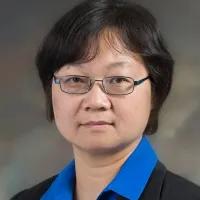
Xiaomei Song
Dr. Song, Director of Student Assessment and Associate Professor at Case Western Reserve, School of Medicine, is an expert in assessment, learner outcomes, and institutional effectiveness. Her research bridges qualitative and quantitative methods to enhance academic and professional settings.
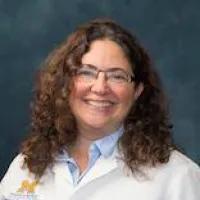
Caren Stalburg
Dr. Stalburg, Associate Professor of Obstetrics and Gynecology and Learning Health Sciences, combines her medical expertise with a Master of Arts in higher education. She is nationally recognized for her work in faculty development, clinical skills assessment, and women’s health education.
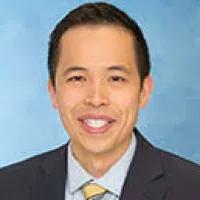
Marty Tam
Dr. Tam, Clinical Associate Professor of Internal Medicine and Associate Fellowship Director, is an advanced heart failure cardiologist and curriculum expert with roles in UME and GME leadership. He specializes in learner assessment and faculty development.
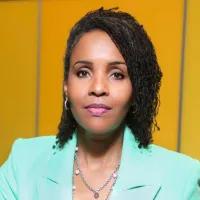
Paula Thompson
Dr. Thompson, RISE Program Director, has over 15 years of experience in qualitative research and medical education scholarship. She also serves as an Associate Editor for Academic Medicine.
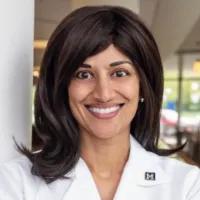
Anita Valanju Shelgikar
Dr. Shelgikar is a Professor of Neurology at the University of Michigan Medical School and the Director of the Sleep Medicine fellowship at Michigan Medicine. She is passionate about competency-based education, with a focus on assessment and development of the knowledge, skills and attitudes necessary for physicians in training to become ready for independent practice.
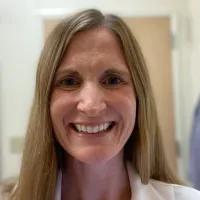
Meg Wolff
Dr. Wolff, Clinical Professor of Emergency Medicine and Pediatrics and RISE Curriculum Director, directs curriculum development at RISE and leads the medical student coaching program. Her leadership spans both undergraduate and graduate medical education.

Diana Wong
Dr. Wong is a seasoned consultant in strategy, organizational culture, and leadership development. She brings global healthcare experience and extensive expertise in academic medical centers.

James Woolliscroft
Dr. Woolliscroft, Dean Emeritus of the Medical School, Professor Emeritus of Internal Medicine and Learning Health Sciences, brings decades of administrative experience and expertise in developing and implementing educational programs. His leadership has shaped medical education nationally and internationally.

Nikki Zaidi
Dr. Zaidi, Director of RISE Evaluation and Assessment, leverages her expertise in program evaluation, assessment design, and quantitative analysis to advance educational innovation.
We appreciate your commitment to making a difference in health science education. RISE Advise Consultants play a vital role in helping others address challenges, enhance teaching and learning, and remove barriers to innovation in health science education. By serving as a Consultant, you’ll contribute meaningfully to the education community while building lasting relationships with colleagues who share your commitment to making a difference.
1. What to Expect
As a Consultant, your contribution can involve 1 or more of the following activities:
- Participate in a one-time meeting (in-person or virtual) with educators, innovators, scholars, or administrators to share your experiences, network, and resources to advance health science education innovation through brainstorming, piloting, implementation, scaling, and dissemination efforts. (up to 4 per year)
- Serve on a panel or as a discussant on cutting edge education topics (up to 2 per year).
- Support education scholarship individually, or by sponsoring submissions to conferences or journals
- Bridge connections between faculty, staff and learners interested in specific topics or ideas in health science education.
- Serve as an expert respondent at Academy of Medical Educator - PRISM sessions (up to 2 per year).
2. Eligibility
ALL Faculty, staff, and learners with experience or interest in research, innovation, scholarship, or education are encouraged to join. Membership renews annually in January.
3. Recognition
Your contributions won’t go unnoticed. As a RISE Advise Consultant, you’ll receive acknowledgment in our newsletter and also an annual formal letter of service highlighting your efforts to your department chair or supervisor.
We would LOVE for you to join us! Please complete the Become a Consultant Form so that we can learn more about you and your area(s) of expertise. All information is reviewed by the RISE leadership team.
