Pre-Application Tips for Prospective Med Students

Prep for Premed
Preparing to apply to med school starts with research and review. Browse our tips to get a head start.
How should Premeds prepare for medical school?
If you are considering applying to medical school in the next cycle or at some point in the future, we encourage you to research and review as many available resources as you can to get a better idea of what is in store for you.
We've rounded up some advice and resources to get you started. Read on for tips on applying, interviewing and finding the best match for your medical education.
Top 10 Tips for Applying to Medical School
- Research the missions of the medical schools. Secondary applications especially are often centered around mission. Our mission: “To transform health through bold and innovative education, discovery and service.”
- Be mindful of your academic competencies. Any undergrad major is fine as long as your complete the necessary science courses. Finish your coursework and study before taking the MCAT. The AAMC offers practice tests that are great predictors of your MCAT score. Taking the test twice is not a red flag but take the test only when you have had time to fully prepare for it. The MSAR provides a range of scores that each school finds acceptable for interview invites.
- Provide experiences from your first year of college and onward. Work with patients, serve the community and spend time with those who think and see the world differently than you. Rather than starting a new student organization, help one with a mission you are passionate about that already exists! Don't be a box checker; longevity of experiences is valuable. Focus on what you learned when writing about your experiences not what other people experienced.
- Tell more of your story in the personal statement. No need to reiterate all of your experiences again. Focus on sharing "why medicine?" and what motivates you to learn more. Go beyond the superficial; dig deep and tell us more of your story. Only share what you are willing to discuss in an interview. Ask folks who don't know you very well to review your statement.
- Focus on your path, attributes and passions in your growth and application years. Approximately 50% of our incoming classes graduated from undergrad two or more years before entering medical school. Spend this time doing what makes sense for you. If you are taking additional classes to enhance your GPA, finish this coursework before applying. Having a master's degree does not automatically make you a more qualified candidate. Learn more about attributes of a successful candidate.
- Apply when you are ready to apply. While many medical schools have a submission deadline in the fall, generally speaking the best time to apply is before July 4. If you don’t have everything ready to submit around that time, take a step back and think about whether this is the year for you to apply. When we screen files, we take into consideration all the work that you have done up to that point in time. Your experiences during the application year itself are considered during and post-interview.
- Practice various interview formats. Take advantage of interview prep resources offered through your campus. Practice interviewing and talking about yourself. Familiarize yourself with different interview formats (UMMS interviews are virtual). Learn more about Interview Day at UMMS.
- Request letter of recommendation writers to speak about your attributes. Ask people who know you well and refer them to this AAMC resource. UMMS requests 3-4 letters for our MD program (up to six for MD | PhD); different schools have different requirements.
- Use reliable resources. The AAMC and MSAR are trusted sources. Be wary of sites such as studentdoctor.net or Reddit, which may create anxiety. We've provided a list below to get you started.
- Show your passion. We want to see your authentic self and your unique path. The more genuine you are on the application, the more it will resonate with admissions — let you be you!
Tips for gaining exposure to medicine and service to others
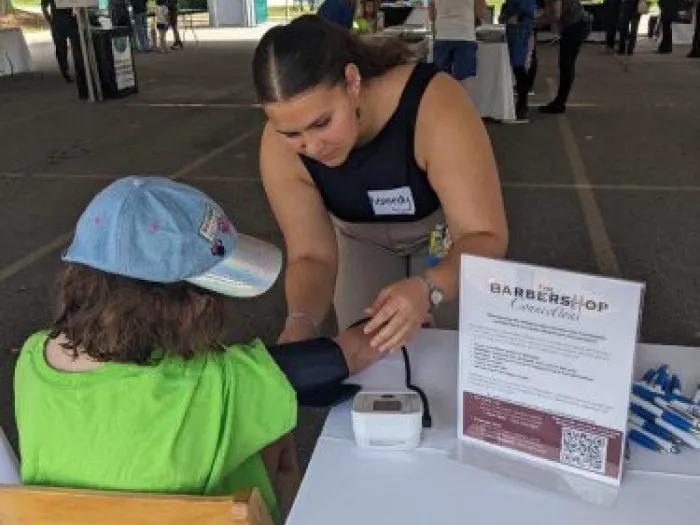
U-M Medical School recommends that you engage in service, volunteerism and other experiences that demonstrate your commitment to others over an extended period of time. Get out of your comfort zone and learn more about yourself and others!
Your exposure to medicine may include, but is not limited to, being a medical assistant, hospice volunteer, patient care technician, phlebotomist, certified nurse assistant, clinical researcher and more. Find your passion.
Top Resources for Premeds
Explore these resources for more advice on preparing for medical school.
Michigan wants to see what your interests are and help you develop them and reach your goals. Since I had been doing things I was really interested in, I was able to clearly share why those activities were meaningful for me and how they shaped my desire to become a physician.
Explore podcasts
UMich Med Mosaic is a podcast hosted by medical students, for medical students – and those who aspire to be! Join us as we share their diverse and unique stories as they pursue careers in medicine. Listen to the podcast.
Some of my most formative and important experiences were not directly related to medicine, and that's okay. Having a diverse set of experiences that I really cared about and learned from was incredibly helpful to me and I think probably contributed to my successful admission.
Additional Tips

- Speak with current med school students
- Build relationships with mentors
- Thoroughly review med school and related websites
- Utilize industry-related materials, like AAMC and MSAR
- Research medical ethics articles
- Be confident in who you are and work to genuinely express your passions
News & Stories

Reading as an Empathy and Community Practice: Building a Medical Student Book Club
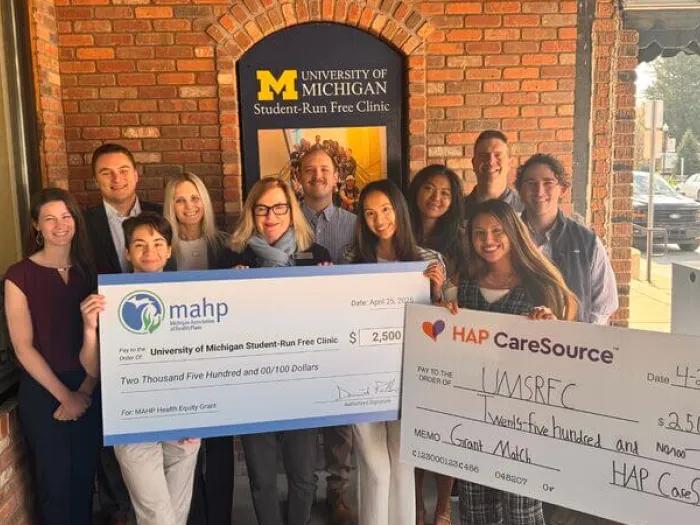
One Patient, Five Schools: Building Interprofessional Care at Michigan's Student-Run Free Clinic