
Pediatric Physician Scientist Training Program
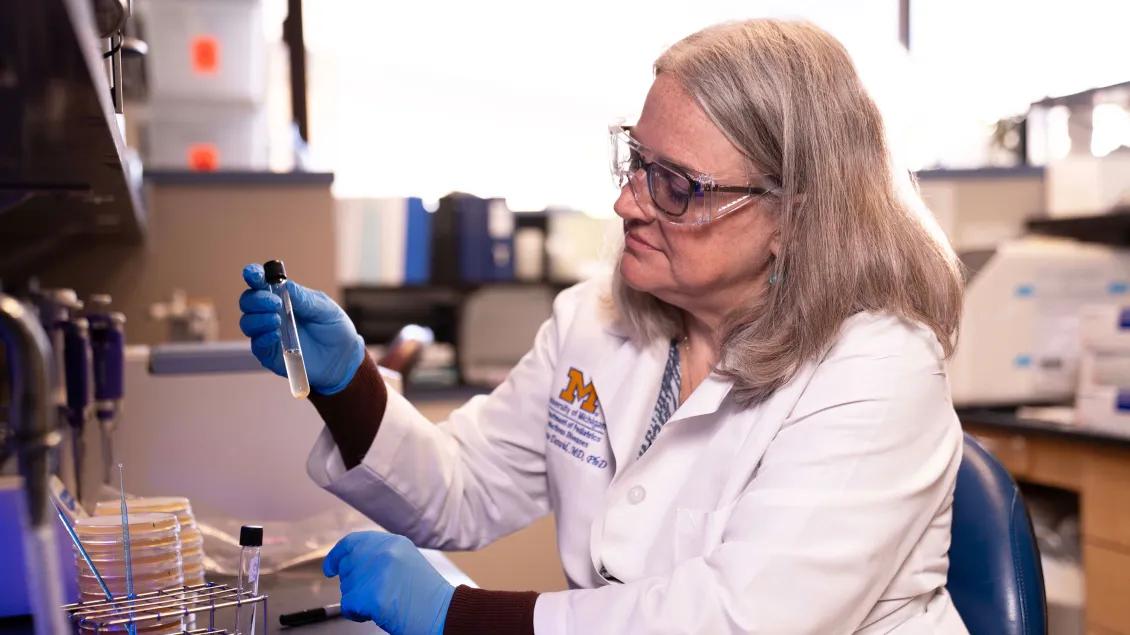
The U-M Medical School Department of Pediatrics is strongly committed to the development of the next generation of academic pediatric physician scientists. The Pediatric Physician Scientist Training Program (PPSTP) is offered as a mechanism to encourage and develop pediatric residents who are committed to a research career. Applicants with advanced degrees such as MPH or PhD are encouraged to apply, but an advanced degree is not required for participation in the PPSTP.
For More Information
How to Apply
Eligible candidates for the PPSTP are those who have completed medical school and are committed to a career that incorporates significant time dedicated to research. Applicants should have significant prior research experience that may include an additional advanced degree (such as PhD, MPH, MS); an advanced degree beyond an MD is not required. Applicants should apply to the PPSTP pathway or Medical Genetics/ Pediatrics Residency Program at U-M Medical School. Applicants can elect to apply to both the Categorical Pediatrics program and the PPSTP if they want to be considered for both. Applicants will be asked to submit a supplementary PPSTP application when invited to interview.
- Applications to these Residency Programs should be submitted through ERAS.
- After ERAS applications have been reviewed, the Residency Program will contact qualified individuals to schedule interviews and will provide a link to a brief supplemental application for the PPSTP.
- Supplemental PPSTP interviews will be scheduled during the Residency Program Interviews based on the applicant’s research and fellowship interest.
- Applicants will either rank the Medical Genetics/ Pediatrics Residency (if applicable) or rank the PPSTP track for the Categorical Pediatrics Residency. Applicants also have the option to rank the regular track for the Categorical Residency if desired.
- Applicants to the PPSTP will rank the PPSTP track through the NRMP.
Contact
- Suzanne Dawid, MD, PhD, PPSTP Director: [email protected]
- Heather Burrows, MD, PhD, Residency Program Director: [email protected]
Advanced Research Training
The PPSTP allows dedicated research time during residency for participation in research projects mentored by faculty at U-M Medical School. The Department supports science broadly and has established this program to support the career development of residents interested in health services, clinical, translational, and basic science research. The PPSTP is endorsed and supported by the Chair, all Division Directors, and all Fellowship Directors in the Department.
Program Tracks
- Integrated Research Pathway (IRP): 3y Residency with 2 clinical years and 1 research year (10 blocks). Research months would replace clinical electives. IRP participants must receive American Board of Pediatrics (ABP) approval prior to 9 months into HO1 year. There is no formal integration with a fellowship program in this track.
- Combined Pediatrics & Medical Genetics: Resident applicants who are interested in a Physician-scientist pathway can participate in the PPSTP but would train under the Medical Genetics program timeline.
Program Benefits
PPSTP fellows are assigned a faculty mentor aligned with their research and/or clinical aspirations in the HO1 year. The PPSTP faculty mentor may not necessarily be the research project mentor but will help with career guidance. Faculty mentors whose research and/or clinical focus are best aligned with the applicant will be drawn from the Physician Scientist Mentorship Committee. These faculty are specifically interested in the mentoring and training of Pediatric physician scientists and will play an integral role in the PPSTP fellow’s future success.
We offer PPSTP fellow specific conferences on career development and grant opportunities for research supplies and support. Trainees also have access to core facilities and equipment in the Department of Pediatrics and financial support for research supplies/costs up to $15,000 based on each individual's needs and goals.
We also offer assistance in the transition to fellowship/faculty programs:
- Postdoctoral Research Training Program
- K12 Program (CHRC)
- Pediatric Endocrinology T32 on Developmental Origins of Disease
- Pediatric Hematology/Oncology T32
In addition, trainees have free access to Nature Masterclasses (self-paced, online instruction on the research lifecycle). Trainees have the opportunity to attend courses on topics such as, Writing & Publishing a Research Paper, Effective Collaboration, Managing Research Data, Persuasive Grant Writing, Networking for Researchers, Finding Funding Opportunities, Getting an Academic Research Position, Effective Science Communication, Creating Successful Research Posters.
Fellows who successfully complete their training in the Department will be considered high priority for junior faculty positions.
PPSTP Mentorship Committee
The PPSTP Mentorship Committee brings together experienced faculty from across a broad range of pediatric subspecialties. Committee members help fellows identify mentors, navigate research and clinical career pathways, and connect with opportunities aligned with their individual goals. Select a faculty member’s profile below to learn more about their research interests and academic work.
- Terry Bravender, Adolescent Medicine
- Joshua Meisner, Pediatric Cardiology
- Julie Lumeng, Developmental Behavioral Pediatrics
- Dave Olson, Pediatric Endocrinology
- Jeremy Adler, Pediatric Gastroenterology
- Jordan Shavit, Pediatric Hematology
- Katherine Salada, Pediatric Hospital Medicine
- Suzy Dawid, Pediatric Infectious Diseases
- Zubin Modi, Pediatric Nephrology
- Karl Desch, Neonatal-Perinatal Medicine
- John Prensner, Pediatric Oncology
- Peter Mourani, Pediatric Critical Care
- Carey Lumeng, Pediatric Pulmonology
- Jessica Turnier, Pediatric Rheumatology
Current Trainees
We are committed to developing the next generation of academic physician-scientists through the PPSTP. Trainees benefit from dedicated research time, broad departmental support, and tailored guidance across specialized clinical and research tracks to foster their academic careers.
Salary & Benefits
We offer highly competitive salaries and generous benefits to our residents, fellows, and advanced trainees. Trainee salary will be commensurate with that of a House Officer at an equivalent level of training based on the HOA contract.
Program Leadership
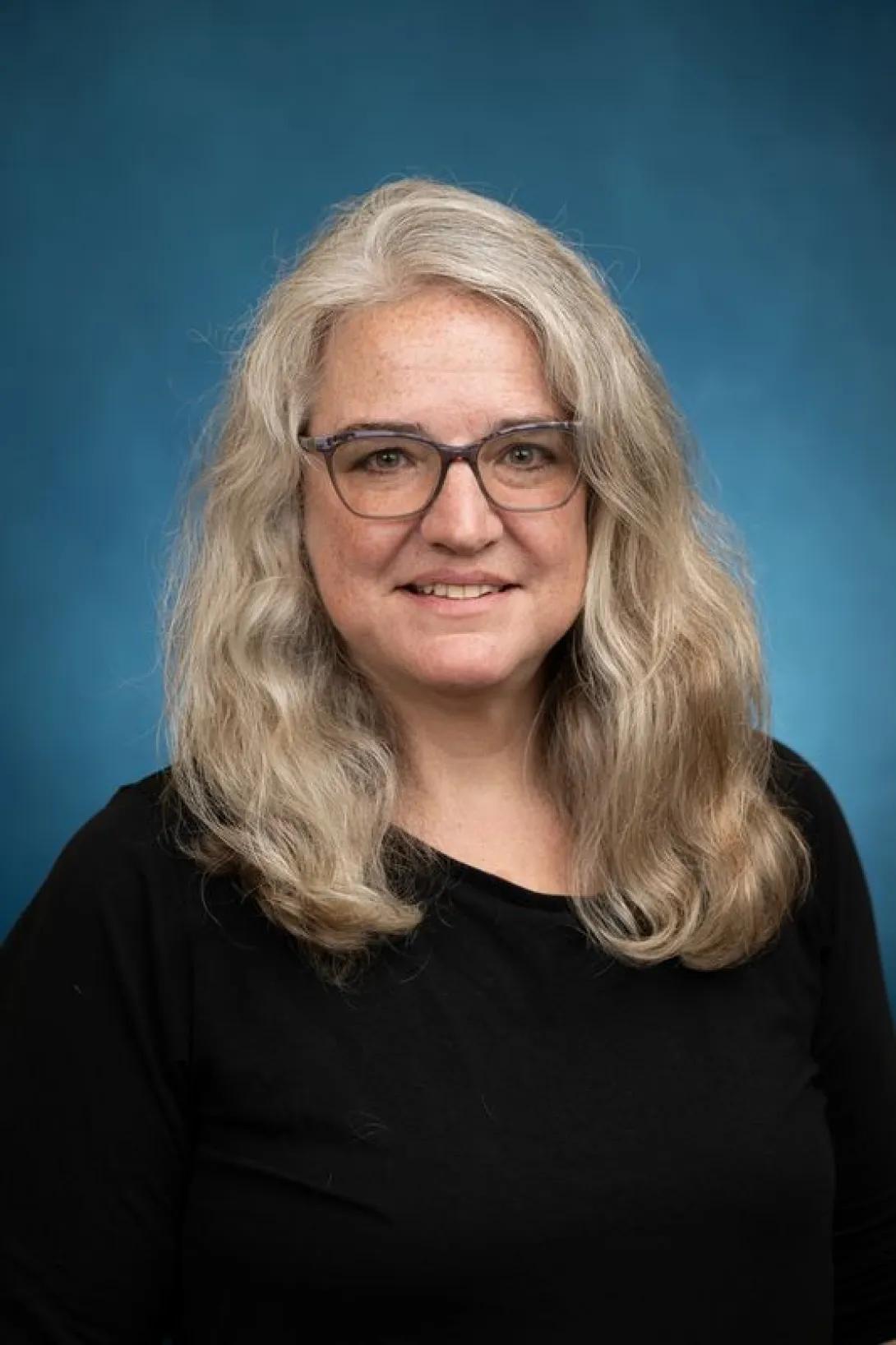
Suzanne Dawid, MD, PhD
Associate Professor of Pediatrics
Associate Professor of Microbiology and Immunology
Medical School
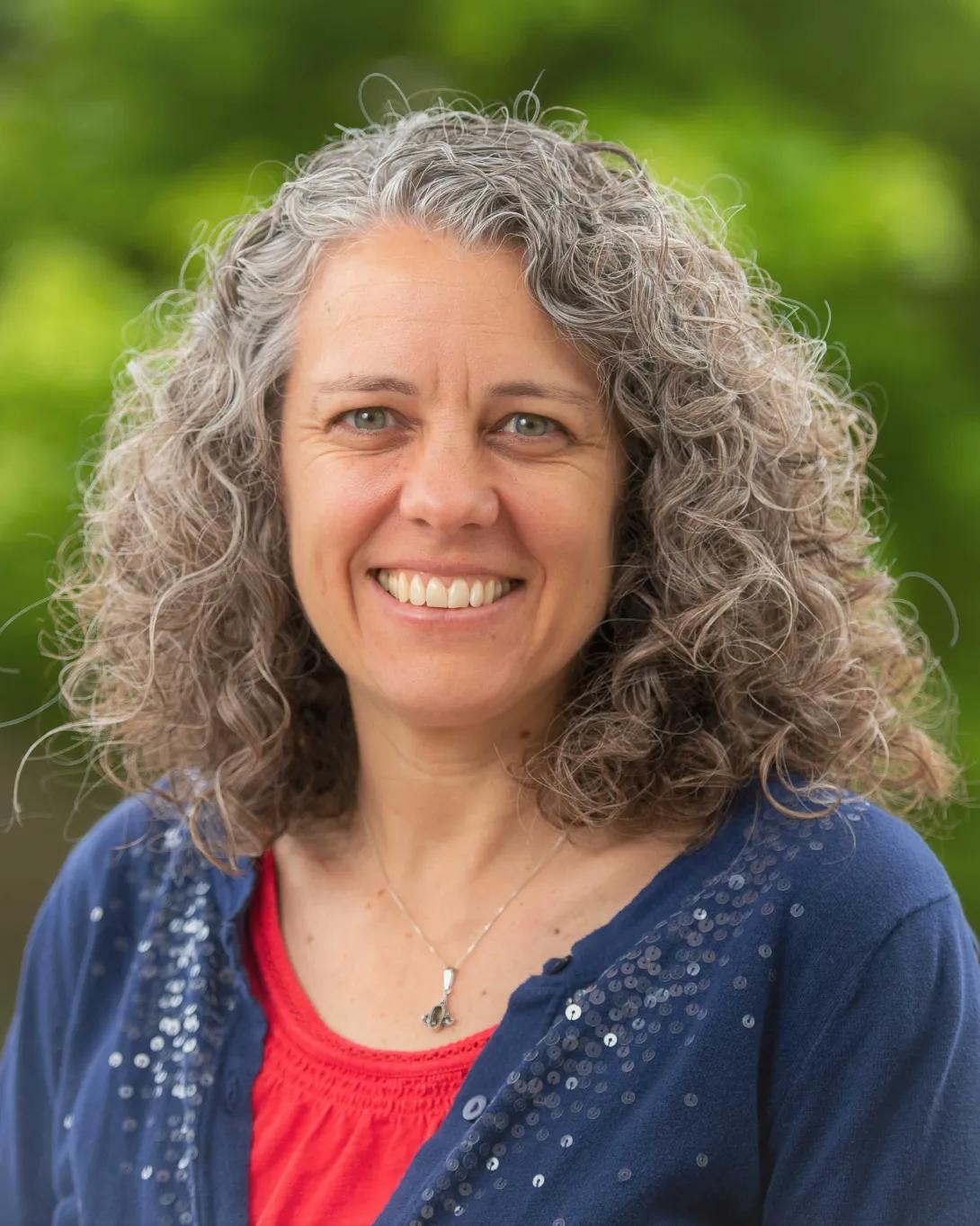
Heather L Burrows, MD, PhD
Assistant Medical Director
East Ann Arbor General Medicine
Associate Chair, Education and Program Director
Pediatrics Residency Program
Medical School
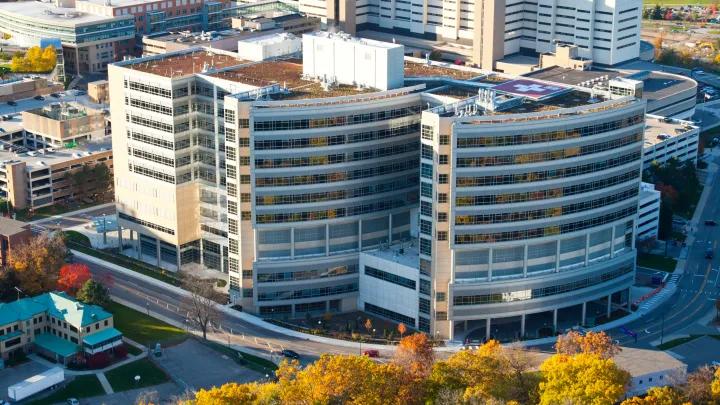
See Where Training Takes Place
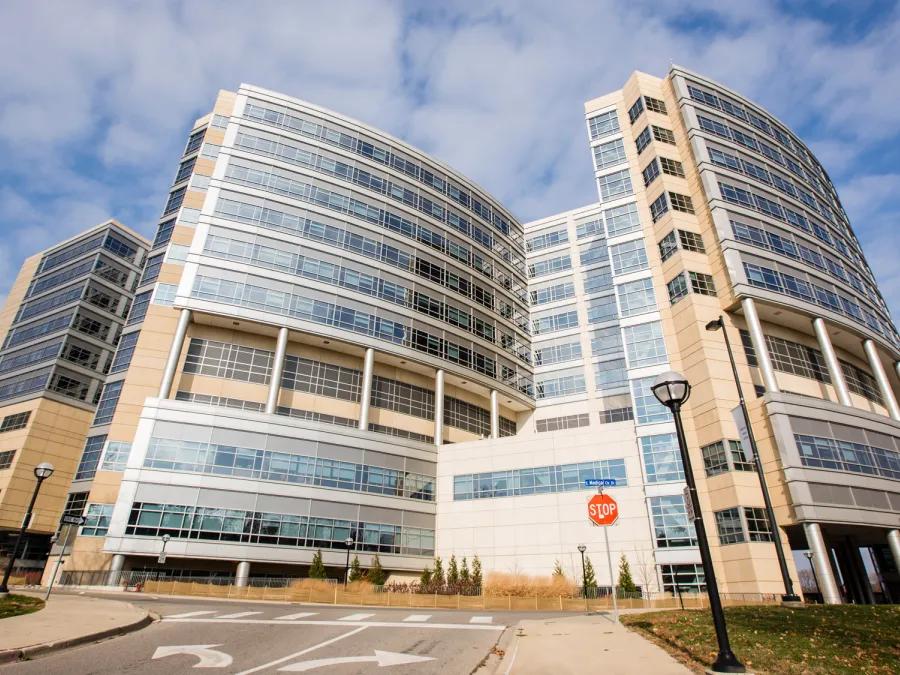
The U-M Medical School campus offers numerous spaces dedicated to academic learning, research and clinical care, including specialty clinics, research labs and more. Each space and facility provides a collaborative and innovative environment for education, research and patient care.

Life in Ann Arbor
We find a new reason to love Ann Arbor nearly every day — year-round outdoor activities, cultural experiences, a growing food scene, and a welcoming, family-friendly atmosphere are just a few that come to mind. Explore all that Ann Arbor and our surrounding communities have to offer.
