-
Adolescent Medicine -
Developmental Behavioral Pediatrics -
General Pediatrics -
Neonatal-Perinatal Medicine -
Pediatric Cardiology -
Pediatric Critical Care Medicine -
Pediatric Endocrinology -
Pediatric Gastroenterology -
Pediatric Genetics, Metabolism & Genomic Medicine -
Pediatric Hematology | Oncology -
Pediatric Hospital Medicine -
Pediatric Infectious Diseases -
Pediatric Nephrology -
Pediatric Neurology -
Pediatric Psychology -
Pediatric Pulmonology -
Pediatric Rheumatology
Pediatric Critical Care Medicine
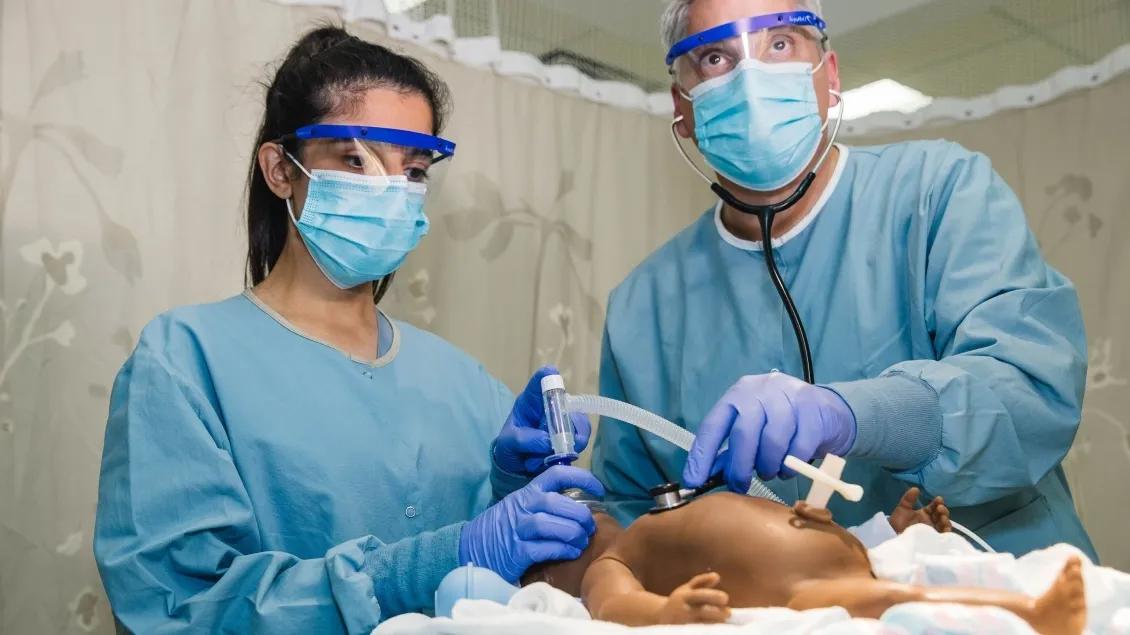
Division of Pediatric Critical Care Medicine
Leaders in the care of critically ill children and advanced organ support.
The U-M Medical School Department of Pediatrics Division of Pediatric Critical Care Medicine is in the Pediatric Intensive Care Unit (PICU) at C.S. Mott Children's Hospital. This houses 30 beds for children with medical or surgical illnesses requiring the highest level of intensive monitoring or therapy.
Our PICU provides 24-hour care by a multidisciplinary care team of nurses, respiratory therapists, pharmacists and nutritionists -- all led by board-certified pediatric intensivists. The team also includes critical care fellows, advanced practice providers and residents from pediatrics and various Medical School training programs.
Our PICU enjoys an international reputation for excellence in the care of children with respiratory failure, especially those who require artificial organ support.
The care of children with acute respiratory failure, severe sepsis and septic shock, multiple organ failure, bereavement and teamwork are subjects of ongoing research. Nationally recognized programs in artificial organ support with extracorporeal membrane oxygenation (ECMO), hemodialysis and hemofiltration are unique to our program.
Education
At the University of Michigan Medical School, we have dynamic program ranging from traditional to immersive and hands-on learning.
We have endless opportunities for fellows to teach learners from all disciplines. Our ACGME-accredited fellowship program offers comprehensive training, designed to meet the needs of each individual's education and career goals.
Research
Faculty in the Division of Pediatric Critical Care Medicine are engaged in innovative, multidisciplinary research aimed at improving outcomes for critically ill children. Our research spans the full continuum from basic science to clinical application and health services, integrating laboratory discoveries with advances in patient care and system-level improvements.
Our current areas of research include:
- Acute Kidney Injury (AKI)
- Biological and Genetic Markers of Pediatric Critical Illness
- Cardiac Arrest
- ECMO (Extracorporeal Membrane Oxygenation)
- Continuous Renal Replacement Therapy
- Pediatric Acute Respiratory Distress Syndrome (PARDS)
- Acute Respiratory Failure
- Pediatric Sepsis
- Multiple Organ Dysfunction/Failure
- Therapeutic Hypothermia
- Quality Improvement & Patient Safety Initiatives
- Medical Device Development
- Interfacility Transport
- Long Term Outcomes
- Financial Toxicity Outcomes
- Rapid Response Teams
- Medical Ethics
- Medical Decision Making
The Division is actively involved in the NHI-funded Collaborative Pediatric Critical Care Research Network (CPCCRN) and the Pediatric Acute Lung Injury and Sepsis Investigators Network (PALISI). From trials of the first safe polio vaccine to the latest breakthroughs in treatments for neurological diseases, U-M Medical School continues to be at the forefront of pioneering biomedical research that significantly impacts human health.
Contact Us
Division of Pediatric Critical Care Medicine
1500 East Medical Center Drive
F6790 UH South/SPC 5243
Ann Arbor, MI 48109
Give to Pediatric Critical Care Medicine
Your gift can help us provide the highest-quality care while contributing to major advances in patient care, research and education. Donate to the LIFE Fund to support Critical Care Medicine.
Division Leadership
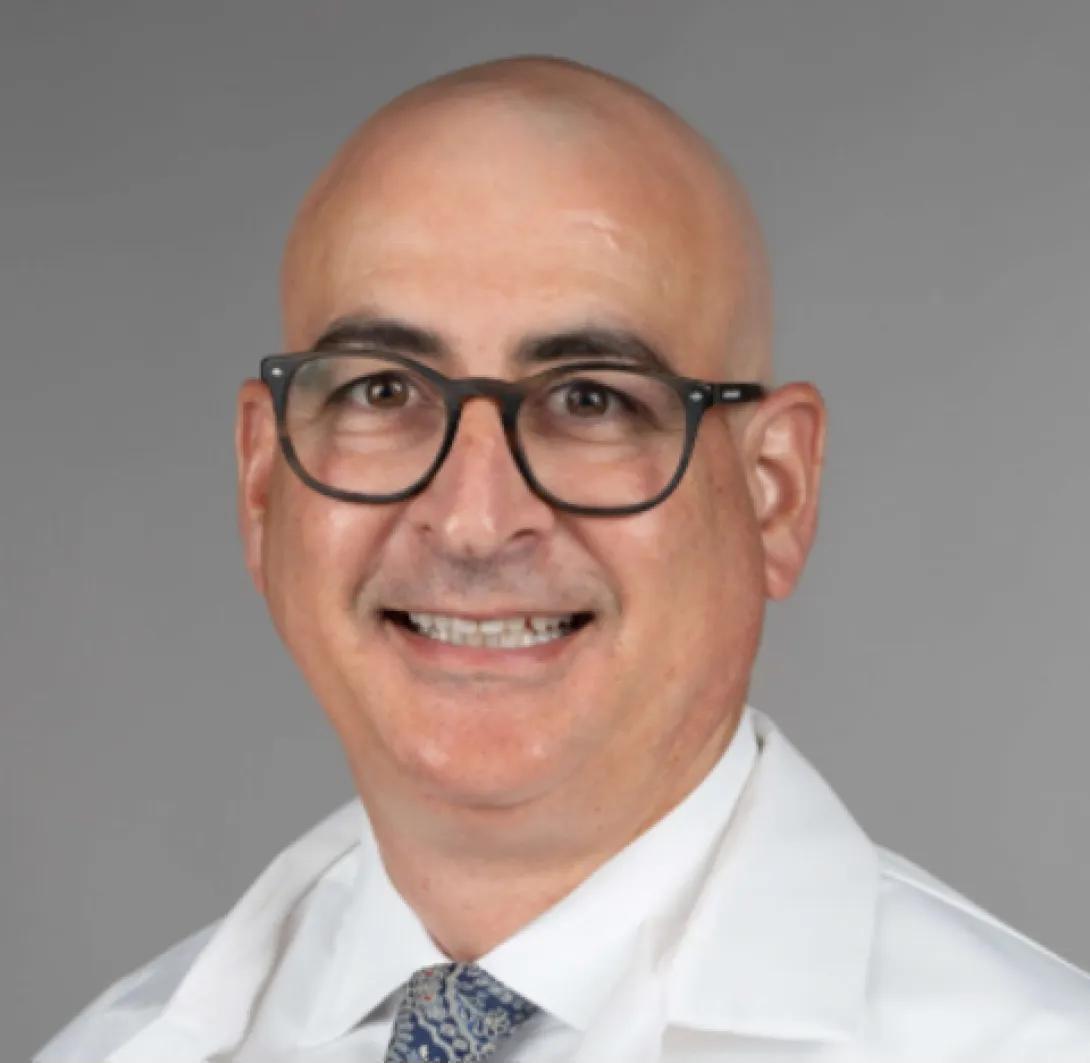
Peter Mourani, MD
Associate Chair, Department of Pediatrics
Professor of Pediatrics and Division Director
Research
Medical School
Featured News & Stories
Diagnostic stewardship optimizes detection of appendicitis
Young heart transplant recipient fights off cancer

Caregivers more likely to face financial burden following pediatric critical illness
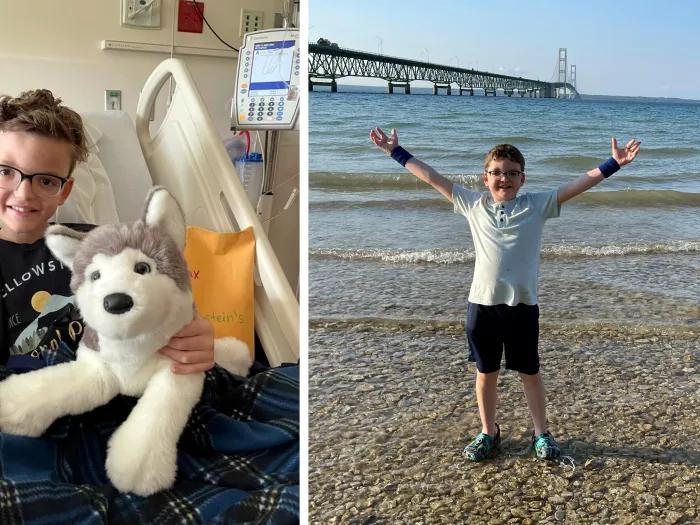
9-year-old back to being a kid after overcoming rare conditions, complex surgeries
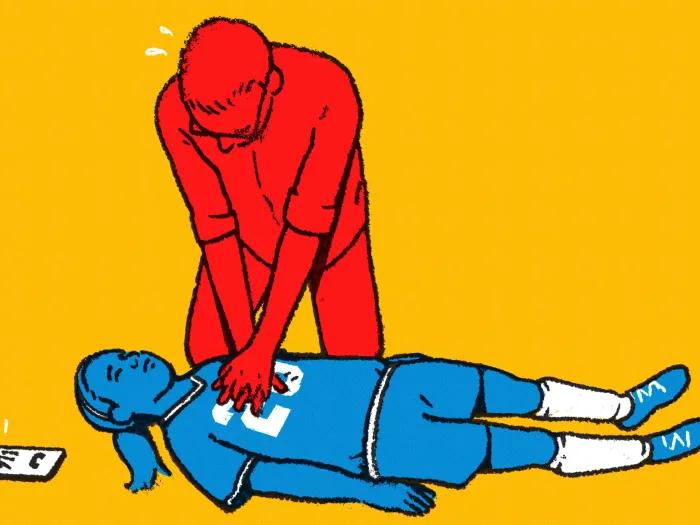
Sudden cardiac arrest in young athletes: 5 things parents should know