
-
Medical Student Programs -
Pediatric Residency -
Child Neurology Residency -
Medical Genetics Residency -
Fellowships -
Adolescent Medicine -
Developmental Behavioral Pediatrics -
Medical Biochemical Genetics -
Neonatal-Perinatal -
Pediatric Cardiology -
Pediatric Critical Care Medicine -
Pediatric Endocrinology -
Pediatric Gastroenterology -
Pediatric Hematology & Oncology -
Pediatric Hospital Medicine -
Pediatric Infectious Diseases -
Pediatric Nephrology -
Pediatric Pulmonary -
Pediatric Rheumatology -
Pediatric Psychology
-
-
Advanced Training Programs -
Facilities & Spaces
Pediatric Medical Genetics Residency
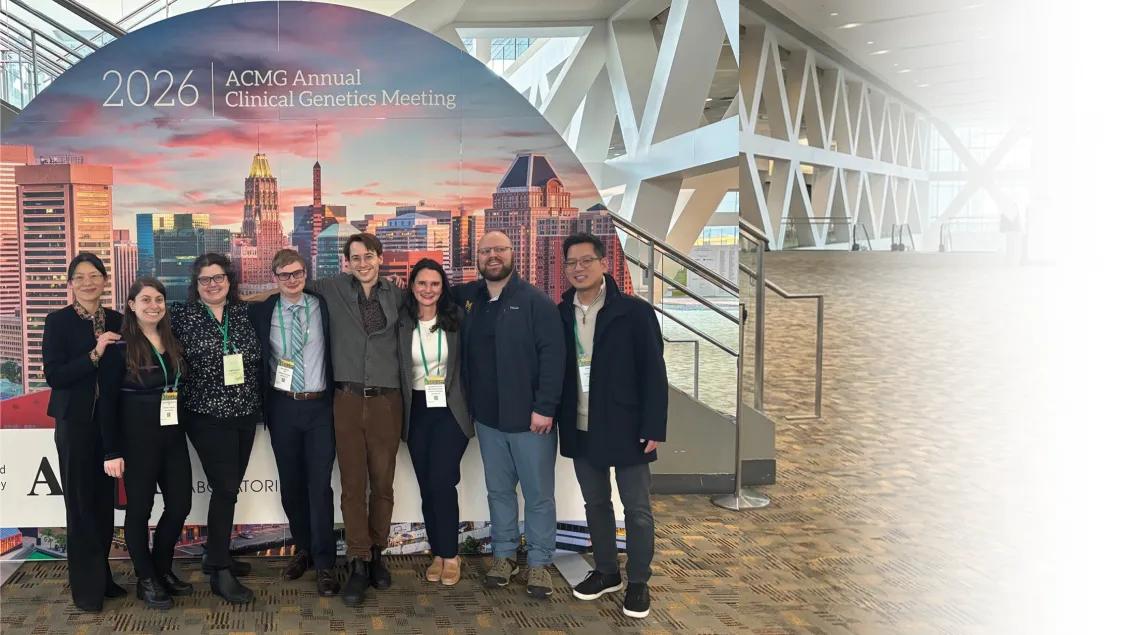
Training the Next Generation of Pediatric Geneticists
Building expertise in pediatric genetics and genomics—and preparing you to lead in academic medicine.
Program Overview
The U-M Medical School Department of Pediatrics Medical Genetics program offers a unique training experience for residents. Our mission is to graduate leaders in medical genetics and genomics who will make a difference in the lives of children and adults with genetic and biochemical diseases.
Clinical Genetics training is offered through the 2 year Medical Genetics Residency Program or the Combined Pediatrics/Medical Genetics 4 year program. Both training programs are ACGME-accredited and are based in the Department of Pediatrics.
Each program utilizes the combined clinical genetics services, basic science research and education programs of six Medical School departments. The primary goals are Board Certification in Medical Genetics and preparation for an academic career in medical genetics.
How to Apply
Our training program values a diverse community, including trainees, faculty, and staff. We welcome individuals with differing life experiences and points of view, and we strive to foster an inclusive environment for our training program.
Applications for the Pediatric Medical Genetics program are accepted through the Electronic Residency Application Service (ERAS).
Eligibility & Selection
For the 2-year Medical Genetics residency, individuals with MD, DO, or MD/PhD degree(s) who have completed a minimum of two years in an ACGME-accredited residency program in Pediatrics, Internal Medicine, or Obstetrics and Gynecology who wish to pursue Medical Genetics training are encouraged to apply. For applicants to the 4-year Combined Pediatrics/Medical Genetics Training Program, please review the application requirements for the Pediatrics Residency Program.
International medical graduates or trainees applying to either the 2-year or 4-year program should seek credentials verification and evaluation by the ABMGG. While prior research experience is encouraged, it is not required to be considered for the training program. Applicants should have graduated from medical school no more than 5 years prior to application.
Program Aims
Our program aims to:
- Develop skilled medical geneticists who seek lifelong learning and scholarship to improve the health of their patients and families
- Provide exemplary patient care in all disciplines that is safe and patient-centered
- Train medical geneticists who are enthusiastic and engaged educators
- Encourage diverse perspectives and backgrounds
- Nurture compassionate medical geneticists who find joy throughout their careers
- Promote an environment that emphasizes resident initiatives and wellness
Salary & Benefits
We offer highly competitive salaries and generous benefits to our residents, fellows, and advanced trainees. Trainee salary will be commensurate with that of a House Officer at an equivalent level of training based on the HOA contract.
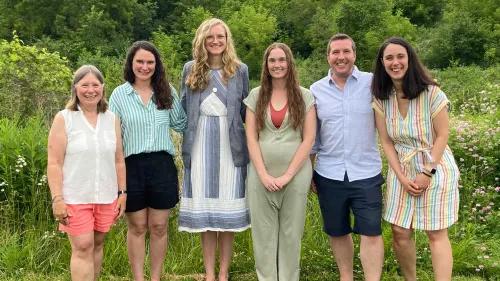
Current Residents
The Department of Pediatrics at the U-M Medical School is comprised of a diverse and dedicated team. Under the expert guidance of genetics faculty, residents develop skills that equip them to exceed the highest standards of patient care and research.
Wellness
Ann Arbor was voted the best place to live in the US, and you might never want to leave once you’re here!
The House Officer Association (union) advocates for residents, which results in excellent salary and benefits, including holiday and birthday pay, excellent parental leave policy, well-stocked House Officer lounge, lactation rooms, cell phone, and meal allowances. You will receive 28 vacation days per year, as well as 1 personal day.
We have a Resident Wellness Committee and place a strong emphasis on resident wellness:
- In-hospital fitness center with locker rooms
- Lactation rooms
- Excellent mental health support
- Jeopardy program during Pediatric rotations (no questions asked)
- Very approachable faculty and close interactions with Pediatrics and Adult Genetics
- Monthly check-in meetings with the program leadership
- Debriefings after stressful clinical interactions
- Social events, including a kayaking trip, Cider Mill outing, and happy hours
Learn More About Our Program
This presentation provides a comprehensive overview of the training experience for the Medical Genetics Training Program.
Program Leadership
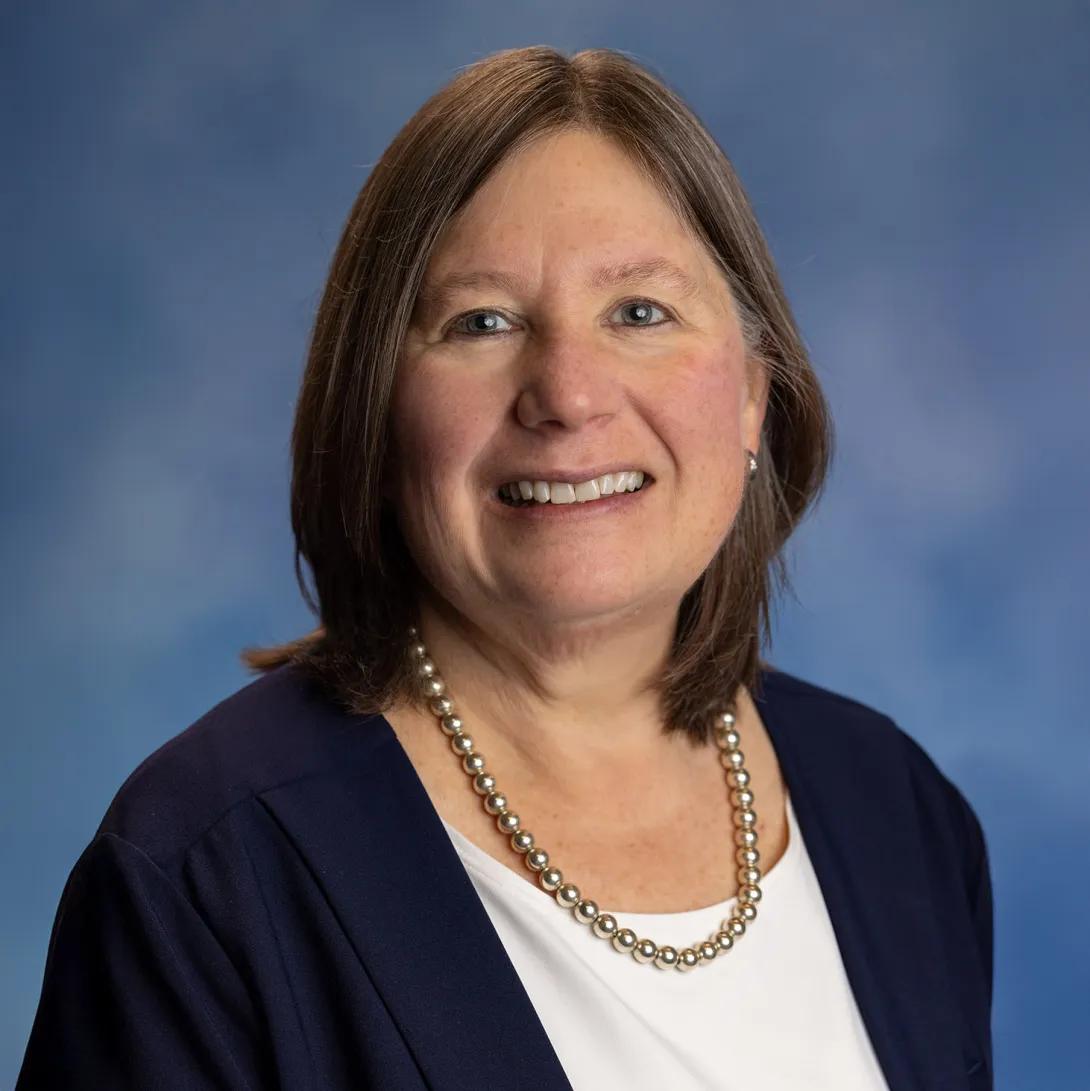
Catherine Elizabeth Harnden Keegan, MD, PhD
Professor of Pediatrics
Division Director of Pediatric Genetics Metabolism and Genomic Medicine
Professor of Human Genetics
Program Director, Combined Medical Genetics and Genomics-Pediatrics and Medical Genetics and Genomics Residencies
Medical School
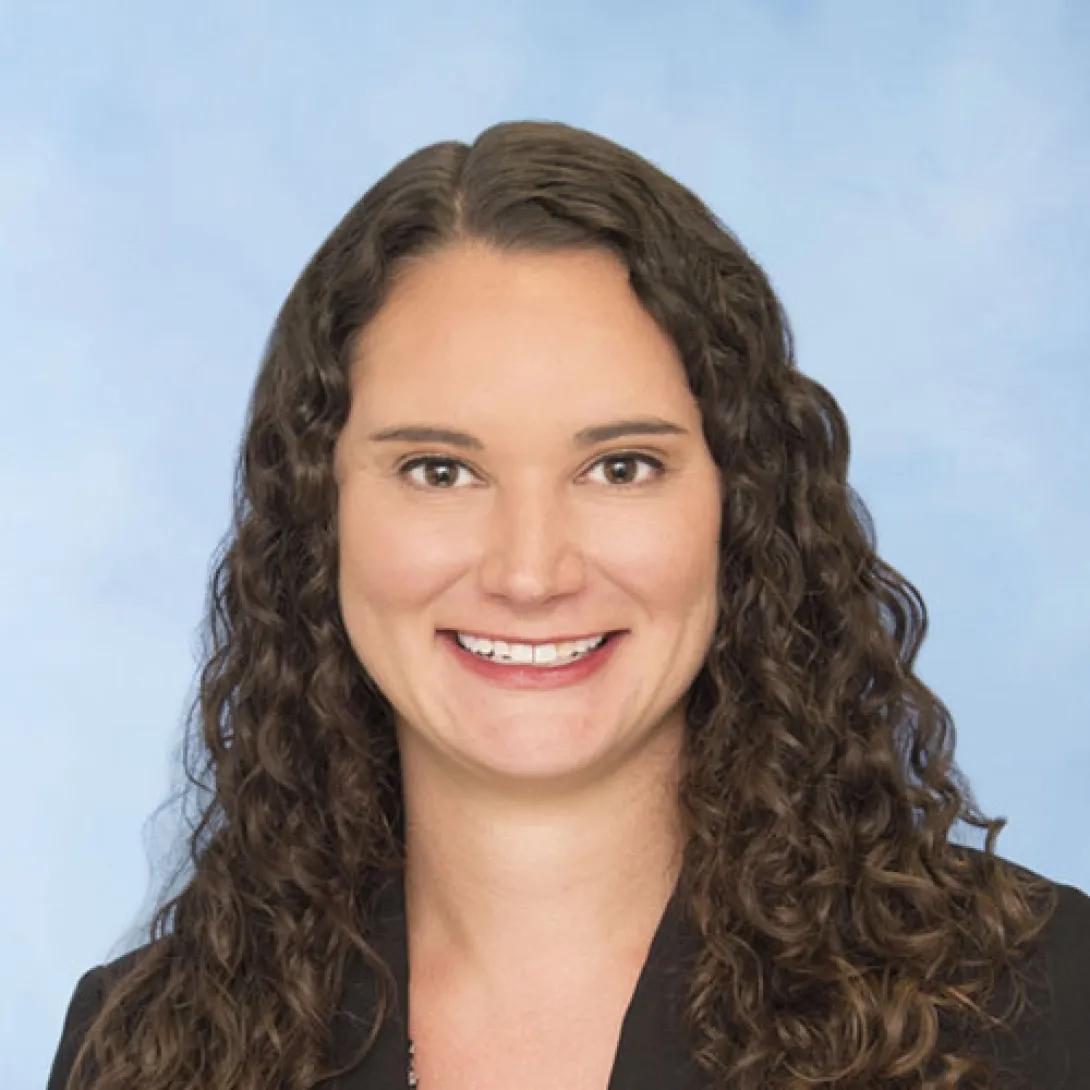
Amanda Pritchard, MD
Program Director
Medical Biochemical Genetics Fellowship
Associate Program Director
Combined Medical Genetics and Genomics-Pediatrics
Medical Genetics and Genomics Residencies
Medical School
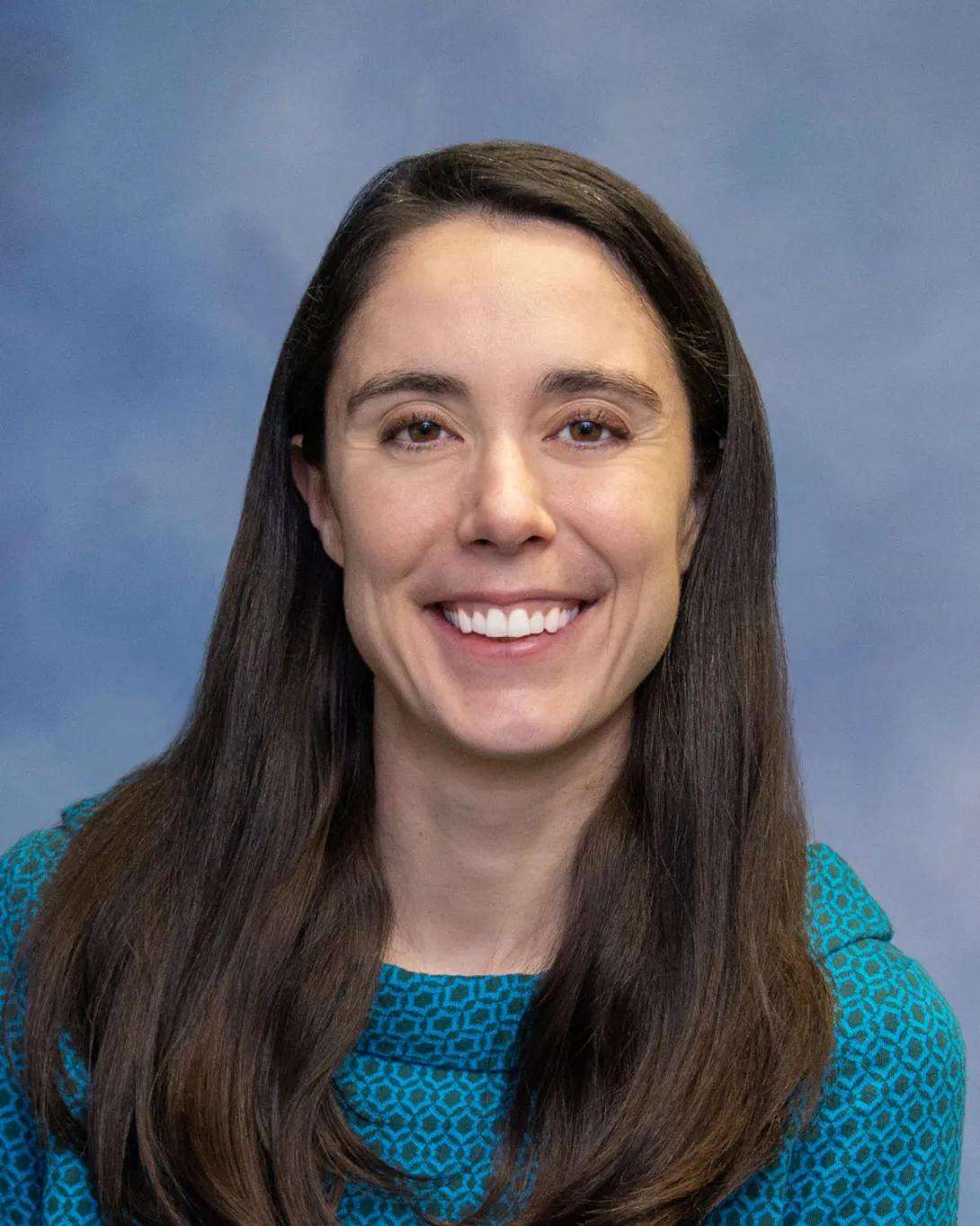
Elizabeth Ames, MD, PhD
Clinical Associate Professor of Pediatrics
Associate Program Director, Combined Medical Genetics and Genomics-Pediatrics and Medical Genetics and Genomics Residencies
Associate Program Director, Medical Biochemical Genetics Fellowship
Medical School

Nicole Schwartz

Jill Cahill
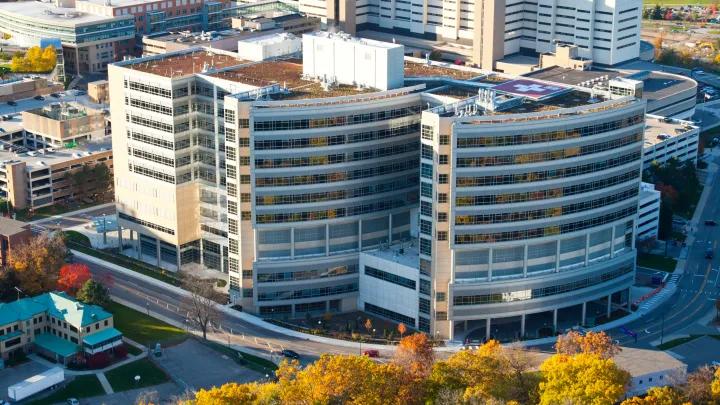
See Where Training Takes Place
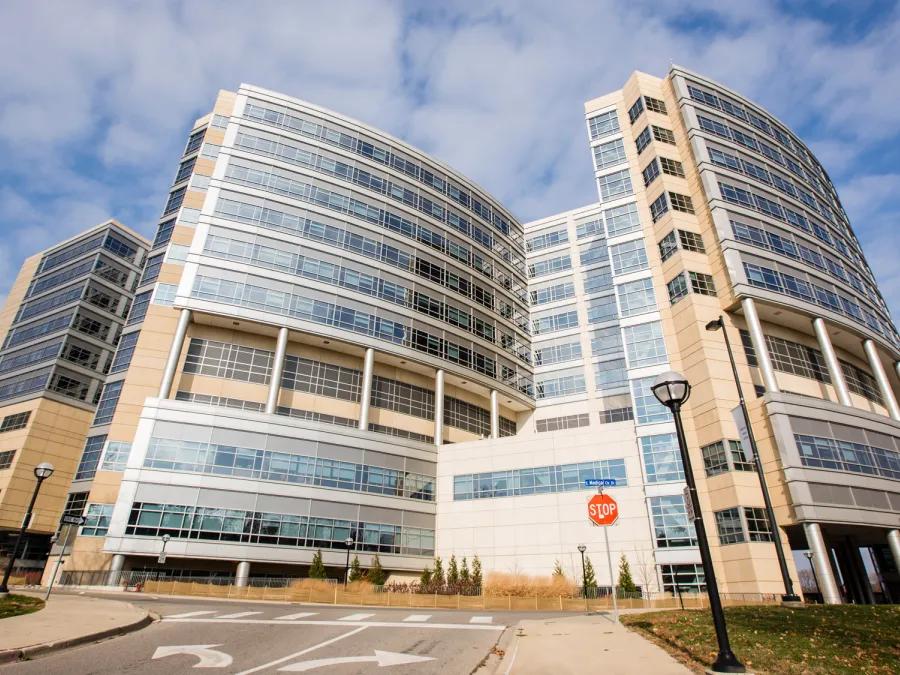
The U-M Medical School campus offers numerous spaces dedicated to academic learning, research and clinical care, including specialty clinics, research labs and more. Each space and facility provides a collaborative and innovative environment for education, research and patient care.

Life in Ann Arbor
We find a new reason to love Ann Arbor nearly every day — year-round outdoor activities, cultural experiences, a growing food scene, and a welcoming, family-friendly atmosphere are just a few that come to mind. Explore all that Ann Arbor and our surrounding communities have to offer.
