
Family Medicine Medical Student Programs
The U-M Medical School Department of Family Medicine Clerkship is a required four-week clinical rotation for second year (M2) medical students. Students will attend didactic teaching sessions which will present core concepts of Family Medicine and allow them to develop a knowledge base which will be reinforced throughout their clinical experiences in Family Medicine clinic sites.
This clerkship provides students an opportunity to learn about the comprehensive diagnosis and management of patients with common undifferentiated problems, as well as provisions of chronic disease management.

Julie Blaszczak, MD, MEHP: Caring for community
Our Vision
Program Overview
In addition, students will experience the key features of Family Medicine such as diagnosis and management in the ambulatory setting, continuity of care, appreciation of the impact of social determinants of health on healthcare outcomes across populations, preventive medicine, and the team-based approach.
The clerkship experience will provide opportunities for the students to improve their skills in doctor-patient communication, history-taking and physical examination, differential diagnosis formation, stepwise decision-making to yield a cogent therapeutic plan and office-based procedures.
Our Mission
We design, deliver, and continuously improve equitable, high-quality Family Medicine educational experiences that provide students with strong clinical training, clear expectations, meaningful feedback, fair assessment, and supportive mentorship.
We help all U-M Medical School students develop a true and inspiring understanding of Family Medicine while fostering meaningful and sustainable teaching experiences for our educators.
Goals of the Program
At the end of the family medicine clerkship, each student should be able to:
- Discuss the principles of family medicine
- Gather information, formulate differential diagnoses, and propose plans for the initial evaluation and management of patients with common presentations
- Manage follow-up visits with patients having one or more common chronic disease
- Develop evidence-based health promotion/disease prevention plans for patients of any age or gender
- Demonstrate competency in advanced elicitation of history, communication, physical examination, and critical thinking skills
- Discuss the critical role of family physicians within any health care system
Core Values
- Community: We cultivate a supportive, authentic, and collaborative team where every person feels valued, strengths are shared, and learners and educators are supported through growth and transition.
- Fairness: We create transparent, equitable, and competency-based learning experiences for students while balancing the needs and capacities of learners, educators, staff, preceptors, and leaders.
- Balance: We promote sustainable work, shared responsibility, flexibility, and well-being while modeling the balance and fulfillment possible in a career in Family Medicine.
- Growth: We embrace curiosity, feedback, innovation, and challenge, building sustainable structures that support continuous improvement without burnout.
- Joy: We foster meaning, belonging, and fulfillment in teaching, learning, and patient care, helping students experience the joy and purpose of Family Medicine.
What You Will Learn
Patient-centered communication skills
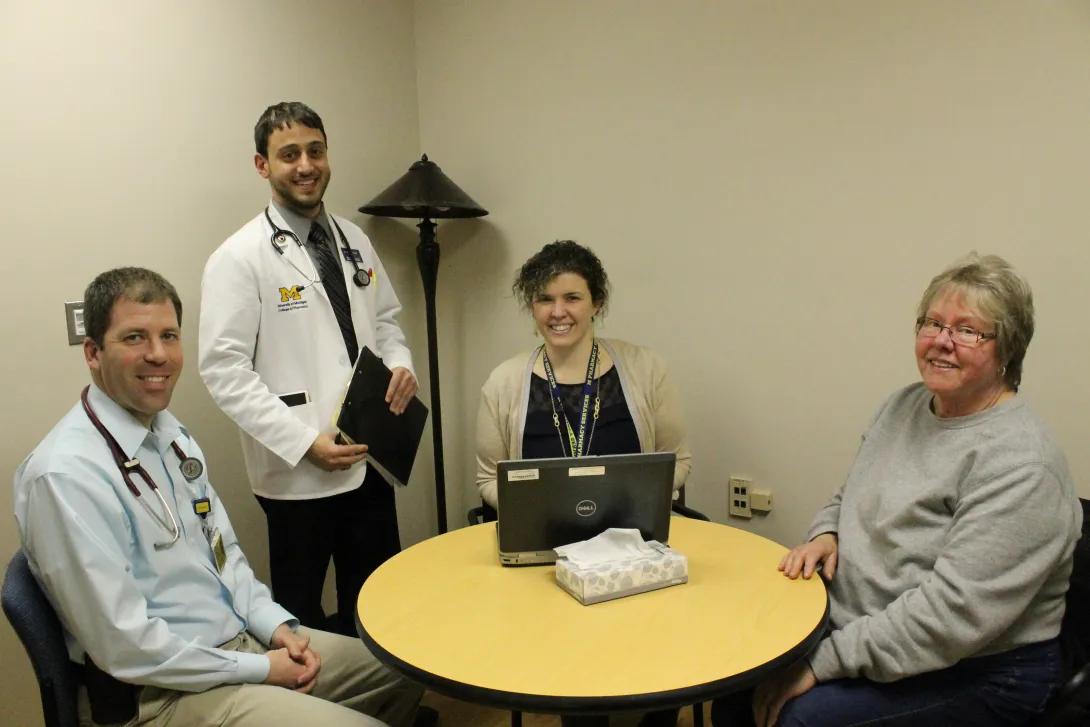
- Demonstrate an empathic response to patients using active listening skills.
- Demonstrate the ability to set a collaborative agenda with the patient during any patient encounter.
- Demonstrate the ability to elicit, prioritize, and attend to the patient’s specific concerns.
- Review patient’s history, physical examination, and test results using terminology that the patient can understand.
- Clarify information obtained by a patient from popular media, friends and family, or the Internet.
- Validate a patient’s feelings by naming emotions and expressing empathy.
- Effectively incorporate psychological issues into patient discussions and care planning.
- Use empathy and active listening skills to improve patient adherence to medications and lifestyle changes.
- Explain treatment plans for prevention and management of acute and chronic conditions to the patients.
- Reflect on personal frustrations and the patient’s situation to better understand why patients do not adhere to offered recommendations or plans.
Psychosocial awareness
- Explain why physicians have difficulty in situations such as patients’ requests for disability documentation, non-adherence, and chronic narcotic use.
- Describe the influence of psychosocial factors on a patient’s ability to provide a history and carry out a treatment plan.
Patient education
- Describe mechanisms to improve adherence to and understanding of screening recommendations.
- Provide patient education tools that account for literacy and cultural factors (e.g., a handout on how to read nutrition labels.)
- Describe the patient education protocols for core chronic illnesses at their assigned clerkship sites.
- Identify resources in a local practice community that support positive health outcomes for diverse patients and families.
- Promote the use of support groups and other community resources to assist patients with mental health needs.
- Identify and distribute current resources for patients with substance abuse problems at their clinic sites (e.g., lists of treatment referral centers, self-help groups, substance abuse counselors, etc.)
Information gathering and assessment
- Apply critical appraisal skills to assess the validity of resources.
- Formulate clinical questions important to patient management.
- Conduct an appropriate and comprehensive literature search to effectively answer clinical questions.
- Apply evidence-based medicine (EBM) to determine a cost-effective use of diagnostic imaging in the evaluation of core, acute presentations.
- Demonstrate ability to discriminate between high and low-quality evidence when searching the medical literature.
- Utilize high-quality Internet sites as resources for use in caring for patients with core conditions.
- Curate a set of high quality mobile apps for quick reference when delivering patient care.
Lifelong learning
- Demonstrate an appropriate level of meta-cognitive skills to assess and remediate one’s own learning needs.
- Describe an individualized, evidence-based process on how to keep current with preventive services recommendations.
- Create an evolving set of learning goals and measures of success for those goals that address areas for improvement.
Person in context of family
- Conduct an encounter that includes patient and families in the development of screening and treatment plans.
- Demonstrate caring and respect when interacting with patients and their families even when confronted with atypical or emotionally charged behaviors.
- Demonstrate interpersonal and communication skills that result in effective information exchange between patients of all ages and their families.
Person in context of community
- Incorporate knowledge of local community factors that affect the health of patients into daily patient care.
- Demonstrate awareness of local, regional, and national health disparities and their impact on patient care.
- Practice interpersonal and communication skills that result in effective information exchange between patients of all ages and professionals from the other disciplines and other specialties.
Person in context of their culture
- Communicate effectively with patients and families from diverse cultural backgrounds.
- Identify areas where a patient’s cultural context can impact health through comprehension, cultural perspective, access and utilization of health care.
- Describe one’s own cultural influences and biases as they impact one’s ability to effectively deliver patient care.
Barriers to access
- Define social determinants of health and their role in continuity of care.
- Describe the social determinants that can affect a patient’s ability to access and utilize the health care system at multiple levels:
- Individual patient barriers
- Community barriers
- Health care system barriers
Team Approach
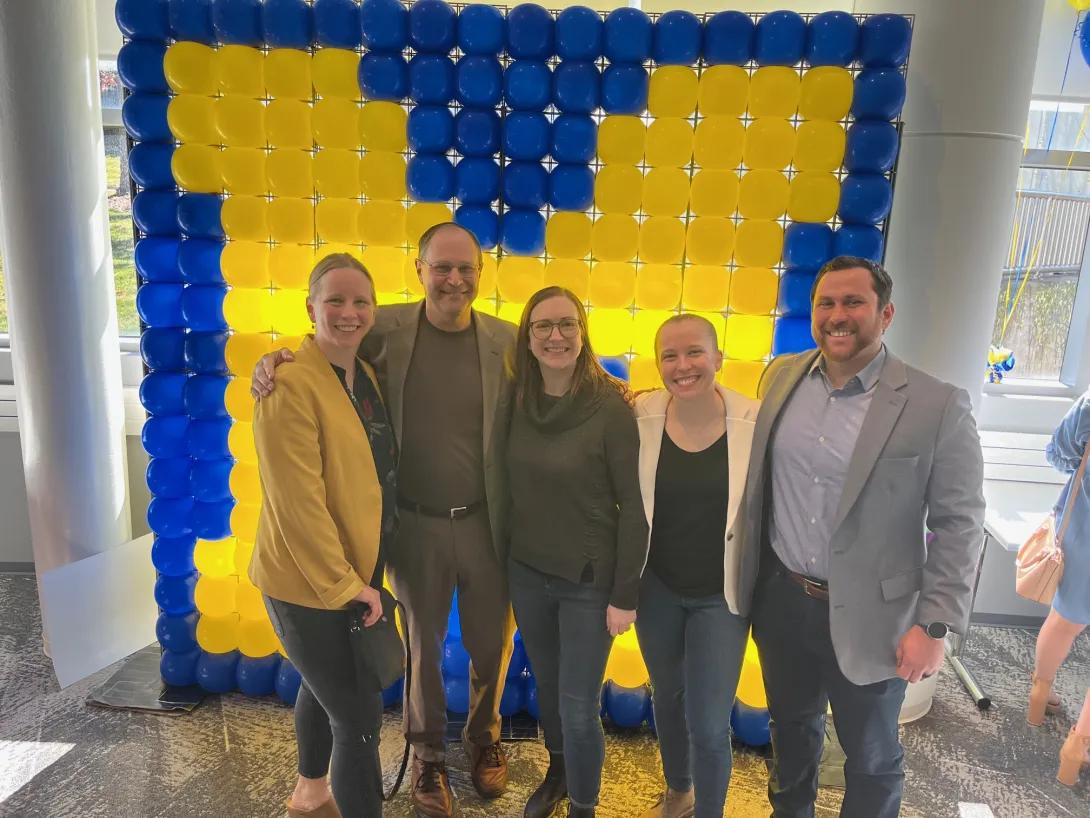
- Describe the benefits of interdisciplinary health care teams in patient care (e.g., pharmacy, nursing, social work, and allied health).
- Demonstrate skills in effective teamwork (e.g., sharing information, solving clinical problems as a team, etc.).
Quality and Safety
- Define clinical processes established to improve performance of a clinical site.
Complexity of Care
- Identify diagnostic uncertainty and the role of multi-systemic influence on a patient’s condition.
- Adapt to changing patient presentation and needs.
- Utilize effective patient care management strategies in patient’s presenting with complex conditions.
- Describe the use of health information technology to enhance care coordination.
- Summarize the importance of linking resources with patient and population needs.
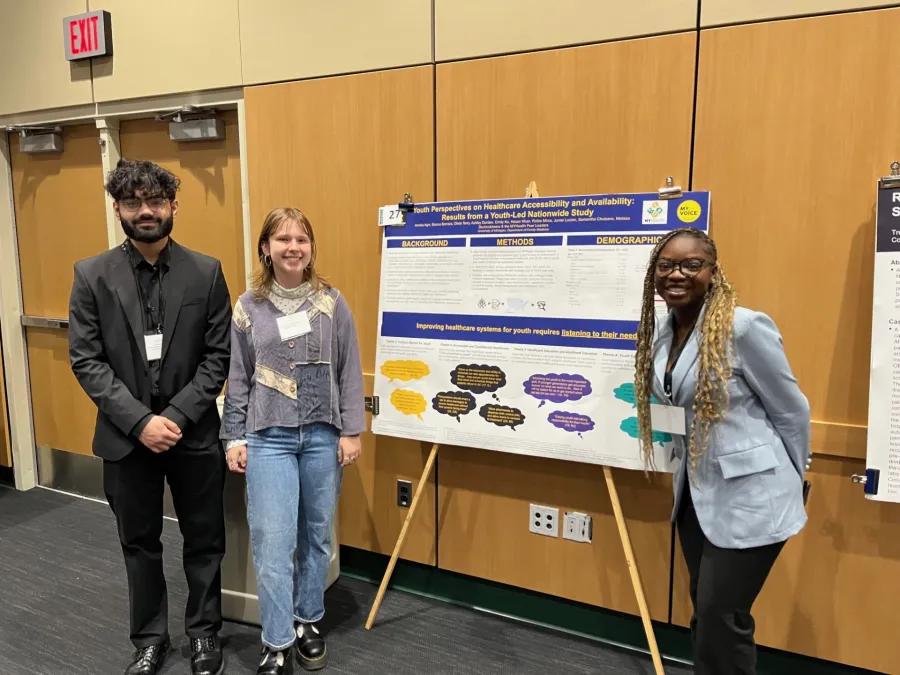
student interest group FMIG
The Family Medicine Interest Group (FMIG) strives to educate the student body about family medicine’s role in our healthcare system, dispel myths about the field, and demonstrate how family medicine is changing to improve its patient-centered model of medical care.
Visiting Student Program
Students outside of the University of Michigan who are interested in a rotation in Family Medicine should contact the University of Michigan Medical School Visiting Student Program. There you will find opportunities, requirements and resources.
Program Leadership
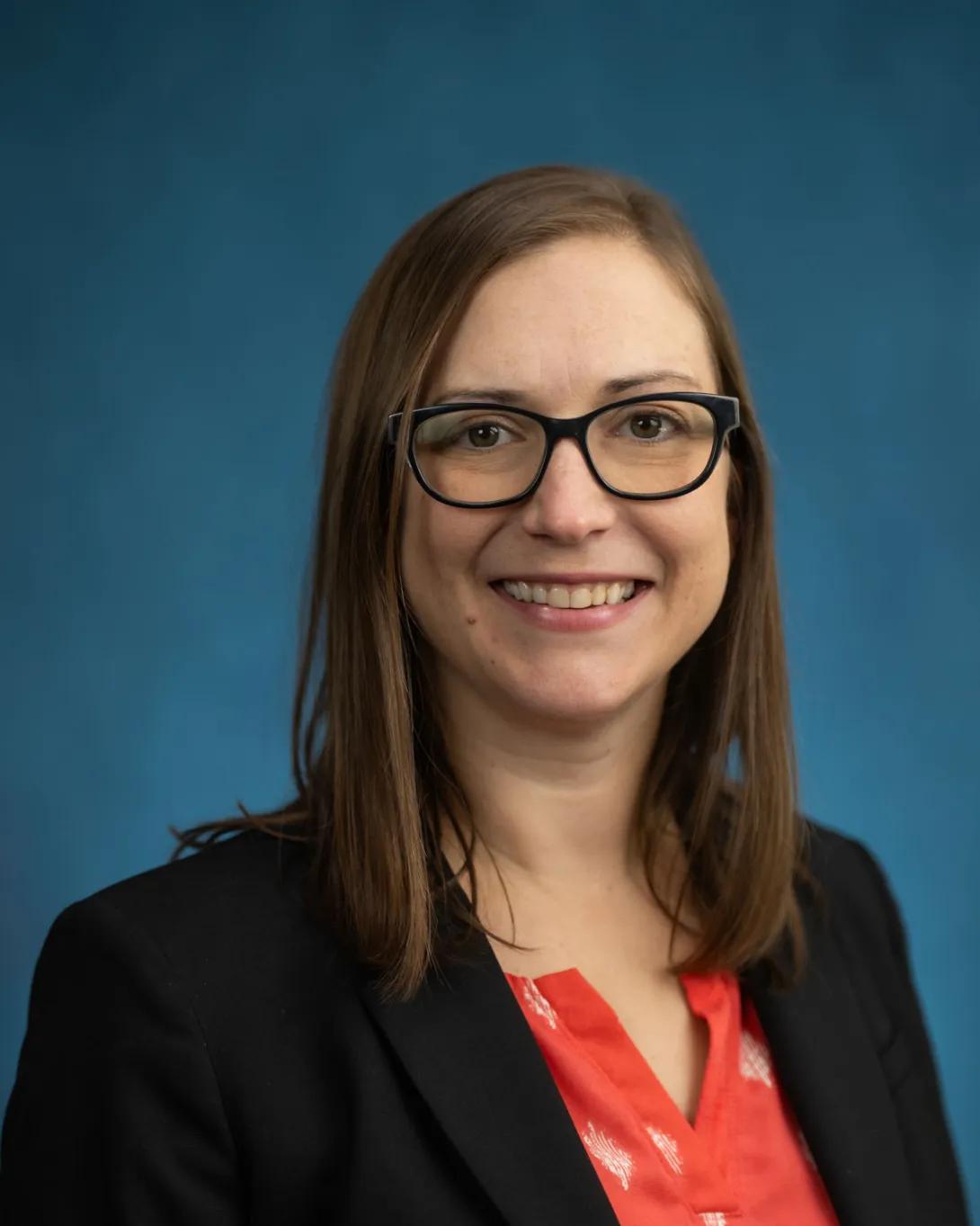
Elizabeth K Jones
Program Associate, Family Medicine, Medical School
Alex Belakovskiy
Medical School

P. Elainee Poling, MD
