
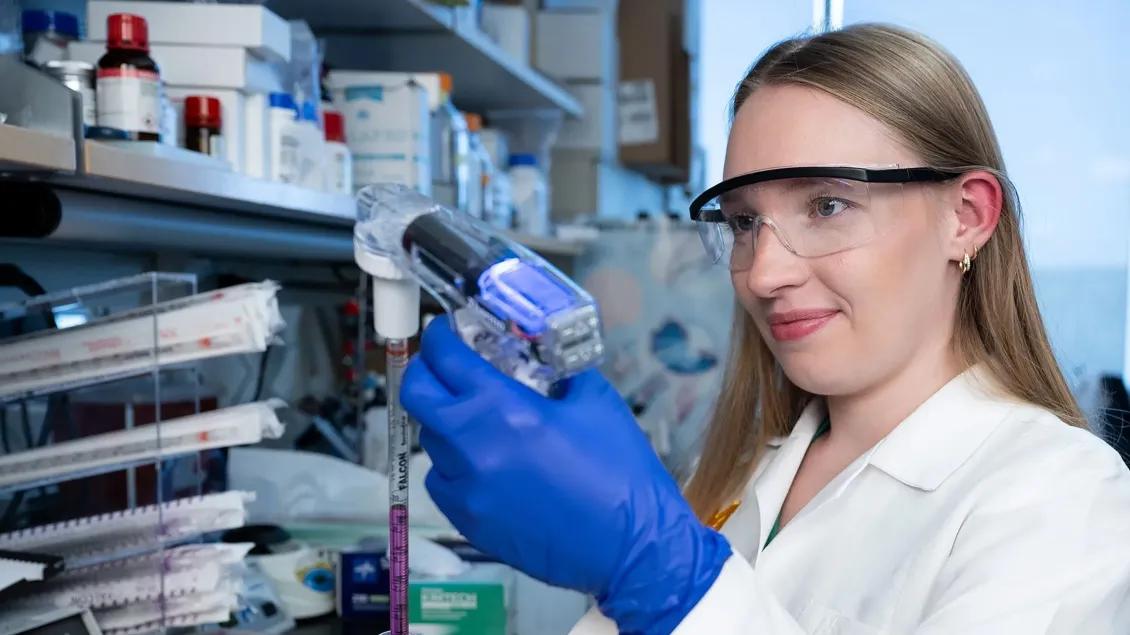
Vision Research Training Program
We offer comprehensive training for future leaders in vision research.
Our NIH-funded Vision Research Training Program (T32) provides financial support and training for graduate students and postdoctoral fellows who seek careers in vision science.
The goals of the Vision Research Training Program (VRTP) are to provide breadth in research training and professional development to keep pace with the opportunities for careers in vision research.
For More Information
The VRTP:
- Supports candidate-level predoctoral fellows as they undertake and complete their thesis research
- Supports postdoctoral fellows as they begin independent research careers
- Provides a formal structured education
- Requires trainees to participate in a program of professional development specific to vision research.
How to Apply
Graduate Students
Graduate students eligible for the VRTP come from one of four doctoral programs:
- Program in Biomedical Sciences (PIBS)
- Neuroscience Graduate Program
- Molecular, Cellular and Developmental Biology
- Biomedical Engineering
Graduate students should apply for VRTP support in the spring of their second year of graduate school. VRTP funding begins after a graduate student passes the preliminary exam and achieves PhD candidacy.
Postdoctoral Trainees
Those interested in postdoctoral positions in the VRTP should contact a member of the Vision Research Training Faculty directly.
To qualify to the VRTP, candidates must be citizens or non-citizen nationals of the United States and should contact individual faculty members directly.
Why Train With Us
- Faculty: Members of the VRTP Training Faculty are experienced mentors, who are well-funded, productive scientists that utilize the eye and visual system as models for basic and translational studies.
- Trainee Support: We offer a stipend, full tuition coverage and health insurance benefits for trainees who undertake their research in the laboratory of a member of the Training Faculty in addition to travel support to attend the annual Association for Research in Vision and Ophthalmology (ARVO) meeting.
- Research Environment & Funding: Training enhanced by the multidisciplinary research environment at the U-M Medical School. Vision research is based in the Department of Ophthalmology & Visual Sciences at the Kellogg Eye Center and includes access to state-of-the-art laboratories and shared research cores, such as the Vision Research Center, Biomedical Research Core Facilities (BRCF), and strong NIH support with a T32 Vision Research Training Grant and P30 Vision Research Core Grant.
Program Highlights
- Courses: Students take courses required by their specific graduate program as well as electives decided upon by the student and faculty advisor. In addition, trainees are required to take:
- The Visual System (MCDB 452): Comprehensive overview of the structure and function of the visual system
- Specialized Topics in Vision Research (Ophthalmology 733): Topic-based review and discussion of current literature in vision research
- Introduction to Scientific Communication and Grant Writing (Pharm 502): Introduction to essential scientific communication skills, literature search and writing an NIH style grant application. (An equivalent grant writing program or workshop is also accepted.)
- Individual Development Plan: Trainees are required to complete an Individual Development Plan and annually discuss the plan with their research advisor.
- Grant Proposal: Trainees are expected to submit a grant proposal for external training funding, likely an individual NRSA fellowship proposal to the NEI. In support of this goal, trainees are expected to enroll in Pharmacology 502 or an equivalent grant writing program/workshop.
- Seminar Presentations: Trainees are required to deliver at least one formal research seminar in the Vision Research Seminar series and present in the annual Research Day hosted by the Department of Ophthalmology & Visual Sciences. These seminar presentations are generally delivered by PhD students as they near their defense date or postdoctoral fellows who have completed a significant study. Trainees are encouraged to present their work locally and nationally and to build professional networks early in their careers.
- Speaker Selection: Trainees participate in selecting and hosting outside seminar speakers.
- Vision Research Retreat: Trainees are responsible for the organization of the Annual Vision Research Retreat bringing together all U-M vision researchers to share their most recent work in a half-day symposium.
- Vision Research Seminars: Trainees are required to attend the weekly Vision Research Seminars series at the Kellogg Eye Center, featuring speakers from across the University and visiting institutions. After each seminar, trainees participate in an informal luncheon with the guest speaker, supporting key VRTP goals of broadening scientific perspectives and building professional networks.
- Rackham School of Graduate Studies supports an Office of Professional Development, which creates and hosts programming for students and postdocs on how to be successful in their professional development and as they transition into desired career paths. Activities focus on three key areas: core skill development, career exploration, and developing job search skills.
- The Office of Graduate and Postdoctoral Studies provides support, resources and services for all doctoral, masters and post-baccalaureate students, as well as the U-M Medical School postdoctoral fellows.
- Program in Biomedical Sciences (PIBS) works closely with the Medical School’s Career Development Office and the Rackham Office of Graduate Student Success to ensure students' needs are met throughout their academic pursuits.
- The University of Michigan Post Doctoral Association (UMPDA) supports postdoctoral fellows across all aspects of their research training and professional life.
- The Department of Pharmacology offers Pharm 502: Introduction to Scientific Communication and Grant Writing, for predoctoral and postdoctoral fellows from across campus.
Predoctoral and postdoctoral trainees can pursue additional training in translational research through the Michigan Institute for Clinical and Health Research (MICHR). Opportunities include a Translational Research Educational Certificate for doctoral students and the Postdoctoral Translational Scholars Program; both designed to build skills and prepare trainees for careers in clinical and translational research.
Discover Our Research
Responsible Conduct of Research Training
The University of Michigan requires faculty and trainees to uphold the highest ethical standards in research and scholarship.
PhD students must complete RCR training prior to advancing to candidacy. Graduate students and postdoctoral fellows are required to take PIBS 503: Research Responsibility and Ethics to satisfy the NIH requirements for training in the responsible conduct of research.
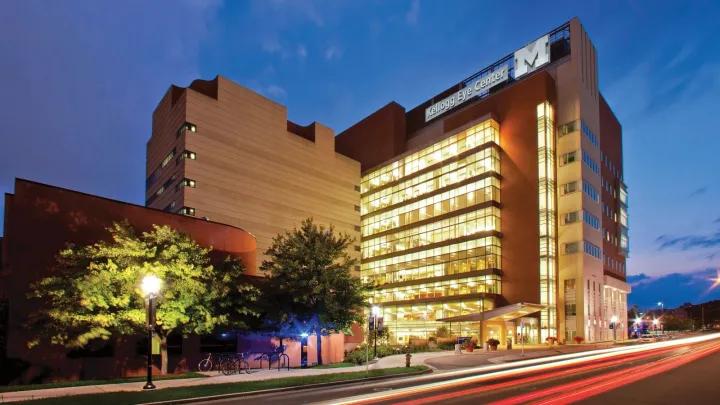
See Where Training Takes Place
Our campus offers numerous spaces and facilities dedicated to academic learning, research and clinical care, including specialty clinics, research labs and more. We provide a collaborative and innovative environment for education, research and patient care.
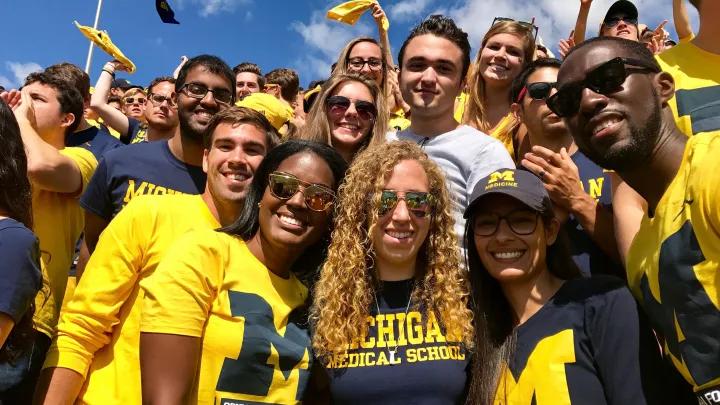
Our Community
Feel at home in Michigan. Explore what it’s like to live, learn and grow in Ann Arbor among a diverse and supportive network of leaders in ophthalmology and discover all of the resources and services available to you.
