
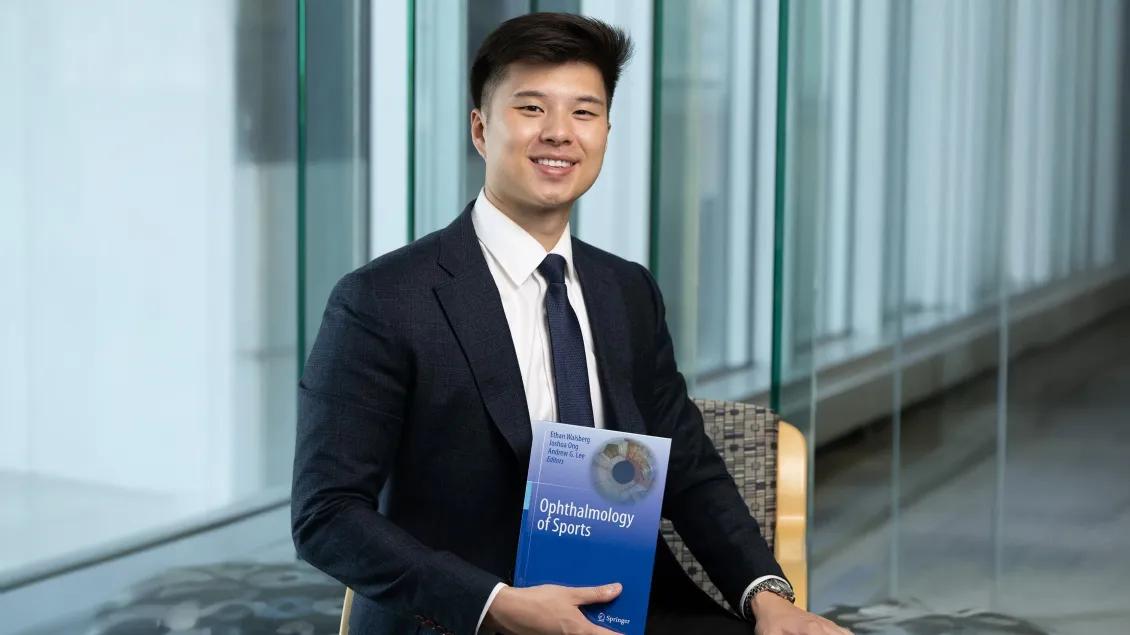
StARR-BRITE Clinician-Scientist Development Program
Are you ready to bridge clinical practice and scientific discovery?
The U-M Medical School Department of Ophthalmology & Visual Sciences offers the Stimulating Access to Research in Residency – Blended Research Intensive Training Experiences (StARR-BRITE) Clinician-Scientist Development Program at the Kellogg Eye Center, an innovative path for aspiring ophthalmologists who dream of leading the next era of vision research and patient care. As one of the top-ranked academic centers and research universities in the country, we offer unique support, mentorship, and structured research experiences that prepare you for independent research careers in ophthalmology and visual sciences. We are among the nation’s leading ophthalmology departments in advancing trainees to independent, federally funded physician-scientist careers.
For More Information
Program Structure & Highlights
Up to 2 residents may join the program before clinical ophthalmology post graduate training begins, spending 1-2 years in full-time, immersive research with Kellogg’s labs and partners.
Salary support will be provided at National Institute of Health postdoctoral fellowship levels, along with research support through a budget developed in collaboration with the primary mentor.
During your residency, you’ll transition into a tailored, longitudinal research curriculum with protected research blocks.
In addition to dedicated research time, you will receive a research budget and partial technician support commensurate with anticipated research activities.
Participate in diverse projects spanning basic science, clinical trials, health services, AI/data science, and product development.
Structured curriculum on research skills, writing, data science, leadership, and grant development.
Formal mentoring and career development support.
Hands-on experience in Michigan’s advanced vision labs, data cores, and clinical trial centers.
Receive annual feedback and guidance from an external advisory committee of renowned clinician-scientists.
Participate in metric-driven evaluations to ensure your progress toward independent research.
How to Apply
The Department of Ophthalmology’s StARR-BRITE program only accepts applications through San Francisco Match. Applicants interested in a research‑intensive pathway are encouraged to apply to both the StARR-BRITE program and the standard ophthalmology residency application, as this allows simultaneous consideration for Track 2 (OPTICS) if interests, timing, or fit evolve during the selection process. Please visit the How to Apply page for instructions on applying to SFMatch.
Eligibility
Medical students and graduates interested in residency at U-M Ophthalmology and seeking rigorous, integrated research training.
Application requirements
Applicants to the StARR-BRITE program apply through the SF Match application portal. A supplemental research statement (approximately two pages) is required at the time of application. Additional materials may be requested from candidates who are selected for interviews and who remain interested in the program following the interview process.
Personal Statement & Career Plans
Applicants should use their personal statement and career plans section within the SF Match application to describe their motivation for pursuing a physician-scientist pathway. They should also explain how they envision integrating research and clinical practice throughout their career.
Letters of Recommendation
At least one letter of recommendation submitted through SF Match should address the applicant's scholarly potential, intellectual independence, and readiness for advanced research training.
Supplemental Research Statement (approximately 2 pages)
The supplemental research statement, submitted to the program directly at the time of the SF Match application, should include:
- A concise summary of prior research experience and major contributions or findings (up to ¾ page; figures are permitted and count toward the page limit).
- A description of future research interests, presented either as a narrative or in specific aims format (up to 1 page).
- A list of potential University of Michigan faculty mentors, including a brief one- to two-sentence rationale for each proposed mentor.
- Email the supplemental research statement to [email protected]
The mentor list is not a commitment to a specific faculty member. Rather, it should reflect faculty members whose research programs align with the applicant's interests. Applicants are expected to explore potential mentorship opportunities and are encouraged to contact Michigan faculty to learn more about potential research collaborations. Suggested mentors can be found on the Department of Ophthalmology and Visual Sciences research website, although faculty from across the University of Michigan may also be considered.
Post-Interview Research Planning
After interviews and before rank lists are submitted, candidates who continue to express interest in the StARR-BRITE program may engage in additional discussions to assess research compatibility and identify potential mentors. These discussions typically occur through virtual or phone meetings with the residency program director, prospective research mentors, and/or the department chair.
Through this collaborative process, candidates refine their research interests and discuss potential project directions. Candidates will then work with their identified mentor(s) to develop a final research proposal. This proposal will be considered as part of the program's final rank list decisions.
In accordance with SF Match policies, all post-interview communication must be initiated by the candidate.
Frequently Asked Questions (FAQs)
Applicants interested in a research-intensive pathway are encouraged to also apply through the standard ophthalmology residency application, as this allows simultaneous consideration for Track 2 (OPTICS) if interests, timing, or fit evolve during the selection process.
OPTICS (Track 2) offers a research‑heavy residency with expanded protected research time and some research funding support integrated throughout residency, without pre‑residency research years or a larger research budget that comes to StARR-BRITE candidates.
StARR‑BRITE (Track 3) is a highly intensive clinician‑scientist pathway that includes pre‑residency research years, protected research time throughout residency, a substantial research budget and potential technician support, and structured career development for residents pursuing research‑dominant, independently funded academic careers.
Yes. Applicants are not required to secure a confirmed mentor at the time of application. While many applicants identify potential mentors or areas of interest, final mentor matching is an iterative process that occurs during interviews and early program engagement after the application is submitted. We do require you, however, to identify a list of potential mentors at the time of initial application, even if follow-up dialogue determines those mentors are not good fits for your research project(s).
Yes. Cross‑departmental and interdisciplinary research collaborations are encouraged, and applicants may work with or be co‑mentored by faculty outside the Department. Each trainee will also have a primary mentor within the Department of Ophthalmology and Visual Sciences to ensure alignment with residency training and program goals.
Applicants apply through the standard ophthalmology residency application process and should indicate their interest in Track 2 (OPTICS) in their personal statement and career plans. Entry into Track 2 requires a competitive internal application submitted during the PGY‑1 (internal medicine) year, which includes a research proposal and plan, a proposed research budget, and identification of a faculty mentor. See Track 2: Optics on the Resident Research page for detailed requirements.
No. Entry into Track 2 (OPTICS) is competitive and dependent on available resources, the strength of the proposed research plan, mentor alignment, and overall fit. Residents apply during their PGY‑1 year, and selection is based on the quality and feasibility of the application rather than guaranteed placement.
A research budget is developed with the candidate’s mentor and submitted annually to departmental leadership. Supply requests are supported if adequate progress is made on prior research goals. For StARR‑BITE applicants, partial technician support during residency may be provided case‑by‑case based on research progress.
If applying to both programs, only submit one preference signal to the program you are most interested in. A preference signal to StARR-BRITE, will be interpreted as interested in Track 2 (OPTICS), unless explicitly stated otherwise in the application.
Connect with Us
To connect with us or for general StARR-BRITE inquiries, please email us at [email protected].
Meet the Program Co-Directors
Interested in research-focused training or becoming a clinician‑scientist? We welcome applicants to connect with us to learn more about the research opportunities available and explore research‑driven training at one of the nation’s leading academic eye centers.
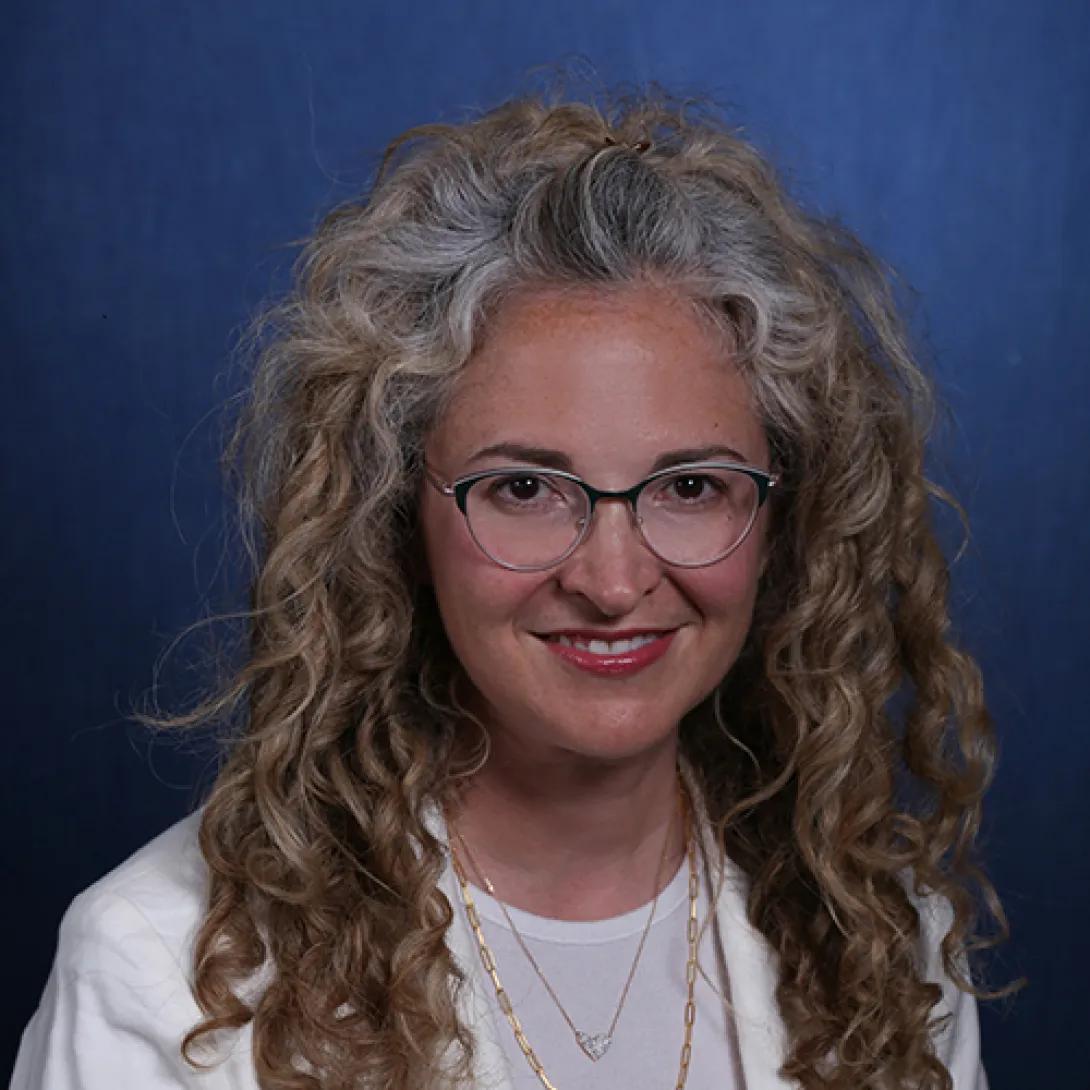
Ariane Kaplan
Clinical Associate Professor of Ophthalmology and Visual Sciences
Medical Student Education Director
Kellogg Operating Rooms and Program Director
Ophthalmology and Visual Sciences
Medical School
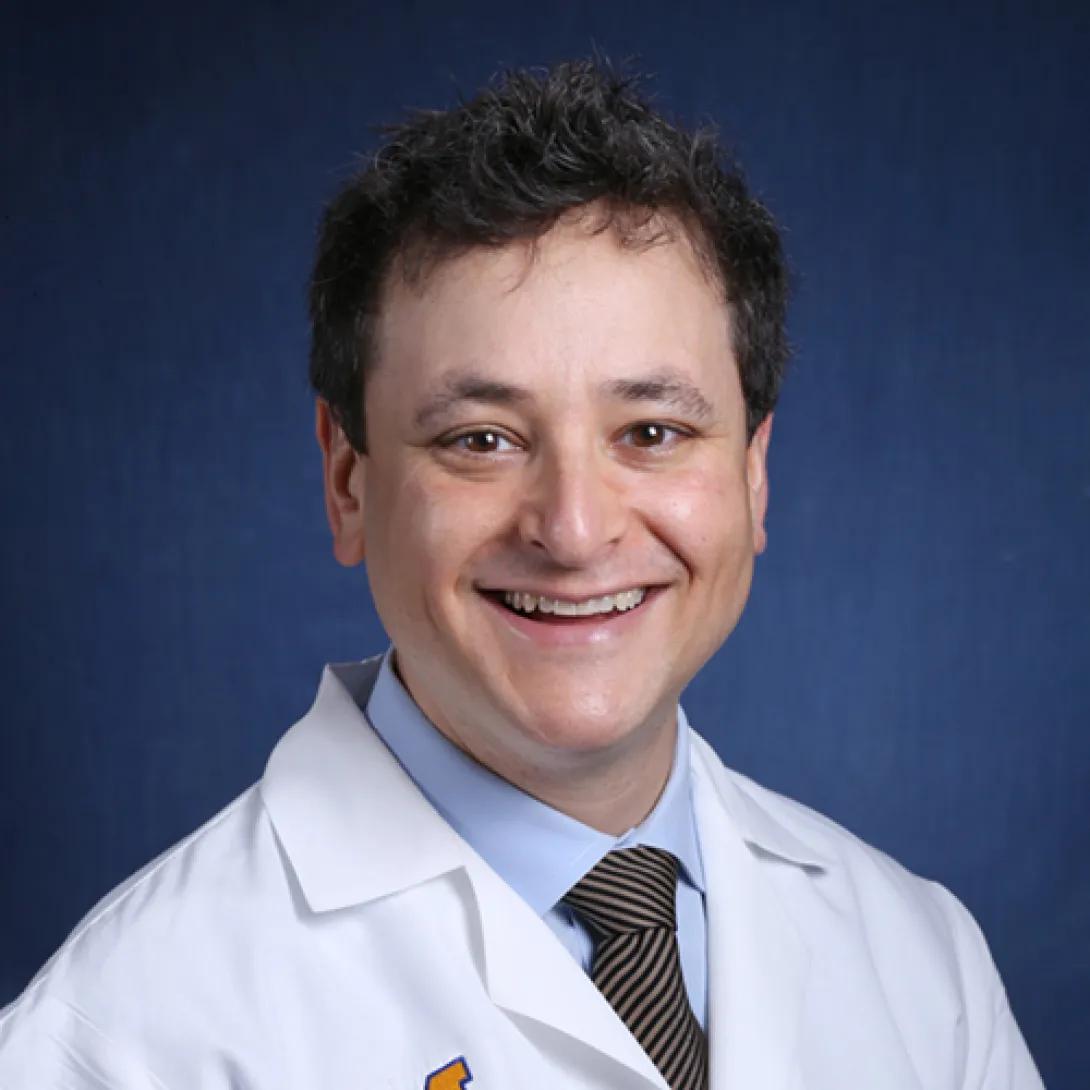
Jason Miller, MD, PhD
Assistant Professor of Ophthalmology and Visual Science
Residency Program Research Director
Medical School
Meet Our Faculty Mentors
Your success is our passion! Our mentors span diverse specialties in ophthalmology and vision science, and are actively engaged in federally funded research, clinical innovation, and education. Mentor research areas include basic bench science, biomedical engineering, health services, big data, and AI analysis of clinical images and records, international ophthalmology, epidemiology, and clinical trials. Explore their profiles:
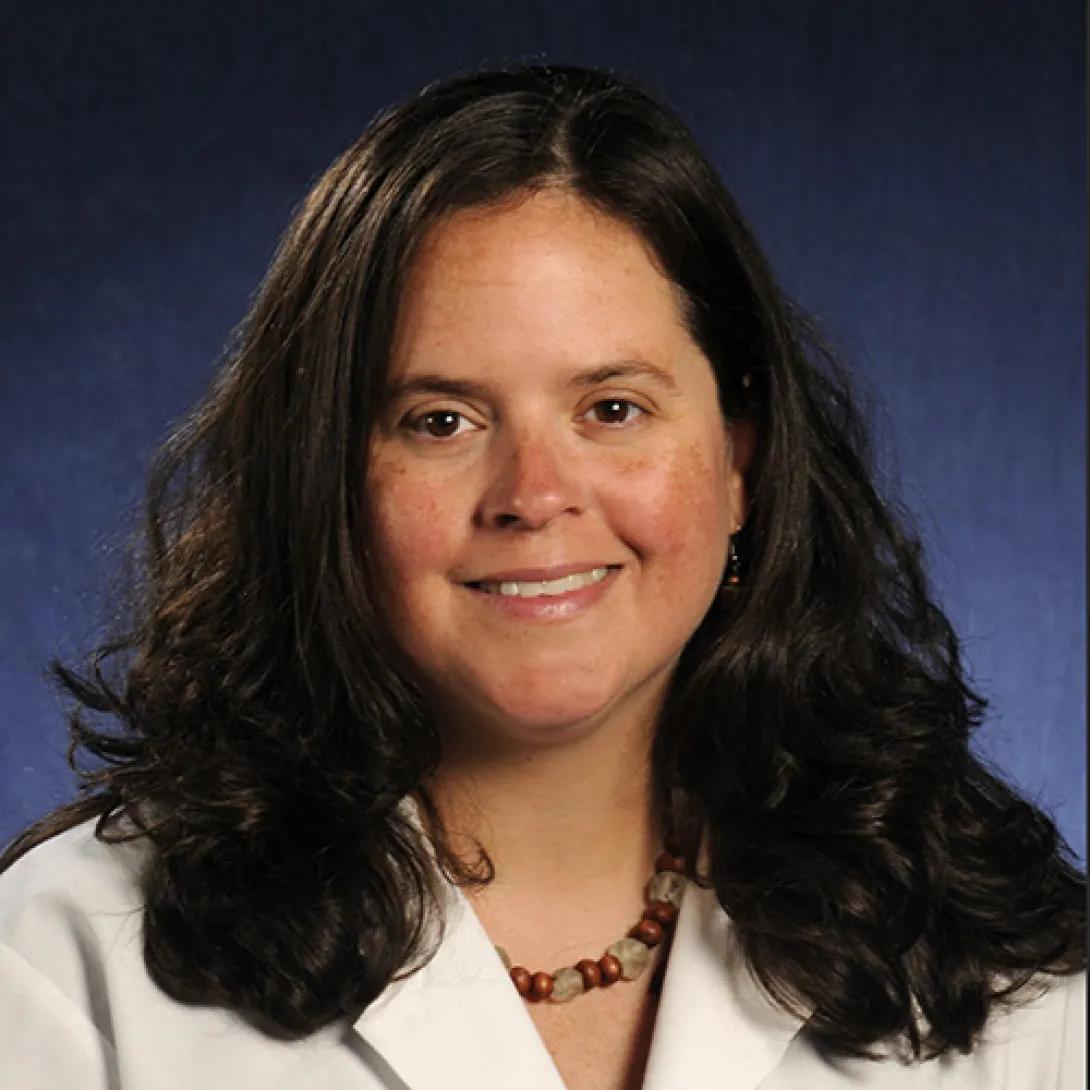
Dolly A Padovani-Claudio
Medical School

Josh Ehrlich
Associate Professor of Ophthalmology and Visual Sciences
Medical School
Research Associate Professor
Survey Research Center
Institute for Social Research
Associate Director
Global Health Equity
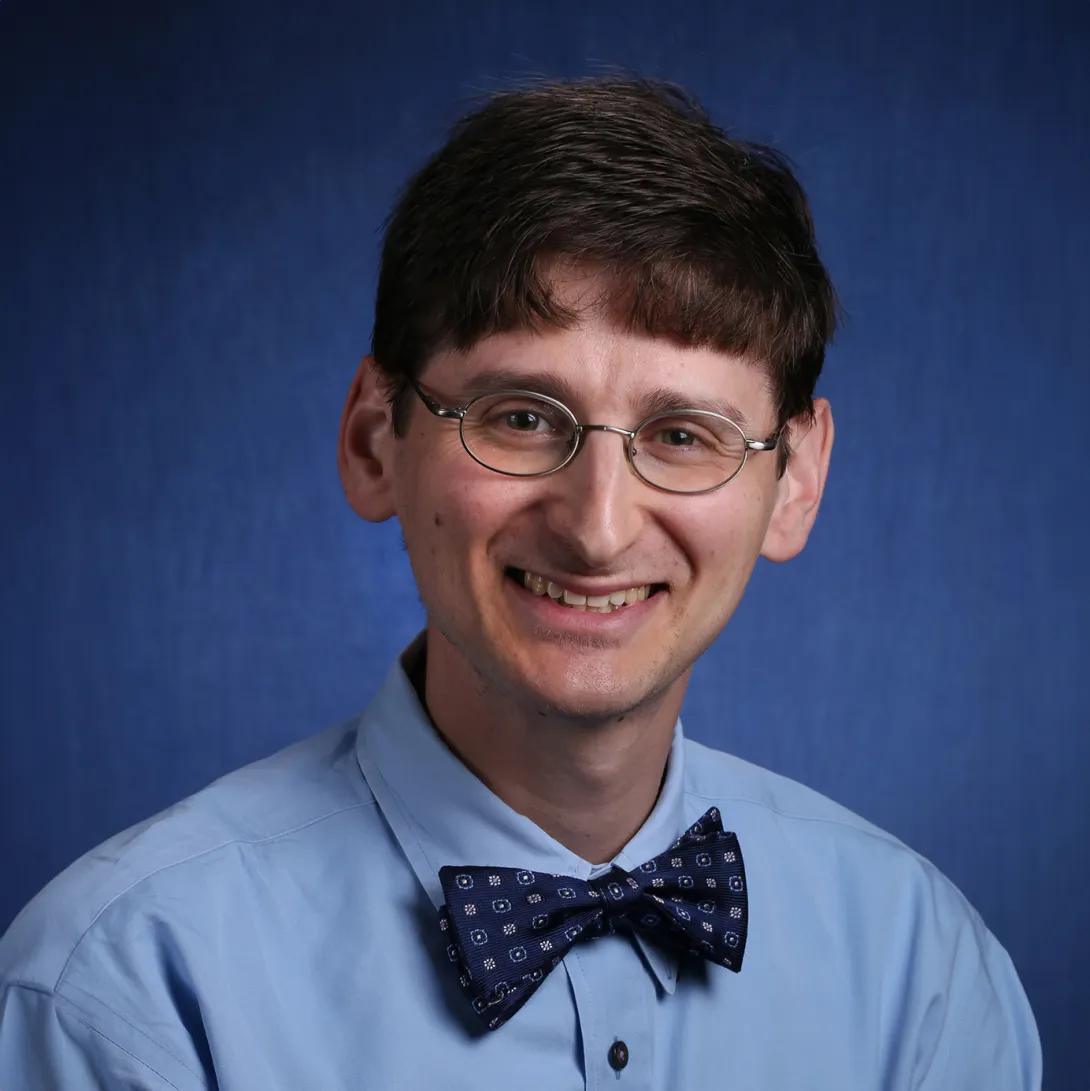
Lev Prasov, MD, PhD
Associate Professor of Human Genetics
Medical School
