
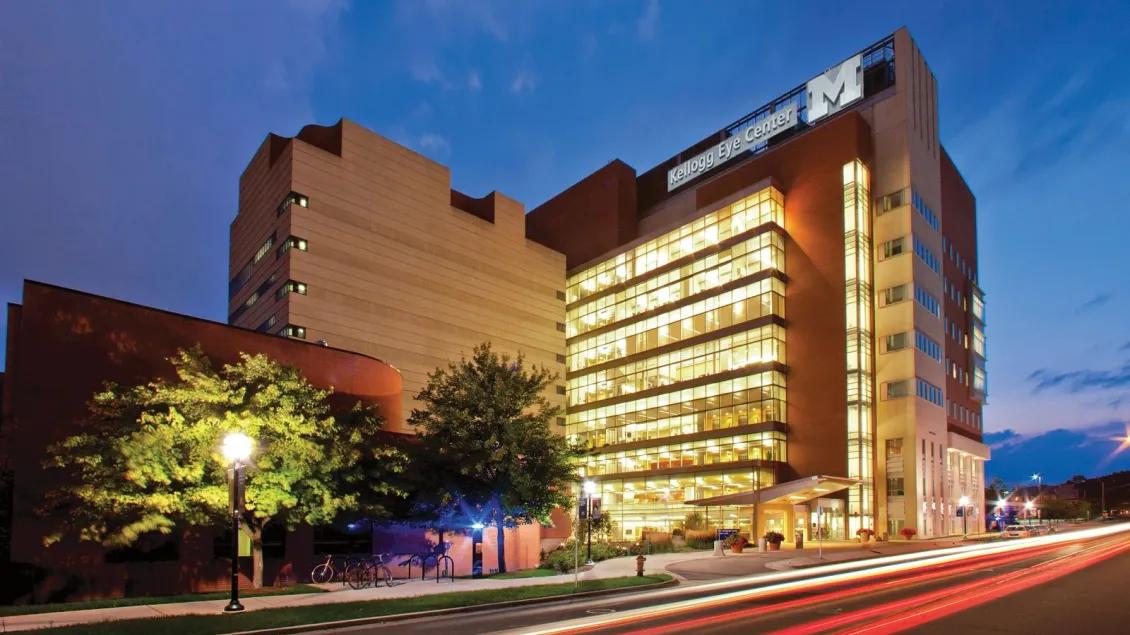
Neuro-Ophthalmology Fellowship
The U-M Medical School Department of Ophthalmology & Visual Sciences Neuro-Ophthalmology Fellowship at the W.K. Kellogg Eye Center is a one-year clinical training program that provides a broad clinical and research experience in the care of acute and chronic neuro-ophthalmic disease in both adults and children.
We have one or two funded positions per year. Eligible applicants must have completed either neurology or ophthalmology ACGME accredited residency program. International candidates please see below.
The Neuro-Ophthalmology Fellowship at the W.K. Kellogg Eye Center is an Association of University Professors of Ophthalmology (AUPO) compliant fellowship.
For More Information
Program Overview
We offer fellows a unique training experience with a wide array of learning opportunities and resources to expand their expertise.
Learn more about the fellowship program by jumping to the sections below:
How to Apply
To apply for the Neuro-Ophthalmology Fellowship, please submit your application to the Ophthalmology Fellowship Match.
We are not able to accept applications directly.
Please refer to SF Match website for information regarding application deadlines.
We welcome international fellows. Fellowship positions for international medical school graduates or physicians are generally non-funded positions. Interested applicants are encouraged to obtain a funding (e.g., grant) from their respective ministry of health, institution, or organization or use personal funds to support their participation in the neuro-ophthalmology fellowship position.
On occasion, we may have funding available for international fellows. Interested applicants are encouraged to contact us since this varies from year to year.
Of note, this program offers only J1 visas.
If you are interested in the international fellowship position, please contact the program director at [email protected].
Eligibility
Please note, all documents are required to be in English.
- Updated curriculum vitae
- Photograph taken within the past 6 months
- Medical school diploma from an accredited World Federation for Medical Education (WFME) medical school (English translation)
- Medical school transcript (English translation)
- Medical license from the country of origin
- Ophthalmology residency diploma from a 3-year residency training program
- Must have completed USMLE steps 1, 2ck, 2cs (required for clinical fellows)
- Personal statement (career goal, rationale for interest in ocular oncology)
- Three letters of recommendation addressed to Dr. Hakan Demirci. One of the letters must come from the department chairperson.
- Valid ECFMG certificate (required for clinical fellows to be able to perform clinical duties)
- Must be eligible for a J-1 Physician visa (required for clinical fellowship)
Curriculum
The training program provides inpatient and outpatient clinical experience, research, and teaching opportunities. Our division sees over 150 patients per week at Kellogg Eye Center, the clinical training site. Fellows are actively involved in all neuro-ophthalmology clinics as well as in care of patients in the emergency department and hospital inpatient services. Many opportunities exist for research and for presentations at local and national meetings.
Our division includes faculty with core training in ophthalmology and neurology. Our fellowship will provide background knowledge for residents coming from either specialty.
- Ophthalmology-trained fellows will have an opportunity to acquire additional neurology training by spending time with the neurology consult and inpatient teams.
- Neurology-trained fellows will have time designated initially in dedicated ophthalmology clinics (comprehensive ophthalmology/optometry) to acquire ophthalmology examination skills. They also attend introductory ophthalmology resident lectures during this time period.
Our fellows are exposed to related specialties to broaden their training, including pediatric ophthalmology, orthoptists, ophthalmic genetics, retinal dystrophy and electroretinogram testing, vestibular disorders, general neurology, neurosurgery, neuroradiology, and neuropathology. Fellows may elect to spend additional time acquiring skills and knowledge in any of these disciplines.
Training Experience
Ophthalmology residents/ophthalmology faculty provide primary call coverage for patients in the emergency room and inpatient units of the University of Michigan Hospitals and Ann Arbor VA. The neuro-ophthalmology fellow is available for consultation as needed. There is always a neuro-ophthalmology attending back-up readily available for case discussion.
Outpatient Experience
Fellows are assigned to outpatient clinics under the supervision of neuro-ophthalmology faculty. Clinics are located at the Kellogg Eye Center or at the main hospital (a short 10-minute walk or 5-minute bus ride from the eye center). Fellows will initially examine patients, present findings to the attending and then have an opportunity to jointly see the patient with the attending. The fellow will primarily evaluate approximately 40 patients each week. The case mix includes patients with disorders of the visual and ocular motor pathways, changes in higher cortical function, and pupil abnormalities. We collaborate closely with many other specialties including neurosurgery, neuroimmunology, and neuro-oncology. We evaluate both adult and pediatric neuro-ophthalmology patients. Fellows develop more sophisticated decision-making as training proceeds, but they are always supervised by attending physicians in clinics.
Our faculty perform botulinum toxin injections for a variety of conditions, including hemifacial spasm, blepharospasm, migraine and trigeminal neuralgia. Fellows will have an opportunity to learn how to evaluate and treat these disorders.
Temporal artery biopsies are performed by Otolaryngology. Fellows will have an opportunity to observe this procedure.
Fellows will have a half day of independent clinic in general neurology or comprehensive ophthalmology every week. This clinic provides an opportunity to longitudinally follow a cohort of patients throughout the year in your respective specialty.
For interested ophthalmology-trained fellows, there is the possibility of performing cataract surgery. For training in strabismus, our institution offers a pediatric ophthalmology fellowship, which could be added as a second year.
Inpatient Experience
The inpatient and emergency department ophthalmology consult service is primarily run by neuro-ophthalmology faculty. Fellows will participate in inpatient rounds at the hospital and have an opportunity to examine acute neuro-ophthalmic patients at bedside. Rounds are held once a week on Friday afternoons.
Neuro-Radiology Conference
Fellows are actively involved in a 2-hour weekly (Friday afternoon) neuroradiology conference directed by one of the University of Michigan attending neuro-radiologists. Imaging from cases seen in clinic and the hospital setting are reviewed and discussed.
Fellows are given one half day a week for dedicated research time. Fellows are expected to join ongoing projects or develop new research projects, either clinical or in the basic sciences, under faculty supervision. Each fellow has in the past produced at least one publication in a peer-reviewed journal. Fellows will attend the annual North American Neuro-Ophthalmology Society (NANOS) meeting and are expected to submit an abstract (research and/or Walsh case). There are also opportunities to attend and present at regional meetings, such as the Upper Midwest Neuro-Ophthalmology Society (UMNOG) annual meeting. Fellows also participate in the Department of Ophthalmology Annual Research Day.
Didactic Teaching
Fellows meet with Dr. Jonathan Trobe weekly for didactic clinical teaching. Fellows also have access to the formal NANOS neuro-ophthalmology fellowship curriculum. All clinics end with a formal wrap-up to review cases seen that day and provide additional teaching.
Residents and Medical Students
The fellow is actively involved in teaching medical students and residents. Trainees from ophthalmology, neurology and neurosurgery rotate through the neuro-ophthalmology clinics.
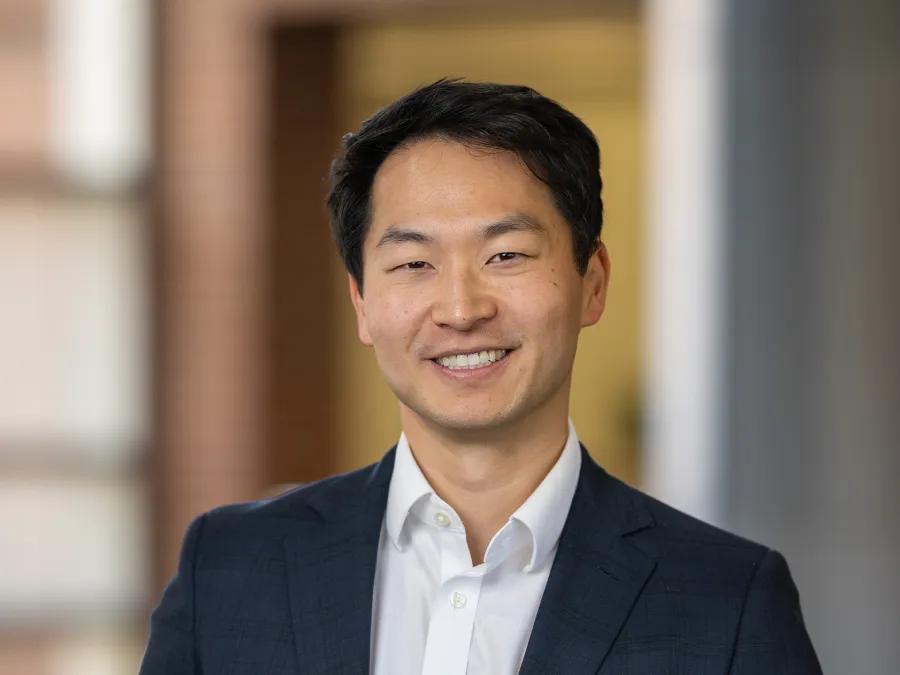
Current Fellows
Meet our current Neuro-Ophthalmology trainees. We emphasize teamwork, excellence, and leadership while preparing our fellows with resources to be successful in their careers.
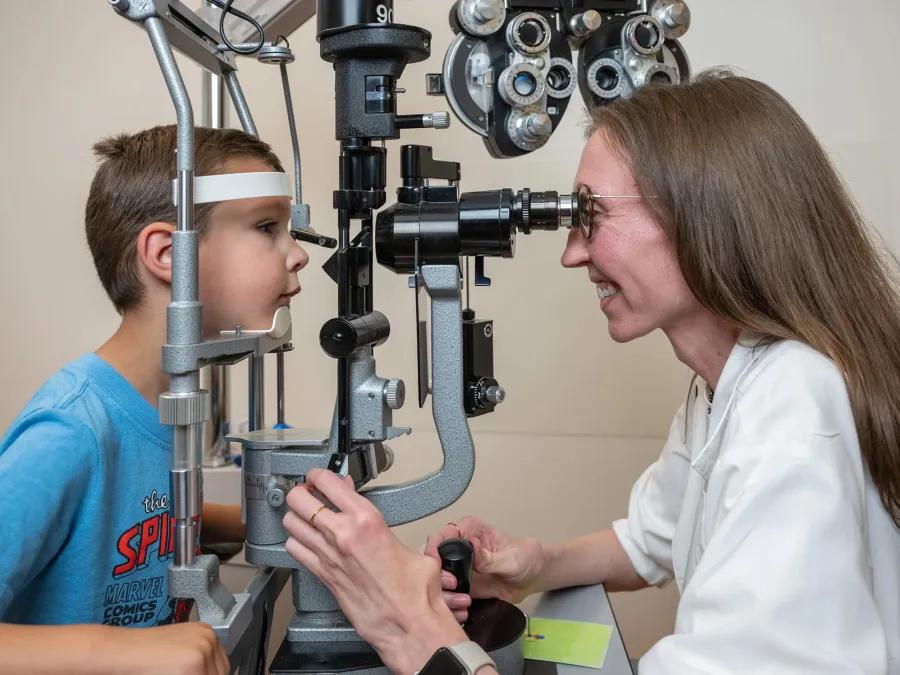
Salary & Benefits
We offer highly competitive salaries and generous benefits to our residents, fellows, and advanced trainees. Trainee salary will be commensurate with that of a House Officer at an equivalent level of training based on the HOA contract.
Where Are Our Alumni Now?
We have trained 36 fellows since the fellowship's inception in 1987. The last 5 years of data is provided.
- 2025-2026: Michigan State University
- 2024-2025: Rush University
- 2023-2024: University of Michigan faculty
- 2022-2023: Private Practice, Nevada
- 2020-2022: Pediatric Ophthalmology Fellowship at Kellogg Eye Center, then academic Practice (University of Nebraska)
Program Leadership
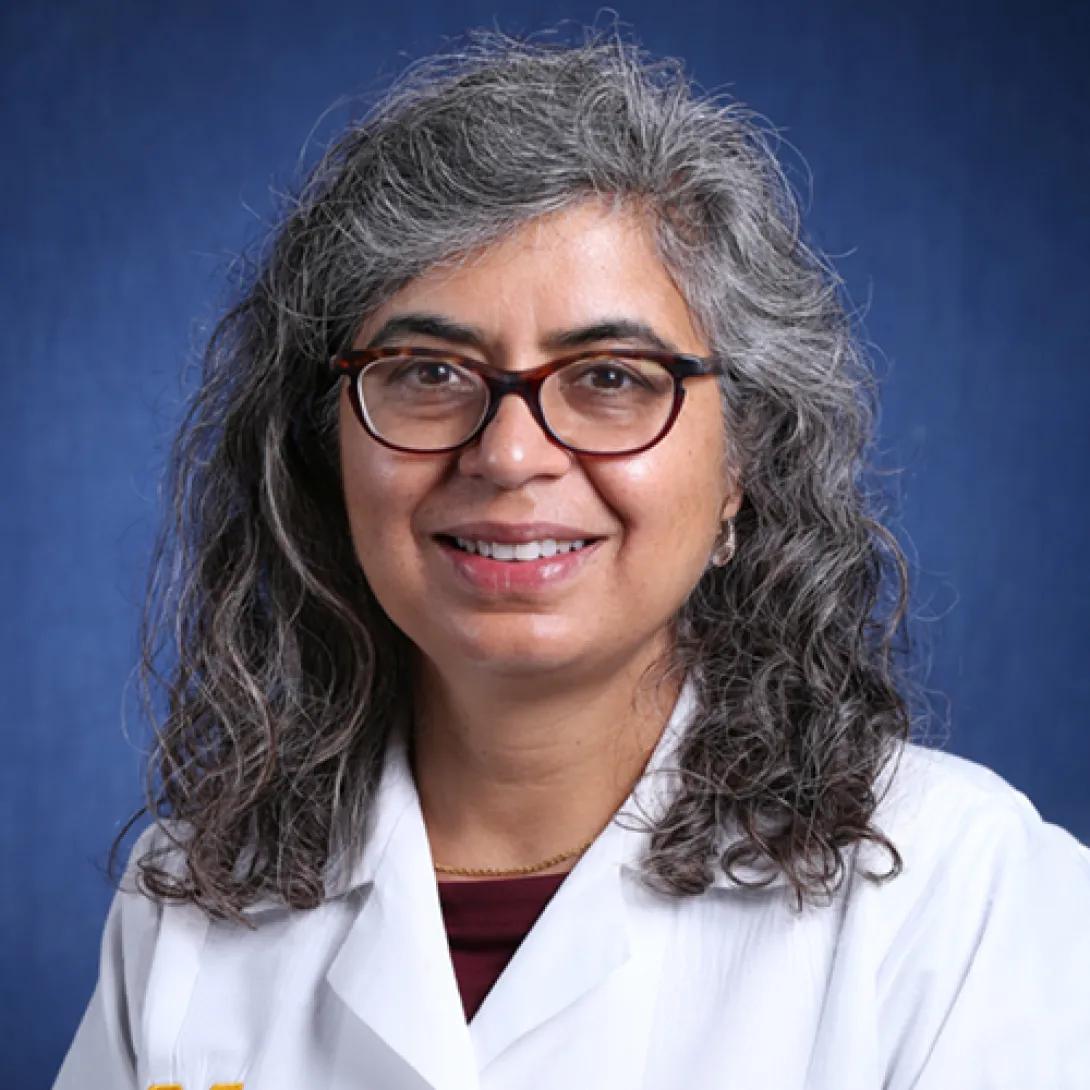
Sangeeta Khanna, MD
Clinical Professor of Neurology
Medical School
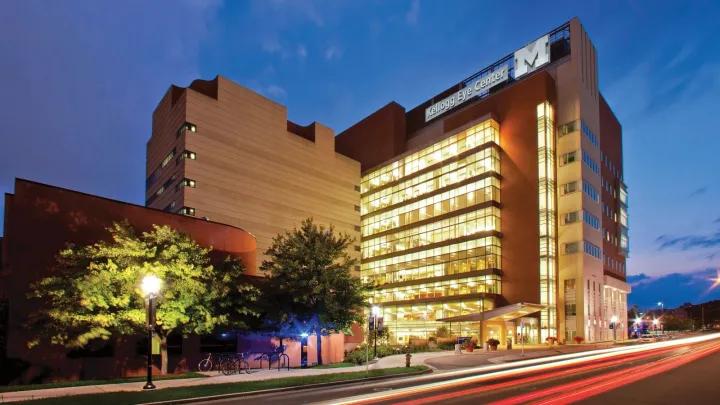
See Where Training Takes Place
Our campus offers numerous spaces and facilities dedicated to academic learning, research and clinical care, including specialty clinics, research labs and more. We provide a collaborative and innovative environment for education, research and patient care.
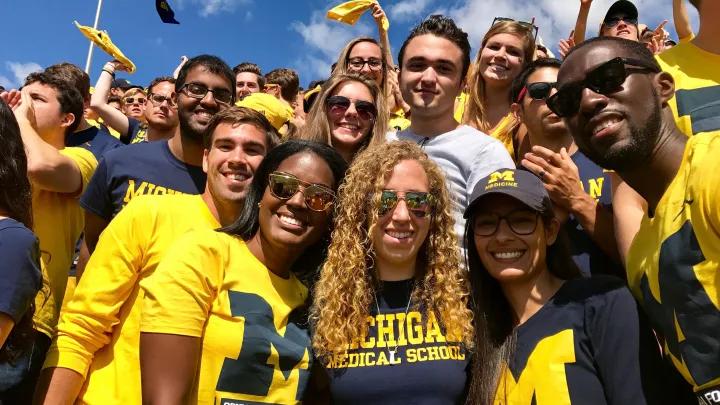
Our Community
Feel at home in Michigan. Explore what it’s like to live, learn and grow in Ann Arbor among a diverse and supportive network of leaders in ophthalmology and discover all of the resources and services available to you.
