
Back to About
Ophthalmology Fast Facts
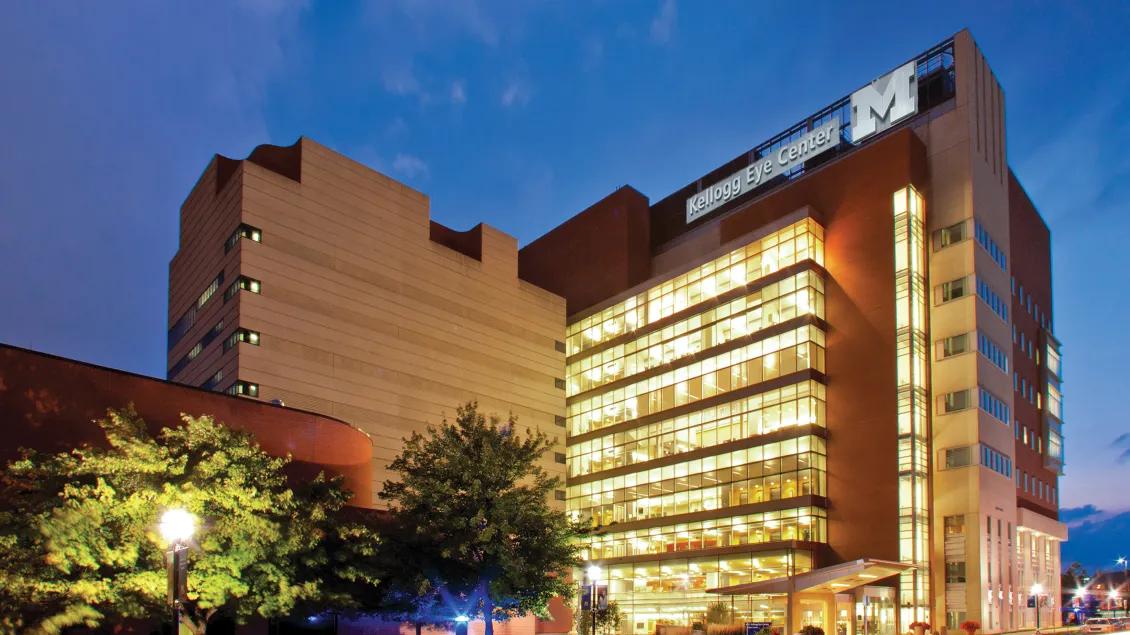
The Department of Ophthalmology & Visual Sciences at the Kellogg Eye Center is part of the University of Michigan Medical School and the Michigan Medicine health care system. Established in 1872, the department is a nationally recognized leader in patient care, research, and education. The Kellogg Eye Center, built in 1985, serves as the home of these clinical, research, and training programs.
These facts and figures highlight the department’s clinical volume, academic excellence, research impact, and longstanding commitment to advancing eye care and vision science.
This information is for fiscal year 2025 (July 1, 2024 - June 30, 2025).
National Rankings
#1 in Michigan
U.S. News & World Report Best Adult Ophthalmology Hospitals
#8 in the United States
U.S. News & World Report Best Adult Ophthalmology Hospitals
(#11 Pediatrics & #11 Adult Specialties)
#9 in the United States
Doximity Residency Navigator
Faculty
- Chair: Shahzad I. Mian, MD
- Faculty: 150
- Clinical faculty: 120
- Clinical Scientists: 29
- Research faculty: 17
- Emeritus and Collaborating Adjunct Faculty: 13
- Endowed professorships: 25
Education & Training
- Residency Program Director: Ariane D. Kaplan, MD
- Residents: 21
- Clinical fellows: 16
- Research fellows: 13
- Alumni: 544 active US and international alumni
Funding
- 1884: End-of-year balance in the Eye & Ear Ward Treasury = $2.77
- FY 2024-2025: Externally Funded Research Expenditures = $13.6M
Patient Visits
- 1904: 1,400 patient visits to the Eye & Ear Ward
- 1985: 36,852 visits to the newly opened Kellogg Eye Center
- Current Clinical Sites: 9
- All Locations FY 2024-2025: 236,700 clinic visits and 11,105 surgical procedures
Medical & Educational Facilities
- The Brehm Tower is an 8-story and 230,000 square foot addition to the Kellogg Eye Center with 9 eye clinics, 6 operating rooms, and suites for refractive surgery and cosmetic surgery.
- The Roger W. Kittendorf Resident Education Center offers classroom space, a resident lounge including lockers and on-call room, a surgical wet lab, and a surgery simulator center.
- Supporting services include genetic counseling, ophthalmic photography, diagnostic electrophysiological testing, and ocular prosthetics. Our 23 research laboratories are located in the Brehm Tower and in the adjoining Kellogg Tower.
- In addition to our primary location in Ann Arbor, we have the following locations serving patients in surrounding communities: Brighton, Canton, Chelsea, Grand Blanc, Northville, Pontiac (Trinity Oakland) and Ypsilanti (Huron River Drive).
- The Veterans Affairs Ann Arbor Health System is a 106-bed acute care facility. The VA Ophthalmology service offers diagnostic, medical and surgical care for conditions that affect your eyes—like cataracts, glaucoma, macular degeneration, and diabetic retinopathy.
Featured News & Stories

Health Lab
Commentary: Global health research makes America richer and healthier
Commentary about how global health research can produce treatments, knowledge and economic benefits that advantage wealthy countries in unexpected ways.

Health Lab
Nerf gun accident causes retinal detachment in pediatric patient
An 8-year-old boy suffered a retinal detachment after a Nerf dart injury, requiring surgery at University of Michigan Health’s Kellogg Eye Center. Learn the warning signs of toy gun eye injuries and why protective eyewear is essential for children.

Philanthropy News
Kellogg care inspires gift to vision research
A patient's remarkable outcome after treatment for multiple congenital eye conditions at the W.K. Kellogg Eye Center inspires his family to support vision research.

Health Lab
Mediterranean diet can slow progression of age-related macular degeneration
Fish, vegetables and whole grains in the Mediterranean diet can help reduce progression of age-related macular degeneration and support long term eye health.
Health Lab
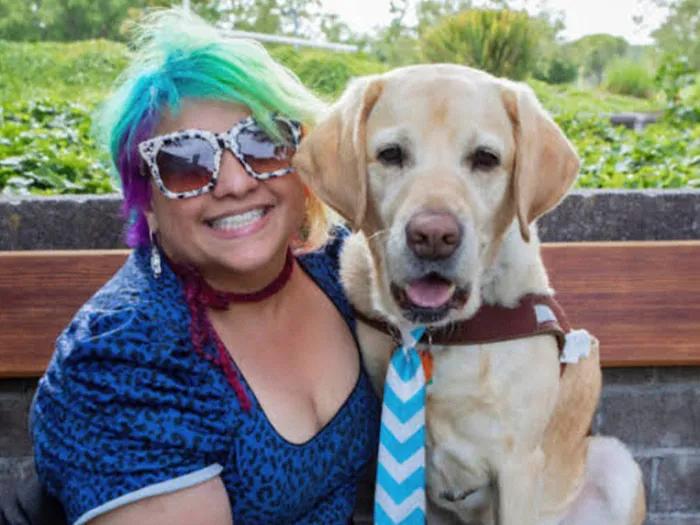
Patient with retinitis pigmentosa receives new hope at Kellogg’s low vision clinic
Retinitis pigmentosa can lead to vision loss, but DNA testing, inherited retinal disease research and AI glasses offer new hope.
Medical School News
Medical School well-represented among Strategic Initiative Fund’s first recipients
On Aug. 26, the University of Michigan announced 37 projects that will receive $40 million in initial funding from the Strategic Initiative Fund to pursue bold ideas.
