Ophthalmology Medical Student Programs
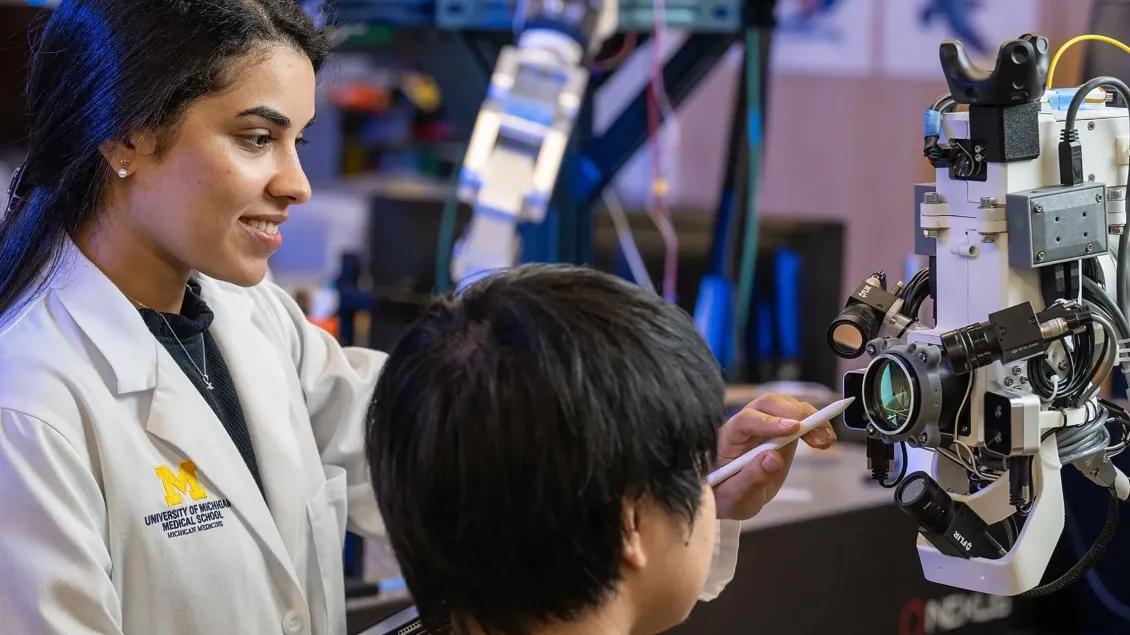
The UM Department of Ophthalmology & Visual Sciences provides a unique educational experience for medical students that involves interaction with our patients, faculty, and house staff.
Ophthalmologists help patients protect and preserve their vision by providing comprehensive medical and surgical eye care, while also supporting long-term eye health and comfort.
There are many subspecialties available within ophthalmology including comprehensive, glaucoma, cornea, pediatrics and strabismus, retina, neuro-ophthalmology, oculoplastics and ocular oncology.
For More Information
Program Overview
The goal of the U-M Medical School Department of Ophthalmology & Visual Sciences Medical Student Ophthalmology Education program is to support medical students interested in ophthalmology by providing early clinical exposure, hands-on skills training, and close mentorship with faculty and residents. Through focused clinical experiences and teaching, students gain a deeper understanding of ophthalmology, explore subspecialty interests, and build a strong foundation for residency preparation and future careers in the field.
During the 2 and 4-week courses offered, students will be assigned to our clinics and have time to observe in the operating room. Students will be taught clinical exam skills to allow for a more hands-on approach. Didactic sessions incorporating lectures and case-based learning accompany the clinical rotations. Students will also be assigned to our consults team at the Main Hospital which will allow them to see consults through the emergency room and inpatient units.
Courses & Electives
The 2-week Exploration Electives are offered and suggested prior to taking the 4-week clinical elective at the beginning of the Branches.
The 2-week Online Elective is intended for those applying into Internal Medicine, Pediatrics, Family Medicine, Emergency Medicine, or Neurology as well as anyone wanting to better learn the fundamentals of Ophthalmology in preparation for residency training. This course is ONLY intended for students who have not and do not plan to take any additional ophthalmology courses.
- OPHTH-8300: Online Ophthalmology: The Basics ("The Eyes Have It" Online)
The 4-week Clinical Elective should be taken after a 2-week exploration elective (if you choose to do so) and before an Advanced Clinical and Research Course. Students spend a week in the Comprehensive Clinic, Consults at the Main Hospital, and two subspecialty clinics (along with OR time).
- Branch students should take the course in March, April, or May, during their “Early” Branch phase.
- OPHTH-8200: Clinical
The Ophthalmology Advanced Clinical & Research Course is available for students committed to Ophthalmology that have already taken the traditional 4-week clinical elective. This course includes clinical and research components and students are asked to identify a mentor to work with.
The Ophthalmology Research Electives can be valuable if your time and efforts are productive. Research electives are offered all periods at the Kellogg Eye Center.
AAO Medical Student Resource
The American Academy of Ophthalmology has curated a set of excellent resources for medical students. Please utilize the What Every Medical Student Should Know paper published by the AAO, the Medical Knowledge videos, and Basic Ophthalmology lectures prior to your rotations. Also, take time to explore the other resources about the Match process and getting involved in the ophthalmology community.
Visiting Students
Ophthalmology: OPHTH-8200 – Clinical
This 4-week clinical elective is located at the Kellogg Eye Center during June, July, August, and September, and is open to medical students from other institutions who are in their M3/M4 year of medical school. Application and submission dates can be found on the Visiting Student Learning Opportunities™ (VSLO) Website.
Dometic Students
- Domestic students can apply through the AAMC – Visiting Student Learning Opportunities™ (VSLO) website. For additional information including eligibility and application requirements, please visit the Visiting Students page on the U-M Medical School website.
- Ophthalmology participates in the Michigan Medicine Health Equity Visiting Clerkship. Additional information can be found on the Visiting Students page on the U-M Medical School website.
International Students
International Students in their final year of medical school are eligible to complete a 4-week clinical rotation in October or November. Interested candidates should contact Donna Donato, Global Ophthalmology Program Coordinator.
Please contact Rachel Riddle, Medical Student Clerkship Coordinator, with any questions.
Jerome Jacobson Global Program
We are committed to working toward the elimination of avoidable and preventable blindness and vision impairment by working to strengthen health systems, build human resource capacity, and enhance knowledge about the epidemiology and treatment of eye disease globally.
Expand Your Training
Complement your medical education with resources designed to build your professional foundation in ophthalmology. We have a dedicated team of ophthalmology faculty committed to supporting students through their medical school career, offering mentorship, and advising for the residency application process.
Below is a list of current opportunities to further your experience in the field. U-M Medical School students can contact Rachel Riddle, Medical Student Clerkship Coordinator, to be paired with a faculty career advisor or for additional information about training opportunities.
This volunteer experience provides medical students the opportunity to learn hands-on skills in ophthalmology that will allow them to work with Kellogg Eye Center faculty, residents, and staff to provide vital care to the uninsured and underserved in our community through the Hope Clinic.
- Begin by learning the following skills: completing a history, vision checking, pinhole visual acuity, lensometry and autorefraction, and how to properly document in patient charts.
- Students will then focus on a more advanced skill set: confrontation visual fields, ocular motility, and intraocular pressure.
- Available to UMMS students and must be trained and assessed prior to volunteering.
All volunteering experiences must be coordinated by Rachel Riddle, Medical Student Clerkship Coordinator.
This program is intended for medical students passionate in the areas of health equity and ophthalmology.
Program Highlights: Participants will be exposed to the field of Ophthalmology to:
- Address inequities and disparities in eye care, clinical and surgical exposure
- Become familiar with skills/techniques to provide primary eye care to patients
- Gain mentorship and guidance to be a competitive applicant to ophthalmology residencies
- Practice how to be a clinical student while strengthening fund of ophthalmology knowledge
Who Should Apply:
- M1s, from any U.S. medical school
- Students with a 4–8-week summer break. Time commitment is approximately 40 hours per week, and program start/end dates are coordinated around participant’s school schedule.
- Students interested in health equity research
- A stipend will be provided for a minimum of 4-weeks participation
Application Components:
- One letter of recommendation (sent directly from letter writer to Rachel Riddle, written by an ophthalmologist, physician from another specialty, or professor (including undergrad years))
- Description of your past experiences or any exposure you’ve had with ophthalmology (200-word maximum)
- Description of interest in health equity research and motivation for applying (400-word maximum)
- Curriculum vitae
Submit your application online
Research Presentation Funding Opportunity: Program participants accepted to present original clinical, basic science or educational scholarship at a regional, national, or international meeting will be considered for an Ophthalmology Summer Program Research Funding Application upon submission of an application for such funding.
Michigan Ophthalmology Pathway Program (MOP) was created in 2017 to build a near-peer mentoring program between incoming M1 medical students and ophthalmology residents. Through the years, the program has expanded to include medical students at all stages of their undergraduate medical training who are interested in the field of ophthalmology and seek mentoring. We encourage shadowing in the clinics and operating rooms, research opportunities, and social gatherings to build camaraderie.
We recruit for the M1 class during the Fall of their first year. We have an application process to select students and then match them with ophthalmology residents and faculty to create a family structure.
Special events for MOP participants include slit lamp skills night, EyeSi Surgical Simulator experience, Grand Rounds lecturer dinner, and informal dinners with MOP family members (medical students, residents, and faculty).
If you are interested in learning more about the MOP Program, please contact Rachel Riddle, Medical Student Clerkship Coordinator.
- Ophthalmologist shadowing opportunities are open to undergraduate, pre-medical & medical students.
- Kellogg Eye Center does not currently have a university-sponsored program in place allowing minors to shadow an ophthalmologist.
- HIPAA, Code of Conduct, Immunization Record, Visiting Observer Request Form must be on file prior to the student shadowing.
All shadowing experiences must be coordinated by Rachel Riddle, Medical Student Clerkship Coordinator.
Volunteer research opportunities are available for medical students at the Kellogg Eye Center. To find a research project of interest to you, please review our current research.
- Students are welcome to email the Principal Investigator (PI) directly regarding research opportunities in their lab.
- When emailing a PI, please include your CV, why you’re interested in their project(s), and any prior experience or skills.
- Students may need to meet with Kellogg Eye Center's Research Compliance Specialist if the project involves human subjects or their data.
- All students may be required to complete the onboarding process through Michigan Medicine Volunteer Services.
Medical students must notify Rachel Riddle, Medical Student Clerkship Coordinator, prior to beginning any research project.
Resources
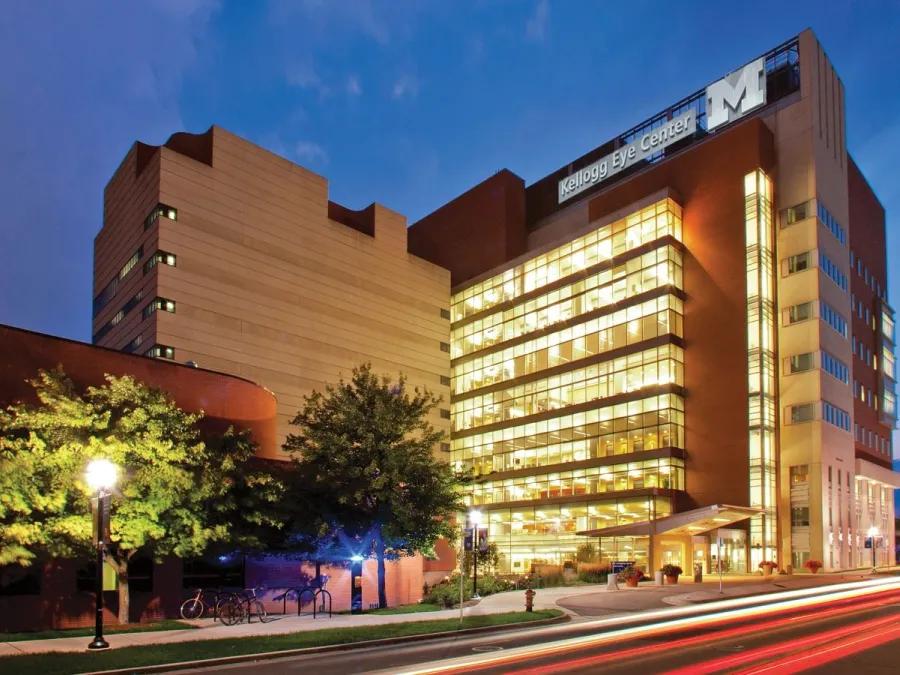
See Where Training Takes Place
Expand your career trajectory in a high-volume academic medical center that also supports and excels in a wide range of basic science, translational and clinic outcomes research programs.
Program Leadership
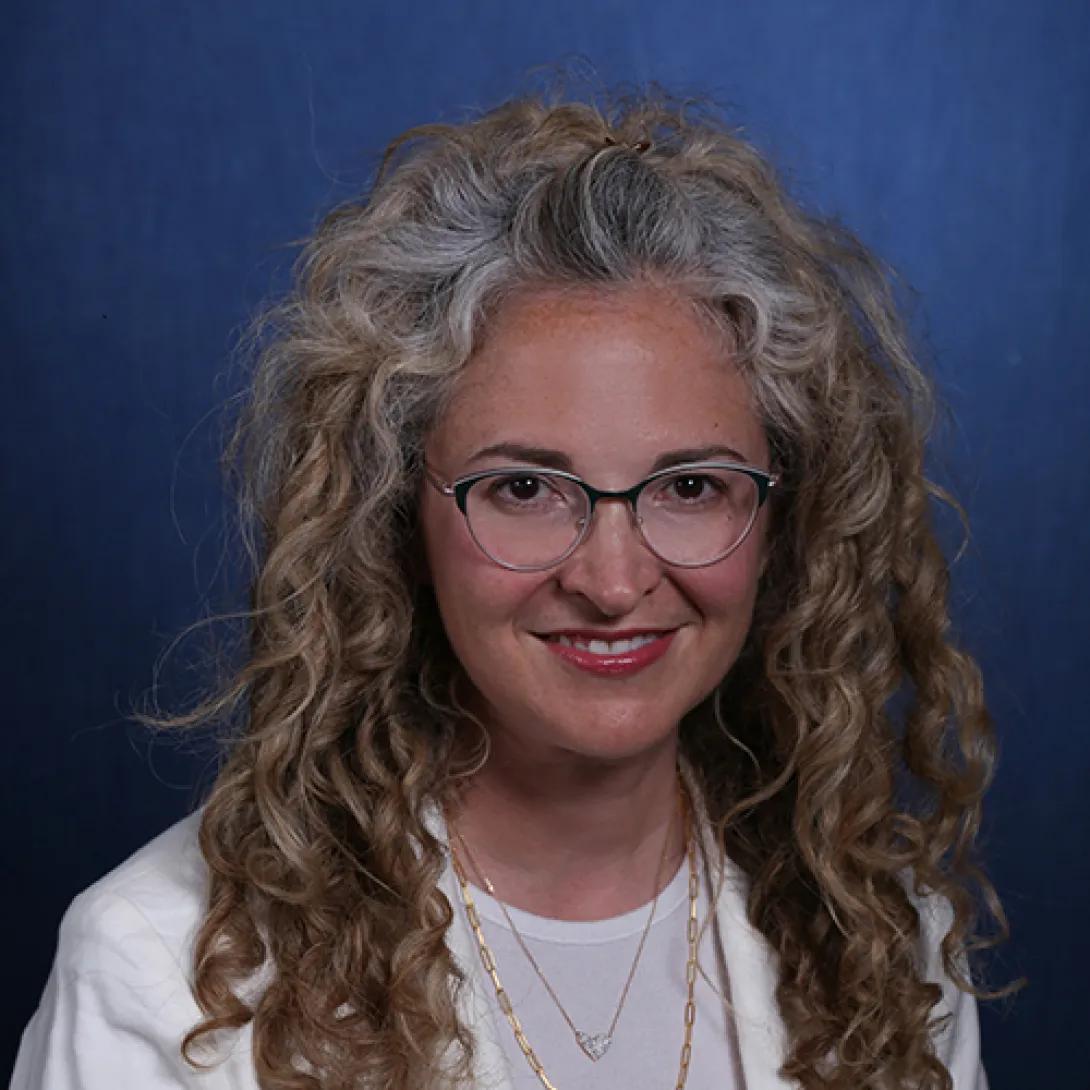
Ariane Kaplan
Clinical Associate Professor of Ophthalmology and Visual Sciences
Medical Student Education Director
Kellogg Operating Rooms and Program Director
Ophthalmology and Visual Sciences
Medical School
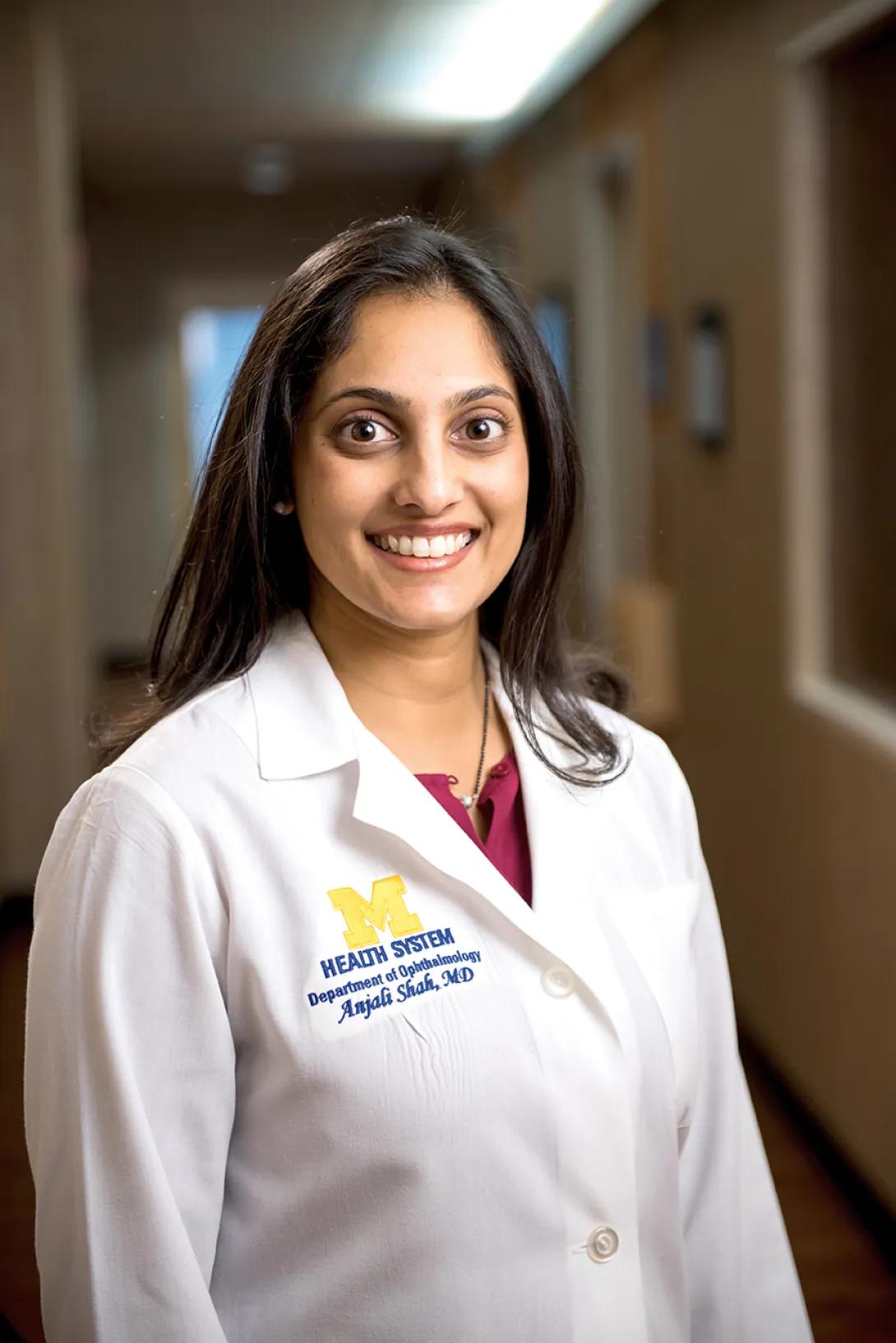
Anjali R Shah, MD
Assistant Medical Director, Ophthalmology and Visual Sciences
Medical Director, Retina, Medical School
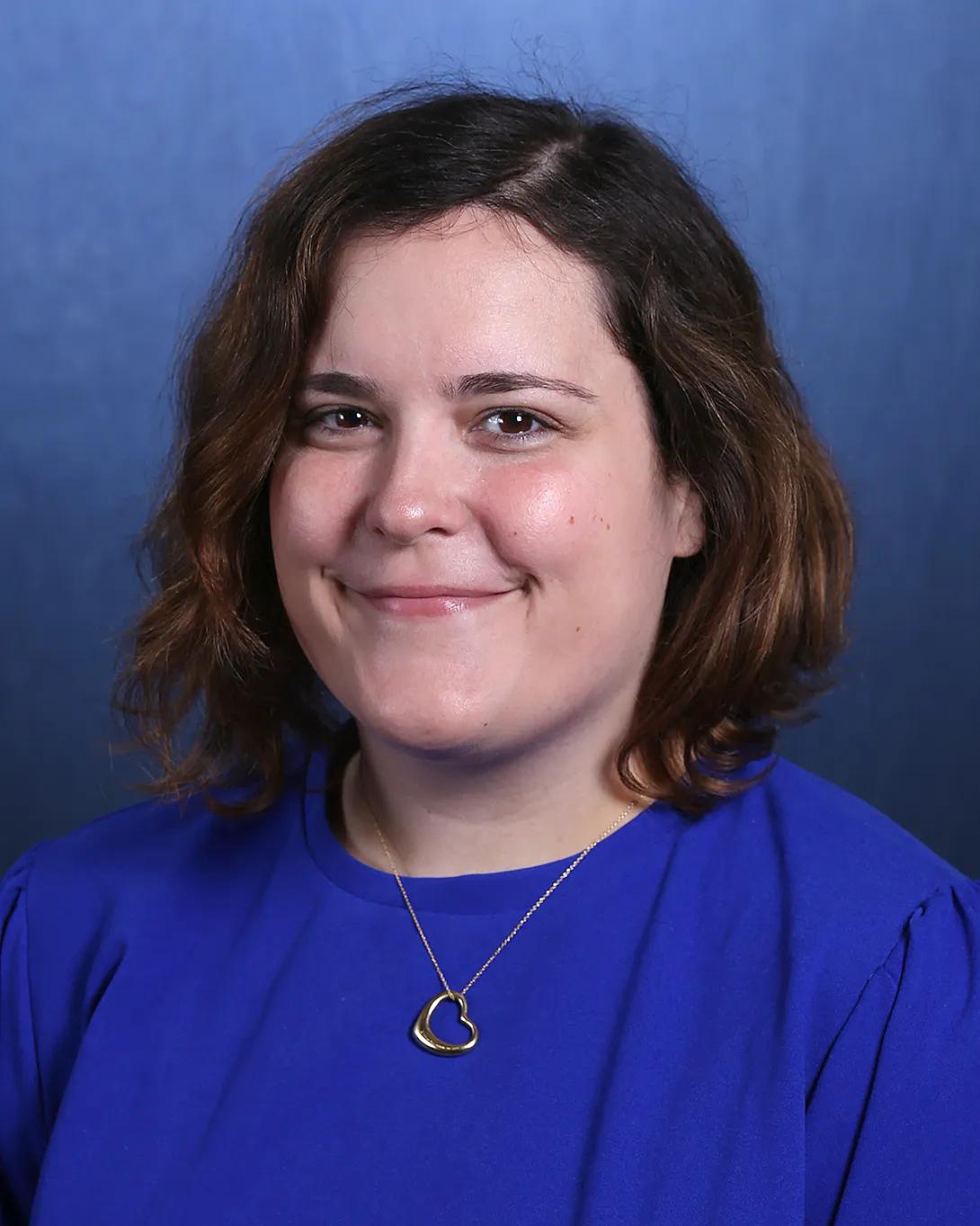
Tatiana Deveney, MD
Medical School
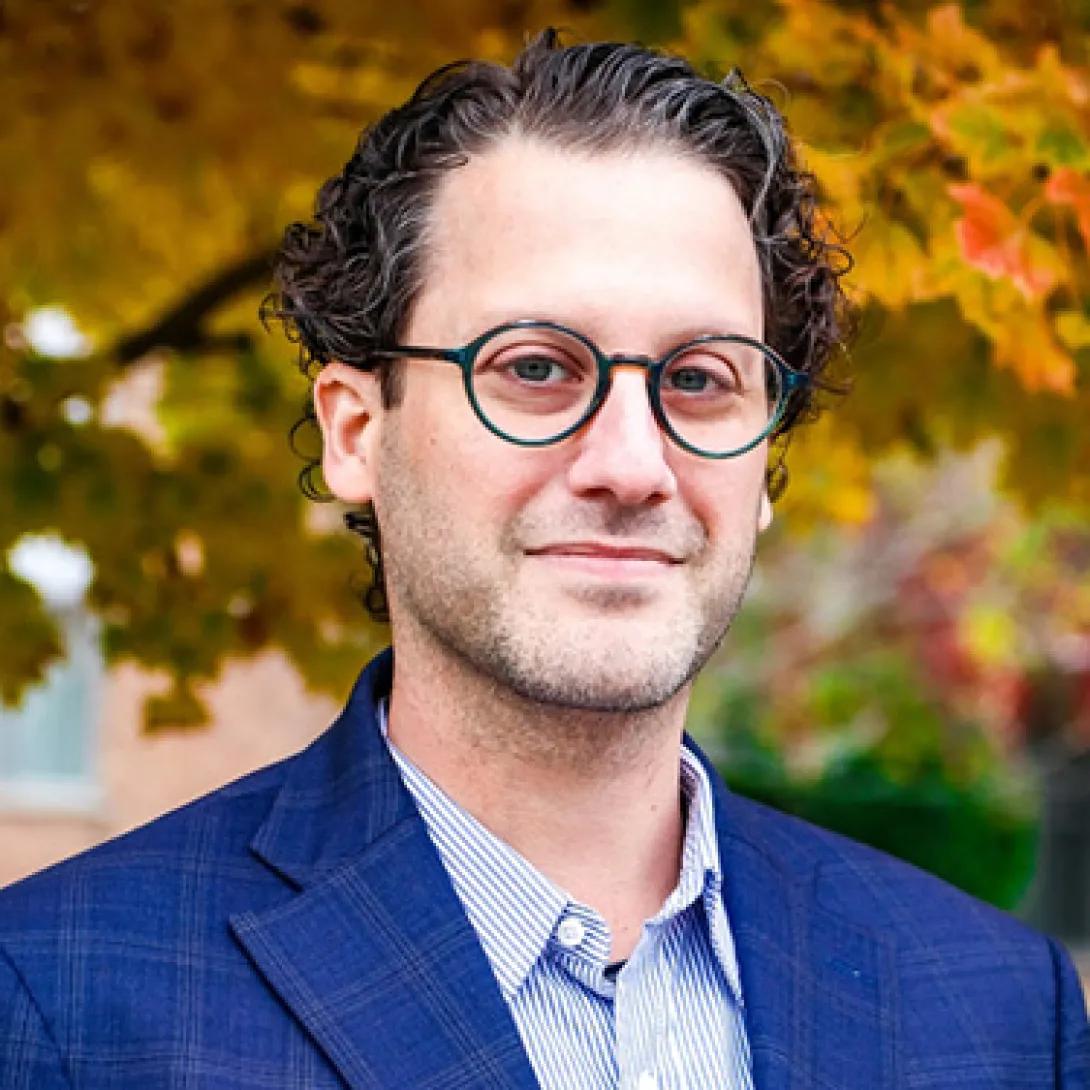
Adam Jacobson, MD
Medical School
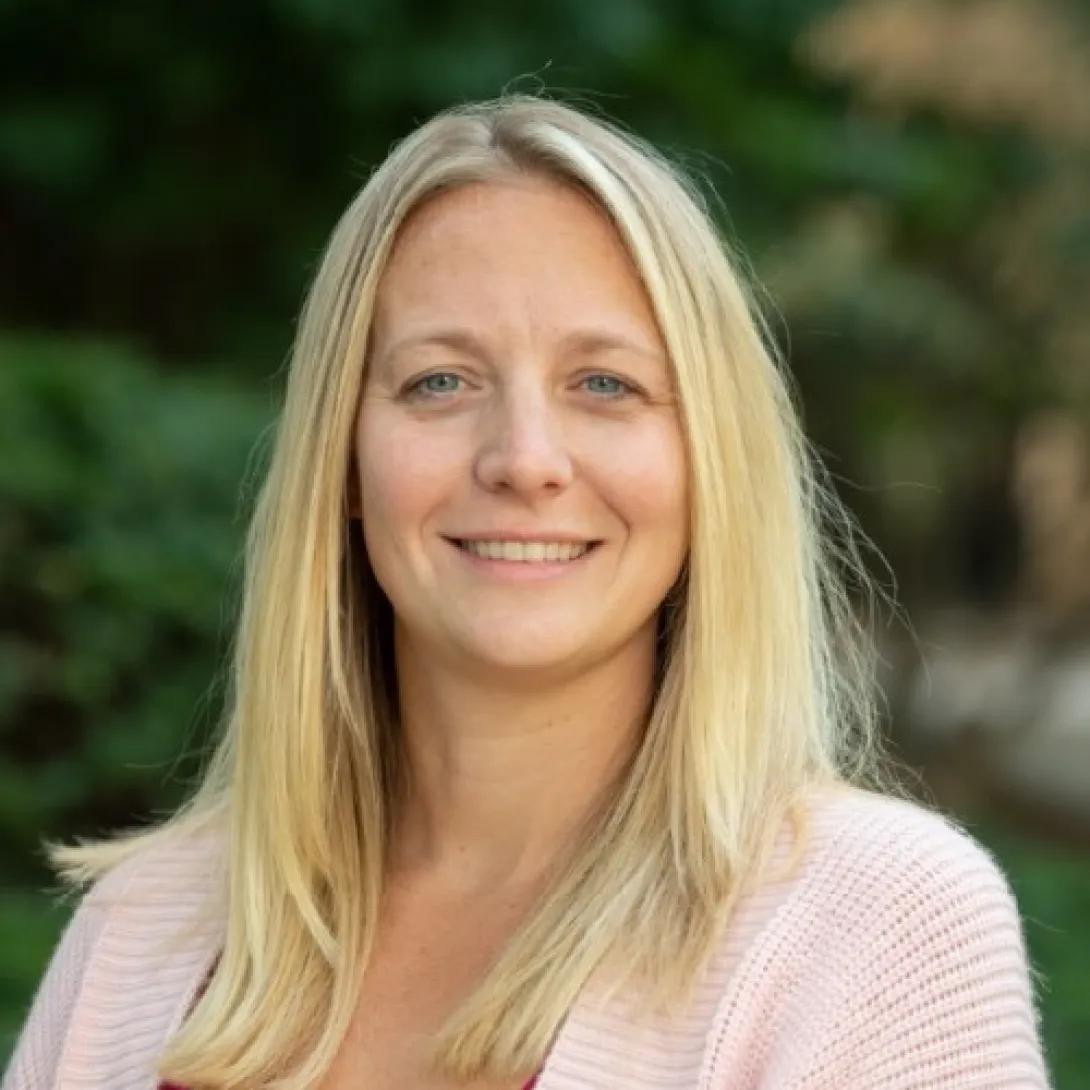
Laura Gwyn, AAS, C-TAGME