-
Education Hub -
Medical Student Programs -
Residency -
Fellowships -
Cancer Genetics & Breast Health -
Complex Benign Gynecology -
Complex Family Planning -
Global Women's Health -
Gynecologic Oncology -
Hospitalist -
LGBTQ+ Reproductive & Sexual Health -
Maternal Fetal Medicine -
Pediatric & Adolescent Gynecology -
Reproductive Endocrinology & Infertility -
Urogynecology & Reconstructive Pelvic Surgery -
Women's Health
-
-
Opportunities -
Facilities & Spaces
LGBTQ+ Reproductive & Sexual Health Fellowship
The goal of the LGBTQ+ Reproductive & Sexual Health fellowship is to help advanced trainees identify their paths as future leaders in LGBTQ+ health and provide them with resources for their individual success.
Program Overview
Our program, the first of its kind in the nation, is designed to provide OBGYN physicians with 12 months of high-volume clinical experience in managing the myriad and complex reproductive and sexual health needs of the LGBTQ+ community, supported by participation in research, education, and advocacy, as well as consistent mentorship from program faculty.
The overarching topics covered within the year-long program include:
Medical and surgical options for gender affirmation
Healthy sexual function in gender diverse individuals
Family planning and fertility preservation for LGBTQ+ individuals
Mental health and emotional wellness in LGBTQ+ individuals
Trauma-informed and inclusive care practices
Research design, presentation, and manuscript preparation
Participating in advocacy and community engagement
The program is structured to deliver a robust core curriculum complemented by diverse opportunities for elective rotations based on the individual interests of the fellow.
Core Program Components
Gender-affirming care: All fellows will spend 1-1.5 days per week learning to independently manage gender-affirming hormone therapy for the hundreds of patients seeking care through the University of Michigan Comprehensive Gender Services Program (CGSP). Fellows will begin the year by staffing clinics under direct supervision from program faculty but will eventually see patients in their own half-day continuity clinic. Fellows will also spend approximately 1 full day every other week in the operating room performing gender-affirming surgeries, including hysterectomy and salpingo-oophorectomy. For individuals with a strong surgical interest, training in vaginectomy procedures may be available. The program will offer exposure to a wide range of specialties and disciplines involved in LGBTQ+ reproductive & sexual health and wellbeing. The goal is not for fellows to be able to provide all of the following services independently, but rather to gain both a broad and deep understanding of the multidisciplinary services utilized by the LGBTQ+ community, including:
Urology: Masculinizing and feminizing genital surgeries and urinary diversions
Breast / Plastic surgery: Chest surgery, implants, genital surgeries
ENT: Voice feminization, tracheal shave, facial feminization procedures
Family building and fertility preservation: Fellows will spend time with faculty from the division of reproductive endocrinology and infertility learning about LGBTQ+ family building, including providing counseling on options for family building, third-party reproduction including the role of donor sperm, donor oocytes, donor embryos, and gestational surrogacy, assisted reproductive technologies (ART), and fertility preservation in the context of gender-affirming care. Fellows will also spend time on labor and delivery to provide a comprehensive approach to the obstetric journey for LGBTQ+ individuals and families.
Sexual health: All fellows will gain expertise in LGBTQ+ sexual health, including workup of pelvic pain, contraception, STI prevention/screening/management (excluding treatment of HIV/AIDS), and management of disorders of sexual function, including desire, arousal, and orgasm.
Psychosocial wellness: All fellows will gain exposure to the broad range of psychosocial services our interdisciplinary team of psychiatrists, psychologists, and social workers provides to the LGBTQ+ community.
A variety of elective opportunities are offered based on the fellow's professional interests, including participation in our interdisciplinary differences of sexual development (DSD) clinic, menopause clinic, vulva clinic, high-resolution anoscopy (HRA) clinic, HIV/AIDS clinic, addiction medicine, and clinical ethics.
To maintain skills, all fellows will have a general OBGYN continuity clinic 1 half-day per week and take 1 weekday shift on labor and delivery (L&D) every other week. Fellows will also take L&D call for 2 weekend shifts per month (day or night) and serve as our inpatient GYN faculty rounder for 2 weeks during the year, supervising the inpatient service and staffing consults. During their two weeks of GYN rounder duties, the fellow will not have any other clinical responsibilities.
Week 1
| Day 1 | Day 2 | Day 3 | Day 4 | Day 5 | |
| AM | Gender-Affirming Hormone Clinic | OBGYN Operating Room | Reproductive Endocrinology & Infertility Clinic | L&D Coverage | Didactics, Research, Admin |
| PM | Independent OBGYN Clinic | OBGYN Operating Room | Gender-Affirming Hormone Clinic | L&D Coverage | Didactics, Research, Admin |
Week 2
| Day 1 | Day 2 | Day 3 | Day 4 | Day 5 | |
| AM | Gender-Affirming Hormone Clinic | Urology Operating Room | Gender-Affirming Hormone Clinic | Reproductive Endocrinology & Infertility Clinic | Didactics, Research, Admin |
| PM | Independent OBGYN Clinic | Sexual Therapy / Chronic Pelvic Pain Clinic | Gender-Affirming Hormone Clinic | Reproductive Endocrinology & Infertility Clinic | Didactics, Research, Admin |
| Evening | Plastic Surgery Group Counseling Session |
*This is only a sample schedule, and the experiences and time dedicated will vary to ensure high quality and balanced clinical and research experiences.
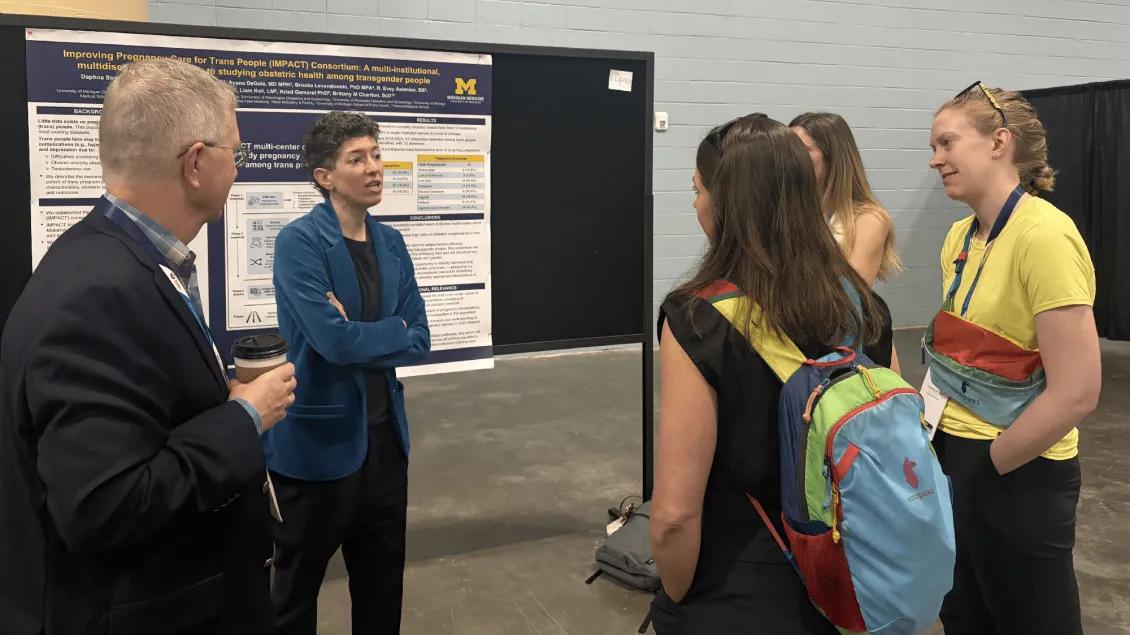
Fellows are required to research or quality improvement project to be submitted to a national conference, as well as prepare a manuscript for publication. Fellows will have access to a variety of mentors within and outside the department of obstetrics and gynecology and are supported to pursue research that inspires them.
In developing their research skills, fellows will have access to a variety of Michigan Medicine resources, including workshops on research methodology and statistics and staff assistance for grant submission, statistics support, and manuscript copyediting. Fellows will also have access to a Professional Development Fund (PDF) which can be used for travel and lodging to academic conferences.
We seek to equip fellows with the necessary skills to become agents for positive change by providing formal training in advocacy and community engagement. Fellows will be invited to collaborate with the Women’s Health and Reproductive Disparities Collaborative (onWHARD) within the Department of Obstetrics and Gynecology, which carries out longitudinal community-engaged projects throughout the state. Fellows will also have opportunities to gain training in advocacy through formal educational programs such as the American Society for Reproductive Medicine PRIMED scholars program and ACOG Congressional Leadership Conference, through active participation in our Michigan Medicine LGBTQ+ Health Advisory Committee, and opportunities for collaboration with institutional, local, state, and national working groups or agencies.
Application Information
Minimum Requirements
Due to Department of Labor prevailing wage regulations, we are unable to consider applicants who possess any type of visa.
All applicants must submit the following:
A Curriculum Vitae
Medical School transcript
USMLE/COMLEX scores
Three letters of recommendation, including one from your Residency Program Director or Department Chair
A personal statement indicating why you wish to participate in this fellowship program and what you plan to pursue after completion of the advanced training program
We do not review CREOG scores in our assessment of applicants. Score reports are not required.
Application Timeline
We are currently accepting applications. Please reach out to our fellowship manager to arrange a virtual meeting with the fellowship program directors.
Fellowship program applications are accepted via the FellowshipCAS portal.
Fellowship Common Curriculum
The Department is home to 10+ Board-certified and non-Board-certified clinical and research fellowships in obstetrics and gynecology. To promote cross-specialty collaboration, all trainees take part in our didactic curriculum. These are ½ day educational seminars on numerous topics relevant to clinical research and academic leadership.
Topics include research design and implementation, identifying funding opportunities, manuscript timelines and preparation, how to be an effective teacher and employment opportunities. In addition, the department sponsors social events for fellows across all specialties to further encourage collaboration and to help fellows build both a professional and personal network.
Ongoing Educational Opportunities
The U-M Medical School Department of Obstetrics and Gynecology is committed to the ongoing development and education of our faculty, staff, and learners. Each year, we provide over 100 CME activities for physicians and healthcare professionals to enhance learning and improve patient outcomes.
Salary & Benefits
The University of Michigan offers highly competitive salaries and generous benefits to our fellows and residents. Trainee salary will be commensurate with that of a House Officer at an equivalent level of training based on the HOA contract.
Program Leadership
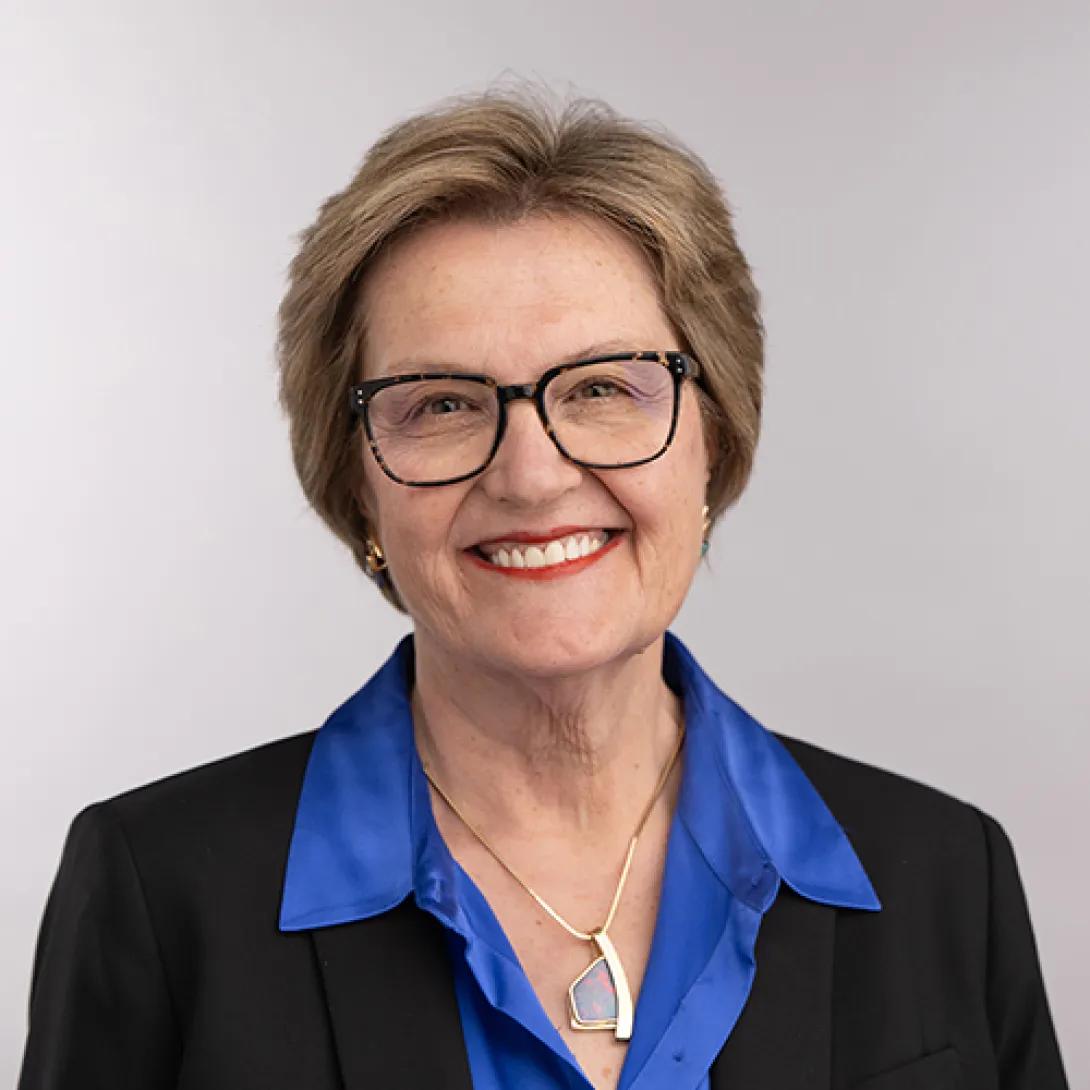
Dee E Fenner, MD
Chair, Department of Obstetrics and Gynecology
Professor of Obstetrics and Gynecology and Professor of Urology
Medical School
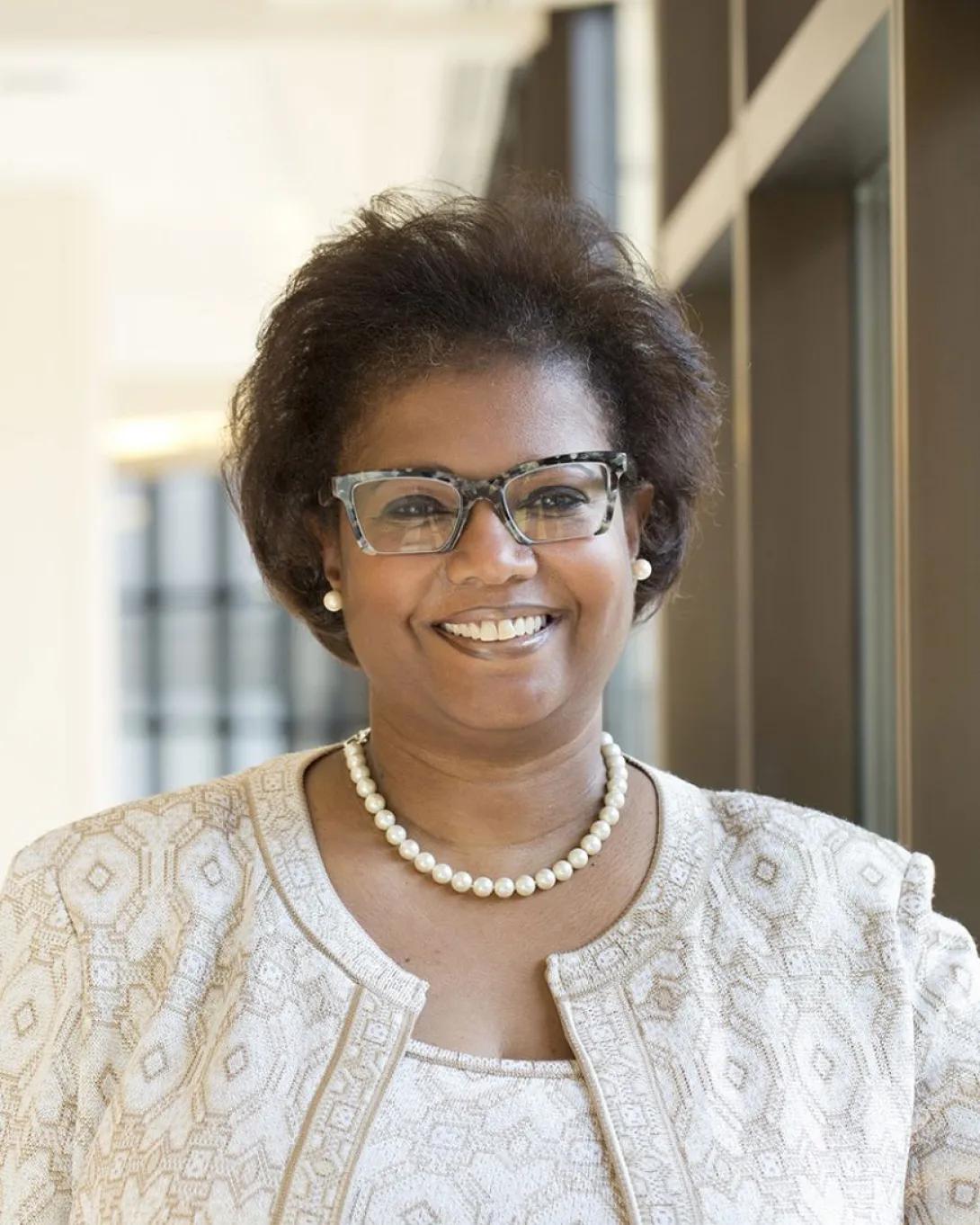
Erica Elizabeth Marsh MD, MSCI, FACOG
S Jan Behrman Legacy Professor of Reproductive Medicine
Professor of Obstetrics and Gynecology
Section Head, Reproductive Endocrinology and Infertility, Medical School
Professor of Women's and Gender Studies, College of Literature, Science, and the Arts
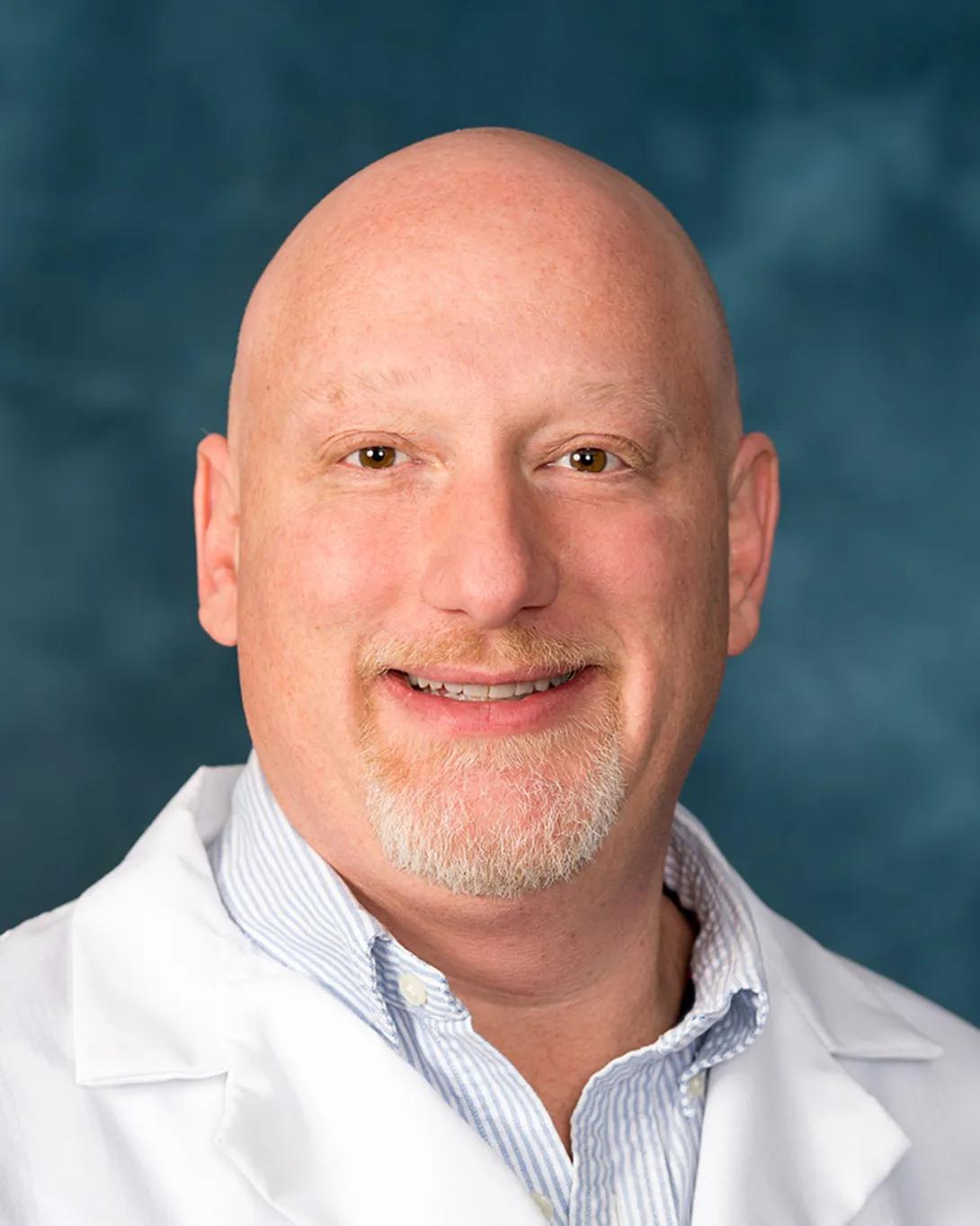
David A Marzano, MD
Clinical Professor of Learning Health Sciences and Program Director
Residency Program
Medical School
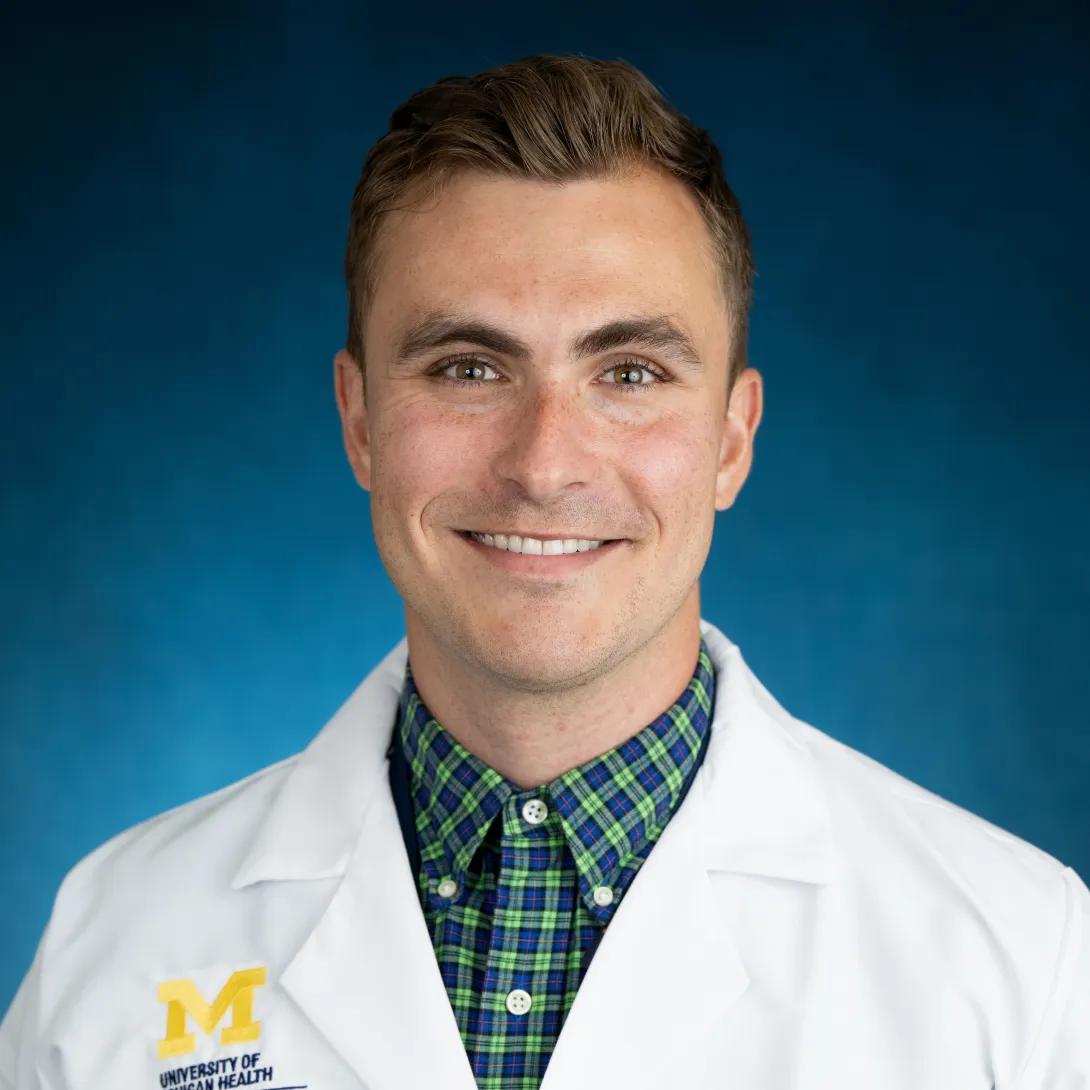
Nicholas Raja, MD
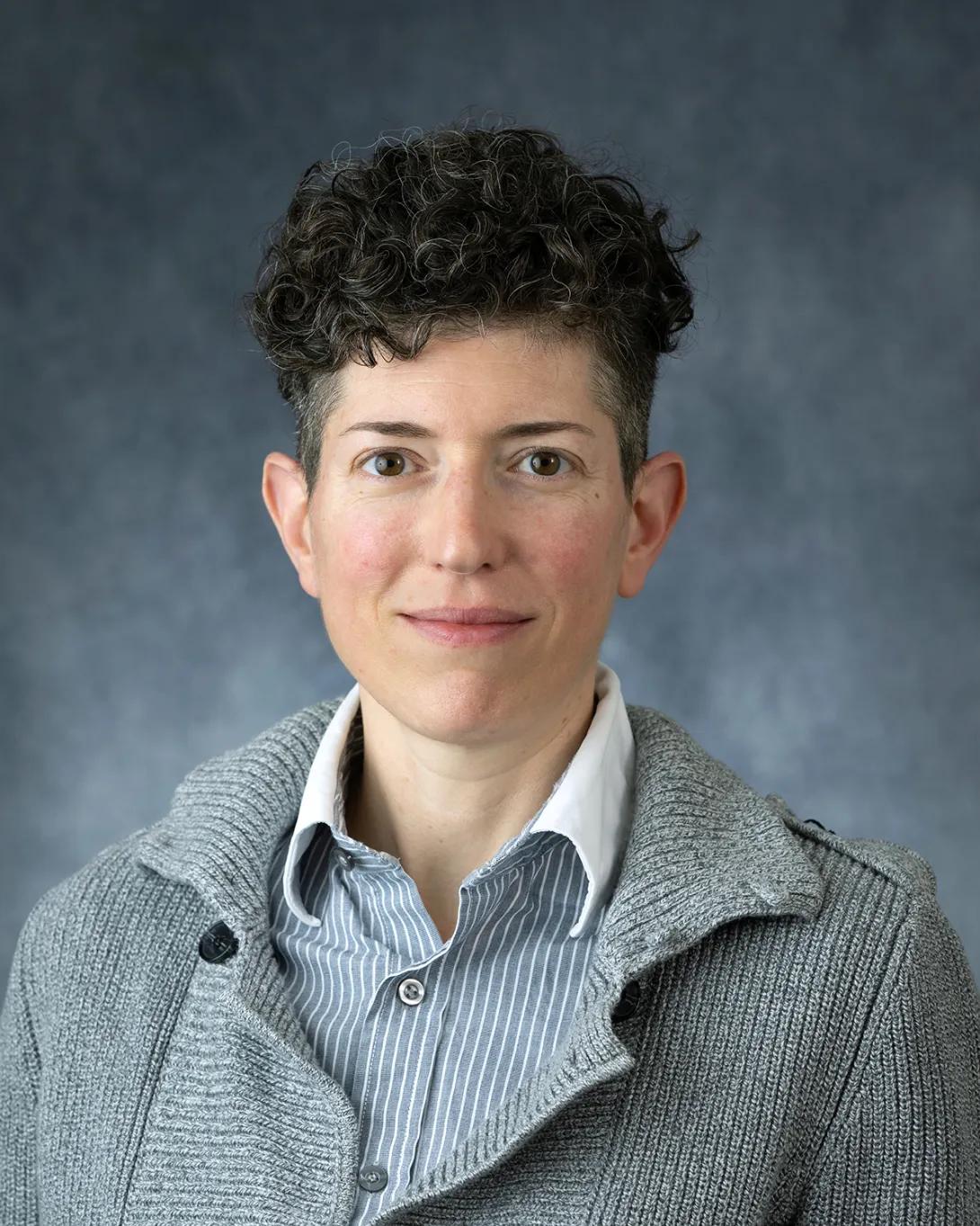
Daphna Stroumsa, MD, MPH, MSc
Medical School
John F Randolph, MD
Professor of Obstetrics and Gynecology
Program Director, Reproductive Endocrinology and Infertility Fellowship
Medical School and Professor of Epidemiology
School of Public Health
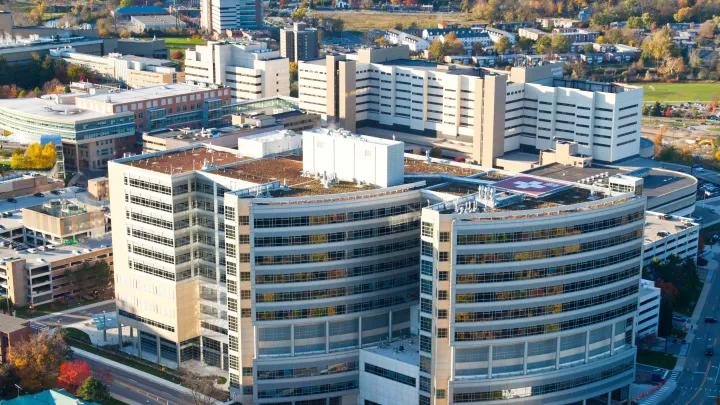
See Where Training Takes Place
Nationally-recognized physicians provide patients with a full spectrum of pregnancy and childbirth care, as well as gynecologic care before and after pregnancy. For high-risk pregnancies, U-M Medical School’s Fetal Diagnosis and Treatment Center offers comprehensive fetal services, utilizing the latest technological advances in diagnostics, minimally invasive surgeries and open surgeries.

Life in Ann Arbor
We find a new reason to love Ann Arbor nearly every day — year-round outdoor activities, cultural experiences, a growing food scene, and a welcoming, family-friendly atmosphere are just a few that come to mind. Explore all that Ann Arbor and our surrounding communities have to offer.
Featured News & Stories
PMOS is the New PCOS
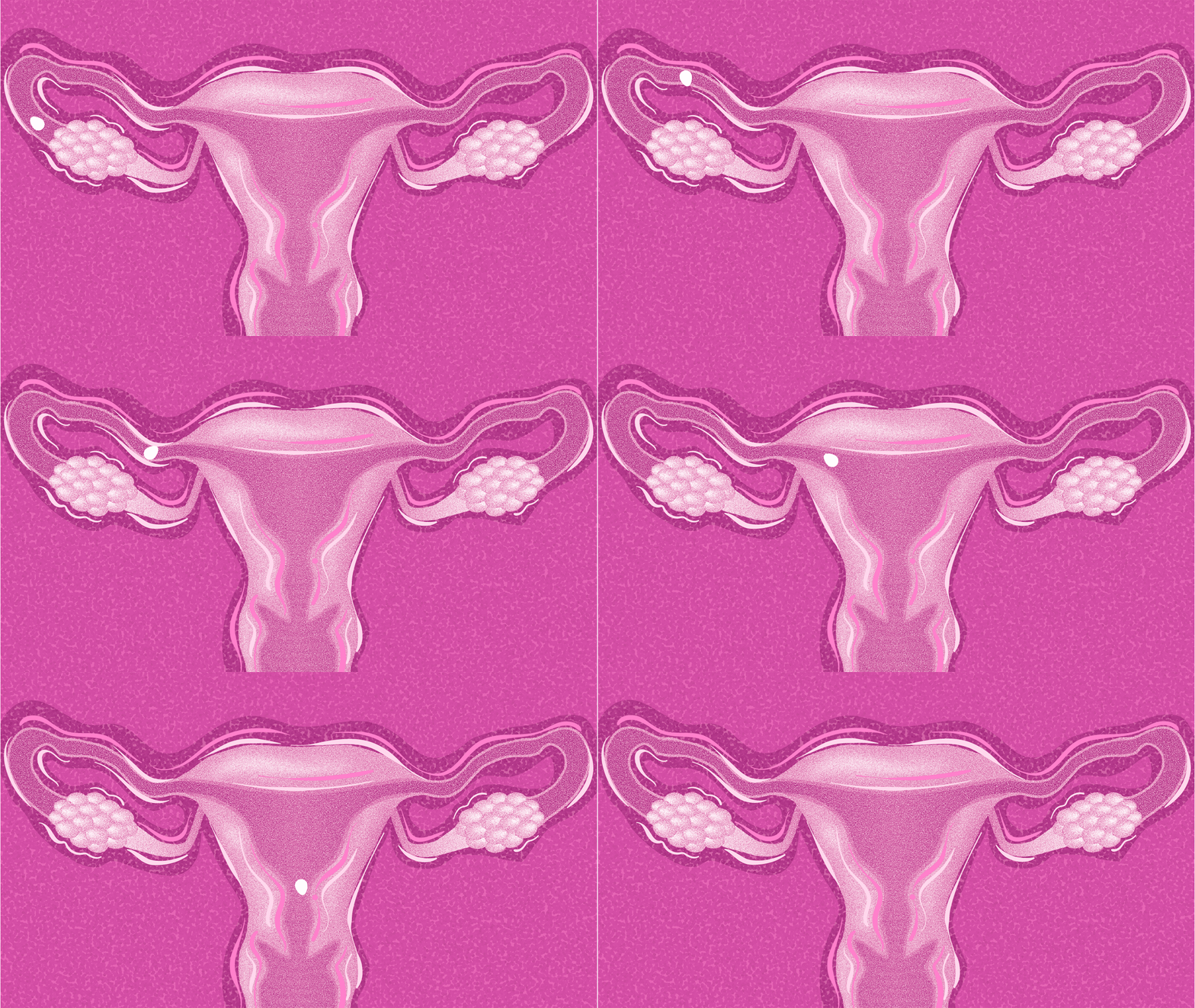
PCOS has a new name
Who’s at risk for painful periods?

A tragedy and a trial shine a spotlight on new moms’ mental health

Medical School well-represented among Strategic Initiative Fund’s first recipients