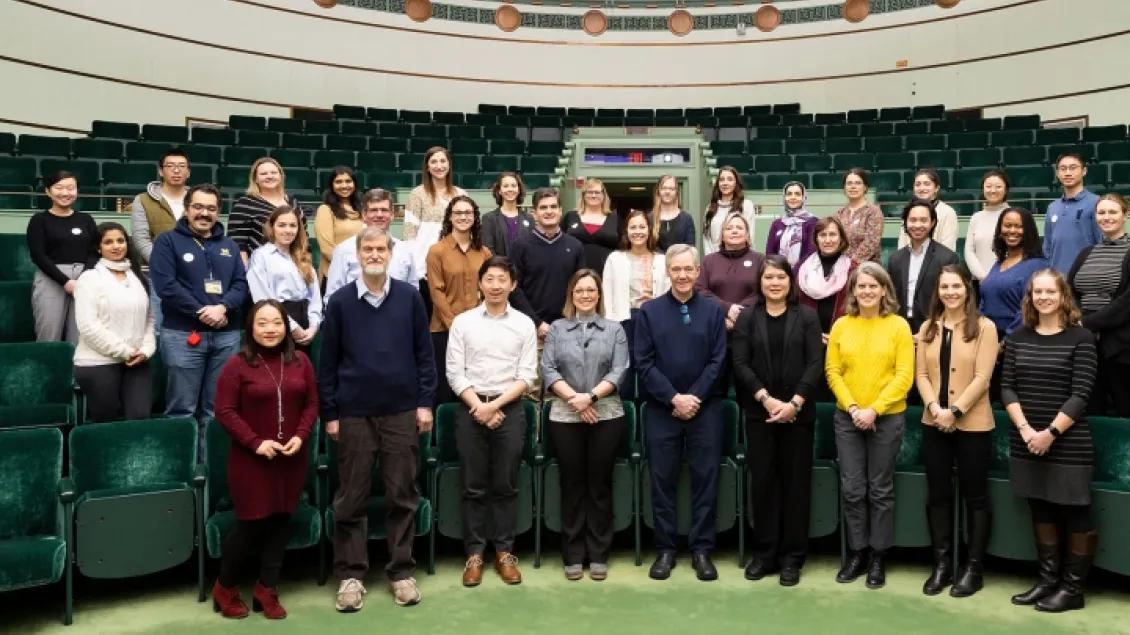
Pelvic Floor Research Group
The Pelvic Floor Research Group (PFRG) is an internationally recognized, interdisciplinary research group working to improve the understanding and treatment of pelvic floor disorders. Our goal is to identify risk factors for developing pelvic floor disorders, work with high-risk women to prevent them, and provide the most effective and newest treatments for pelvic floor dysfunction.
For More Information
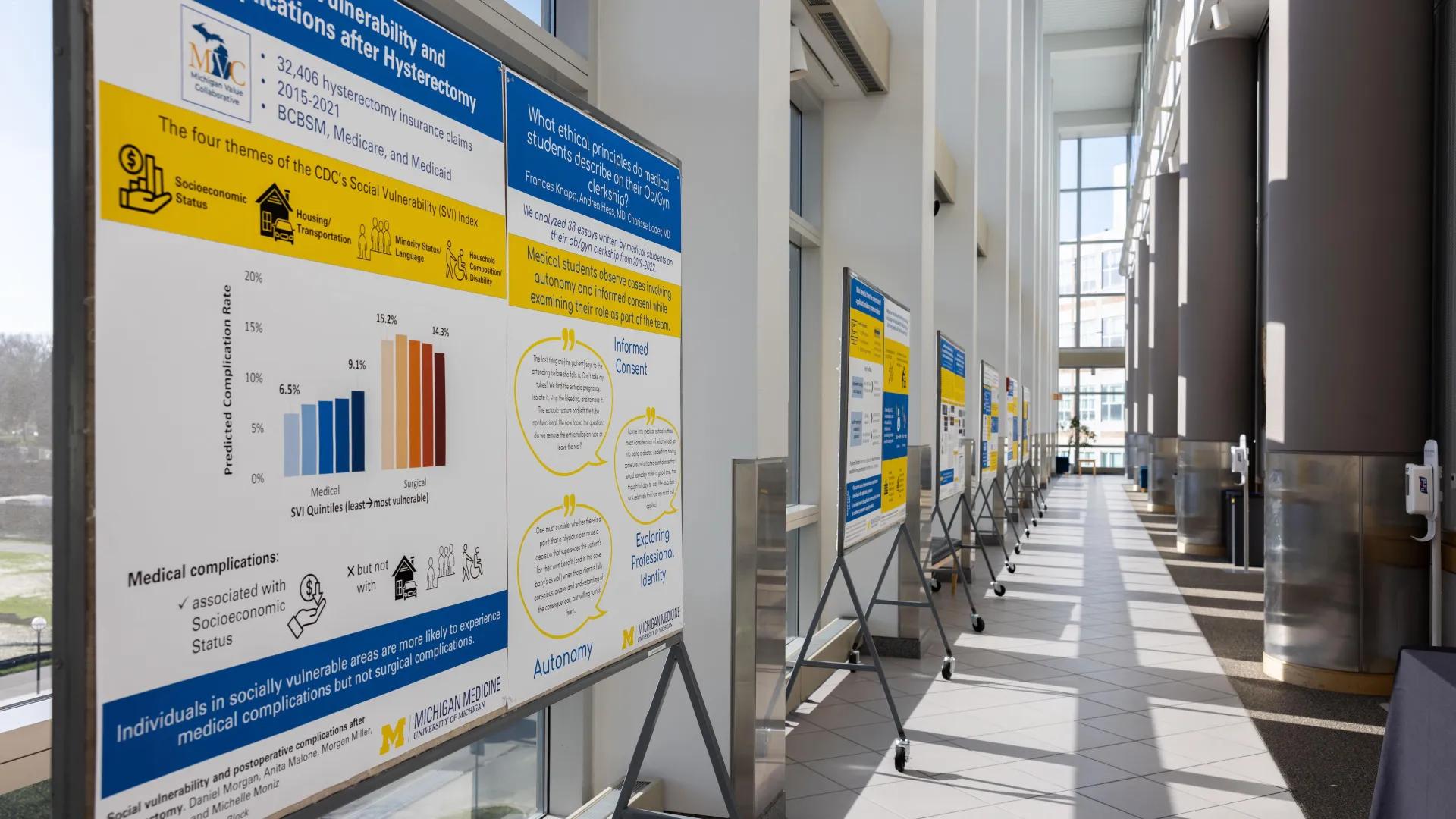
Innovation through Collaboration
30 Years of Research Excellence
PFRG has been an international leader in pelvic floor research for over three decades. Our award-winning research focuses on pelvic organ prolapse, urinary incontinence, birth injury, and fecal incontinence.
The Pelvic Floor Research Group publishes groundbreaking research discoveries in high-impact journals featuring collaborations with colleagues in biomechanical engineering, nursing, urology, and other gynecologic specialties.
Discover the latest research—click on the investigator names below to explore their recent publications!

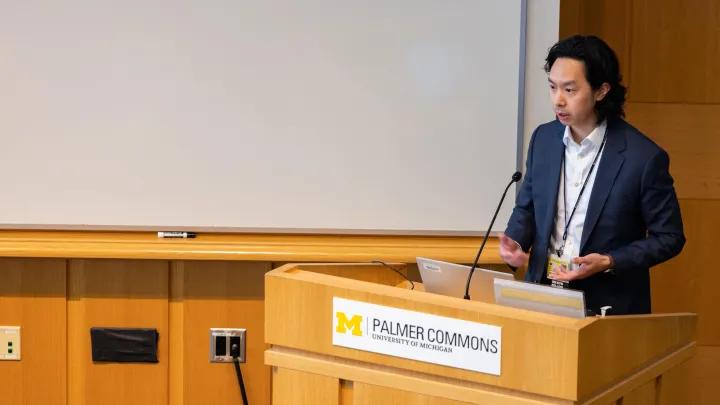
Pelvic Floor Research Day
Our Annual Pelvic Floor Research Day brings together interdisciplinary experts from across the University and beyond to discuss current and future pioneering research.
Urogynecology & Pelvic Reconstructive Surgery Fellowship
Learn more about the Department of Obstetrics and Gynecology fellowship in Urogynecology & Pelvic Reconstructive Surgery.
Discover More About Our Research Group
The PFRG team consists of an interdisciplinary set of investigators from the School of Medicine, Engineering, Nursing, Public Health, Institute for Research on Women and Gender, Institute for Social Research, and Institute for Gerontology.
The Pelvic Floor Research Group is led by a team of researchers with diverse expertise, including gynecologists, urologists, colorectal surgeons, biomechanical engineers, nurse researchers, nurse midwives, social scientists, cell biologists, epidemiologists, anatomists, anthropologists, and statisticians who are dedicated to improving the prevention and treatment of women's pelvic floor disorders.
Our strategy has been to use the multifaceted approaches from these many disciplines to see fresh approaches to long-standing problems, and to design hypothesis-driven research to answer questions of direct importance to improving prevention and treatment.
Our group has led the transformation of Urogynecology from an empirical to a scientific approach.
Leadership

John O DeLancey, MD

Janis M Miller

James A. Ashton-Miller, PhD
Investigators
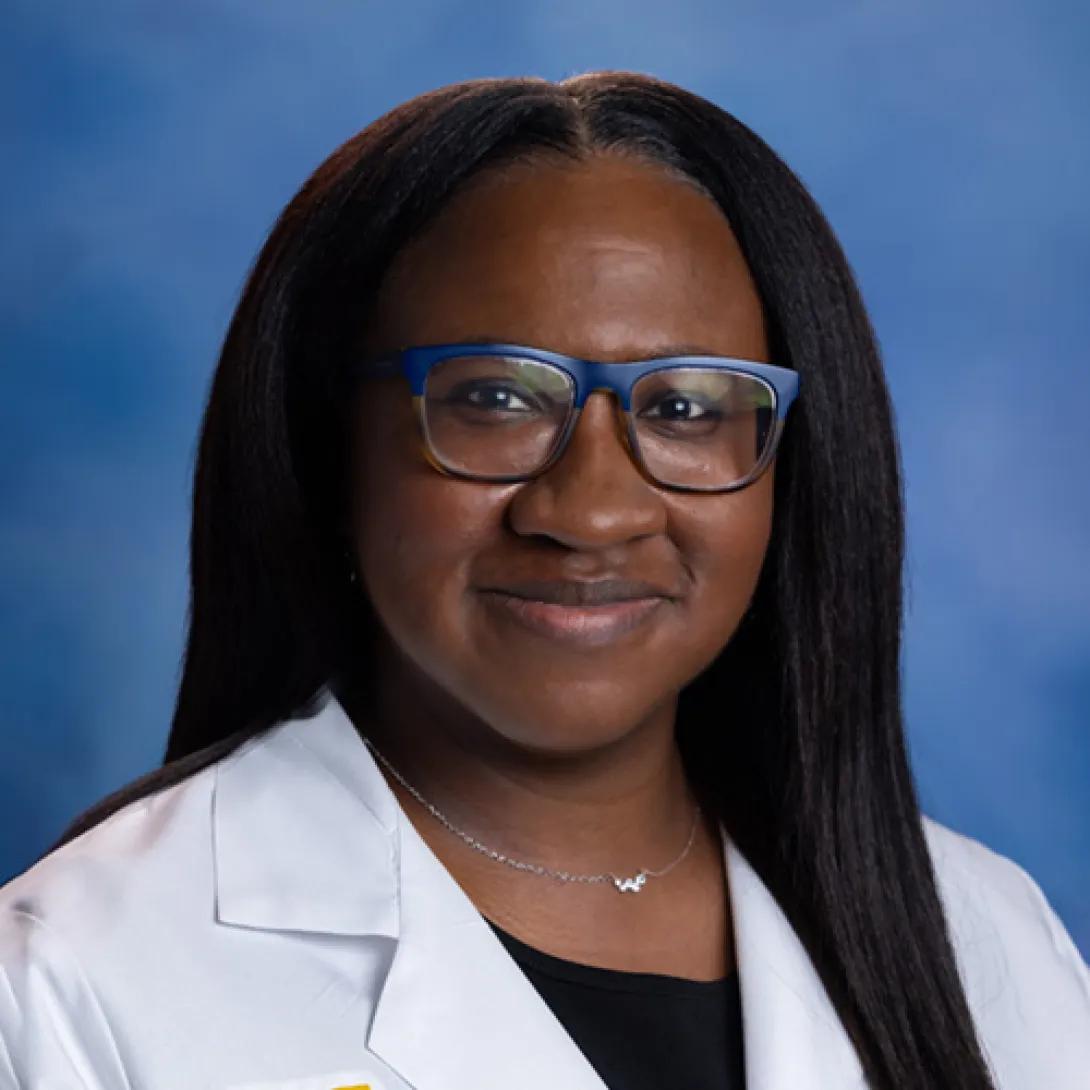
Mary Fleming Ackenbom, MD, MSc

Luyun Chen, PhD

Pamela S Fairchild, MD

Dee E Fenner, MD

J Brian Fowlkes, PhD
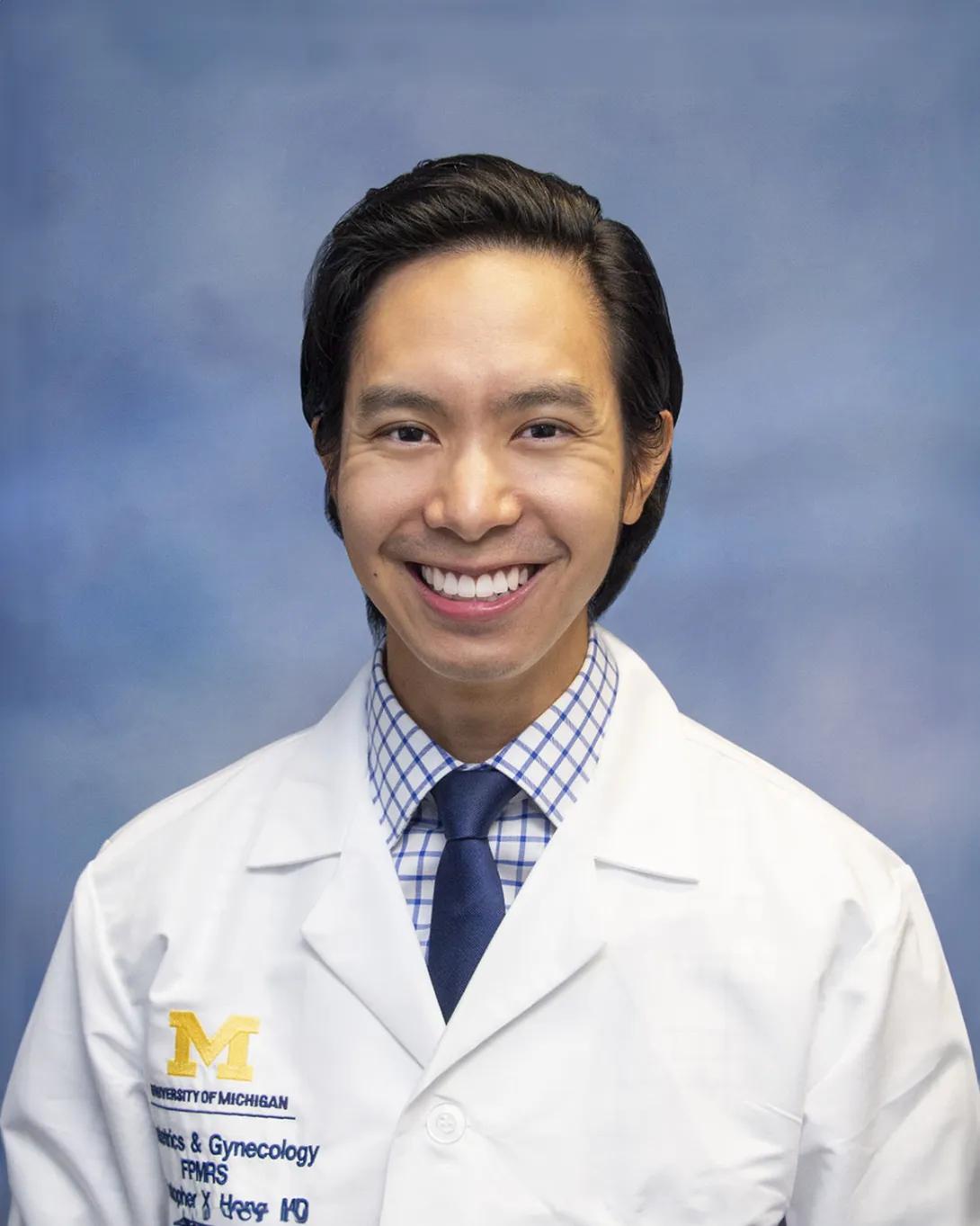
Christopher X Hong

Kourosh Kalayeh, PhD
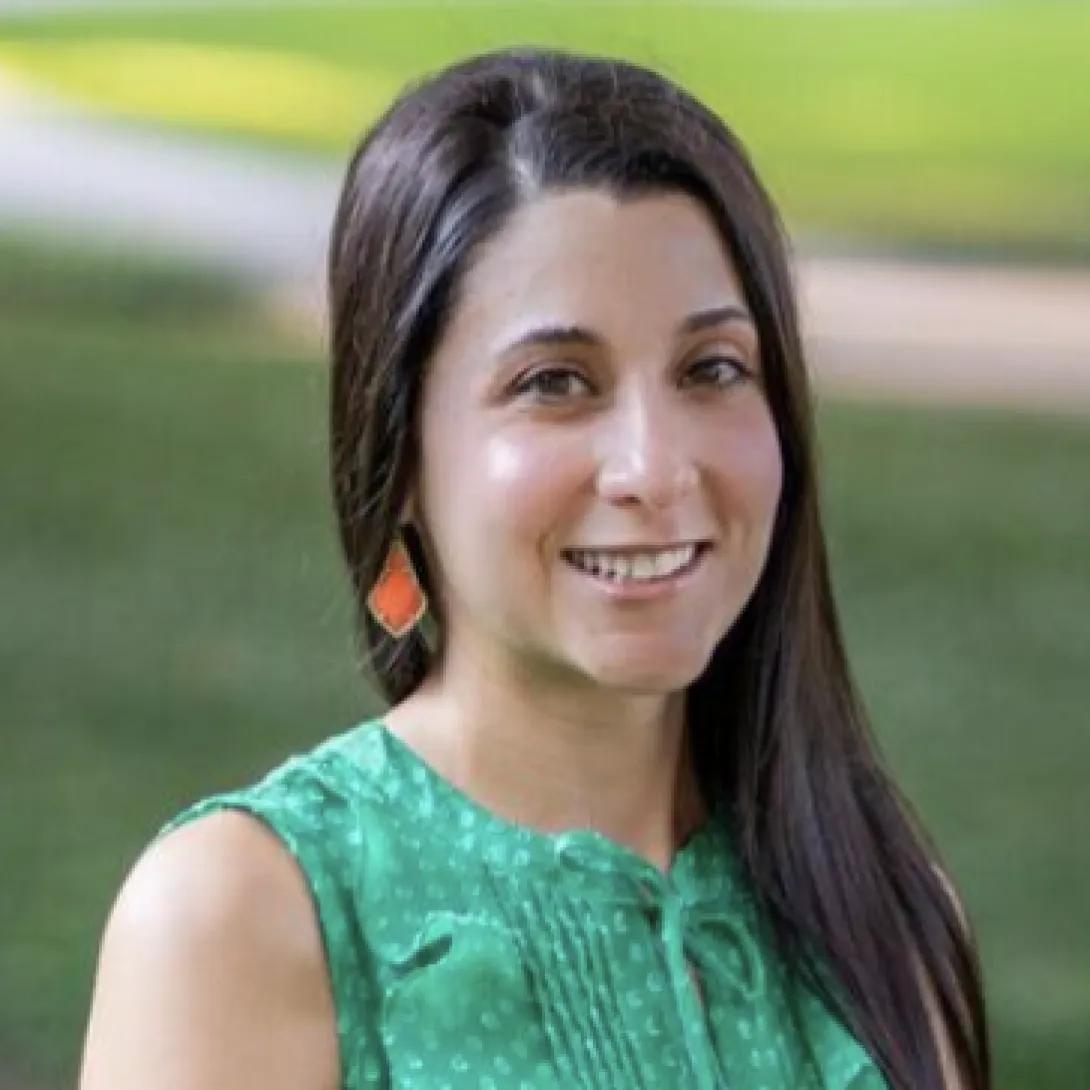
Jenny LaCross PT, DPT, PhD, ATC, CLT

Lisa Kane Low, PhD, CNM

Mariana Masteling, PhD
University of Michigan
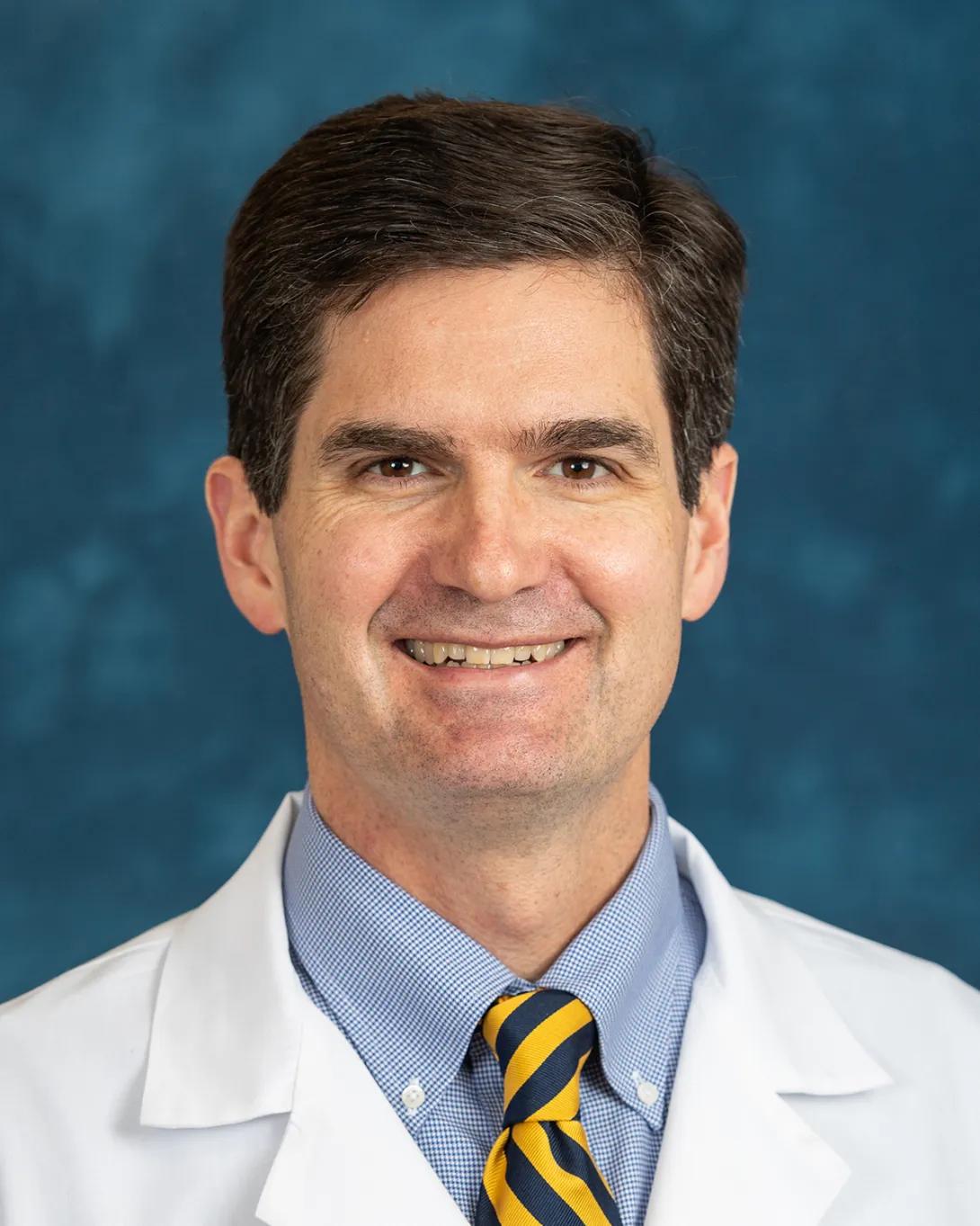
Daniel M Morgan, MD

Megan O Schimpf, MD, MHSA, FACOG

Payton C Schmidt, MD
Research Staff

Sarah Block, BGS