
Cognitive Neurology & Neurodegenerative Disease Advanced Training Program
Train at the intersection of cognitive/behavioral neurology, neurodegenerative disease and clinical/translational research with the U-M Medical School Department of Neurology Cognitive Neurology & Neurodegenerative Disease Advanced Training platform.
The program provides comprehensive 2 year clinical and research training for physicians seeking expertise in the diagnosis and management of cognitive, behavioral, and motor syndromes, with a focus on neurodegenerative disease diagnosis and management.
For More Information
Year one will focus on building clinical skills and expertise through immersive clinical experiences in the Cognitive Disorders clinic to electives and rotations in related fields such as Movement Disorders neurology, Neuropsychology, and Geriatric Psychiatry
Year two entails a flexible focus on whatever excites you most about the field, whether this includes involvement in clinical and/or translational research, educator programs, or building advanced clinical expertise.
Learn more by jumping to the sections below:
Program Overview
The Cognitive Neurology & Neurodegenerative Disease Advanced Training Program is designed to prepare physician specialists for independent practice and academic leadership in the evaluation, diagnosis, treatment, and research of cognitive/behavioral and neurodegenerative disorders.
Trainees receive one-on-one supervised training with faculty in the Cognitive Disorders & Neurodegenerative Disease division. The program emphasizes direct patient care, longitudinal outpatient management, diagnostic reasoning, interdisciplinary collaboration, and engagement in clinical or translational research.
Training is individualized based on each Trainee’s career goals and interests. Trainees will spend most of their time in clinical patient care, with dedicated time for research, didactics, electives, conferences, and self-directed learning. Clinical responsibilities may be adjusted for trainees with externally funded or research-focused training plans.
How to Apply
The Cognitive Neurology and Neurodegenerative Disease Advanced Training Program welcomes applications from physicians who have completed, or are candidates for graduation from, an ACGME-approved adult neurology residency program prior to the start of fellowship training and be eligible for a medical license in the state of Michigan. The program may be able to accommodate those who need sponsorship for a J1 or H-1B visa.
Applicants should submit:
- Current curriculum vitae
- Personal statement describing career goals and interest in cognitive/behavioral neurology and neurodegenerative disease
- Three letters of recommendation from faculty members who have directly supervised the applicant’s neurology residency activities
- One letter must be from the current or previous residency program director
Clinical Experience
Clinical training occurs in the outpatient setting and focuses on adults referred for evaluation of cognitive, behavioral, and neurodegenerative concerns to U-M Health and Veteran’s Affairs (VA) neurology clinics. The patient population includes a broad range of adult and older adult patients, with exposure to both neurodegenerative and non-neurodegenerative etiologies of cognitive impairment.
Trainees work directly with our cognitive neurology faculty in half-day outpatient clinic blocks for core Cognitive Disorders clinics throughout their training. This includes a trainee-specific continuity clinic to allow for longitudinal assessment and follow-up.
Additional elective time in various specialties such as Movement Disorders (including multidisciplinary Ataxia clinic or Atypical Parkinsonism clinic), Geriatric Psychiatry, Neuropsychology, Speech/Language Pathology, ALS clinic (multidisciplinary), NPH clinic, Medical Genetics/Genetic Counseling, Palliative Care and others will be scheduled alongside Cognitive Disorders clinic based on trainee-specific interests.
During the first year of training, supervising faculty directly evaluate patients with the trainee to confirm relevant examination findings, review diagnostic impressions, and discuss treatment recommendations. Trainees gain graduated responsibility and increasing independence as they demonstrate competency, and in their second year may have the opportunity to practice semi-independently wherein staffing with an attending is available but optional.
Trainees receive broad exposure to disorders including:
- Alzheimer’s disease and atypical Alzheimer’s disease variants, such as Posterior cortical atrophy and logopenic variant primary progressive aphasia
- Frontotemporal dementia syndromes, such as behavioral variant and primary progressive aphasia syndromes
- Dementia with Lewy bodies and Parkinson’s disease dementia
- Atypical parkinsonian syndromes, including progressive supranuclear palsy and corticobasal degeneration
- Amyotrophic lateral sclerosis and FTD/ALS overlap syndromes
- Vascular cognitive impairment and dementia
- Cerebral amyloid angiopathy
- Chronic traumatic encephalopathy and traumatic brain injury-related cognitive syndromes
- Rapidly progressive dementias, including autoimmune, infectious, and prion-related disorders
- Non-neurodegenerative causes of cognitive impairment, including epilepsy, psychiatric conditions, metabolic disease, demyelinating disease, liver, kidney, and endocrine dysfunction, and normal aging
The program provides exposure to advanced diagnostic approaches used in neurodegenerative disease care, including:
- Neuropsychological assessment interpretation
- MRI and CT imaging
- FDG-PET imaging
- Amyloid-PET imaging
- Dopamine transporter SPECT imaging
- Genetic testing and counseling considerations
- Neuropathology and clinicopathologic correlation
- Biomarker interpretation in the context of evolving clinical practice
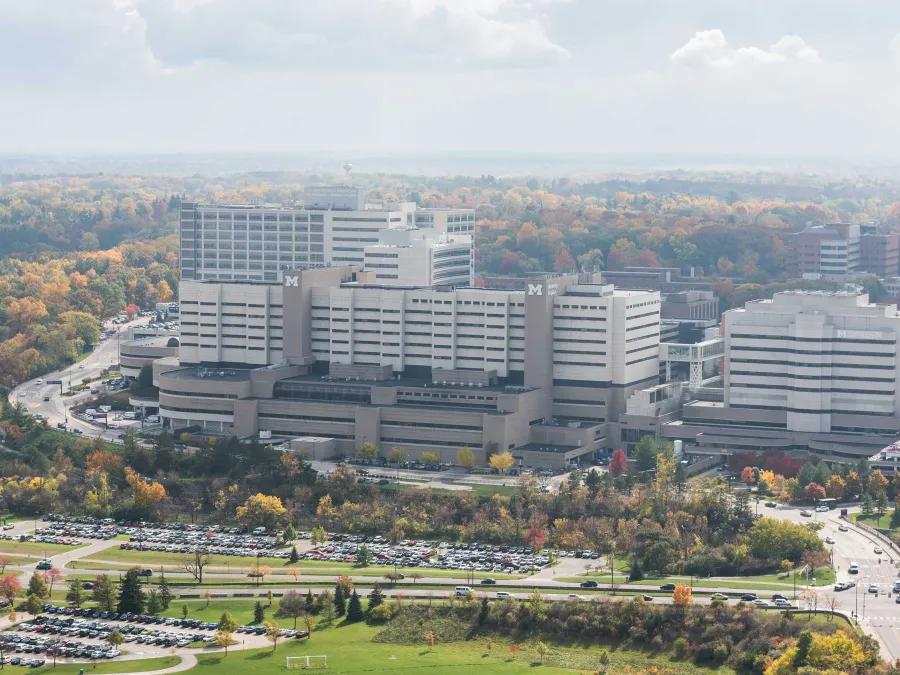
Current Trainees
Meet our current Cognitive Neurology & Neurodegenerative Disease trainees. We emphasize teamwork, excellence, and leadership while preparing our trainees with resources to be successful in their careers.
Research Environment
Research training is a central component of the Cognitive Neurology & Neurodegenerative Disease Advanced Training Program. Trainees are introduced to the principles of neurodegenerative disease research and have opportunities to participate in ongoing clinical and translational studies.
Training is individualized according to each trainee’s interests, career goals, and available funding. Trainees may participate in research through the Michigan Alzheimer’s Disease Research Center, the Udall Research Center for Parkinson’s Disease Research, and other University of Michigan research programs focused on neurodegenerative disease, cognitive/behavioral syndromes, or disease mechanisms.
Specific study availability may vary from year to year. Examples of research opportunities include:
- Longitudinal cohort and natural history studies in neurodegenerative disease such as the University of Michigan Memory and Aging Project or the ALLFTD longitudinal study of frontotemporal dementia syndromes
- Clinical trials for neurodegenerative diseases, including novel oral, immunotherapy, gene therapies or anti-sense oligonucleotide therapies for Alzheimer’s disease and frontotemporal dementia syndromes
- Trials of non-pharmacological interventions, including non-invasive neuromodulation for neurodegenerative disease
- Use of multi-modal or specialized neuroimaging to characterize neurodegenerative disease pathophysiology or diagnosis
- Access to Michigan Brain Bank with neuropathologic data from nearly 1500 brain samples
Program Leadership
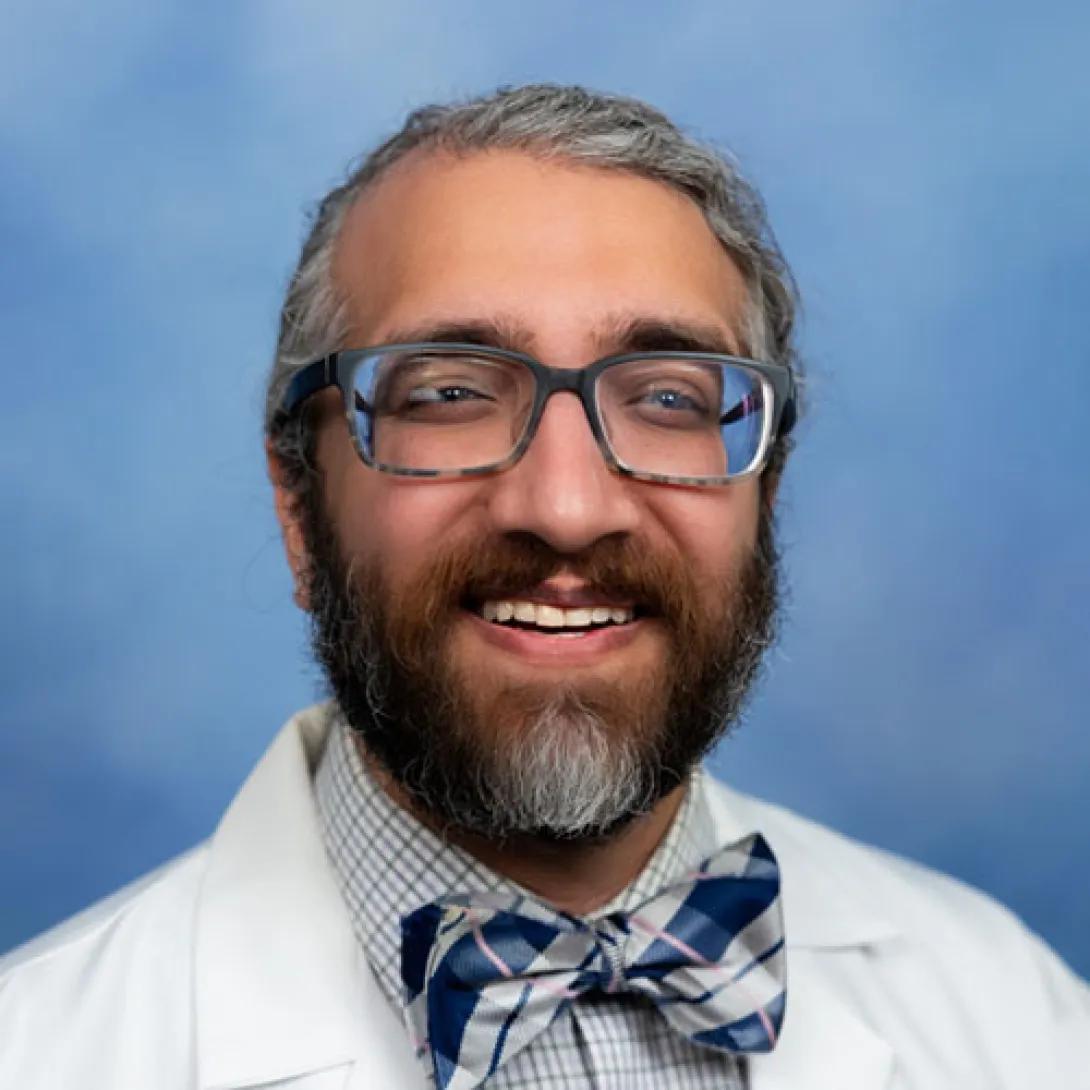
Tanav A Popli, MD
Medical School
See Where Training Takes Place
We have a long tradition of providing world-class training in clinical neurology. Your experience at the University of Michigan Department of Neurology will afford you many opportunities and prepare you to be an educator and a leader in our health care community.

Life in Ann Arbor
We find a new reason to love Ann Arbor nearly every day — year-round outdoor activities, cultural experiences, a growing food scene, and a welcoming, family-friendly atmosphere are just a few that come to mind. Explore all that Ann Arbor and our surrounding communities have to offer.
