
Critical Care
Division of Critical Care
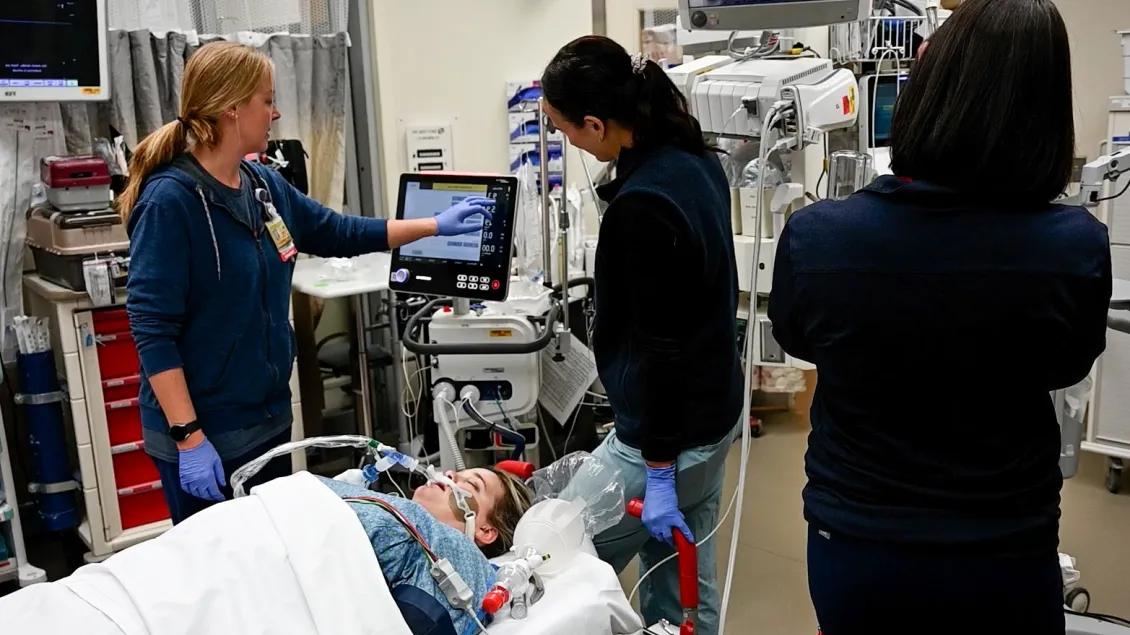
EC3, the nation's first ED ICU, exemplifies our commitment to transforming the future of emergency medicine.
Emergency Critical Care Center
The U-M Medical School Department of Emergency Medicine's Division of Critical Care operates the Emergency Critical Care Center (EC3).
EC3 is the nation's first dedicated emergency department-based ICU, established in 2015 at the University of Michigan through a gift from the Joyce and Don Massey Family Foundation. This innovative 9-bed unit with 5 adjoining resuscitation bays addresses the critical "no man's land" transition period between ED and ICU care, providing immediate, coordinated critical care to undifferentiated patients who require multispecialty coordination or early intervention.
Since its inception, EC3 has cared for over 20,000 critically ill patients and achieved remarkable outcomes: a 15.4% reduction in risk-adjusted 30-day mortality among all ED patients (saving approximately 220 lives annually), a 16% reduction in inpatient ICU admission rates (avoiding over 400 ICU admissions per year), and a 36% reduction in median time to ICU-level care.
EC3 operates with 24/7 emergency medicine faculty presence (most board-certified in critical care), alongside fellows, residents, physician assistants, pharmacists, respiratory therapists, social workers, and nurses, and has become an international model that numerous institutions have replicated.
Clinical Care
The EC3 model has demonstrated substantial improvements in emergency department critical care delivery. The model significantly optimized resource utilization, with 75% of minor intracranial hemorrhage patients no longer requiring ICU admission and 60% of EC3 patients being downgraded from critical to general care.
For time-sensitive conditions requiring prolonged critical care including mechanical ventilation, oncologic emergencies, and GI bleeding, EC3 improved both clinical outcomes and reduced hospital length of stay. The model achieved median time to ICU-level care of 3.4 hours compared to 5.3 hours previously, with 19% more patients receiving critical care within the crucial 6-hour window. Remarkably, EC3 maintained cost neutrality while delivering these quality improvements, with no increase in direct costs per encounter despite managing higher-acuity patients, resulting in a 46.6% increase in direct margin per encounter. Overall, EC3 is estimated to have saved over 2,200 additional lives over its first decade of operation.
Education
Medical Students: We do not currently offer an EC3-only visiting medical student elective. However, visiting students are welcome to apply to the EM elective and may express interest in EC3-focused shifts during their rotation.
Residency: We host a four-year emergency medicine residency. Residents work in EC3 longitudinally throughout their training, benefiting from the unique opportunity to observe changes in physiology and perform advanced procedures that arise during the first 12-24 hours of resuscitation of patients with critical illness, and are a core asset to EC3.
Fellowship: We offer two-year pathways to board certification for emergency medicine trained physicians through the internal medicine pathway and the anesthesiology pathway. Critical care fellows from both the internal medicine and anesthesiology pathways rotate through EC3. We are often able to host fellows from other University of Michigan programs with enough advance notice. We do not currently offer observerships.
Research
Our division leads a highly collaborative, innovative research portfolio spanning basic science, translational research, clinical studies, and health services research at the forefront of emergency critical care. Faculty and trainees work alongside dedicated clinical research coordinators, data analysts, statisticians, and a study design team empowering rigorous investigations into some of the most urgent challenges in acute care. Funding from the NIH, AHA, DoD, philanthropy, and other major sponsors fuel our diverse research portfolio.
Our research brings together multidisciplinary teams across emergency medicine, intensive care, surgery, data science, engineering, and more. Partnerships with the Weil Institute for Critical Care Research and Innovation, SIREN, and the CTSU cultivate cross-campus initiatives to develop and test novel therapies and technologies. Through the Division of Critical Care and the Department of Emergency Medicine’s commitment to research and innovation, we are working to transform care for critically ill patients.
Division Leadership
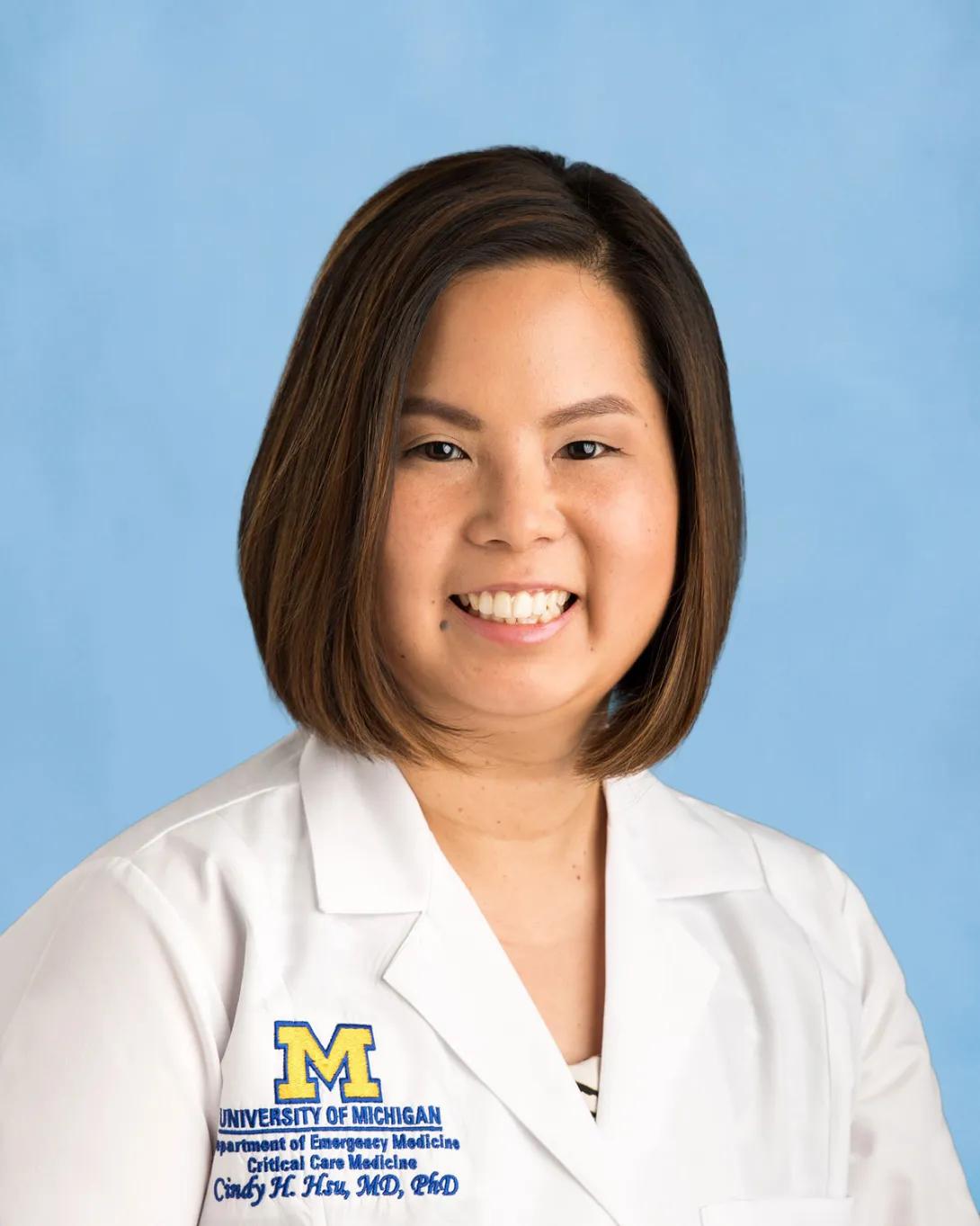
Cindy H Hsu, MD, PhD, MS
Associate Professor of Emergency Medicine and Associate Professor of Surgery
Medical School
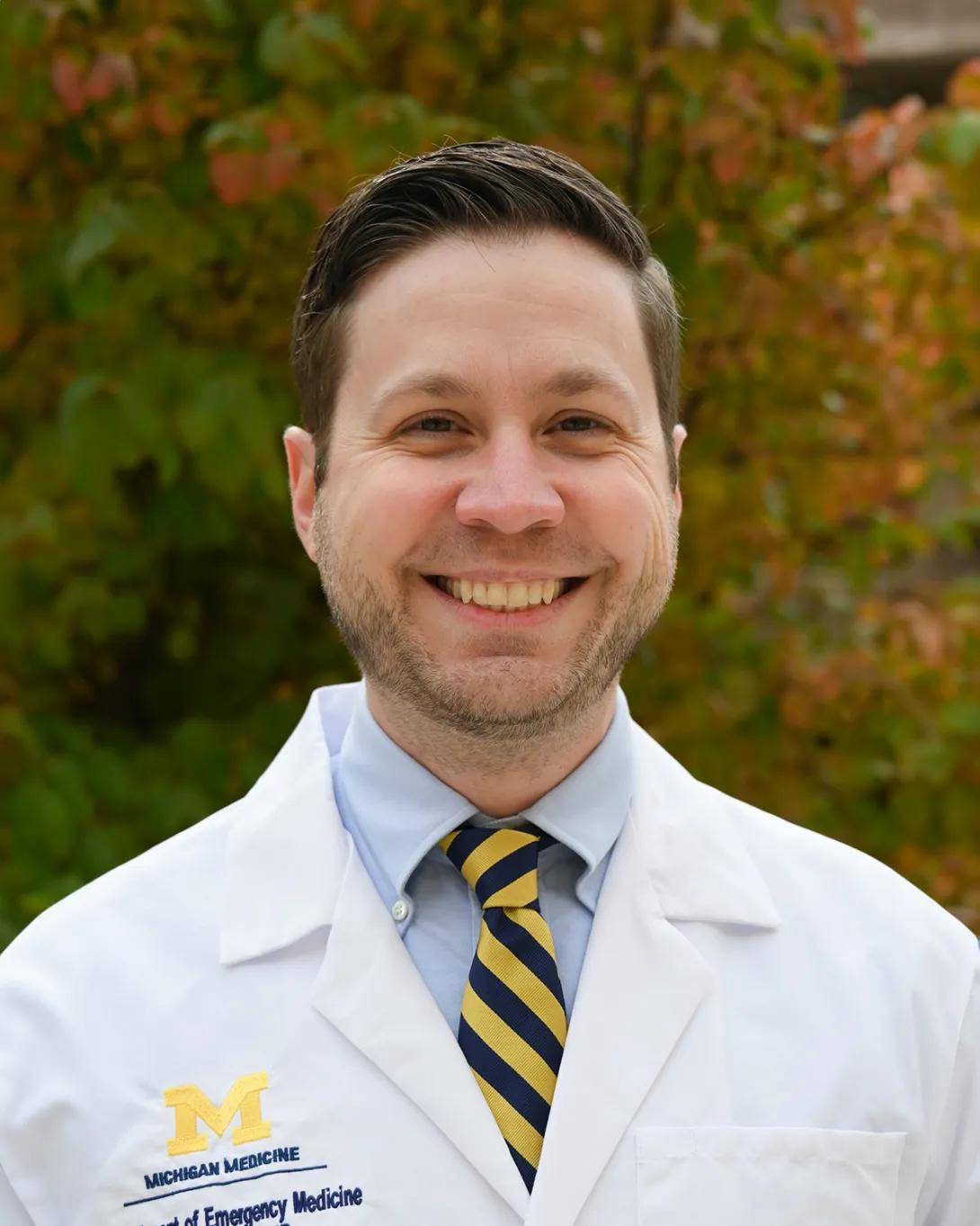
Paul S Jansson, MD, MS
Director of Operations for Division of Critical Care
Clinical Assistant Professor of Emergency Medicine
Clinical Assistant Professor of Internal Medicine
Medical School
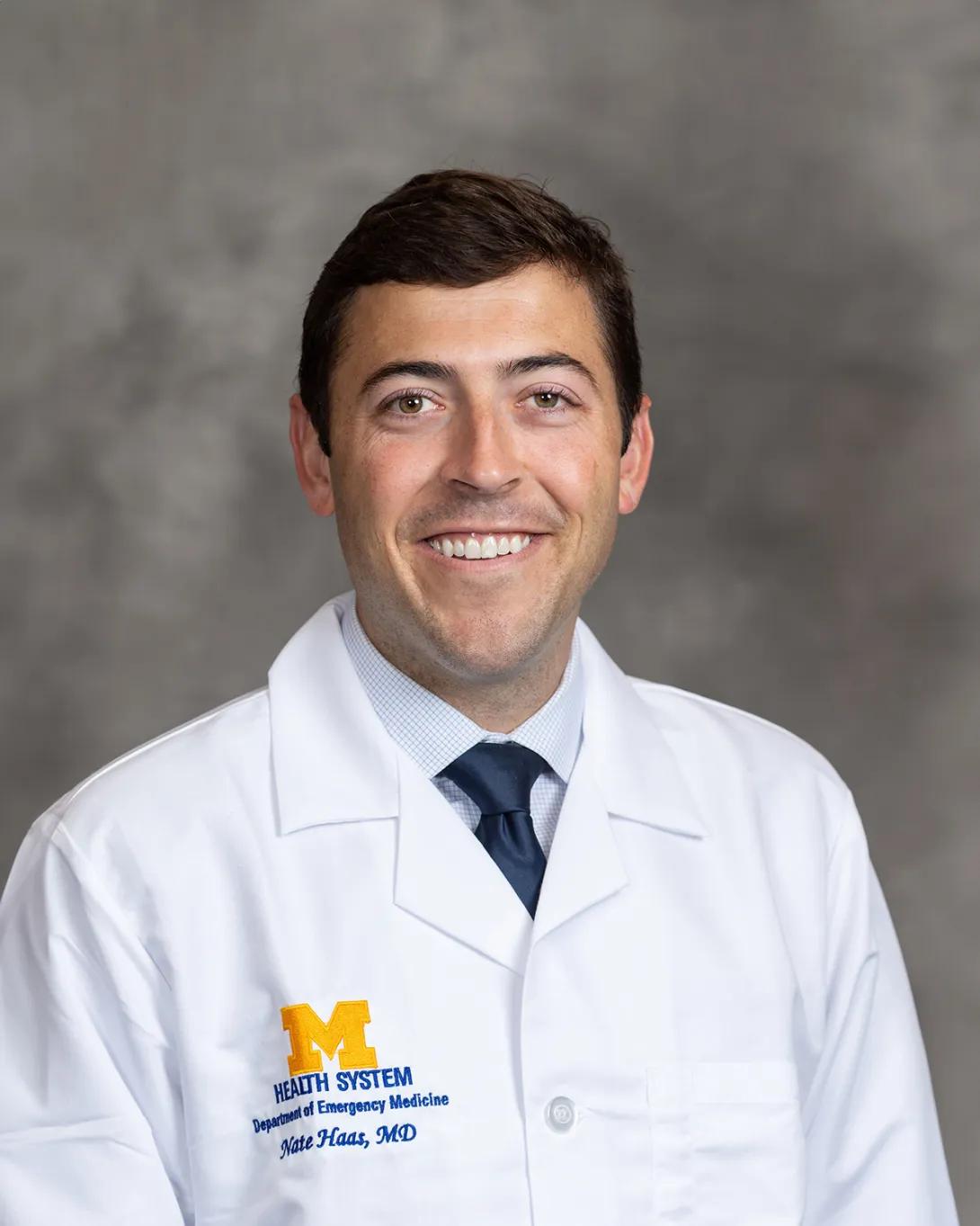
Nathan Haas, MD
Medical School
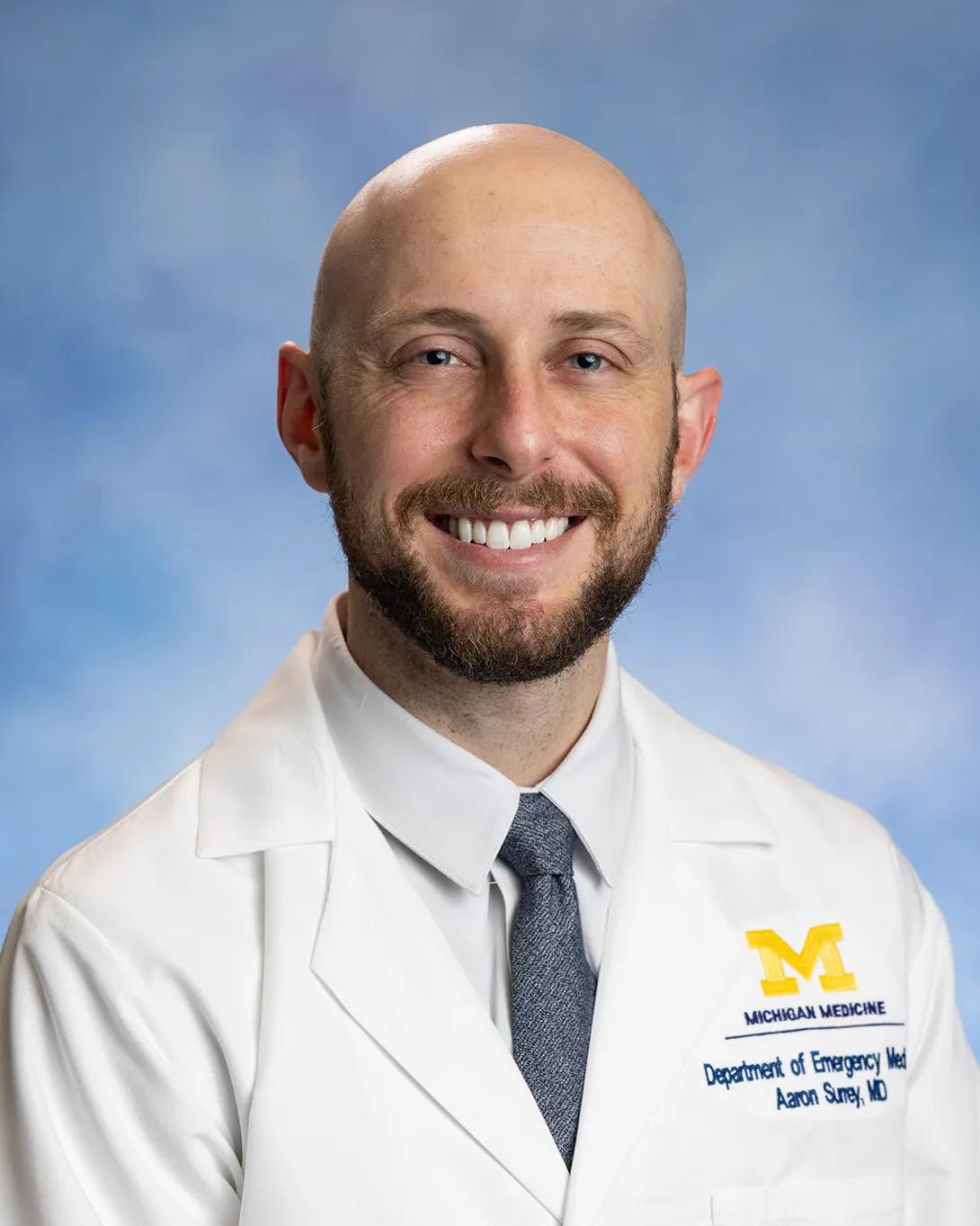
Aaron T Surrey
Assistant Clerkship Director for Emergency Medicine Clerkship Program
Clinical Assistant Professor of Emergency Medicine
Clinical Assistant Professor of Anesthesiology
Medical School
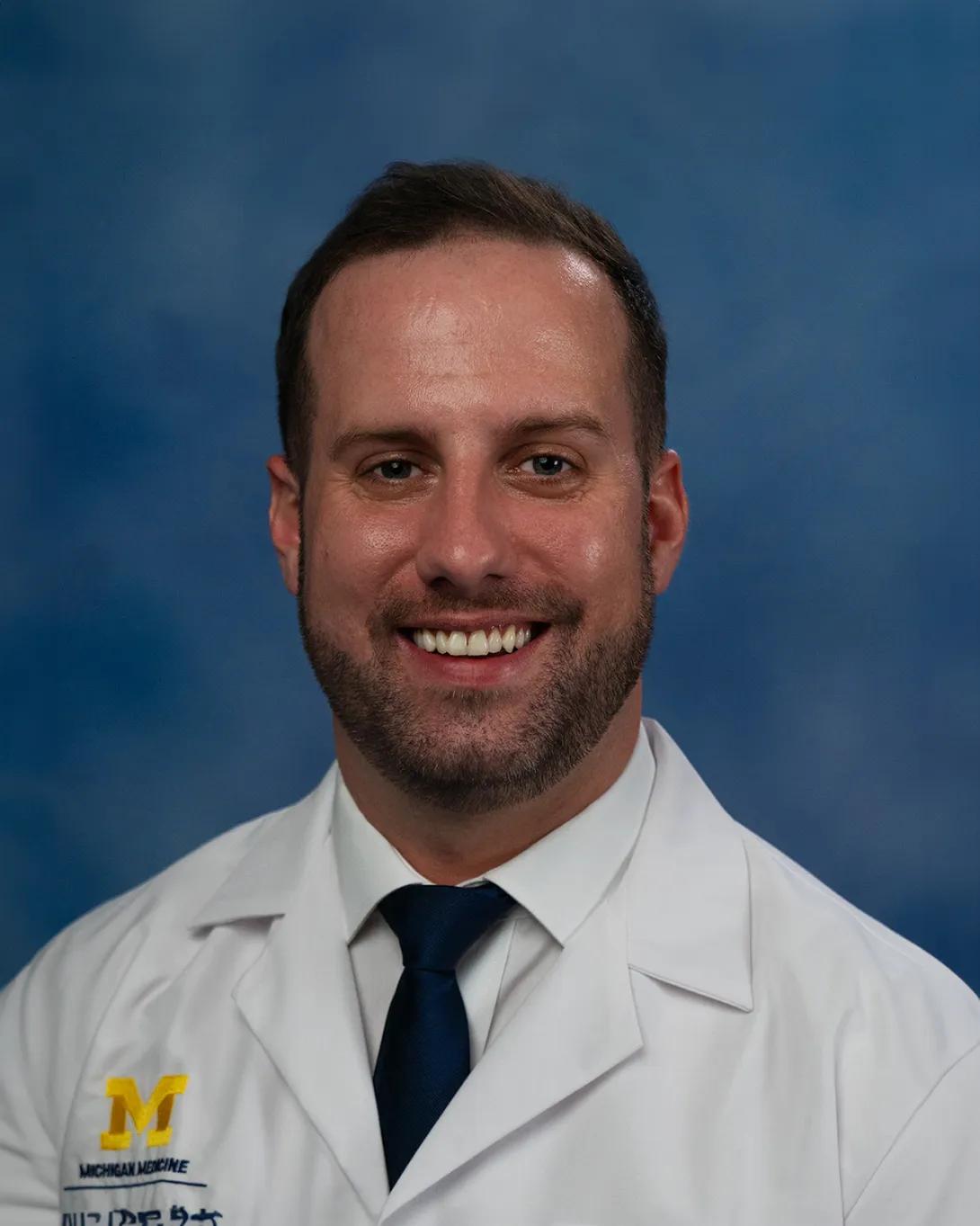
Matthew Kennedy, DO
Assistant Director of Critical Care Education
Clinical Assistant Professor of Emergency Medicine
Clinical Assistant Professor of Anesthesiology
Medical School
