Emergency Medicine Education

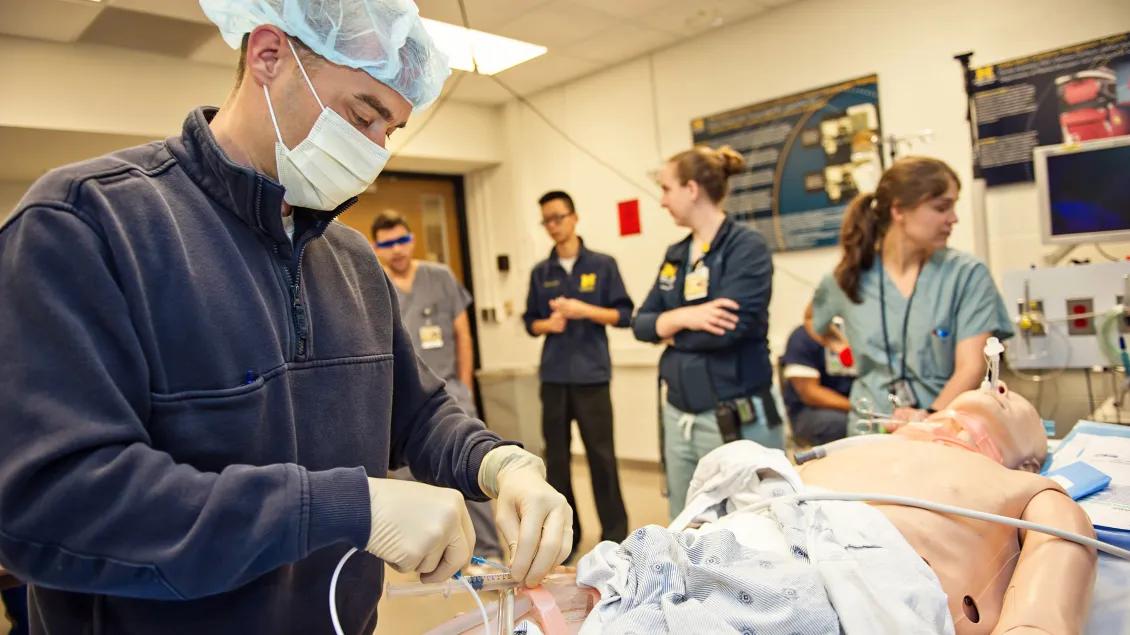
emergency residents working a medical bootcamp

This is Where Leaders Begin

Get ready to achieve excellence — starting with a solid educational foundation. 

A Pathway to Excellence

Our vision is to be the premiere training program for the development of future leaders in the fields of Emergency Medicine. 

The U-M Medical School Department of Emergency Medicine training program offers a wide range of experiences and follows a multi-disciplinary approach to teaching. The mentors are leaders in their areas of specialty, with an enthusiasm to share their knowledge. Come see what the Michigan Difference is all about.

Education & Training Programs

Medical Student Education

Learn core Emergency Medicine concepts for your general medical practice in a four-week intensive.

Residency

Our curriculum gives you the flexibility to explore your passions and make your mark on modern healthcare.

Fellowships

Our clinical fellowship programs offer multidisciplinary training in delivering high-quality patient care, education and research.

People outside at a restaurant

Life in Ann Arbor

We find a new reason to love Ann Arbor nearly every day — year-round outdoor activities, cultural experiences, a growing food scene, and a welcoming, family-friendly atmosphere are just a few that come to mind. Explore all that Ann Arbor and our surrounding communities have to offer.

Explore Ann Arbor

Featured News & Stories

See all news
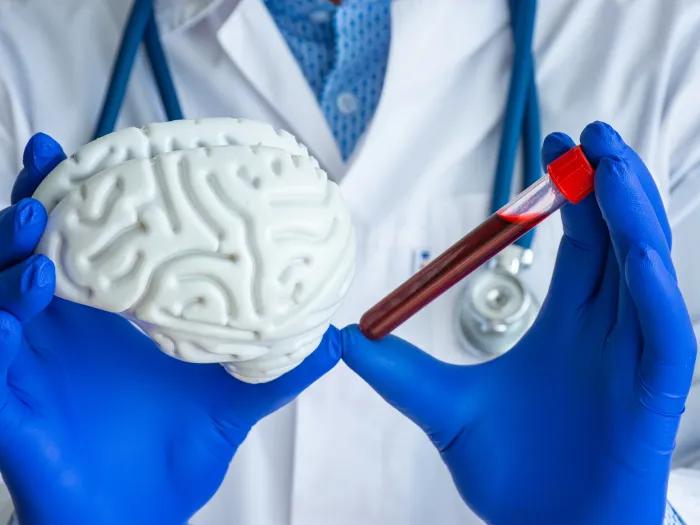
Close-up of a clinician holding a foam model of a brain and a vial with a blood sample
Research News

Weil researchers study blood biomarkers to improve stroke diagnosis, reduce testing in older adults
Age-related factors can complicate stroke diagnosis, but signals in blood could help clinicians make a clearer and more rapid determination.
University of Michigan flag
Medical School News

Medical School well-represented among Strategic Initiative Fund’s first recipients
On Aug. 26, the University of Michigan announced 37 projects that will receive $40 million in initial funding from the Strategic Initiative Fund to pursue bold ideas.
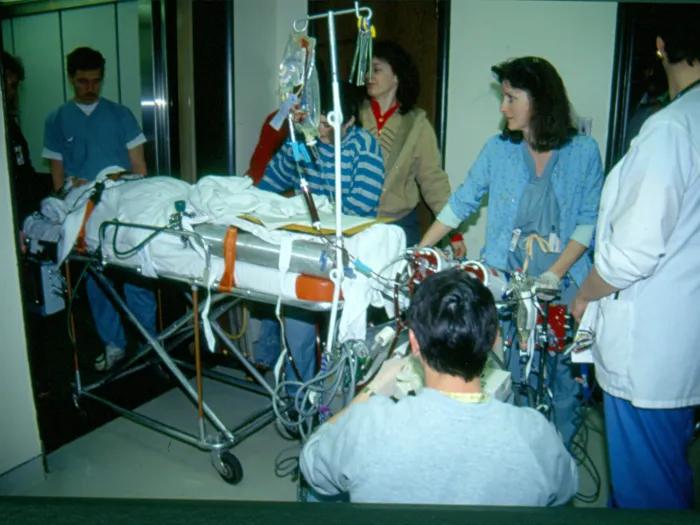
Patient on stretcher taking the elevator with a lot of physicians around
Department News

The Long Road to Emergency Medicine: How Michigan Built a New Specialty
Michigan Emergency Medicine evolved from a small emergency service into an independent department and national leader in care, research and education.
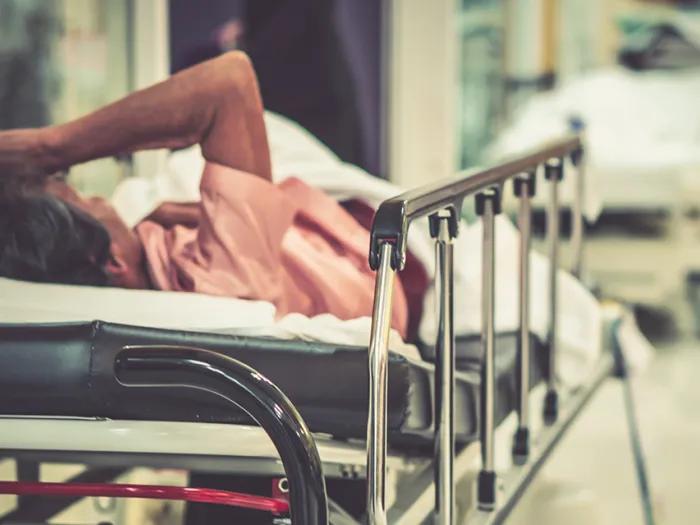
Emergency boarding patient in a hallway gurney
Health Lab

Waiting for a bed, but not for care: ED boarding study finds wide variation in handoffs
As the emergency room boarding crisis continues, researchers examine how long admitted patients wait to be seen by an inpatient team even while they wait for an inpatient bed.
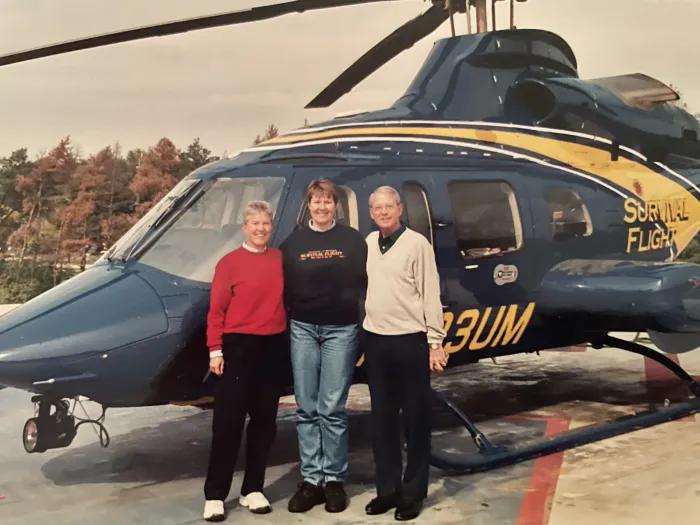
Sue, Elaine and Brian stand in front of a Survival Flight helicopter
Department News

Miracle Man: Saved in a High-Risk Winter Flight, 24 Years Later, a Family Still Gives Thanks
In February 2002, Brian Campbell suffered a heart attack and became critically ill at a Kalamazoo hospital. With his condition rapidly worsening, a University of Michigan Survival Flight team was called to transport him to Ann Arbor for advanced care. Flight nurse Elaine Philipson and her partner worked through subzero temperatures and deep snow to safely prepare Brian for the flight, overcoming several challenges along the way. Brian spent two weeks hospitalized at U-M and later suffered a stroke, but survived. Philipson continued checking on Brian and his wife, Sue, even after the transport was complete—an act of compassion the couple never forgot. Twenty-four years later, Brian continues moving forward despite ongoing challenges. Each year on the anniversary of his flight, the Campbells contact Philipson to express their gratitude, a lasting reminder of the profound impact healthcare teams can have on patients and families long after an emergency ends.
hospital bed yellow navy grainy
Health Lab

Trial focuses on duration of therapeutic hypothermia for out-of-hospital cardiac arrests

U-M researchers led the ICECAP trial, the largest U.S. study of therapeutic hypothermia after out-of-hospital cardiac arrest, finding longer cooling offered no benefit.