
Genitourinary Prosthetics & Reconstructive Surgery
The U-M Medical School Department of Urology Genitourinary Prosthetics and Reconstructive Surgery (GURS) Fellowship is a high-volume, comprehensive program designed to cultivate the next generation of academic and clinical leaders in reconstructive urology and male prosthetics.
For more information
Program Overview
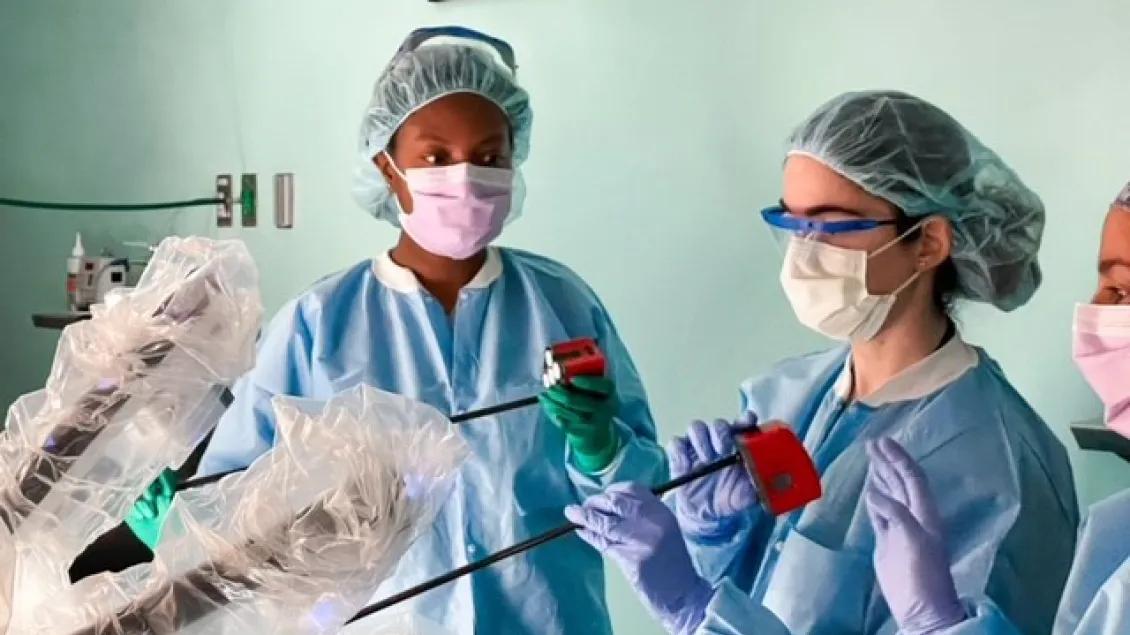
Built on 1:1 faculty mentorship, cutting-edge technology, and robust institutional support, fellows gain subspecialty surgical mastery across open, endoscopic, and robotic operative approaches.
Fellows hold a junior faculty appointment as a Clinical Lecturer, balancing complex surgical training with clinical leadership and trainee education.
The standard one-year clinical track (August 1 – July 30) focuses on comprehensive, high-volume operative and clinical training across all domains of reconstructive urology. An optional second-year research fellowship (NIH Great Lakes KUHR Network) is also available for trainees.
The society affiliation for the fellowship is the Society of Genitourinary Reconstructive Surgeons (GURS).
How to Apply
Eligibility & Academic Appointment
Applicants must have completed an ACGME-accredited urology residency program, have passed USMLE Steps 1, 2, and 3, and be board-eligible or board-certified in urology.
Candidates must be eligible for an unrestricted medical license in the State of Michigan and must be a U.S. citizen or permanent resident (Green Card holder).
Fellows hold a Clinical Lecturer / Junior Faculty Appointment within the Department of Urology.
Clinical Training
Training takes place within Michigan Medicine, the flagship academic medical center of the University of Michigan, utilizing state-of-the-art outpatient clinics, main University Hospital operating rooms with da Vinci Xi robotic surgical systems, and ambulatory surgical centers.
Fellows gain hands-on surgical experience across five primary domains:
- Genitourinary Prosthetics: High-volume primary and complex revision inflatable penile prostheses (IPP), artificial urinary sphincter (AUS) placement/revisions, male slings, and ProACT adjustable implants.
- Urethral Reconstruction: Complex anterior urethroplasties (including buccal mucosal grafts, anastomotic, and staged procedures), posterior urethroplasties (pelvic fracture/post-radiation), urethral diverticulectomies, and endourologic stricture management.
- Genital Reconstruction & Peyronie's Disease: Surgical correction of Peyronie's disease (tunica albuginea plication, plaque incision and grafting), buried penis repair with panniculectomy and skin grafting, and complex scrotoplasty.
- Abdominal & Pelvic Reconstruction: Open and robotic (da Vinci Xi) upper tract procedures (pyeloplasty, ureteral reimplantation, buccal mucosal graft ureteroplasty), robotic bladder neck reconstructions, vesical neck contracture repairs, and complex urinary diversions.
- Gender-Affirming Care (Optional Focus): Tailored clinical and surgical mentorship under Dr. Miriam Hadj-Moussa to achieve clinical competency in gender-affirming genitourinary surgery.
GURS Fellowship Surgical Case Log
Fellows participate in ongoing clinical trials, industry-sponsored device evaluations, and regional research collaborations, such as the Midwest Multi-Institutional Research Symposium. Fellows are expected to submit at least two peer-reviewed manuscripts or national conference abstracts during their fellowship year.
Research Year
Fellows pursuing an independent academic research career may apply for an optional dedicated second research year under the mentorship of Dr. Aruna Sarma.
- Funding & Network: Funded through the Great Lakes Kidney, Urology, and Hematology Research Training Network (Great Lakes KUHR), a regional, multidisciplinary NIH-sponsored program (T32/TL1 framework).
- Research Focus: Structured, mentored training in health services research, epidemiology, biostatistics, health policy, quality improvement, and grant writing designed to prepare investigators for independent academic careers.

Salary & Benefits
The University of Michigan offers highly competitive salaries and tremendous benefits to our residents/fellows. An overview of salary, benefits and employment eligibility is available on the University of Michigan Medical School website.

Current Fellows
Current fellows in urology train across a wide range of urologic specialties, including endourology, urologic oncology, pediatric urology and more.
Program Leadership

Bahaa Sami Malaeb, MD, FACS, MBA

Aruna V Sarma, PhD, MHSA
Urology Health Services Research Division Co-Chief
Medical School Assistant Dean for Research Faculty
Research Professor of Epidemiology, Medical School

Julia Rubel, MS, BS
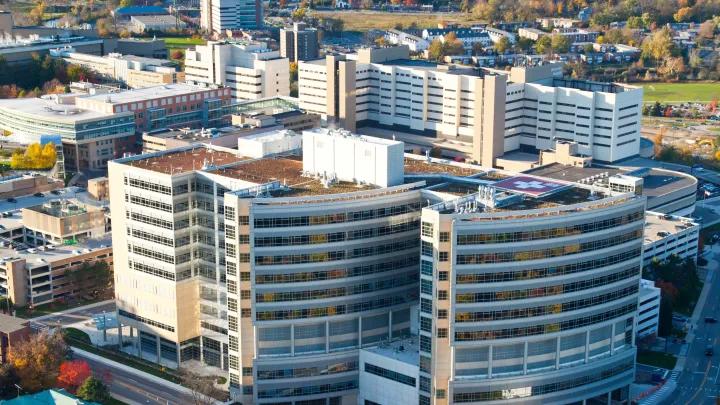
See Where Training Takes Place
Discover the spaces where you'll train, learn and practice at the University of Michigan Medical School Department of Urology. Our state-of-the-art facilities and expert team across patient care, education and research provide unparalleled opportunities for our learners.

Life in Ann Arbor
We find a new reason to love Ann Arbor nearly every day — year-round outdoor activities, cultural experiences, a growing food scene, and a welcoming, family-friendly atmosphere are just a few that come to mind. Discover all that Ann Arbor and our surrounding communities have to offer.
