
Urological Epidemiology Career Development Program (UroEPI)
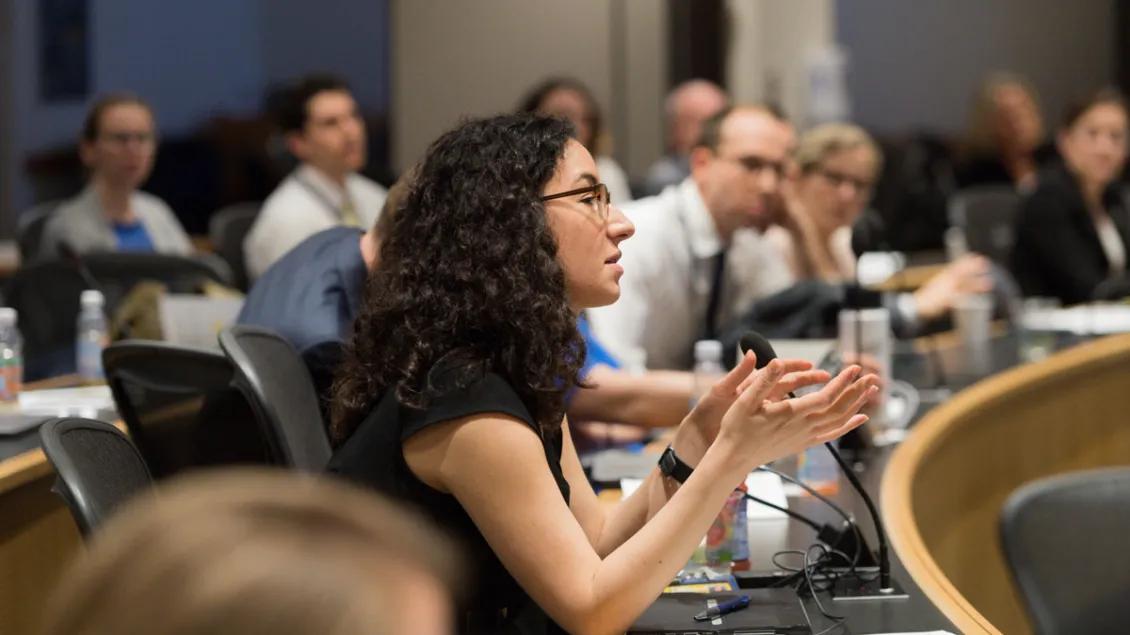
The U-M Medical School Department of Urology's Urological Epidemiology Career Development Program (UroEPI) is a 2-year program of post-residency/graduate training for clinicians/epidemiologists interested in benign urology. Supported by the NIDDK K12 program, it aims to prepare participants for an independent research career.
Program Overview
- Year 1 includes coursework for a master's in public health/epidemiology (for clinicians) or a postdoctoral certificate in Translational Research (for PhDs).
- Tuition for coursework is fully covered
- Fellows receive access to necessary support staff and mentors
- Option for a clinical fellowship after program completion
- Clinical year can fulfill training requirements of respective specialty societies
How to Apply
Program Requirements
- Be committed to an academic research career in Urology or Epidemiology
- Be highly regarded by those responsible for their training
- Clinical applicants should have completed an ACGME-approved residency by the time they start.
- PhD applicants should have completed their doctoral program in the health sciences
- Be a U.S. citizen or permanent resident
Application Information
All applicants are required to submit:
- CV
- At least three letters of support
- Completed application (PDF version)
- Applicants that receive a favorable review will be invited for an interview at which time official copies of undergraduate and medical school transcripts should be submitted.
Contact
3875 Taubman Center
Ann Arbor, MI 48109-5330
Contact
Ann Arbor, MI 48109-2800
Clinical Training
- Trainees must commit 40 hours per week to the program and related research activities, following NRSA regulations
- Within full-time training, clinician-research trainees must focus on research and limit clinical duties to those integral to research training
- Ensures trainees have sufficient time to attend classes
- To maintain surgical skills and clinical involvement, trainees can elect to engage in clinical care beyond the 40 hours
- Additional clinical work is limited to 20 hours per week
Research Experience
- Trainees will identify a research mentor and plan their main clinical research project
- Collaborate with the mentor to design a study protocol using the NIH format
- The major clinical research project will be completed in the second year of the program
- Emphasis on understanding clinical study designs, analyses, and healthcare implications
- Preparation for submitting NIH-level grants is a key focus
Current Scholars
Recent Scholars
- Golena Fernandez Moncaleano, MD (University of Florida)
- Courtney Streur, MD (University of Michigan)
Program Leadership
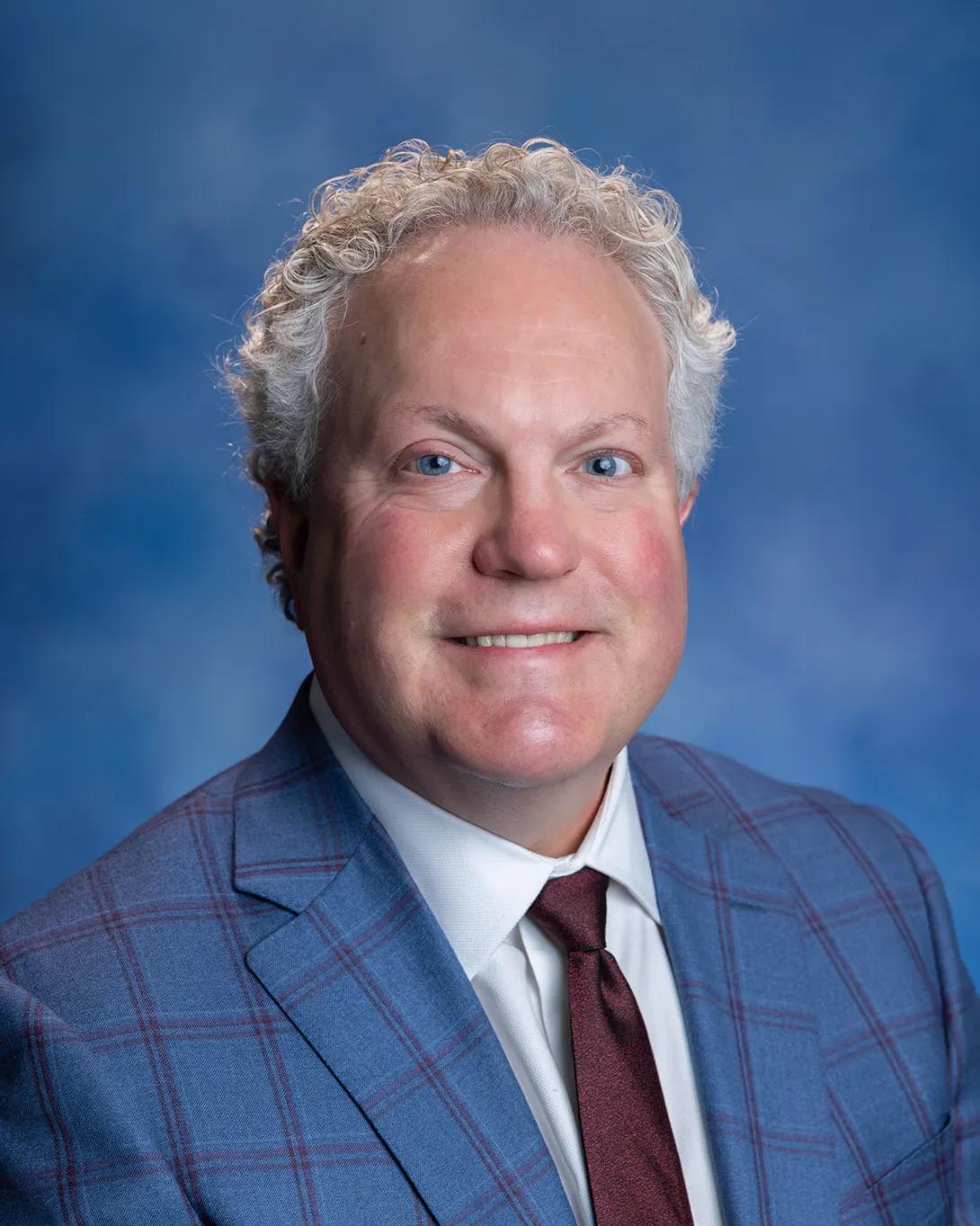
J Quentin Clemens, MD, FACS, MSCI
Urology Associate Chair for Research
Urogynecology & Reconstructive Pelvic Surgery (URPS) Fellowship Director
Medical School
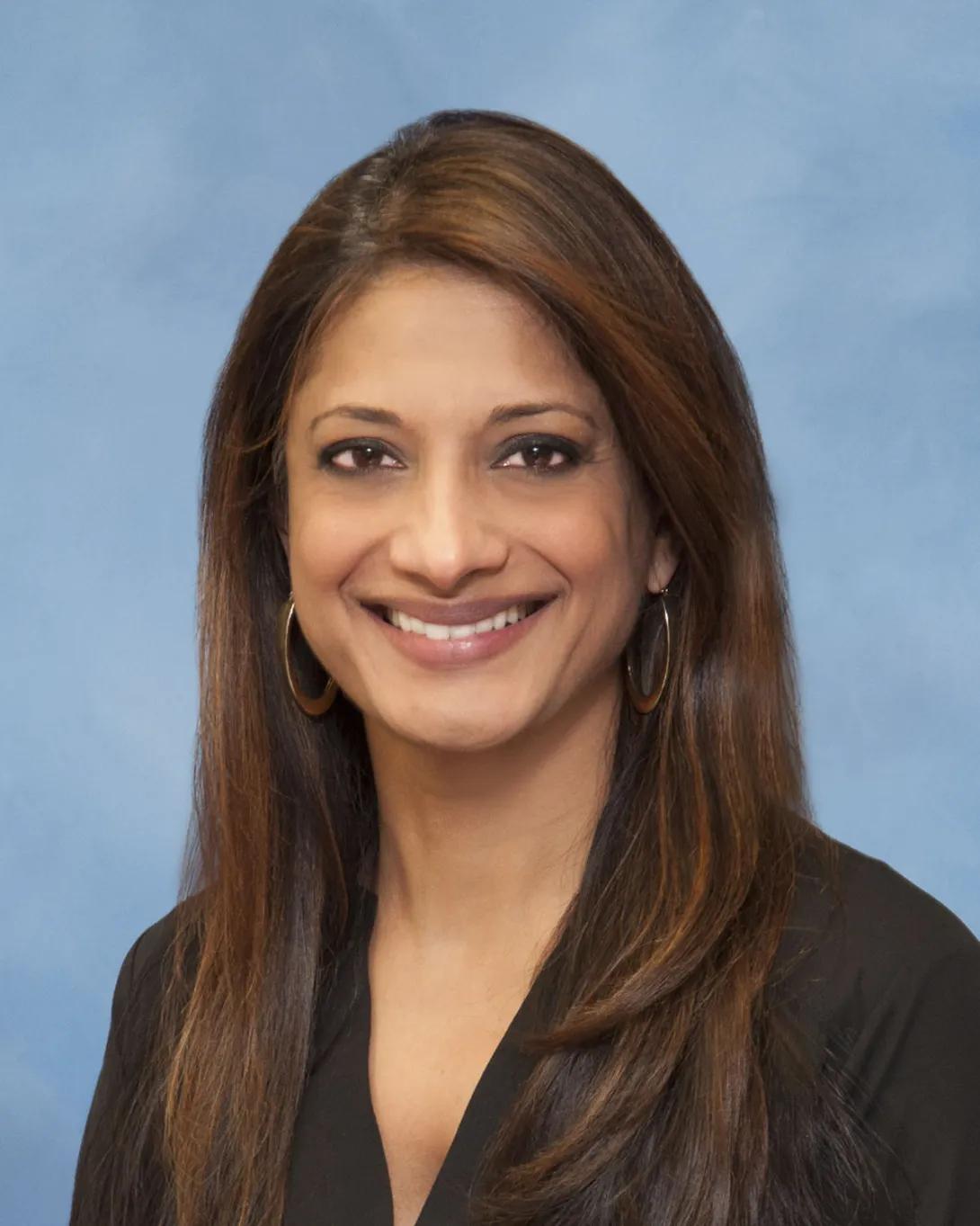
Aruna V Sarma, PhD, MHSA
Urology Health Services Research Division Co-Chief
Medical School Assistant Dean for Research Faculty
Research Professor of Epidemiology
Medical School
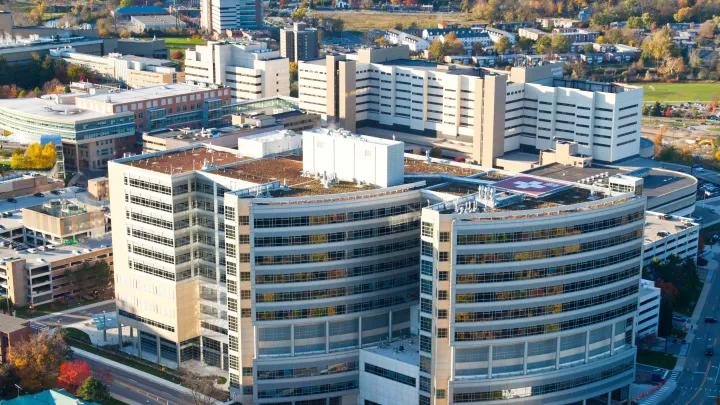
See Where Training Takes Place
Discover the spaces where you'll train, learn and practice at the University of Michigan Medical School Department of Urology. Our state-of-the-art facilities and expert team across patient care, education and research provide unparalleled opportunities for our learners.

Life in Ann Arbor
We find a new reason to love Ann Arbor nearly every day — year-round outdoor activities, cultural experiences, a growing food scene, and a welcoming, family-friendly atmosphere are just a few that come to mind. Discover all that Ann Arbor and our surrounding communities have to offer.
