-
Education Hub -
Medical Student Programs -
Residency -
Fellowships -
Cancer Genetics & Breast Health -
Complex Benign Gynecology -
Complex Family Planning -
Global Women's Health -
Gynecologic Oncology -
Hospitalist -
LGBTQ+ Reproductive & Sexual Health -
Maternal Fetal Medicine -
Pediatric & Adolescent Gynecology -
Reproductive Endocrinology & Infertility -
Urogynecology & Reconstructive Pelvic Surgery -
Women's Health
-
-
Opportunities -
Facilities & Spaces
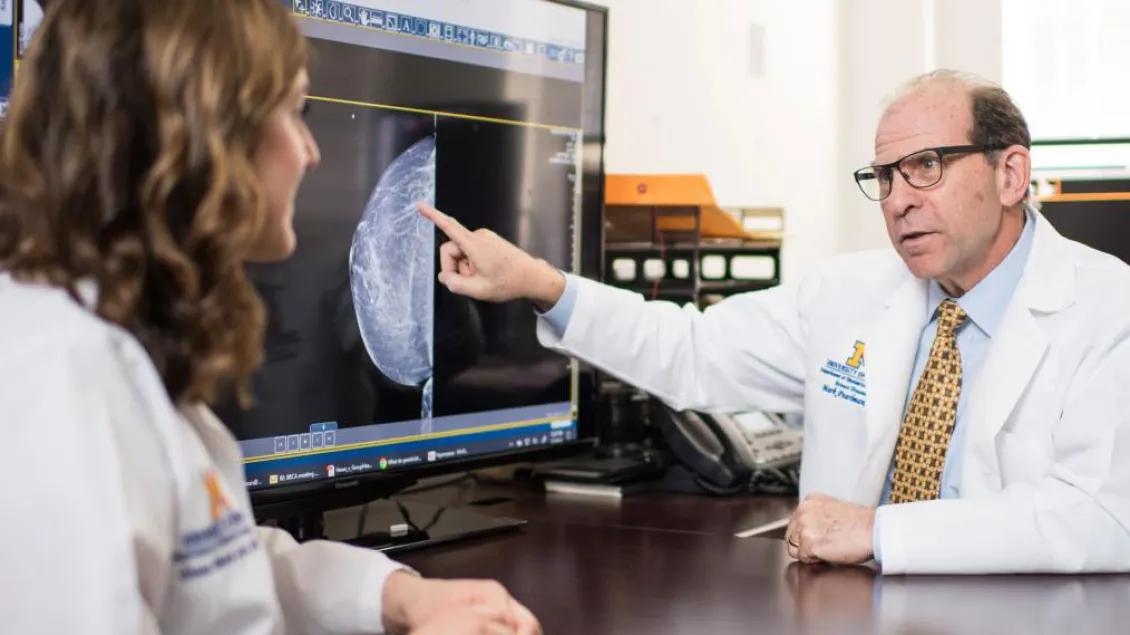
Cancer Genetics & Breast Health Fellowship
The Cancer Genetics and Breast Health (CGBH) fellowship is a one-year program designed to provide the appropriate candidate with a multi-disciplinary experience to train as an expert and consultant in managing most aspects of breast and gynecological cancer genetic mutations, as well as breast health.
Learn more by jumping to the sections below:
For More Information
Program Overview
Breast cancer is the most diagnosed cancer among people assigned female at birth in the U.S., with an estimated lifetime risk of 13%. Despite these statistics, breast symptom workup and gynecologic care of breast cancer survivors are typically underrepresented areas in the resident education in OBGYN. Furthermore, the field of genomics is rapidly expanding, with many more genes known to elevate the risk of breast and other cancers beyond BRCA1/2. Medical genetics is another area in which OBGYN residency training is scarce despite its increasing relevance in medical practice.
The CGBH fellowship addresses these critical areas in Ob/GYN. It is a 1-year non-ACGME fellowship for those who have completed Ob/GYN residency and are committed to a deeper understanding of the care of patients at high risk for breast and gynecologic cancer. The program is multi-disciplinary, involving rotations in the CGBH high-risk clinic, the Breast and Ovarian Cancer Risk Evaluation Clinic (genetics), Breast Surgical Oncology, Plastic Surgery, Medical Oncology, Pathology, Radiation Oncology, and Radiology. They will engage in clinical and surgical training, along with weekly didactics, literature review, and a research project of their choice. The trainee will also complete the City of Hope’s 13-week distance learning program titled “Intensive Course in Genomic Cancer Risk Assessment” (a continuing medical education (CME) accredited certificate program).
Training Objectives
The overarching goal of this program is to train Ob/GYN residency graduates to provide evidence-based, data-driven gynecologic care to communities at increased risk of breast, ovarian, and other gynecologic cancers due to germline pathogenic variants or family history, along with providing gynecologic expertise and care in the setting of breast cancer survivorship.
Training objectives include (but are not limited to):
- To be proficient in the most up-to-date genetic testing criteria as outlined by the National Comprehensive Cancer Network (NCCN), and appropriately identify and counsel patients who meet criteria
- To develop a solid understanding of the cancer risks and patient counseling regarding germline pathogenic variants identified by NCCN to increase risk of breast, ovarian, and other cancers (such as ATM, BARD1, BRCA1, BRCA2, BRIP1, CDH1, CHEK2, MLH1, MSH2, MSH6, PMS2, NF1, PALB2, PTEN, RAD51C, RAD51D, STK11, and TP53)
- To be proficient in identifying eligible candidates and counseling regarding breast cancer chemopreventive agents such as tamoxifen and raloxifene
- To be able to counsel patients regarding risk-reducing surgery (mastectomy and BSO)
- To understand the surgical considerations for BSO for risk reduction
- To understand the risks and benefits of breast MRI and be able to identify and counsel patients who meet criteria for intensive surveillance
- To be proficient in the utilization of various lifetime breast cancer risk assessment tools (such as, but not limited to, Gail, Claus, Tyrer-Cuzick, CanRisk/BOADICEA)
- To have a strong understanding of the research regarding ovarian cancer lifetime risk estimation and be able to appropriately identify and counsel patients eligible for risk-reducing bilateral salpingo-oophorectomy (BSO) based on family history
- To enhance knowledge, management, and patient counseling of specific gynecologic issues facing breast cancer survivors (such as abnormal uterine bleeding on tamoxifen and the option of surgical ovarian ablation for hormone-receptor positive breast cancer in premenopausal patients on endocrine therapy)
- To deepen understanding of the treatment of menopausal symptoms (particularly vasomotor symptoms and genitourinary syndrome of menopause) for those with and without a personal history of breast cancer
- To be proficient in the workup of common breast symptoms (such as breast mass, mastalgia, and nipple discharge)
- To improve management proficiency of benign breast disease, which includes understanding the categories of benign breast disease, associated cancer risks, and knowledge of the management of high-risk breast lesions
Fellowship Common Curriculum
The Department is home to 10+ Board-certified and non-Board-certified clinical and research fellowships in obstetrics and gynecology. To promote cross-specialty collaboration, all trainees take part in our didactic curriculum. These are ½ day educational seminars on numerous topics relevant to clinical research and academic leadership.
Topics include research design and implementation, identifying funding opportunities, manuscript timelines and preparation, how to be an effective teacher and employment opportunities. In addition, the department sponsors social events for fellows across all specialties to further encourage collaboration and to help fellows build both a professional and personal network.
Ongoing Educational Opportunities
The U-M Medical School Department of Obstetrics and Gynecology is committed to the ongoing development and education of our faculty, staff, and learners. Each year, we provide over 100 CME activities for physicians and healthcare professionals to enhance learning and improve patient outcomes.
Application Information
Minimum Requirements
- Completion of a residency program accredited by ACGME
- USMLE/COMLEX scores
Due to Department of Labor prevailing wage regulations, we are unable to consider applicants that possess any type of visa.
Application Deadline
We are currently accepting applications. Please reach out to our fellowship manager to arrange a virtual meeting with the fellowship program director.
Salary & Benefits
The University of Michigan offers highly competitive salaries and generous benefits to our fellows and residents. Trainee salary will be commensurate with that of a House Officer at an equivalent level of training based on the HOA contract.
Current Fellows
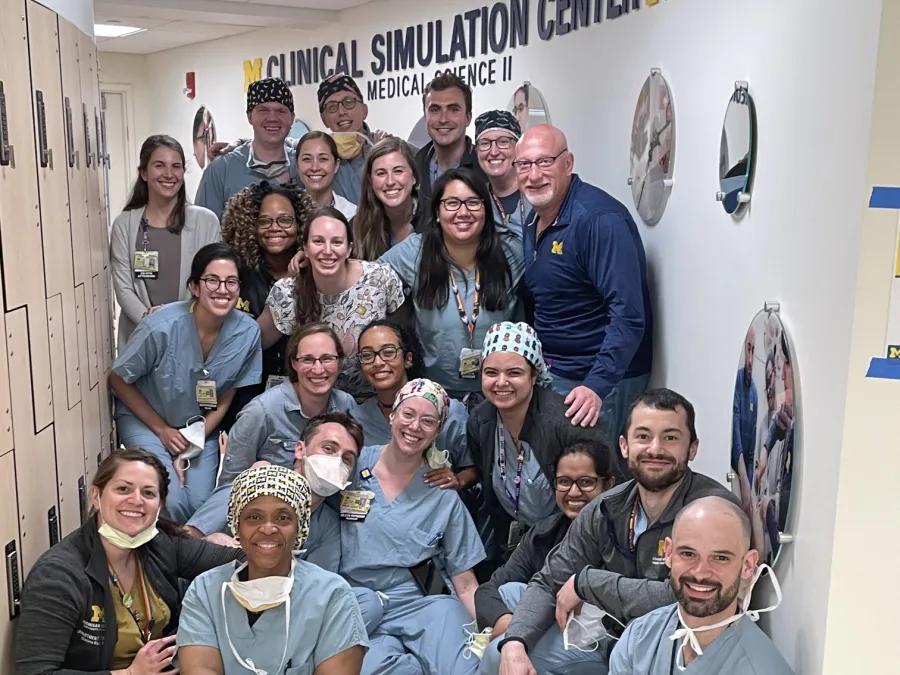
Current fellows are training to become future leaders in cancer genetics & breast health. We emphasize teamwork, excellence, and leadership while preparing our fellows with resources to be successful in their careers.
Recent Graduates
- Amanda Manorot, MD
2024 – 2025 Cancer Genetics and Breast Health Advanced Trainee
First Position after Training: Clinical Assistant Professor, Michigan Medicine - Versha Pleasant, MD
2020 – 2021 Cancer Genetics and Breast Health Advanced Trainee
First Position after Training: Gynecology Faculty, Michigan Medicine - Kathyryn Huber-Keener, MD, PhD
2018 – 2019 Cancer Genetics and Breast Health Advanced Trainee
First Position after Training: Clinical Assistant Professor, University of Iowa
- Dana M. Scott, MD
2017 – 2018 Cancer Genetics and Breast Health Advanced Trainee
First Position after Training: Assistant Professor, UConn Health - Myrlene Jeudy, MD
2015 – 2016 Cancer Genetics and Breast Health Advanced Trainee
First Position after Training: Professor, Virginia Commonwealth University
Our unique Cancer Genetics and Breast Health (CGBH) Fellowship is advancing testing, screening, and care for women with higher genetic risks for breast, ovarian, endometrial, or other cancers. This fellowship is the only program in the country offering training across breast surgery, oncology, genetics, and obstetrics and gynecology.
Program Leadership

Dee E Fenner, MD
Chair, Department of Obstetrics and Gynecology
Professor of Obstetrics and Gynecology
Professor of Urology
Medical School
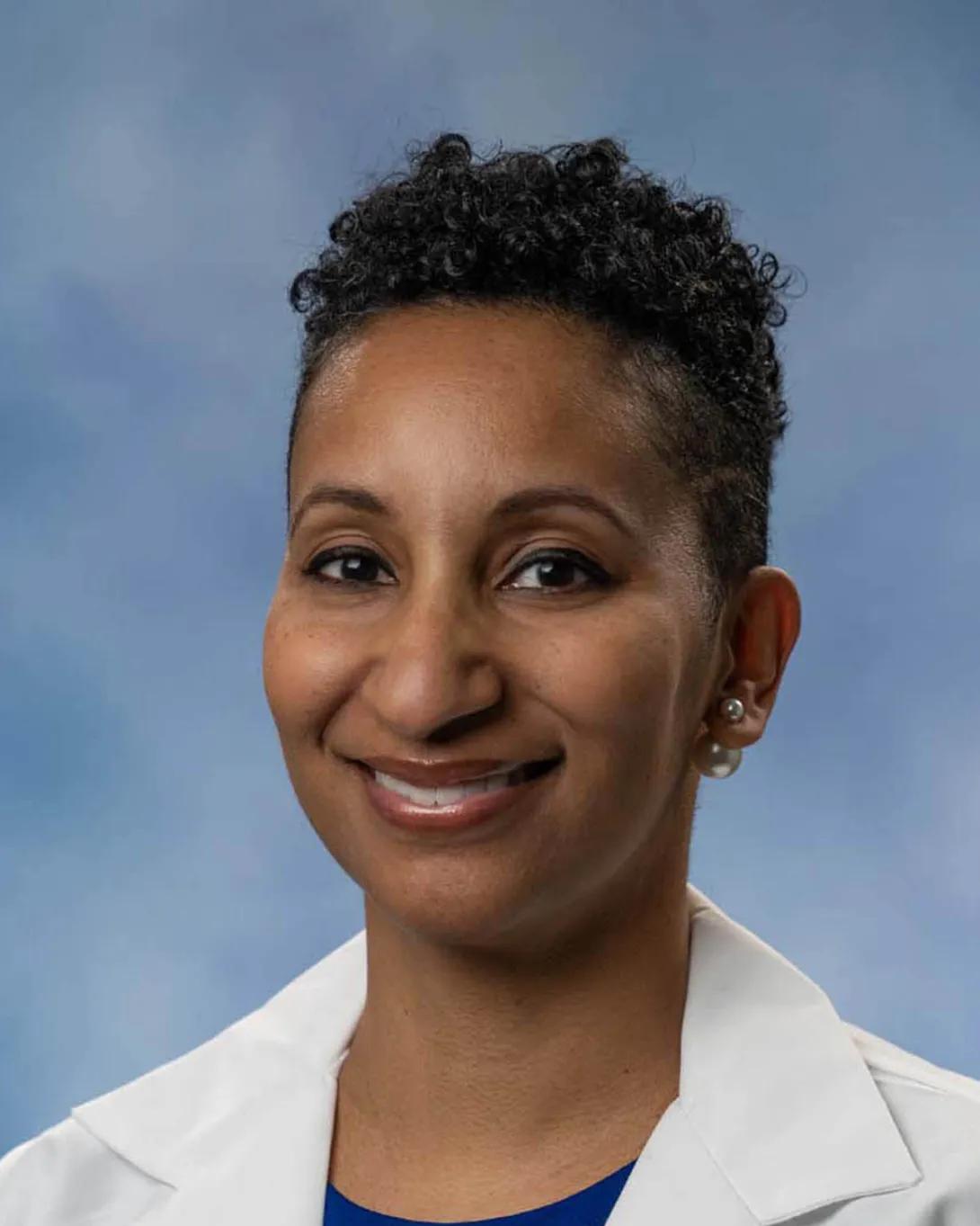
Versha A Pleasant, MD, MPH
Medical School

Maeve Sullivan
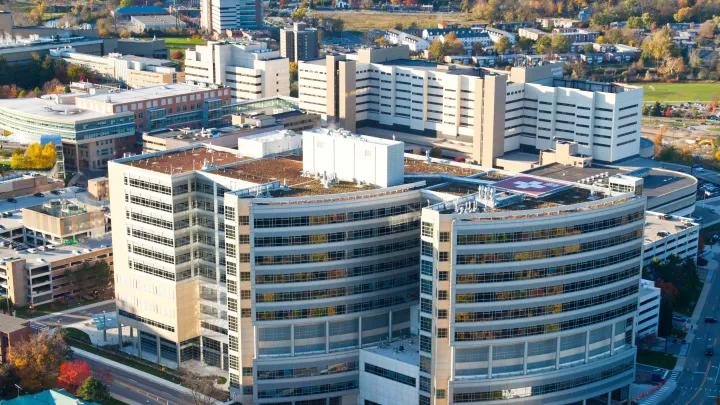
See Where Training Takes Place
Nationally-recognized physicians provide patients with a full spectrum of pregnancy and childbirth care, as well as gynecologic care before and after pregnancy. For high-risk pregnancies, U-M Medical School’s Fetal Diagnosis and Treatment Center offers comprehensive fetal services, utilizing the latest technological advances in diagnostics, minimally invasive surgeries and open surgeries.

Life in Ann Arbor
We find a new reason to love Ann Arbor nearly every day — year-round outdoor activities, cultural experiences, a growing food scene, and a welcoming, family-friendly atmosphere are just a few that come to mind. Explore all that Ann Arbor and our surrounding communities have to offer.
Featured News & Stories
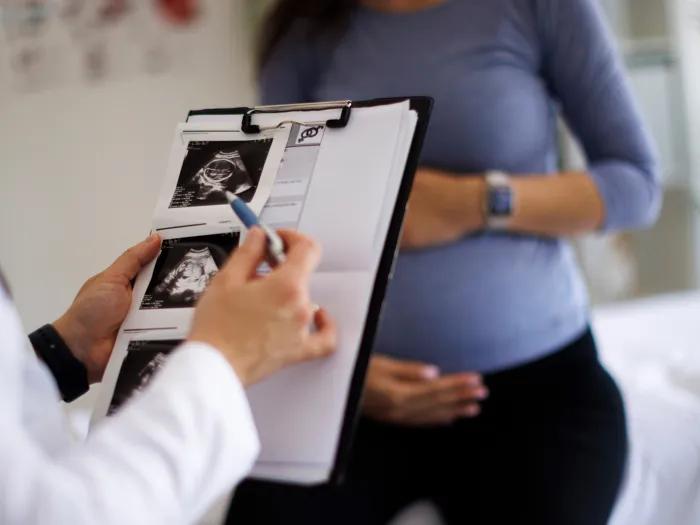
Better prenatal care data could help prevent maternal complications, experts say
PMOS is the New PCOS
PCOS has a new name

Who’s at risk for painful periods?

A tragedy and a trial shine a spotlight on new moms’ mental health