-
Education Hub -
Medical Student Programs -
Residency -
Fellowships -
Cancer Genetics & Breast Health -
Complex Benign Gynecology -
Complex Family Planning -
Global Women's Health -
Gynecologic Oncology -
Hospitalist -
LGBTQ+ Reproductive & Sexual Health -
Maternal Fetal Medicine -
Pediatric & Adolescent Gynecology -
Reproductive Endocrinology & Infertility -
Urogynecology & Reconstructive Pelvic Surgery -
Women's Health
-
-
Opportunities -
Facilities & Spaces
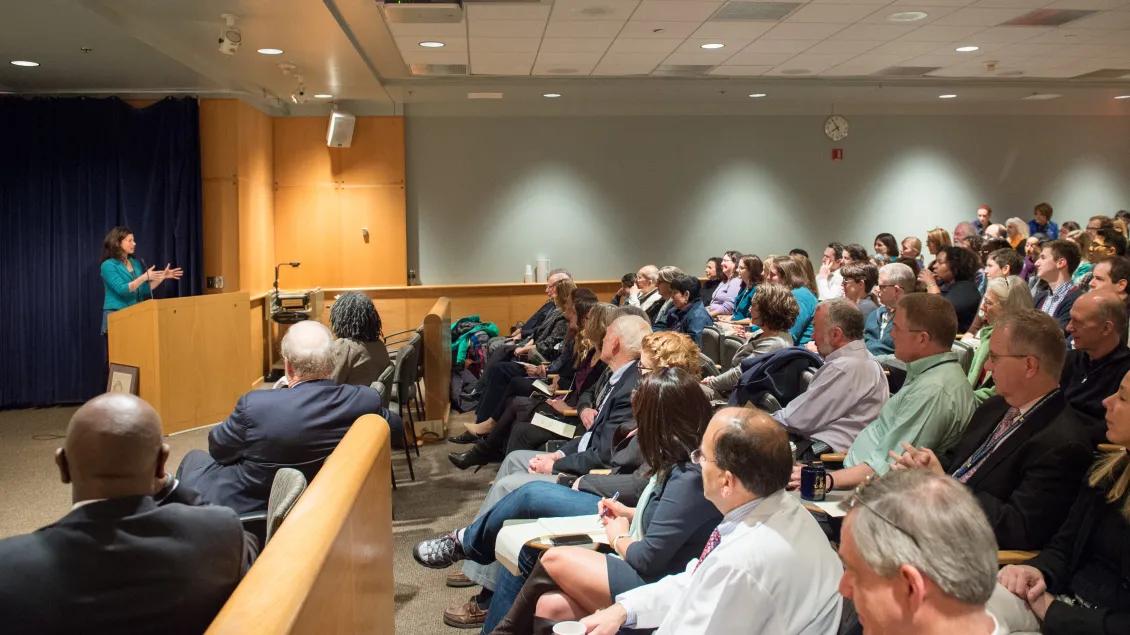
Complex Family Planning Fellowship
The overarching goal of the Complex Family Planning fellowship is to help trainees connect with their sense of purpose, identify a vision for their family planning career, and gain the skills needed to begin their path to that career.
For More Information
Program Overview
The University of Michigan’s fellowship in Complex Family Planning is a two-year program in which fellows gain skills in family planning patient care, research and advocacy.
The University of Michigan is known for its commitment to interdisciplinary training and scholarship. Achieving contraception and abortion access for all who want it, and achieving a larger vision of reproductive justice, require broad, interdisciplinary strategies and collaborations. Therefore, we have assembled faculty and opportunities that cross boundaries between the Medical School, School of Public Health, and many individual departments and programs within the College of Literature, Sciences, and the Arts and beyond, as well as advocacy and community organizations.
While the Complex Family Planning fellowship is housed in the Department of Obstetrics and Gynecology, it is very much a program of the University as a whole, and fellows will have the resources of the entire institution available to them.
Core Program Components
Fellows will learn to provide all contraceptive methods currently available as well as all methods of medication and surgical termination of pregnancy in the first and second trimester. Our program emphasizes contraception and abortion care in medically complicated patients, and fellows will become experts in triaging complex family planning referrals, managing abortion care in patients with placentation abnormalities, coordinating care for hospitalized patients (including in intensive care unit settings), and caring for patients with a wide range of other complex family planning patient needs.
Clinical work will take place primarily at Von Voigtlander Women's Hospital and several local family planning care centers.
All fellows receive robust training in research methods and conduct an original research project on any topic in family planning. Historically, our fellows have developed their own projects, growing from their own particular interests, and taking advantage of the wide interest in family planning topics in disciplines across the University of Michigan's campus. We are committed to fellows completing and publishing their research projects. Some fellows choose a project that is closely aligned with family planning faculty research.
While this sometimes helps facilitate research completion, fellows can nevertheless conduct any project they feel passionate about and that is feasible in the program time frame. Projects can involve original data collection and analysis or secondary data analysis. They can be qualitative or quantitative in nature or use other novel methodologies. Trainees could readily work with demographers and sociologists to analyze large population databases; anthropologists to conduct ethnographic research locally or internationally; policy experts and attorneys to examine the impact of abortion or contraception legislation; economists to do econometric or cost analyses of various aspects of reproductive medicine, and medical school faculty to conduct clinical or quality improvement investigation.
Fellows will have access to the University of Michigan’s robust research infrastructure - which includes excellent pre- and post-grant award support - as well as a variety of centers and specialized research programs, including:
- Center for Statistical Consultation and Research (CSCAR)
- Michigan Institute for Clinical and Health Research (MICHR)
- Institute for Healthcare Policy and Innovation (IHPI)
- Center for Bioethics and Social Sciences in Medicine (CBSSM)
- Institute for Research on Women and Gender (IRWG)
- The Center for Research on Ethnicity, Culture, and Health (CRECH)
- The Detroit Community-Academic Urban Research Center (URC)
- The Program on Women's Healthcare Effectiveness Research (PWHER)
Fellows and Program Directors will work together to tailor the trainee’s research experience to their individual interests and career goals, and to find the appropriate research mentorship team.
Mentorship is at the heart of our program and takes place in both formal and informal ways. Through the summer months, the first-year fellow meets at least weekly with one or both Program Directors, to orient them to the program, their work, and to help develop a research project proposal. Regular bi-weekly to monthly meetings occur after that. The Program Directors will help the fellow organize a three-person mentor team. This team will consist of one of the Program Directors, an expert in the topic/content area of the trainee’s research, and an expert in the methodologies being used in the project.
Outside of formal mentoring meetings, fellows have nearly daily contact with the fellowship faculty, in clinical work, didactic sessions, administrative meetings, and because our offices are all co-located in a small family planning pod. All faculty welcome informal meetings and questions at any time. Fellows may be able to participate in physician coaching as well, part of our leadership and resilience programming.
In addition to research training, our Program has a didactic teaching program that ensures trainees are up to date on the most current research and literature on important topics in contraception, abortion, and family planning care of medically complex patients.
In addition to family planning-specific didactics, we promote cross-specialty learning across all fellowship and advanced training programs. The University of Michigan Department of Obstetrics and Gynecology is home to ten ACGME and non-ACGME accredited fellowships in obstetrics and gynecology. Fellows across all programs participate in the Didactic Curriculum, which consists of twice-yearly half-day didactic sessions, focusing on issues that fellows in any specialty have in common. In addition, the department sponsors social events for fellows and advanced trainees across all specialties to further encourage collaboration and to help fellows build both a professional and personal network.
We are also committed to advocacy education. This takes place through a novel didactic curriculum on evidence-based physician communication, as well as through (to the extent desired) active participation in media interviews, legislative testimony, participation in amicus briefs, and attendance at advocacy events sponsored by the American College of Obstetricians and Gynecologists and Physicians for Reproductive Health.
Trainees also are able to spend two months engaged in an elective of their choosing. This could be clinical in nature or focused on research, advocacy, working in a low-resource setting domestically or internationally, or another activity that is important to the trainee's future path.
Fellowship Common Curriculum
The Department is home to 10+ Board-certified and non-Board-certified clinical and research fellowships in obstetrics and gynecology. To promote cross-specialty collaboration, all trainees take part in our didactic curriculum. These are ½ day educational seminars on numerous topics relevant to clinical research and academic leadership.
Topics include research design and implementation, identifying funding opportunities, manuscript timelines and preparation, how to be an effective teacher and employment opportunities. In addition, the department sponsors social events for fellows across all specialties to further encourage collaboration and to help fellows build both a professional and personal network.
Ongoing Educational Opportunities
The U-M Medical School Department of Obstetrics and Gynecology is committed to the ongoing development and education of our faculty, staff, and learners. Each year, we provide over 100 CME activities for physicians and healthcare professionals to enhance learning and improve patient outcomes.
Application Information
Minimum Requirements
- ERAS application
- Personal statement
- Letters of recommendation - a minimum of 3 (ERAS can hold up to 4)
- USMLE/COMLEX scores
- Medical School Transcript
- Medical School Performance Evaluation (MSPE)
- Photo
We do not review CREOG scores in our assessment of applicants. Score reports are not required.
Application Deadline
The application deadline for an August 2027 start date is Monday, May 4, 2026. Invitations will be extended on Monday, June 1, 2026. Virtual interview dates will be Wednesday, July 15, 2026 (pm); Thursday, July 16, 2026 (pm); and Wednesday, July 22, 2026 (pm).
Fellowship applications are accepted via the Electronic Residency Application Service (ERAS).
Salary & Benefits
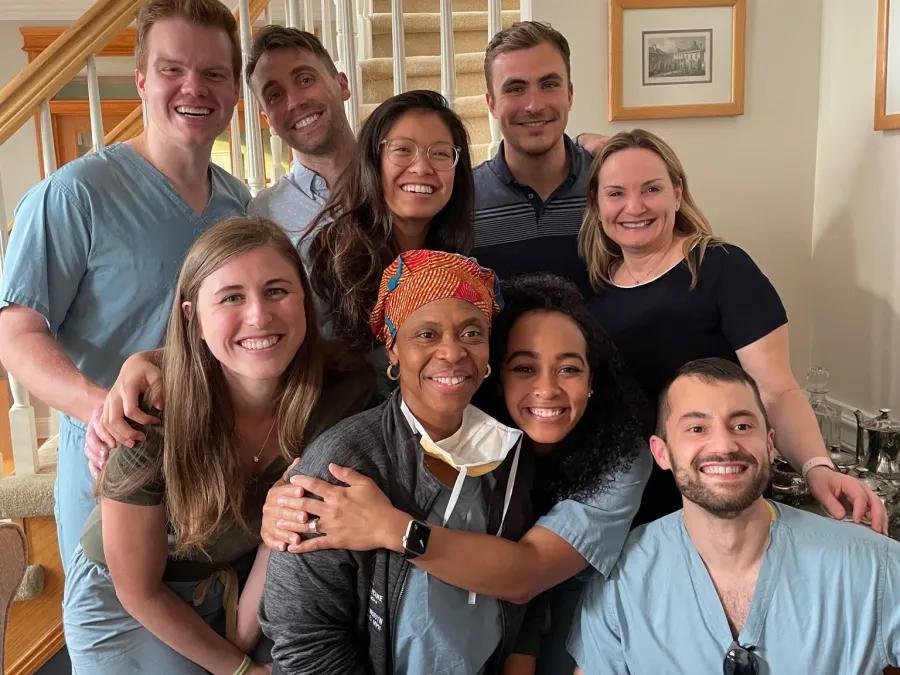
The University of Michigan offers highly competitive salaries and generous benefits to our fellows and residents. Trainee salary will be commensurate with that of a House Officer at an equivalent level of training based on the HOA contract.
Program Leadership
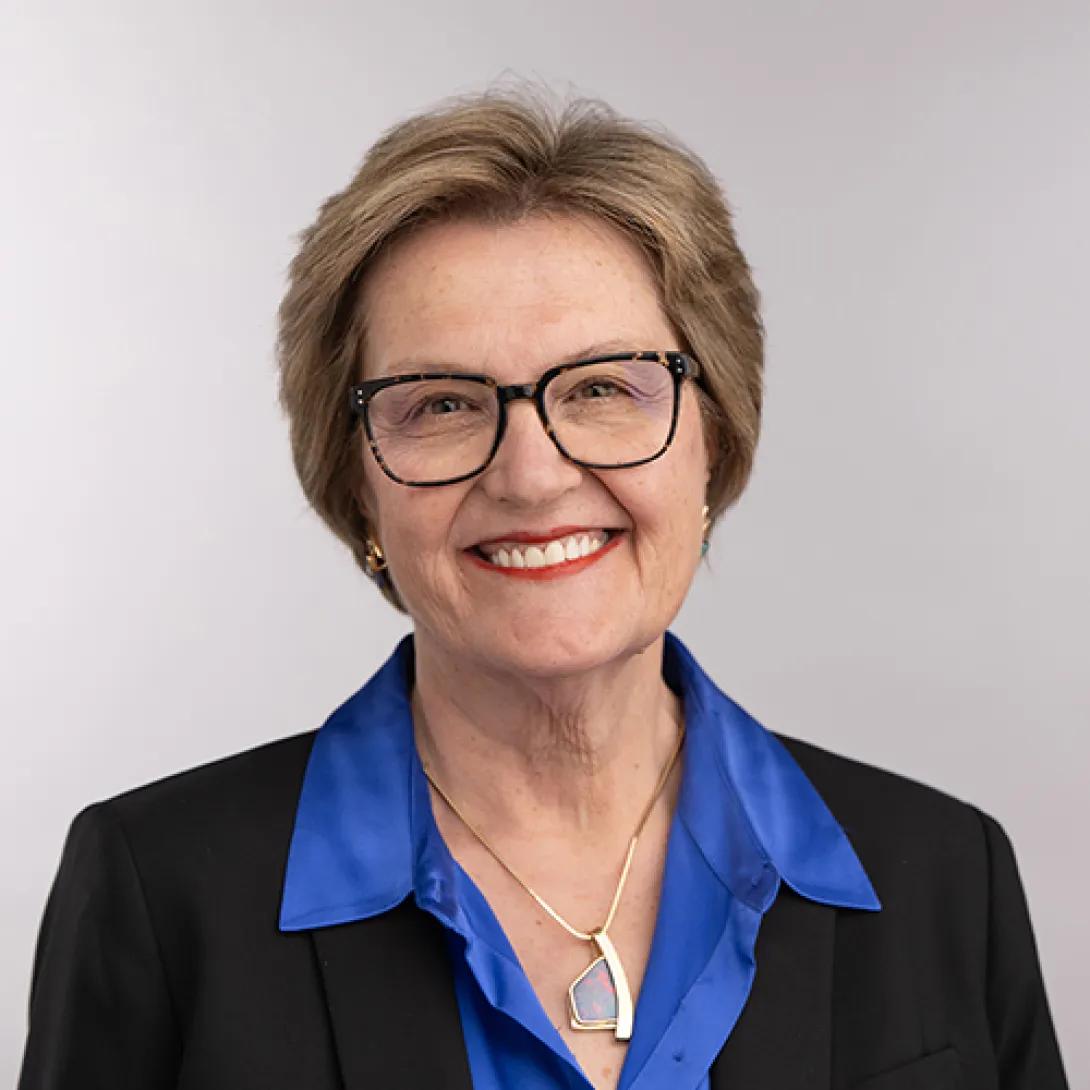
Dee E Fenner, MD
Charisse Loder, MD, MSc
Lisa H Harris, MD, PhD
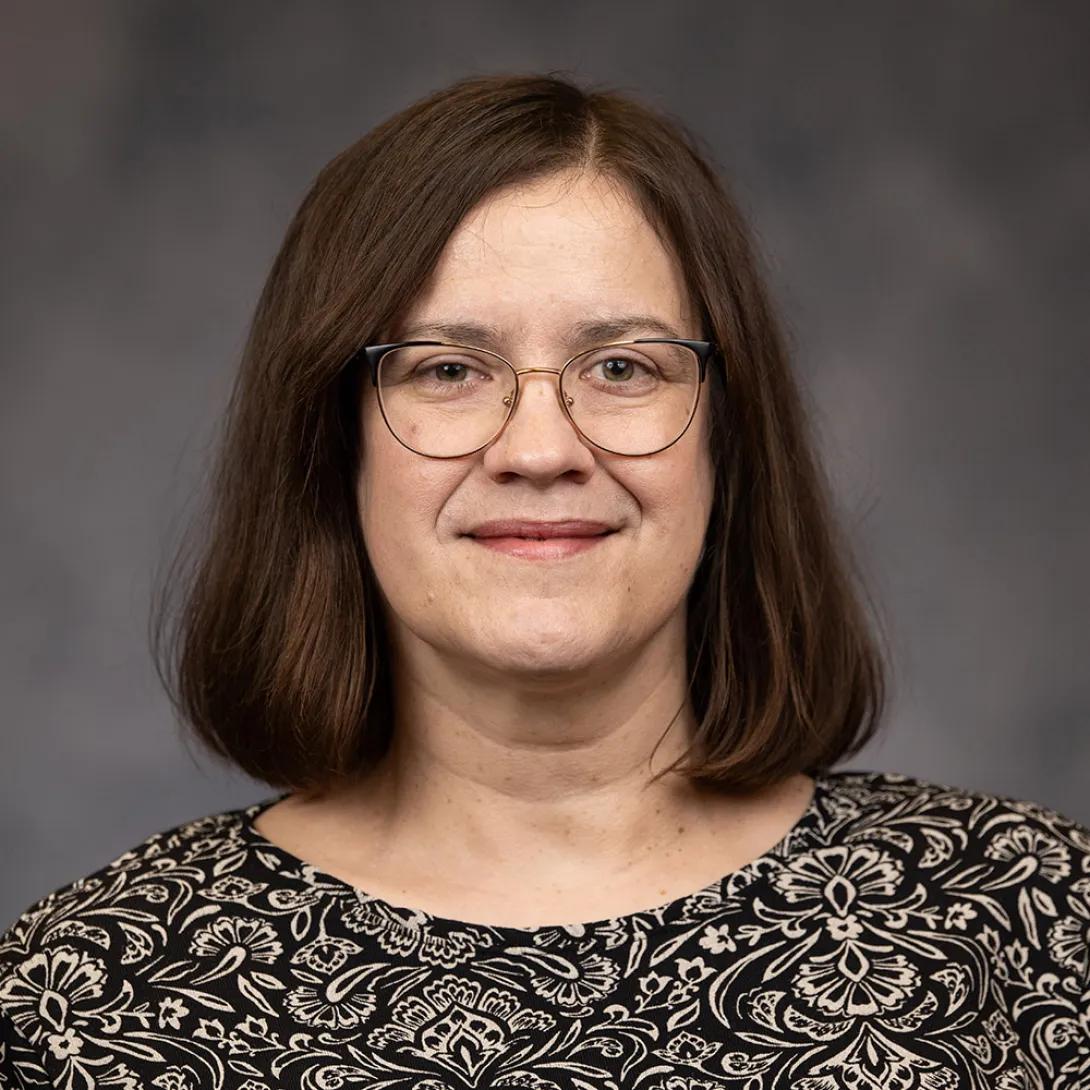
Maeve Sullivan
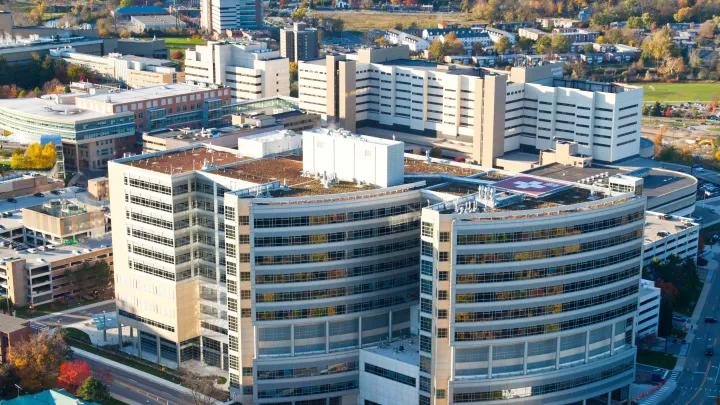
See Where Training Takes Place
Nationally-recognized physicians provide patients with a full spectrum of pregnancy and childbirth care, as well as gynecologic care before and after pregnancy. For high-risk pregnancies, U-M Medical School’s Fetal Diagnosis and Treatment Center offers comprehensive fetal services, utilizing the latest technological advances in diagnostics, minimally invasive surgeries and open surgeries.

Life in Ann Arbor
We find a new reason to love Ann Arbor nearly every day — year-round outdoor activities, cultural experiences, a growing food scene, and a welcoming, family-friendly atmosphere are just a few that come to mind. Explore all that Ann Arbor and our surrounding communities have to offer.
Featured News & Stories
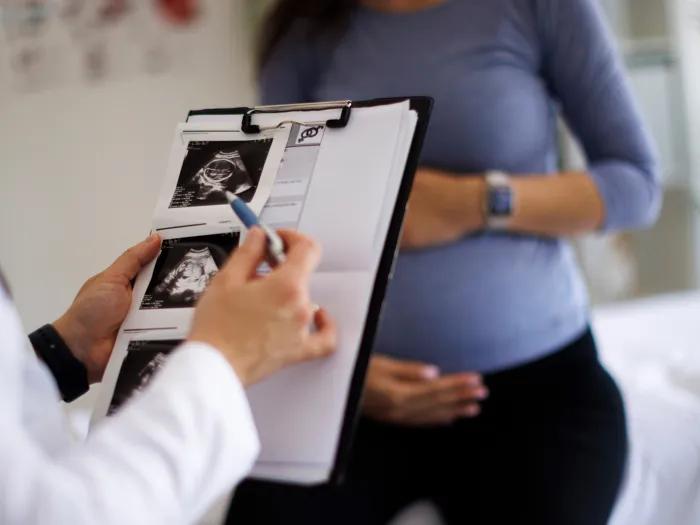
Better prenatal care data could help prevent maternal complications, experts say
PMOS is the New PCOS
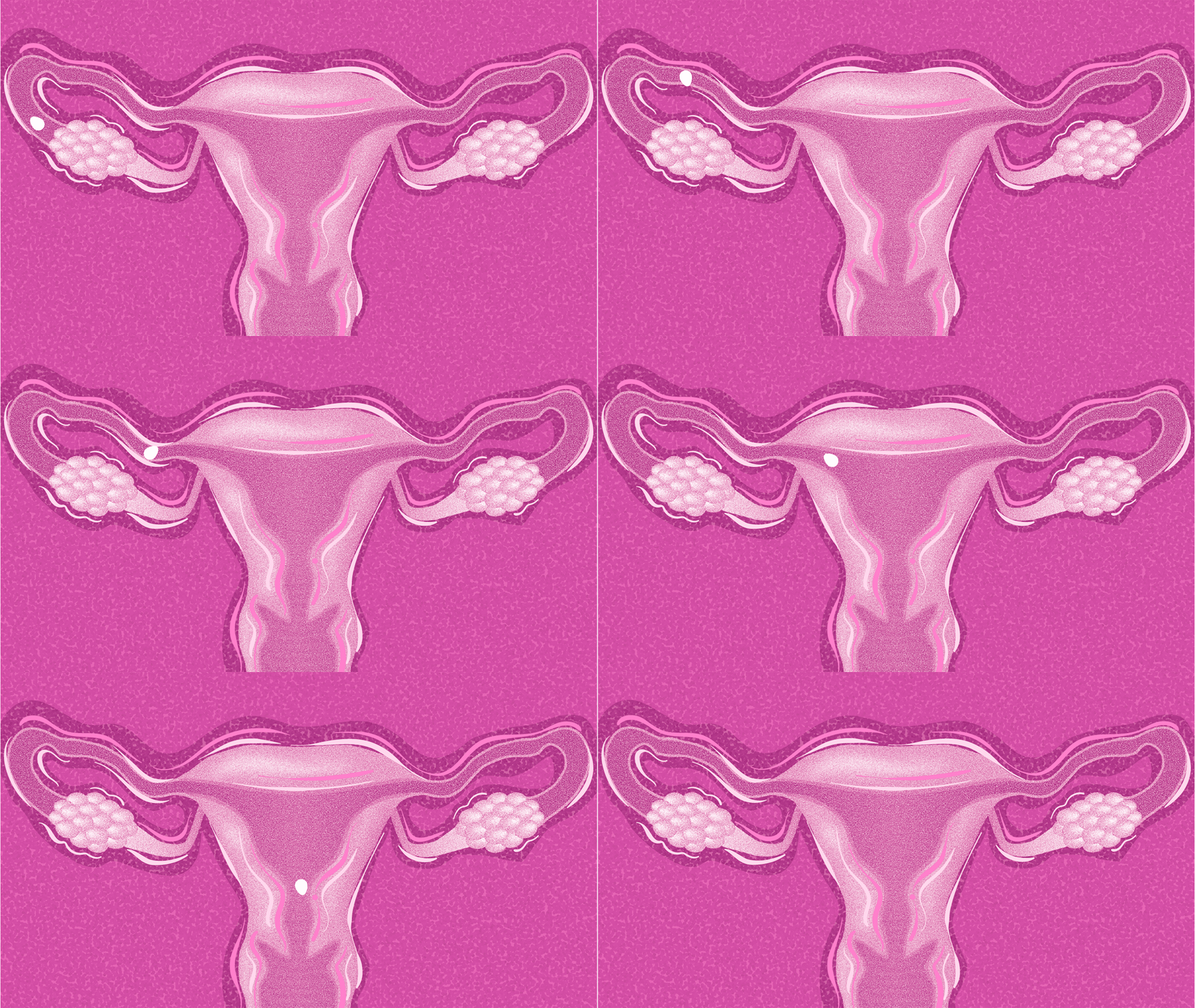
PCOS has a new name
Who’s at risk for painful periods?

A tragedy and a trial shine a spotlight on new moms’ mental health