
Faculty Research Track
We offer two research faculty pathways at U-M Medical School: research scientist and research professor.
Research track faculty actively contribute to our research mission, either as an independent researcher or as a part of team science.
We offer a Research Faculty Seminar Series and a Research Faculty Grant Orientation to support our faculty. In addition, the Research Track Advisory Council is a small advisory committee that meets monthly on faculty affairs matters related to this track.
Tracks
Research Scientist
A person appointed to the position of Research Investigator must hold a doctoral degree or its equivalent in professional and technical experience and typically has completed two or more years of postdoctoral work. The typical candidate for this position is someone whose scholarly reputation is equivalent to a person who has recently completed a PhD or MD and/or postdoctoral training and demonstrates evidence of potential for scholarship. Candidates for research investigator are not expected to have a record of Institutional citizenship or teaching, although achievement in these areas is welcomed.
Candidates who are appointed or promoted to this rank must have a record of publications in peer-reviewed journals. Participation at professional meetings is typically present. Candidates for Assistant Research Scientist should demonstrate potential for scholarly development, possibly as part of a larger research program.
Appointment or promotion to this rank requires a strong regional and growing national scholarly reputation based on research productivity and contributions over several years usually as part of a larger research program to advance the field and/or strengthen the scientific community. Independence in research is not required but may be developing as represented by a record of collaborative funding as a team scientist.
There should be a growing record of publication in peer-reviewed journals, although a majority may be part of author teams. A candidate for this rank should have a record of contribution to presentations at professional meetings, leadership/service to academic or professional societies, or activities contributing to advancing the field (peer review, editorial positions etc.). Promotion to Associate Research Scientist signals the passage into medical academia’s senior rank.
Appointment and promotion to this highest rank in the Research Scientist Track requires a regional, national and/or internationally recognized record of continued excellence in research productivity and contributions. A Research Scientist will have a substantial record of peer-reviewed publications in journals, although a majority may be part of author teams. Independent funding is not required, however there should be significant and sustained participation in research projects in a team science role including proposal and awards as Co-Investigator.
Evidence of success with external funding as PI or Co-PI/MPI or substantive Co-I role with fiscal responsibility (may be modest size award, including modest size foundation, industry and other small external funds) or Site PI / Co-I with scientific and fiscal responsibility for a core or clearly delineated specific aim not required but would strengthen the case. A significant and sustained record of participation in relevant academic or professional meetings, leadership/service to academic or professional societies, or activities advancing the field (peer review, editorial positions etc.) is expected of a Research Scientist as well as evidence of institutional and some external service.
Research Professor
Candidates who are appointed or promoted to this rank must have a record of publications in peer-reviewed journals, with primary or senior authorship on several. Participation in national and international professional meetings is typical. Candidates for Research Assistant Professor will have potential for extramural funding (often developmental/feasibility grants and/or mentored NIH K awards and/or foundation grants); with a strong potential for independent “R01 or equivalent” proposals. Contributions to education and institutional citizenship are typical. Candidates at this rank typically have documented teaching and mentoring within the context of one or more research programs with students at any level, postdoctoral fellows, or junior research colleagues.
Appointment or promotion to this rank requires independent, distinguished, and productive research that has been consistent over a number of years. There should be clear evidence of obtaining significant independent external funding as principal investigator; past the level of initial research grants and fellowships.
There should be a strong record of publication in peer reviewed journals, including numerous first-author and/or senior-author publications and evidence that this accomplishment will continue. Many researchers appointed or promoted to Research Associate Professor also have a substantial record of book chapters, abstracts, and textbook co-authorships.
Appointment and promotion to this highest rank in the Research Professor Track requires an internationally recognized record of continued excellence in research. A Research Professor will have a substantial and continued record of first-author and/or senior-author publications in peer reviewed journals.
A Research Professor will have served as principal or co-principal investigator on center grants, major grants (e.g. NIH R01 or equivalent), and maintained a record of such funding. National and international lectures, seminars, study sections, and ad hoc reviews are expected of a Research Professor. Research Professors are expected to perform mentoring, supervising, and laboratory or research based teaching in a number of venues. Institutional citizenship is expected of a Research Faculty.
Current Faculty
If you are a current U-M Medical School faculty or staff member looking for additional information, please visit the Office of Faculty Affairs intranet site.
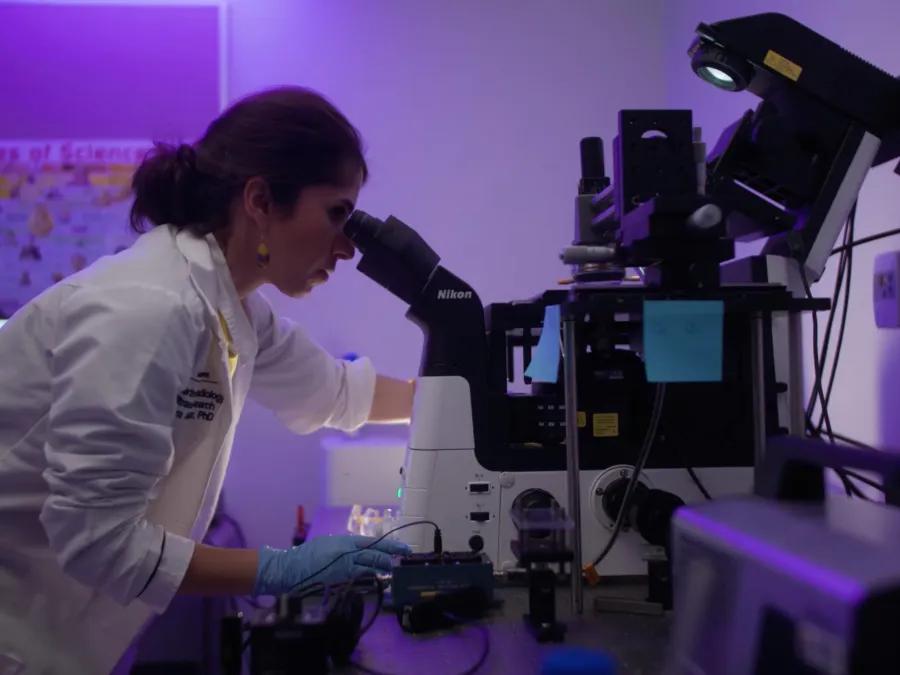
Research Skill Development
Discover skill development resources for research faculty.
Research Track Advisory Council
The Research Track Advisory Council is a small advisory committee for research track faculty that meeting monthly to advise the Assistant Dean for Research Track Faculty on faculty affairs matters and other items that pertain to this track. This committee is currently comprised of eight research faculty members who provide input into policies and initiatives for our research faculty. The members are invited to join through the Office of Faculty Affairs.
Council Members
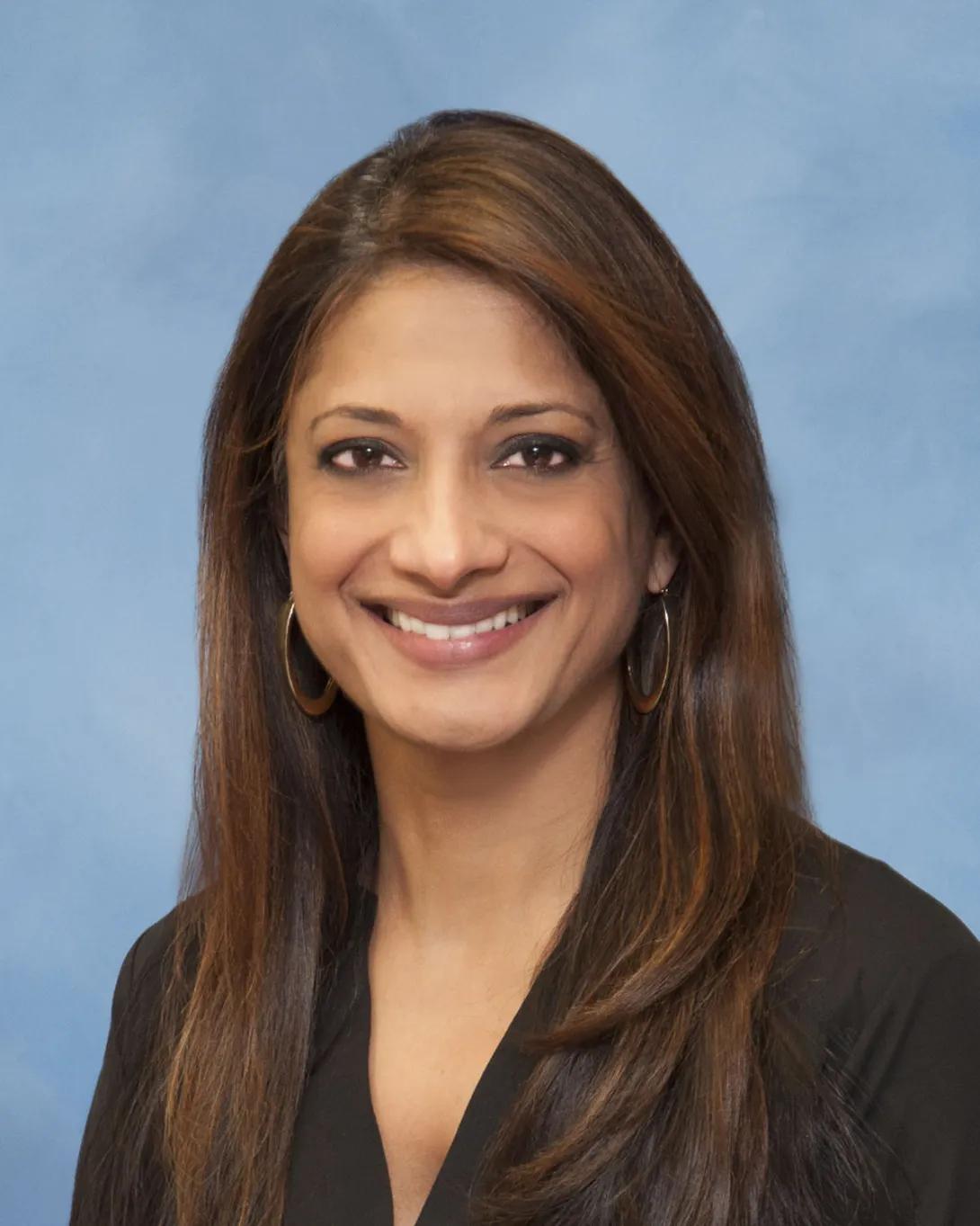
Aruna V Sarma, PhD, MHSA
Urology Health Services Research Division Co-Chief
Medical School Assistant Dean for Research Faculty
Research Professor of Epidemiology
Medical School
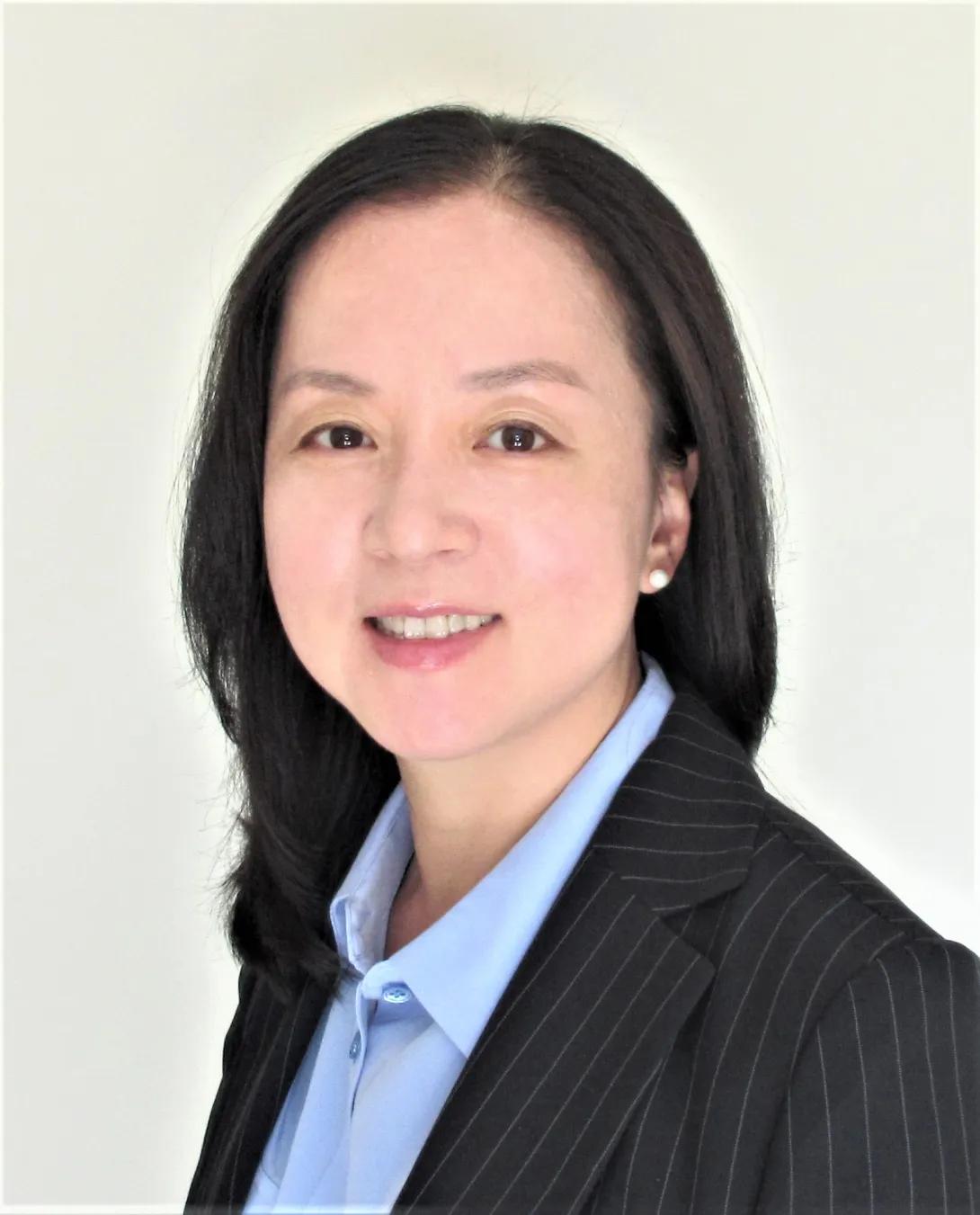
HwaJung Choi, PhD
Faculty Associate, Survey Research Center, Institute for Social Research
Associate Professor, Health Management and Policy, School of Public Health
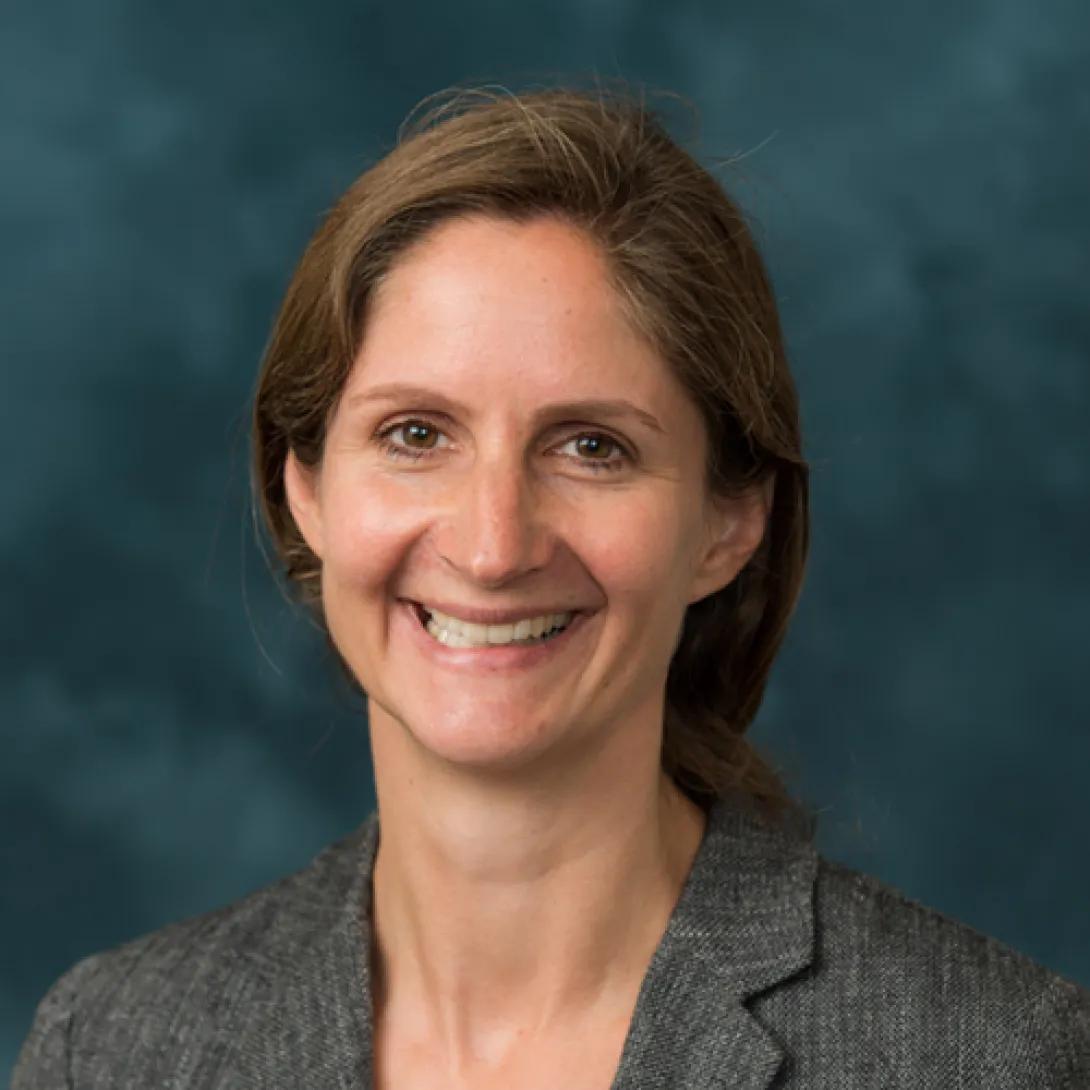
Stefanie Galban, PhD
Research Associate Professor, Surgery
Medical School
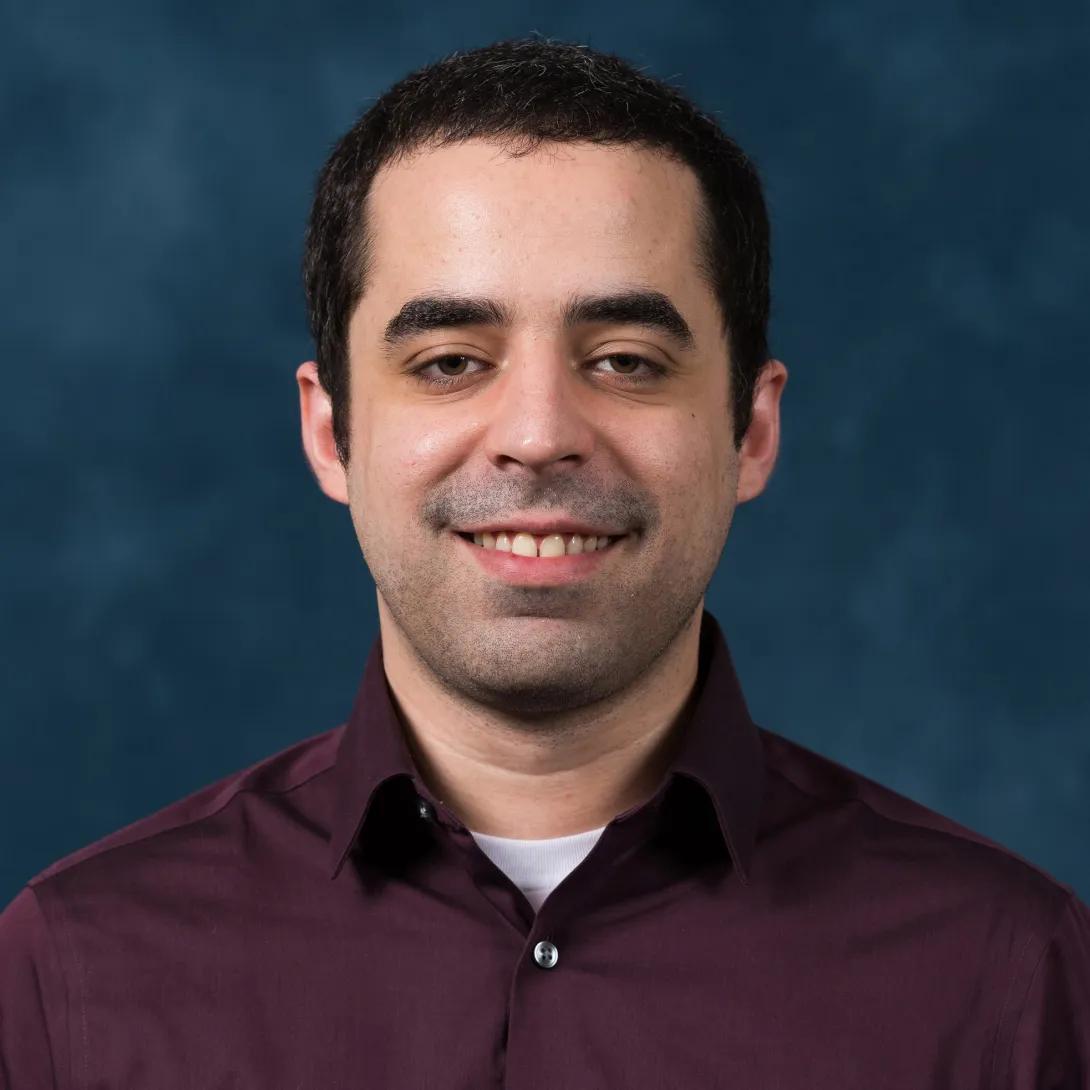
Jason Goldstick, PhD
Research Professor, Health Behavior and Health Equity, School of Public Health
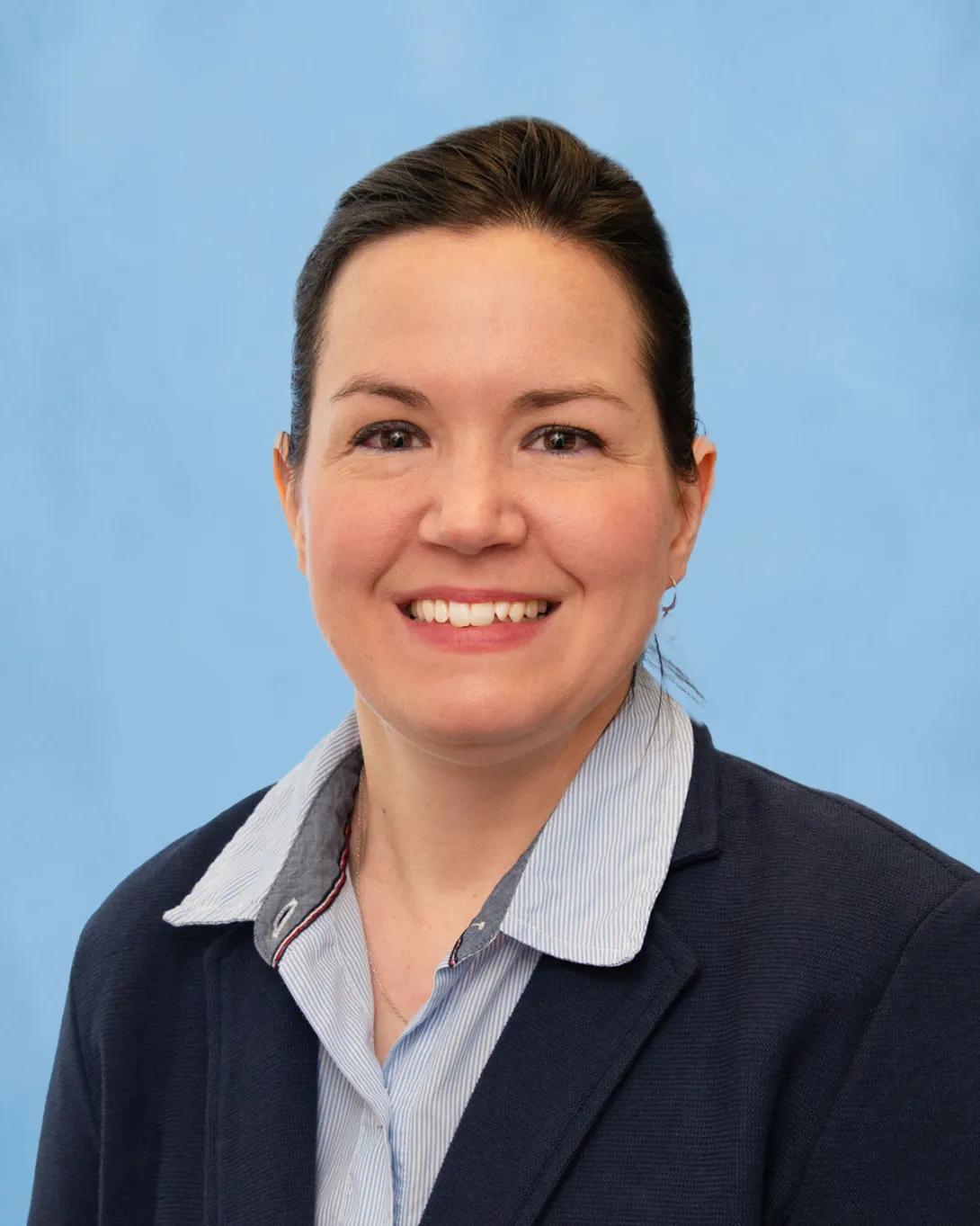
Orsolya Lautner-Csorba
Surgery
Medical School

Rahul Mannan, MD
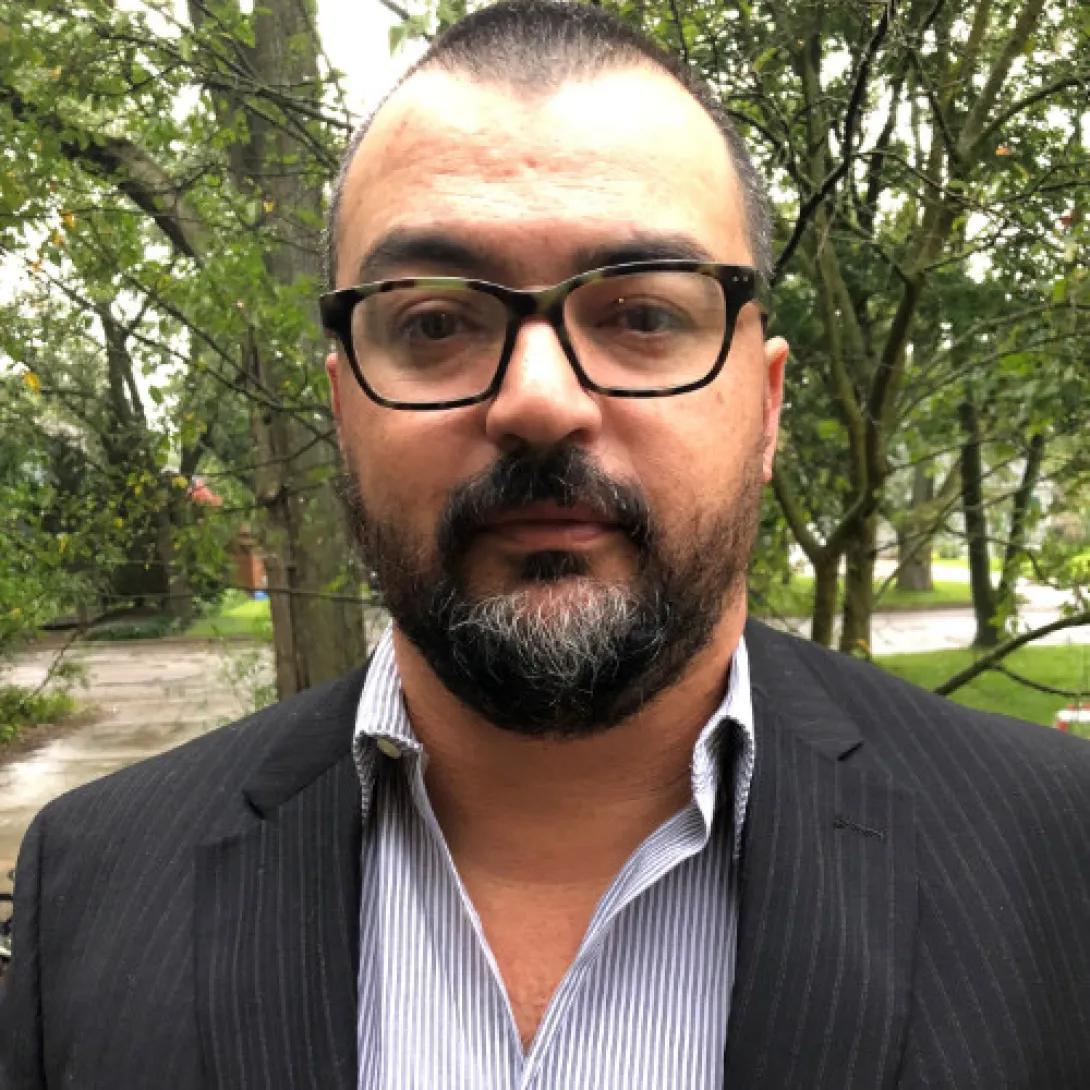
Andre Monteiro Da Rocha
Internal Medicine
Medical School

Louise M O'Brien, PhD, MS
Research Professor, Obstetrics and Gynecology
Ombudsperson, Medical School
Research Scientist, Dentistry, Department of Oral and Maxillofacial Surgery, School of Dentistry
