
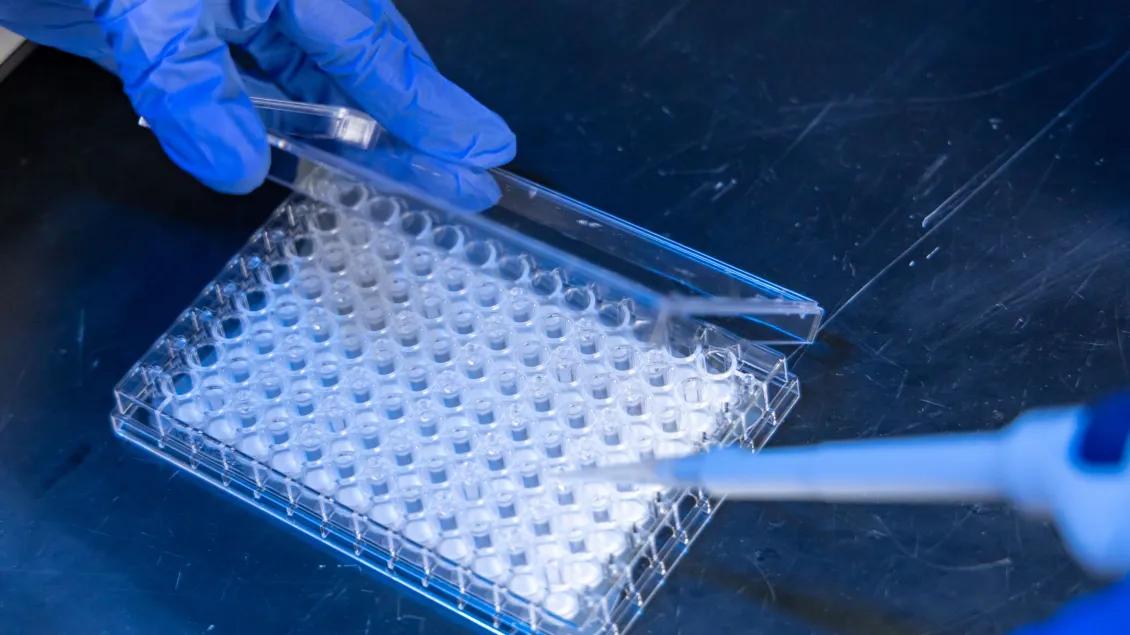
Immunology PhD Program
The U-M Medical School’s Immunology Graduate Program offers a dynamic and interdisciplinary training environment for students pursuing a PhD in immunology. The program emphasizes rigorous academic coursework, hands-on research, and professional development, preparing graduates for careers in academia, industry, and government. Our alumni have successfully launched careers in:
- Academia and research institutions
- Biotech and pharmaceutical industries
- Scientific writing and publishing
- Government and public health
- Emerging fields in our rapidly evolving scientific landscape
For More Information
Interdisciplinary & Inclusive Learning
The program is built on a collaborative framework that brings together faculty from across the U-M Medical School. This interdisciplinary structure fosters a rich training environment where students engage with diverse perspectives and research approaches.
We emphasize:
- Cross-departmental collaboration
- Individualized mentorship
- Exposure to both basic and clinical science
- A culture of inclusion and support
Students are encouraged to explore broad scientific questions while developing deep expertise in their chosen area of immunology. On average, students complete the PhD program in 5.5 years, with flexibility to tailor their training to their academic and professional goals.
Program Requirements
To earn a Ph.D. in Immunology, students must:
- Complete a minimum of 18 credit hours of didactic graduate-level coursework approved for Rackham Graduate credit.
- Maintain a minimum cumulative GPA of 3.0 to remain in good academic standing.
- Successfully complete required laboratory research rotations.
- Pass a preliminary examination (written and oral).
- Conduct original research and defend a dissertation.
- Have a first-author primary research publication in press prior to scheduling the dissertation defense (waivers considered under exceptional circumstances).
Students take core and elective courses in immunology, biochemistry, genetics, and cell biology. Required courses include:
- MICRBIOL 640 – Molecular and Cellular Immunology (3 credits)
- MICRBIOL 641 – Advanced Immunology (1 credit)
- IMMUNO 850 – Experimental Immunology (2 credits)
- IMMUNO 851 – Translational Immunology (1 credit)
- One PIBS Core Course (BIOCHEM 660, CDB 530, or HUMGEN 545)
- PIBS 503 – Research Responsibility and Ethics
- PIBS 800 – Seminar Series
- IMMUNO 815 – Immunology Research Seminar
Students also enroll in IMMUNO 599 (pre-candidacy) and IMMUNO 995 (candidacy), with specific credit hour guidelines.
The preliminary exam is typically taken after completion of core coursework, usually at the end of the second year. It includes both written and oral components and is designed to assess students’ mastery of immunological concepts and their ability to critically evaluate scientific literature.
Students engage in cutting-edge research throughout their training. After completing rotations, they join a lab and begin their dissertation project. Research culminates in a written dissertation and oral defense. Students must present their work in seminars and are expected to publish their findings in peer-reviewed journals.
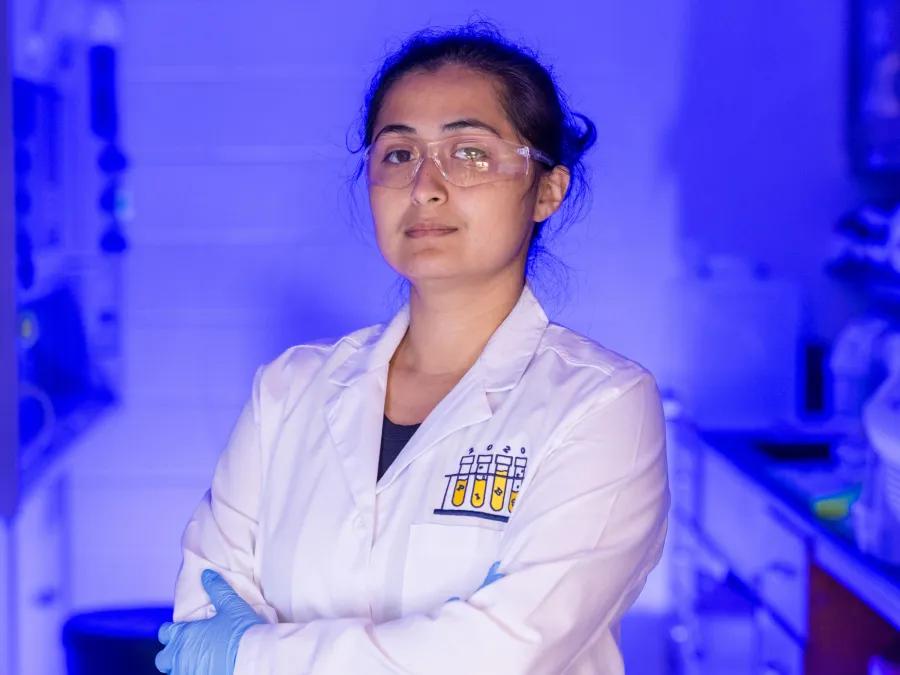
Current PhD Students
Meet the learners in the Immunology PhD program, each pursuing rigorous research and a flexible curriculum tailored to their interests.
Program Leadership
Shannon A Carty, MD
Associate Director Academic Program
Immunology Graduate Program
Medical School
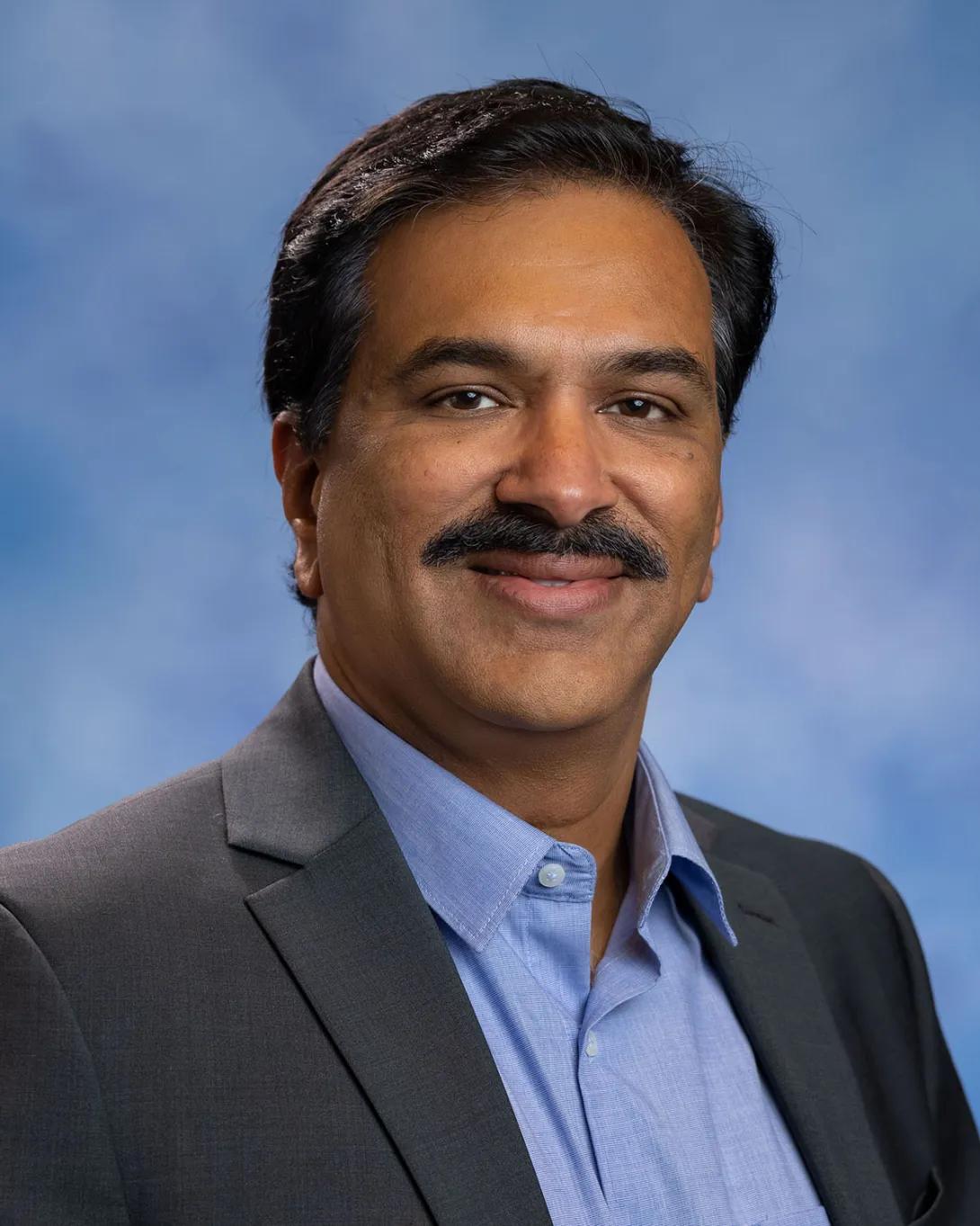
Venkateshwar G Keshamouni, PhD
Associate Director Academic Program
Immunology Graduate Program
Medical School
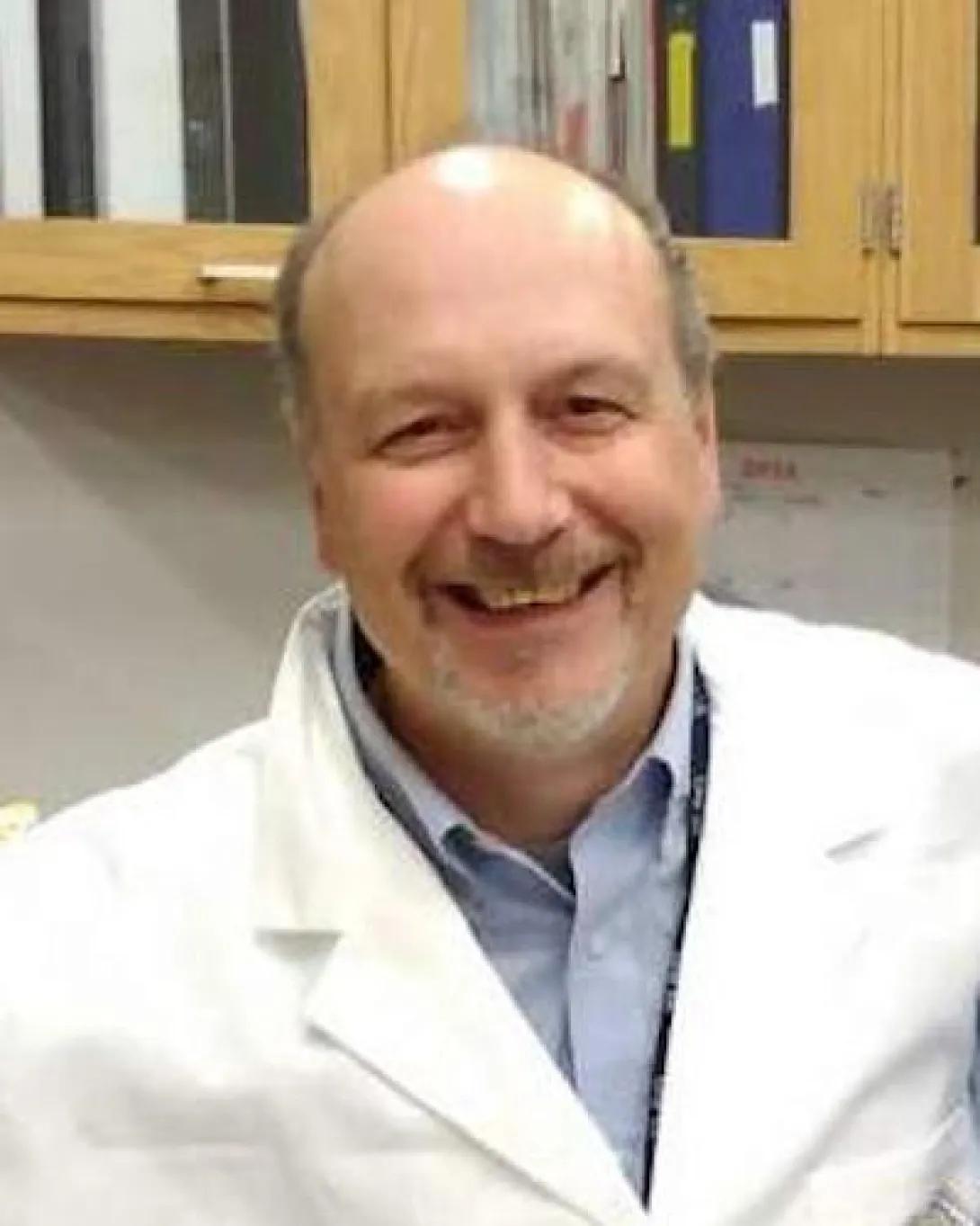
Michal A Olszewski, DVM, PhD
Professor of Microbiology and Immunology and Associate Director Academic Program
Immunology Graduate Program
Medical School
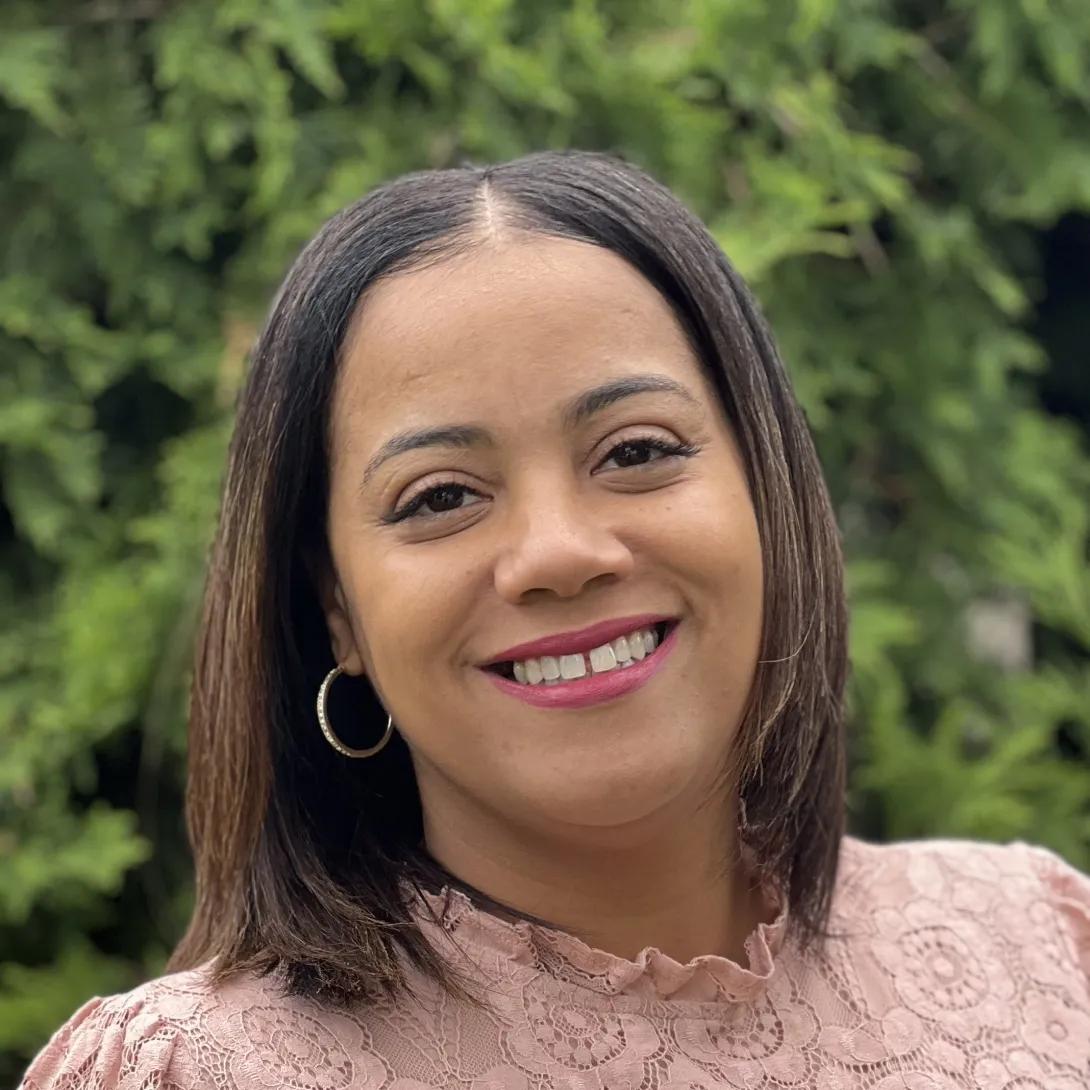
Catrice Evans
The foremost role of the Immunology Graduate Student Affairs Committee (GSAC) is the review of program applications and admissions. The committee also serves to advise students, address student concerns, approve thesis committee selections, and resolve issues concerning the Program’s curriculum.
- Shannon A. Carty, MD
- Christine Freeman - Basmajian, PhD
- Chang Kim, PhD
- Ilona Kryczek, PhD
- Kyoung Eun Lee, PhD
- Venkat Keshamouni, PhD
- Nicholas Lukacs, PhD
- Benjamin Murdock, PhD
- Michal Olszewski, DVM, PhD
- Malini Raghavan, PhD
- Analisa DiFeo, PhD
- Mark Chiang, MD, PhD
- Marina Pasca di Magliano, PhD
- Cheong-Hee Chang, PhD
- Scott Soleimanpour, MD
- Teresa O'Meara, PhD
