Department of Psychiatry

A Century of Improving Mental Health Care at Michigan

Leading in advancing mental and behavioral health by integrating compassionate clinical care, groundbreaking research and transformative education to support the well-being of individuals, families and communities.
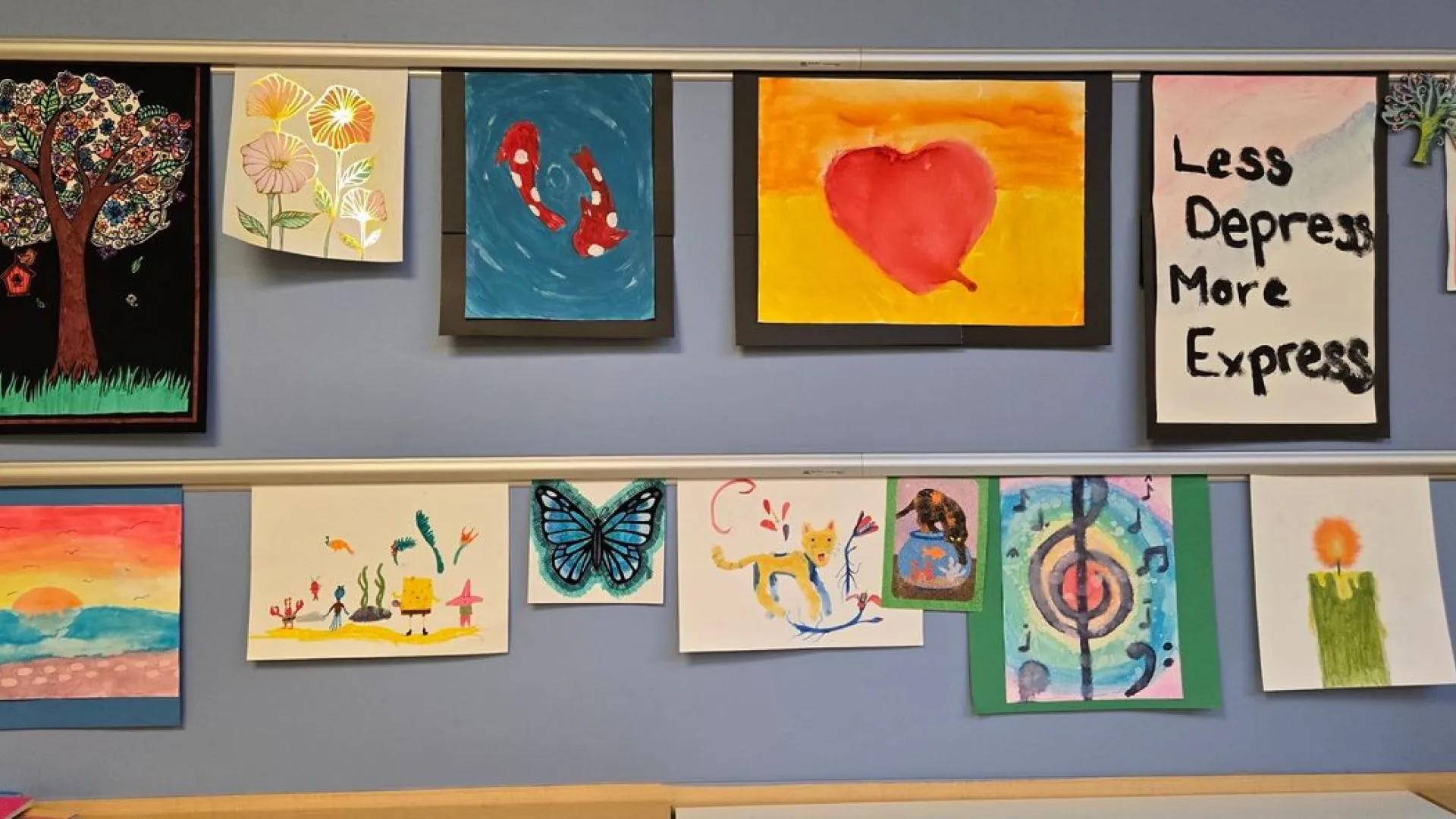
A number of human-made art pieces with colorful, positive messages

Leading Psychiatry Care & Research

For more than 100 years, the Department of Psychiatry at U-M Medical School has been a leader in treating mental health disorders and advancing research in psychiatry. We provide both inpatient and outpatient clinical services. Our multidisciplinary team of healthcare professionals brings their diverse expertise to support patients during critical times of psychiatric need.

We aim to lead mental and behavioral health advancements by integrating research, clinical care and education to promote well-being for individuals, families and communities.

Are you a patient or caregiver?

Psychiatry Information for Patients

In a mental health emergency, call or text 988 to reach the national suicide & crisis lifeline

About

Learn more about the Department of Psychiatry's history, lectureships and faculty recruitment.

Programs

Our Psychiatry Programs advance mental and behavioral health through innovation, education and exceptional care.

Research

Multidisciplinary research advancing mental health through collaboration, discovery and training.

Education

We offer a wide range of multidisciplinary training experiences, led by specialty leaders.

Patient Care

We provide inpatient, outpatient and partial hospitalization clinical services, supporting patients during critical periods of psychiatric need.

People

A broad spectrum of experts guides our clinical, research and educational programs on the path to excellence.

Our Mission & Vision

Our mission is to advance mental and behavioral health and well-being through compassionate care, innovative research and transformative education. We envision a world where every individual can thrive mentally and emotionally, supported by accessible, evidence-based care and a community dedicated to well-being.
A group of people holding signs supporting mental health

Your Gift is invaluable

Philanthropy makes a significant contribution toward a wide range of clinical, research, and educational opportunities here in Psychiatry. We rely on supporters like you who make a vital impact on our mission to transform lives every day.
Learn more and contribute today
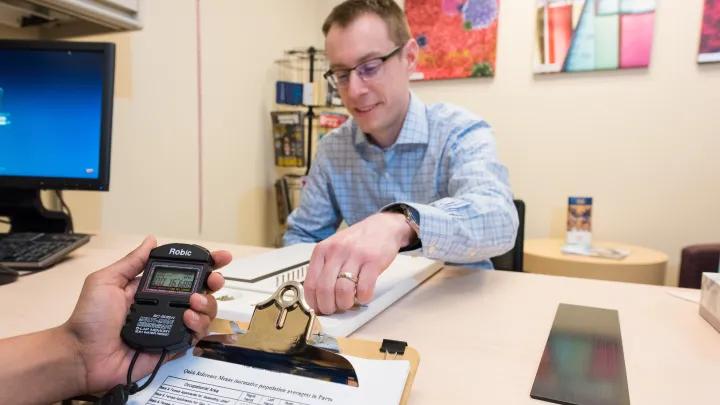
A person working with testing equipment

Get Involved in Research

We need you to partner with our researchers. Research is critical to increasing our knowledge of mental illness and addiction. Our research depends upon the involvement of research volunteers living with a mental health condition and/or healthy people.

  • Participate in research opportunities
  • Person with headphones watching a laptop screen
    Spotlight On

    Webinars & Podcasts

    Tune in for practical tips from our mental health experts and lived experience individuals.

    Featured News & Stories

    See all news
    Health Lab Podcast in brackets with a background with a dark blue translucent layers over cells
    Health Lab Podcast

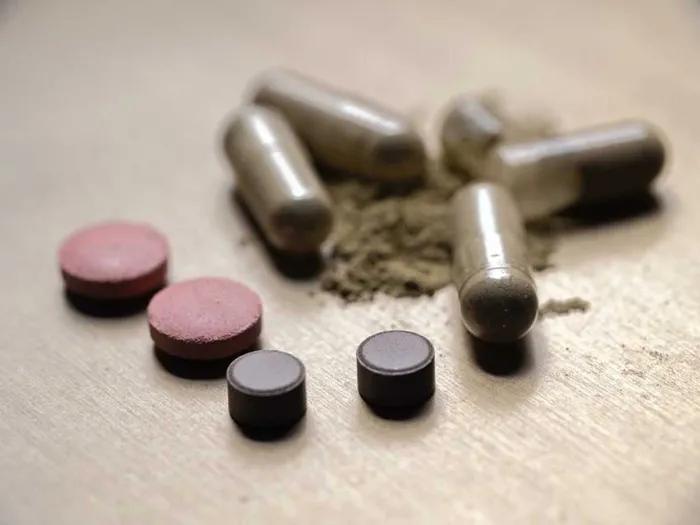
    7-OH, kratom and the emerging public health crisis for sale across the country

    A patient, his doctor and other experts warn of dangers of 7-OH, which is touted as a derivative of kratom and is widely available, but packs far more opioid danger.
    female pediatric physician checks heart rate of young boy
    Department News

    Joanna Quigley, M.D., quoted in Psychiatric News story

    Boosting Care and Pediatric Residency Training in Mental Health
    UMich Med Mosaic on blue background with colorful geometric shapes
    UMich Med Mosaic

    Beyond the White Coat: Finding Your Voice at the Patient’s Bedside

    In this episode of UMich Med Mosaic, host Mackenzie Kay speaks with MD students Josh Chen and Gabriel Culian about what it feels like to step onto the hospital wards for the first time. They reflect on their earliest patient encounters, the transition from standardized patients to real clinical settings, and the role medical students play in building trust, explaining care plans and supporting patients and families. They also discuss witnessing serious illness, grief and life-changing conversations, while exploring how early clinical experiences shape confidence, empathy and the kind of physicians they hope to become.
    lights of different colors in a circular pattern
    Department News

    Dr. Steve Taylor penned the op-ed for the U-M VP of Research's Michigan Research newsletter's May edition

    AI and mental health: Promises and peril
    Carme Harrison working an info table
    Department News

    A Day in the Life: Carmen Harrison

    Carmen Harrison is a Community Engagement and Outreach professional with the Department of Psychiatry.
    a contact sheet of various brain scans shown at an angle
    Department News

    Psychiatry experts' research highlighted in U-M VP of Research's Michigan Research newsletter

    The newsletter featured research by Drs. Amy Bohnert and Srijan Sen; Mark Ilgen; and Mary Heitzeg and Chandra Sripada
    Health Lab

    AI chatbots spark mental health concerns, including psychosis risk

    Artificial intelligence-driven AI chatbots have been linked to cases of suicide, delusions, psychosis and mental health issues. Three experts from Michigan Medicine explain what’s known and how to respond.
    Graphic for the Prechter Bipolar Research Program’s “Inside the Study” webinar on BD² bipolar disorder research.
    Research News

    Watch the Prechter Program's "Inside the Study" webinar now, later, and again

    Watch the Prechter Program’s Inside the Study webinar on the BD²: Breakthrough Discoveries for Bipolar Disorder research study, participation, early findings, and care advances across the BD² Integrated Network.
    Emily Bilek ERP Training
    Department News

    Facing Your Own Fears First: Training Clinicians to Deliver the Anxiety Treatment They've Been Avoiding

    As a participant in Cohort 5 of the RISE Innovator Development Program, Emily Bilek developed and piloted an experiential training curriculum. The goal of the curriculum is to build clinician confidence and competence in delivering exposure therapy to youth with anxiety and OCD. The approach is as intuitive as it is novel: to truly understand exposure therapy, clinicians experience it themselves.

    Psychiatry Internal Website

    Resources and information for current Department of Psychiatry faculty, staff and learners.

    Psychiatry Intranet