-
Addiction Center -
Adult Anxiety Disorders -
Child OCD & Anxiety Disorders -
Geriatric Psychiatry -
Mental Health Innovation Services & Outcomes -
Mood Disorders Lab -
Interventional Psychiatry -
Neuropsychology -
Program for Risk Evaluation & Prevention -
Sleep & Circadian Rhythms -
Women & Infants Mental Health -
Youth & Young Adult Depression & Suicide Prevention -
Youth Suicide Prevention Initiative
Interventional Psychiatry
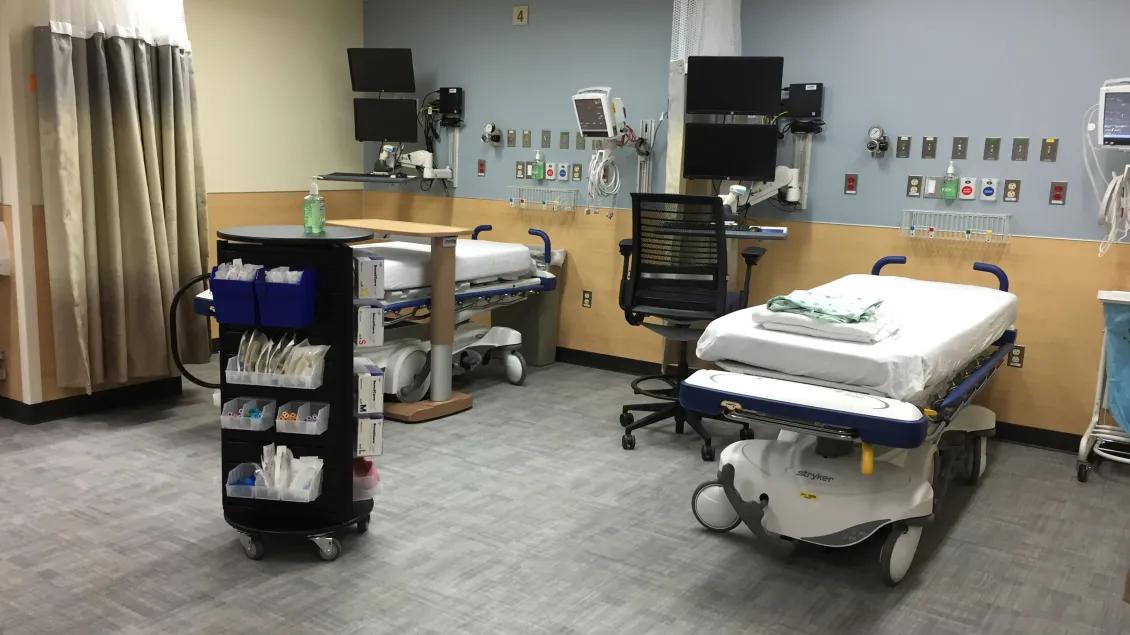
Innovative Treatments
Our researchers are dedicated to advancing the field of interventional psychiatry.
Education
The U-M Medical School Department of Psychiatry is committed to educating clinicians, trainees, patients, and families about neuromodulation therapies. By sharing up-to-date research findings and clinical advancements, we help raise awareness and understanding of these innovative treatments, their appropriate use, and the science supporting their effectiveness.
Training opportunities are available for healthcare professionals interested in gaining practical experience with neuromodulation therapies and learning about patient selection and outcome optimization.
Patient Care
We emphasize both effectiveness and safety, integrating innovative treatments with compassionate clinical care to address the needs of individuals who have not responded to standard therapies. Our clinicians use different interventional approaches for patients with severe and treatment-resistant psychiatric conditions. Those include ECT (electroconvulsive therapy), TMS (transcranial magnetic stimulation), and ketamine / esketamine (ketamine is given via an IV; esketamine is given as an intra-nasal spray).
Interventional approaches that are still in development include DCS (direct current stimulation), specific digital tools (specialized apps for depression), and psychedelic agents (such as psilocybin).
Together, these interventions offer new approaches to treatment beyond traditional psychotherapy and antidepressant medication.
Research
Our researchers are dedicated to advancing the science of neuromodulation, which involves innovative treatments that use electrical or magnetic currents to directly influence brain activity in individuals with severe psychiatric disorders. While traditional psychiatric approaches have focused on medications that alter chemical messengers in the brain, this research explores how targeted brain stimulation may offer new hope for those with conditions that are resistant to conventional treatments.
Our faculty conduct research on several brain stimulation therapies to enhance care for individuals with severe psychiatric illness. Through multidisciplinary collaboration, our experts are working to expand the understanding of brain stimulation technologies and improve care for patients with severe psychiatric disorders.
- The Electroconvulsive Therapy (ECT) program studies predictors of treatment response—such as sleep and stress hormone patterns—to optimize outcomes, safety, and patient selection for this highly effective and rapidly acting therapy.
- The Ketamine program administers both IV ketamine via infusions, or intra-nasal esketamine (Spravato), for the treatment of depression and related disorders, with a research focus on clinical efficacy and the development of biomarkers of response to treatment.
- Researchers have also advanced Transcranial Magnetic Stimulation (TMS) as a noninvasive method that uses magnetic fields to influence brain activity, with ongoing studies examining its optimal use for depression that does not respond to standard treatments.
Support Psychiatry
Your gift will change and save lives and transform the future of mental health care.
Program Leadership
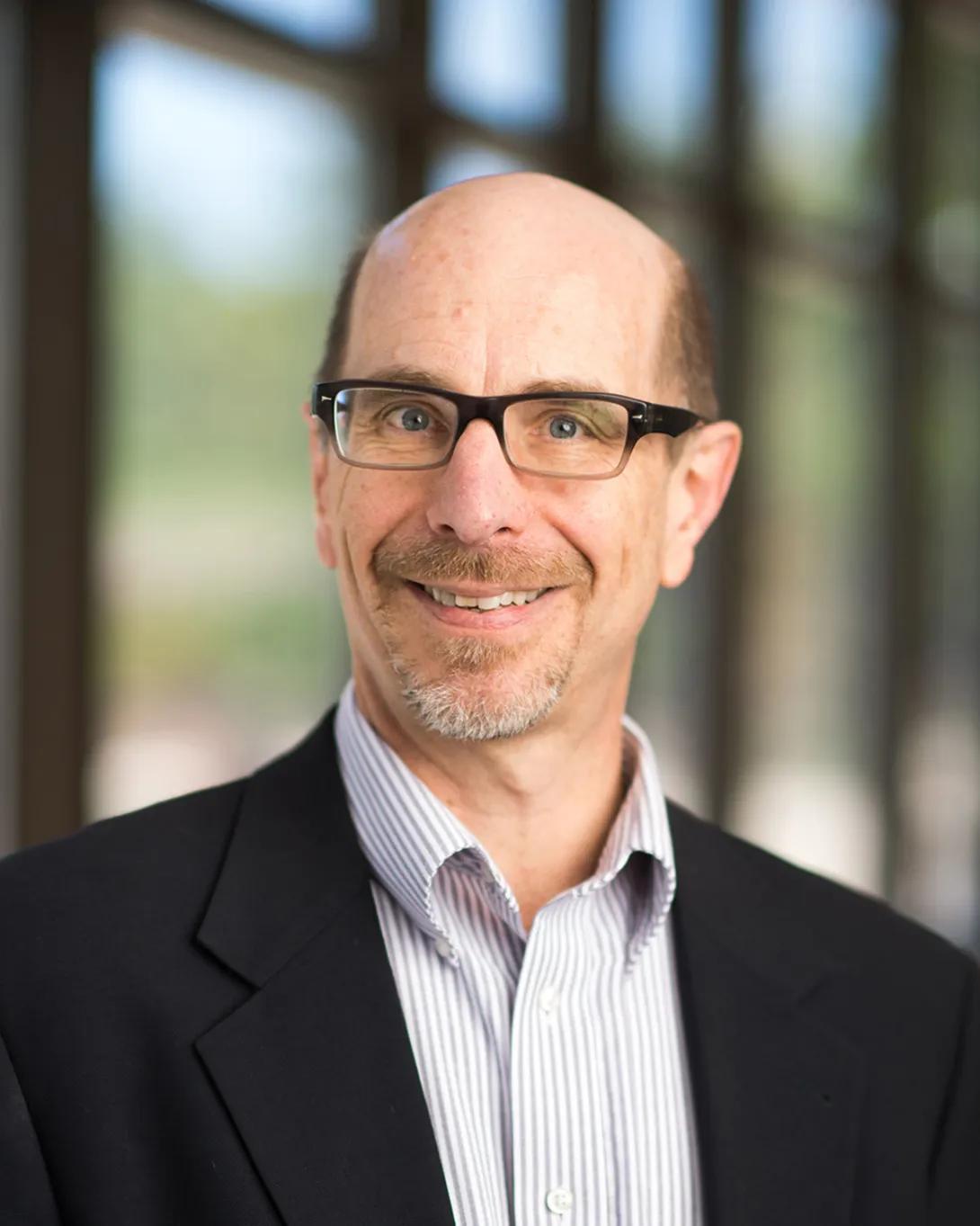
Stephan F Taylor
Professor of Psychiatry
Chair, Department of Psychiatry
Assistant Medical/Clinical Director, Psychiatry
Medical School
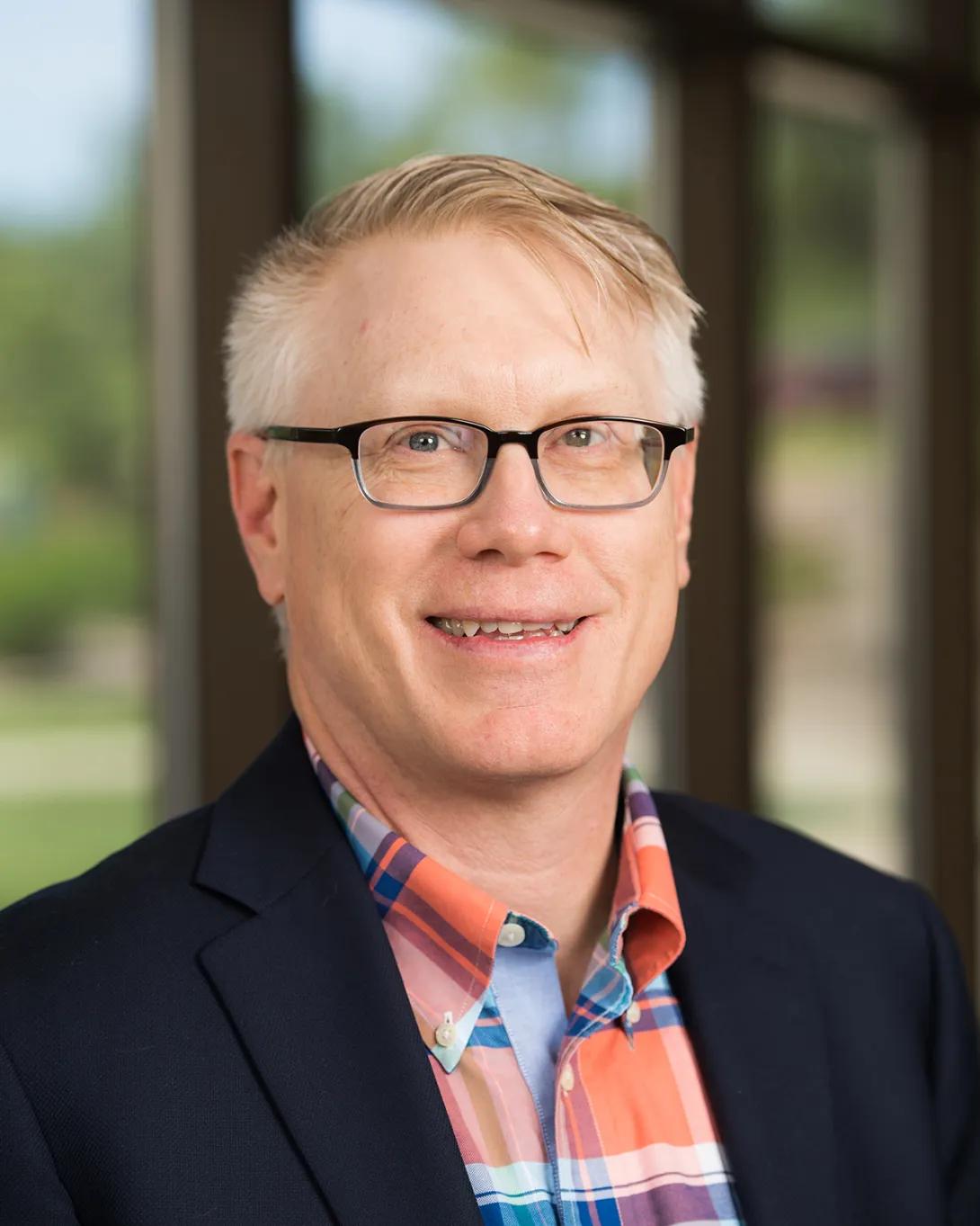
Daniel F Maixner
Medical School
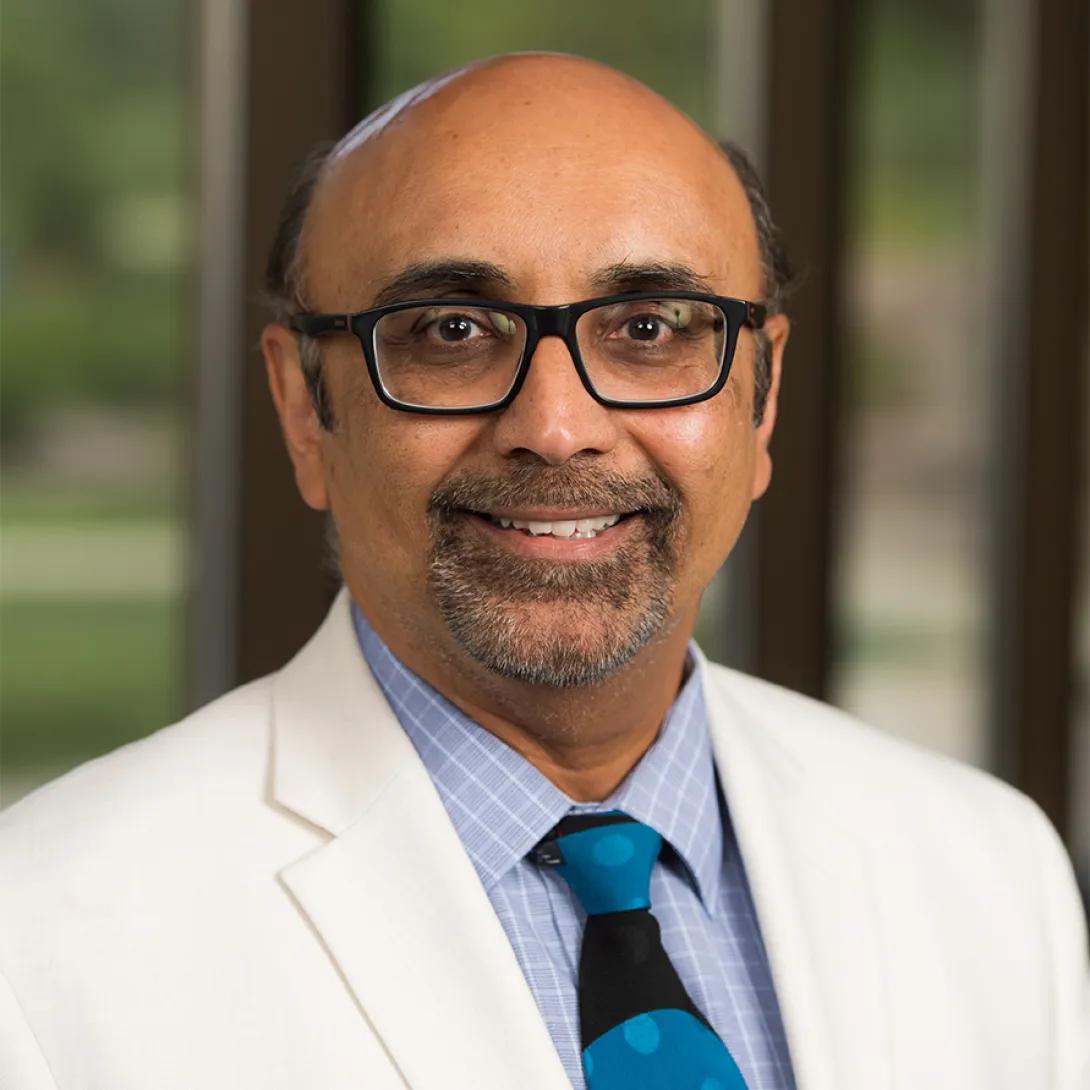
Sagar V Parikh, MD, FRCPC
Professor of Psychiatry and Program Director
Unipolar
Psychiatry
Medical School
Featured News & Stories

Many older adults make Medicare decisions quickly and most don’t change plans, poll finds
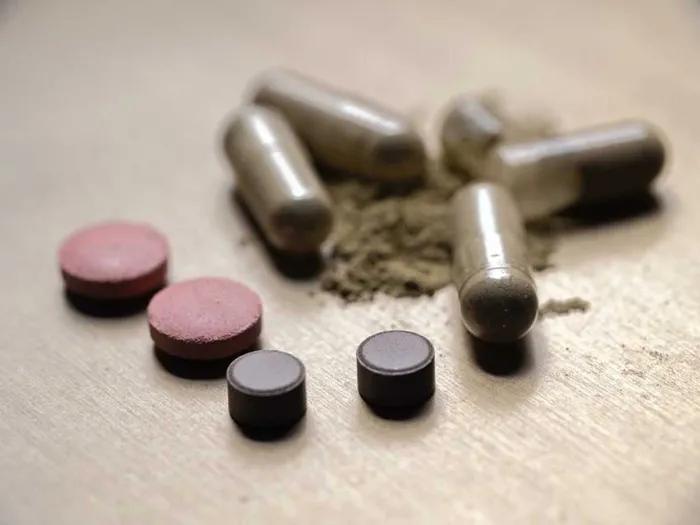
What’s the latest on 7-OH and kratom availability and addiction care?
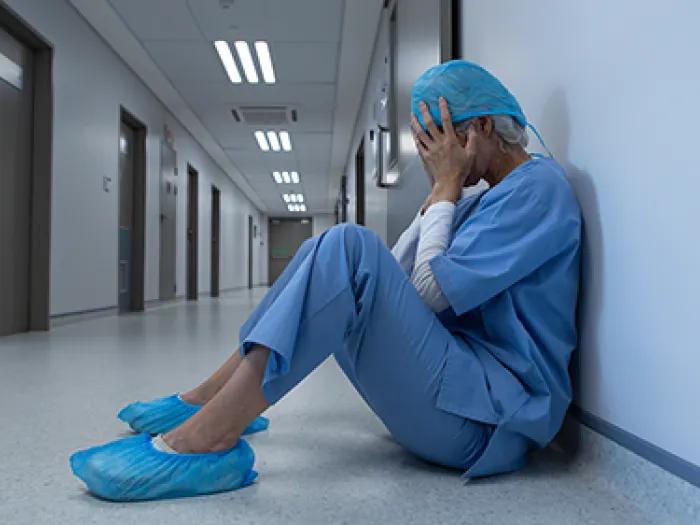
Depression in OBGYN residents needs more attention, study suggests
Youth Suicide Prevention Initiative Fall 2026 Newsletter

Emily Kautz, M.A., nominated for inaugural Michigan Medicine award