Neurology Research

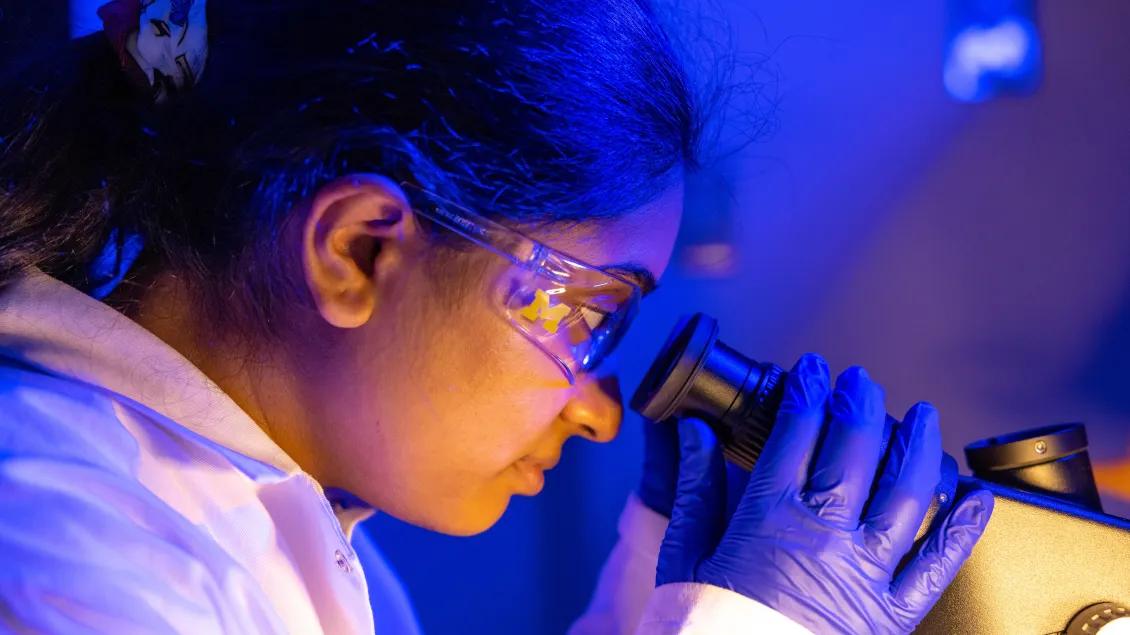
Zoomed in view of scientist looking through microscope

Explore & Expand the Science of Neurology

Delve deeper into disorders of the nervous system with world-renowned research programs changing what we know about these diseases and the lives of those affected.

Where Research Changes Lives

The U-M Medical School Department of Neurology research programs span the spectrum of neurosciences. Explore basic studies in the pathogenesis of disease, the identification of conditions, patient-oriented disease phenotype studies, the response to novel treatments, epidemiology and health services research related to neurologic disease.

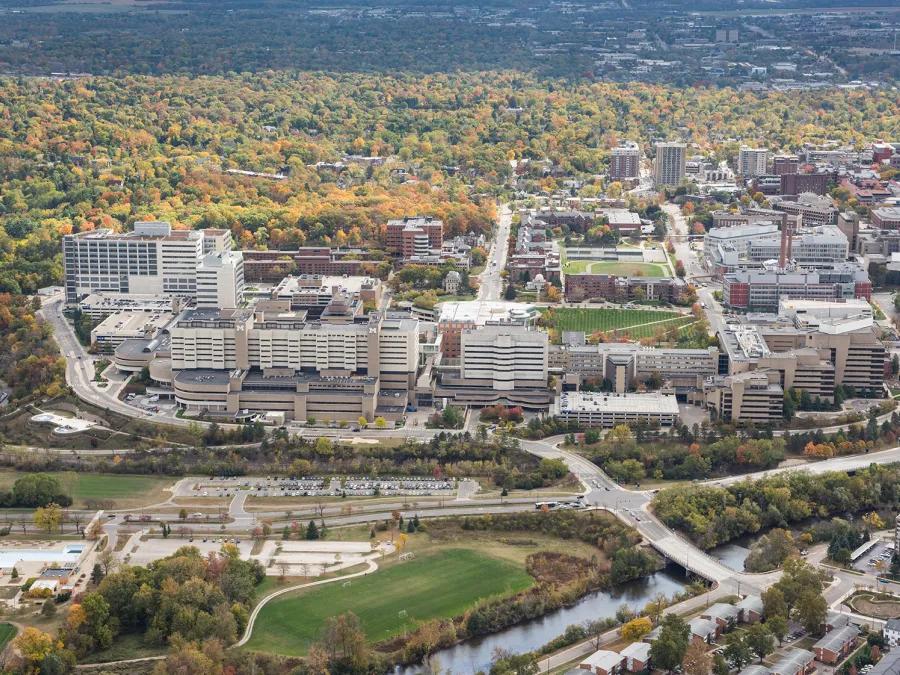
aerial view of the U-M medical campus

Michigan Alzheimer’s Disease Center

We are home to a multi-disciplinary campus-wide effort working toward a better understanding of, and an intervention for, Alzheimer's disease and related dementias.
Learn More About Our Alzheimer’s Disease Center
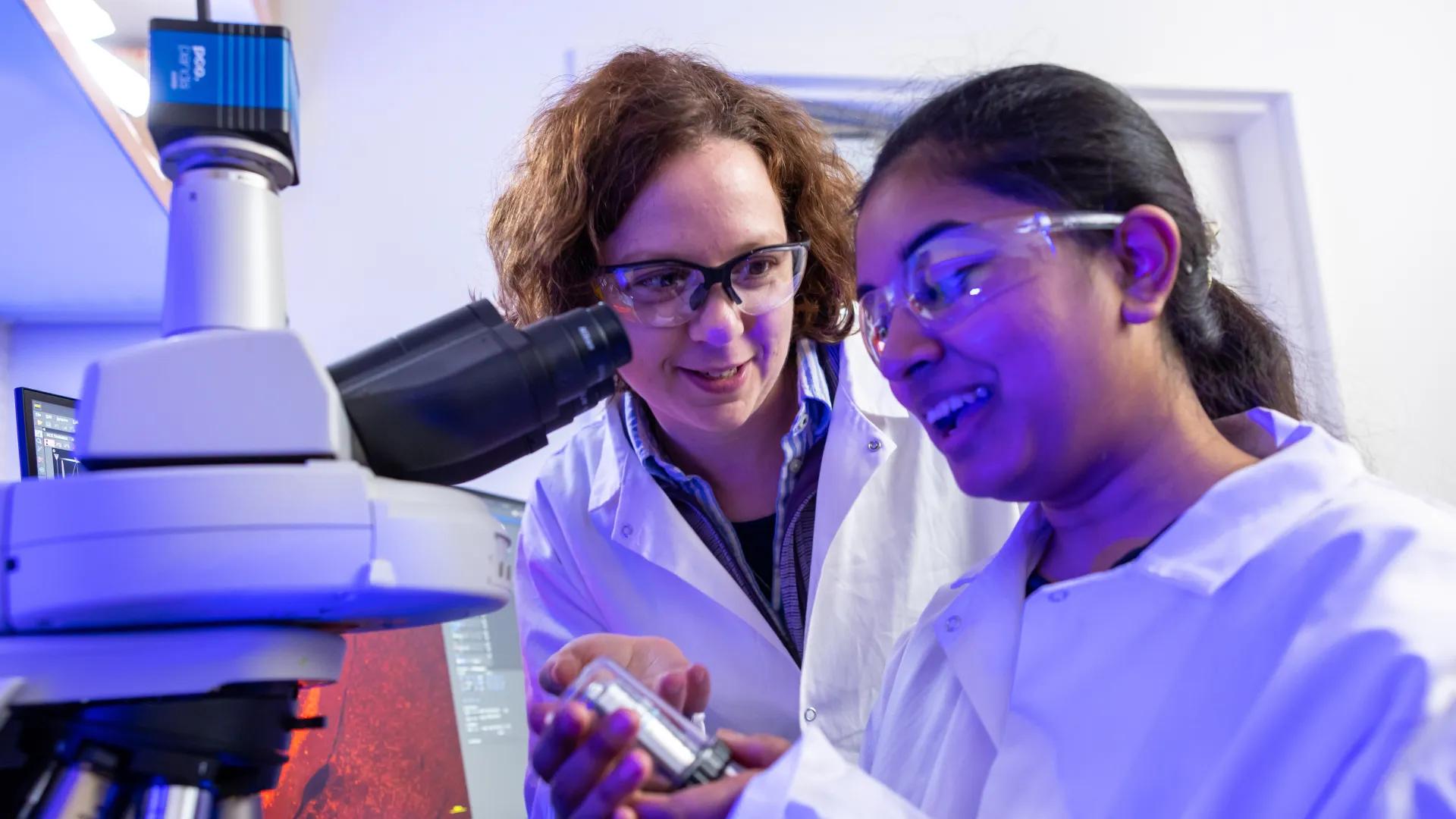
Researcher in Mattis lab looking at lab tools

Neurology Research By the Numbers

200+
Annual Articles in Peer-Reviewed Journals
9th
Nationally in Receiving NIH Funding

Featured News & Stories

See all news
Department News

Wife of man diagnosed with 2 types of dementia recalls first symptoms: 'It wasn't obvious'
New research suggests that mixed dementia is much more common than previously recognized, per the Alzheimer’s Association.
Minding Memory with a microphone and a shadow of a microphone on a blue background
Minding Memory

What Can a Blood Test Really Tell Us About Alzheimer’s Disease?

In this episode, Lauren & Matt talk to Suzanne Schindler MD, PhD. Dr. Schindler is an associate professor of neurology at Washington University in St. Louis. She's a neurologist and a neuroscientist whose laboratory develops and validates blood and cerebral spinal fluid biomarkers for Alzheimer's disease and related dementia. Dr. Schindler talks about the use of biomarkers in Alzheimer's disease and related dementia. Specifically, Dr. Schindler focuses on the rapidly changing research on blood-based biomarkers, including how they detect proteins associated with dementia, how accurate the tests are and their limitations, and how they may ultimately be used to improve diagnosis and treatment.
Department News

Your overnight flight survival guide: Doctors reveal hour-by-hour what to eat, how long you should doze off and which wellness aids are actually worth it
An overnight flight can help you make the most of your holiday time, but actually getting some rest on the plane takes a little planning.
Minding memory above a microphone on a blue background
Minding Memory

Giving Voice to Lived Experience in Dementia Research

In this episode, Lauren & Matt talk to Brenda Roberts and Steven Barbieri from the National Council of Dementia Minds. The National Council of Dementia Minds is the first national not-for-profit organization founded and governed by people living with dementia. Its work focuses on education, advocacy, peer support, and changing public perception of what it means to live with dementia. Brenda and Steven talk about the National Council of Dementia Minds, the importance of peer support and education for people living with dementia. They focus on how better understanding the lived experiences of people living with dementia can help shape research, policy, and advocacy.
Department News

ALS is on the rise, tracking cases could tell us why

Dr. Goutman has seen people living with ALS for 14 years and has cared for more than a thousand people with the disease and the clinic follows close to 300 people.
David Diebold smiles as he rings the bell at the end of the HURT100.
Philanthropy News

Going the extra 100 miles

U-M Medical School student runs the HURT100 ultramarathon to raise funds for the Michigan Alzheimer's Disease Center and the Alzheimer's Association.