
More articles about: Basic Science and Laboratory Research
Health Lab
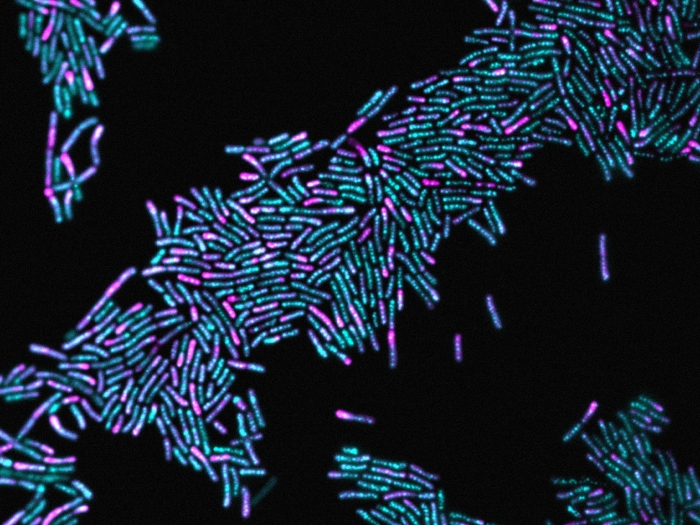
How bacteria surf cargo through the cell
The University of Michigan researchers found some bacteria ship cellular cargo by “surfing” along proteins called ParA/MinD ATPases

Health Lab
Zooming across time and space simultaneously with superresolution to understand how cells divide
A team at the University of Michigan developed a new kind of superresolution imaging that reveals previously unknown features of how cells divide.
Health Lab
High levels of satisfaction, and low levels of regret, after gender affirming mastectomy
Recent research from the University of Michigan finds that in addition to changing lives, most patients are highly satisfied with their decision to undergo surgery long-term.

Health Lab
An adjuvanted intranasal vaccine for COVID-19 protects both young and old mice
A collaborative research effort led by the University of Michigan and the Icahn School of Medicine at Mount Sinai has resulted in a nasal vaccine adjuvant that stops infection in both young and old mice.
Health Lab
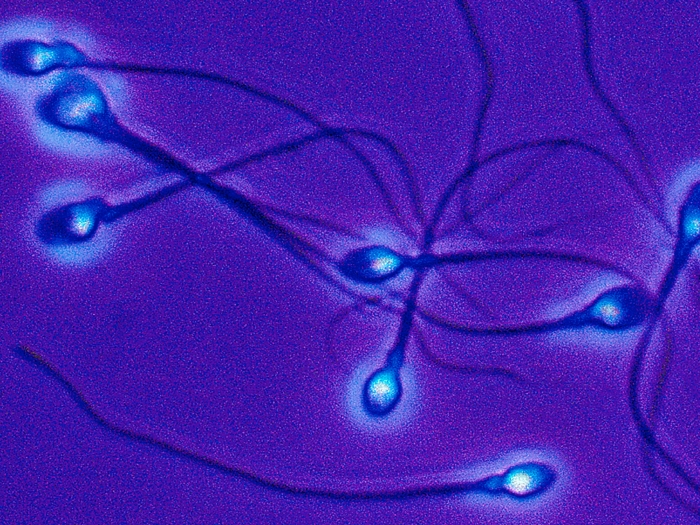
Modifications to amino acids in sperm could be behind infertility
Researchers at the University of Michigan are now delving into the molecular-level details of sperm formation, with a particular focus on how abnormalities in this process might lead to male-factor infertility.

Health Lab
Targeting TAK1 protein to treat systemic sclerosis
Researchers at the University of Michigan Health System have identified a protein that may be a new target for treatment of systemic sclerosis.
Health Lab
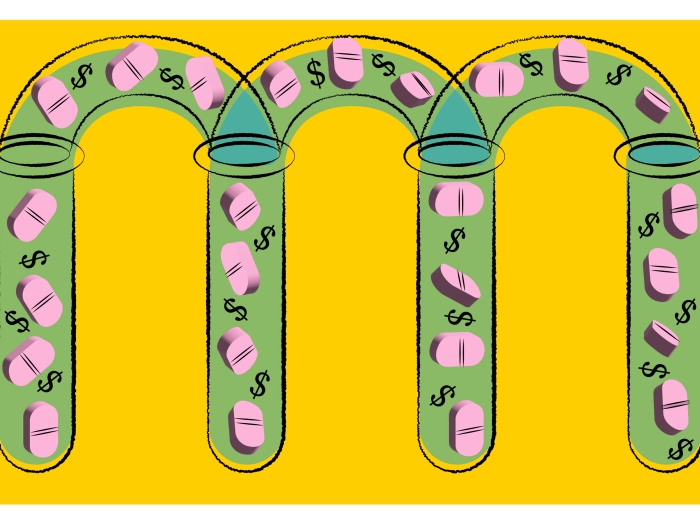
Changing the way immune-based cancer drugs are delivered could reduce costs by 14%
An analysis finds that up to millions of dollars could be saved annually on cancer immunotherapy treatments across the Veterans Health Administration by reconsidering how those drugs are delivered.

Health Lab
How a high-fat diet may alter the gut microbiome and lead to peripheral nerve damage
But Michigan Medicine-led research suggests that the gut microbiome, the trillions of bacteria that live in our guts, may serve as this link between a high-fat diet and metabolic and nerve health.

News Release
Rogel Cancer Center awarded $37M from NCI
The National Cancer Institute has awarded the U-M Rogel Cancer Center a grant worth $37 million over five years and renewed the center’s designation as a “comprehensive cancer center.”
Health Lab
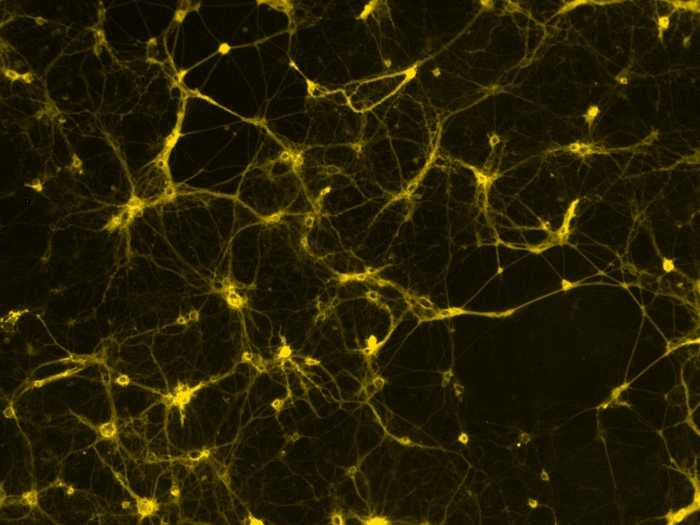
Novel genetic scoring system helps determine ALS disease risk
Research by the University of Michigan finds a newly created polygenic scoring system — one that weighs the combined effects of common genetic variants — can improve the ability to predict an individual’s risk of developing ALS.

Health Lab
How seeing corpses reduces the lifespan of flies
A study led by the University of Michigan Medical School finds a link between death perception and reduced aging in flies.

Health Lab
Research hints at how fungus farming ants keep their gardens healthy
Investigators find that these specific ants sniff out diseased fungus by detecting chemicals called peptaibols.
Health Lab
What turns fungus from friend to foe?
Scientists have wondered whether there are differences in the types of yeast that become pathogenic. A study from the U-M Medical School Department of Microbiology and Immunology finds that the colonizing strains are very similar to pathogenic strains.

Health Lab
A new regulator of innate immunity identified
One of the most important protein complexes in mammals involved in ERAD is called SEL1L-HRD1. Recent research finds that this protein complex helps regulate another critical protein involved in innate immunity, called STING, at the endoplasmic reticulum.

Health Lab
Researchers overcome major barrier in artificial placenta research
Michigan Medicine researchers spearhead an innovative strategy allowing an artificial circuit to safely support premature sheep without anticoagulation, overcoming a major barrier in artificial placenta research.
