
More articles about: Basic Science and Laboratory Research

Health Lab
How a gene for obesity affects the brain
How a gene for obesity affects the brain: The discovery could lead to new treatments for metabolic diseases with fewer side effects
Health Lab
Researchers find common immune system mechanism between pregnancy, cancer
Researchers find common immune system mechanism between pregnancy, cancer
Health Lab
Creating supranormal hearing in mice
A study from Michigan's Kresge Hearing Research Institute produced supranormal hearing in mice, while also supporting a hypothesis on the cause of hidden hearing loss in people.
Health Lab
Circadian rhythm drives the release of important immune cells
A study shows circadian rhythm drives the release of important immune cells in the body.
Health Lab
Can preventing inflammation improve heart and brain health?
Michigan Medicine research study aims to address inflammation’s role in diseases of the heart and brain.

Medical School News
Labs go platinum: Research teams record efforts to achieve sustainability certification
Many Michigan Medicine labs are taking time to ensure that they are doing their part to support the Medical School’s major initiatives, including the push for carbon neutrality.
Health Lab
Studies uncover the critical role of sleep in the formation of memories
Two new studies from University of Michigan reveal what's happening inside the brain during sleep and sleep deprivation to help or harm the formation of memories.

Philanthropy News
$5M legacy gift awarded to the U-M Department of Microbiology and Immunology for virology research
Howard B. Urnovitz, Ph.D., an alumnus of the University of Michigan (B.S. ’74; M.S., ’75; Ph.D., ’79), has committed $5 million in his estate plan to the University of Michigan Department of Microbiology and Immunology for the research and development of life-changing therapies to advance understanding of how viruses interact with their host’s inherited genes. The gift will establish the Dr. William H. Murphy Professorship and support early-career faculty in their pursuit of transformative science.
Health Lab
New drug could help those with CAH reduce the use of corticosteroids
Michigan Medicine researchers discover that a new drug could help those with CAH, or congenital adrenal hyperplasia, reduce the use of corticosteroids.
Health Lab
Uncovering mysteries of the developing brain
The ABCD study, a long-term study of the brains of thousands of young people from preteen to late teen years, is revealing important insights into behavior and mental health.
Health Lab
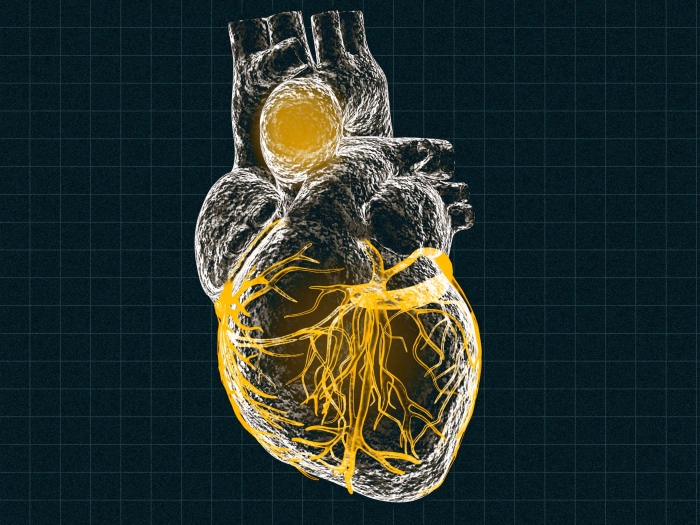
Researchers create human aortic aneurysm model to advance disease understanding, treatment testing
Using human cells in an animal body, a team of researchers has developed a functional model of thoracic aortic aneurysm, creating opportunities for more effective understanding of disease development and treatments for the potentially fatal condition.
Health Lab
Too much iron can cause big problems for the immune system
A study builds on previous work that found depriving T cells of iron prevented cells from proliferating. The current study, published in PNAS, found that excess iron is just as problematic.

Health Lab
How E. coli get the power to cause urinary tract infections
Research published in PNAS examines how the bacteria Escherichia coli, or E. coli—responsible for most UTIs—is able to use host nutrients to reproduce at an extraordinarily rapid pace during infection despite the near sterile environment of fresh urine.
Health Lab
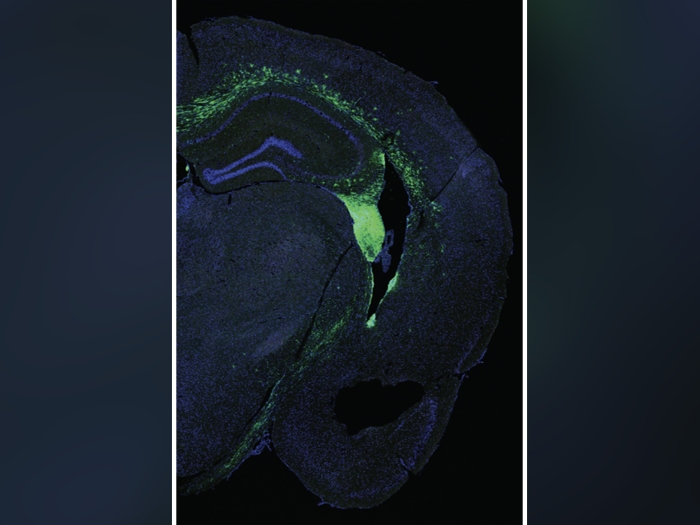
Stem cells improve memory, reduce inflammation in Alzheimer’s mouse brains
Researchers improved memory and reduced neuroinflammation in a mouse model of Alzheimer’s Disease, suggesting another avenue for potential treatment.
Health Lab
Helpful enzymes vanish in many patients with antiphospholipid syndrome
Researchers recently revealed a new mechanism behind antiphospholipid syndrome that the investigators hope will eventually allow treatments to be targeted closer to the source of the problem.
