
More articles about: Basic Science and Laboratory Research
Health Lab
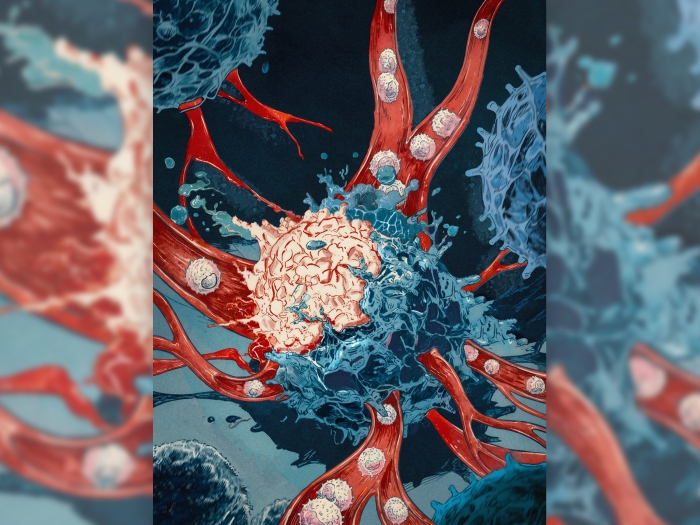
Vascular STING activation facilitates natural killer cell anti-tumor immunity in small cell lung cancer
Research finds vascular STING activation facilitates NK cell anti-tumor immunity in small cell lung cancer.
Health Lab
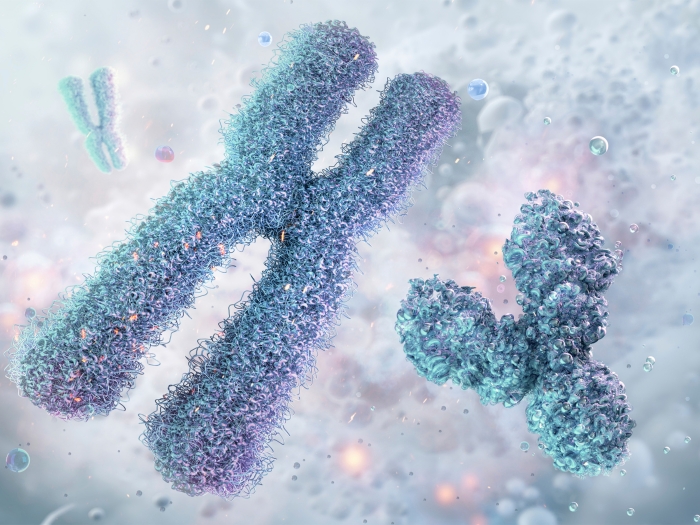
The Y chromosome is home to surprising jumping genes
Researchers at Michigan Medicine are studying deer mice to outline how the Y chromosome defends itself against decay by acquiring gene families while holding its own to maintain fertility.
Health Lab
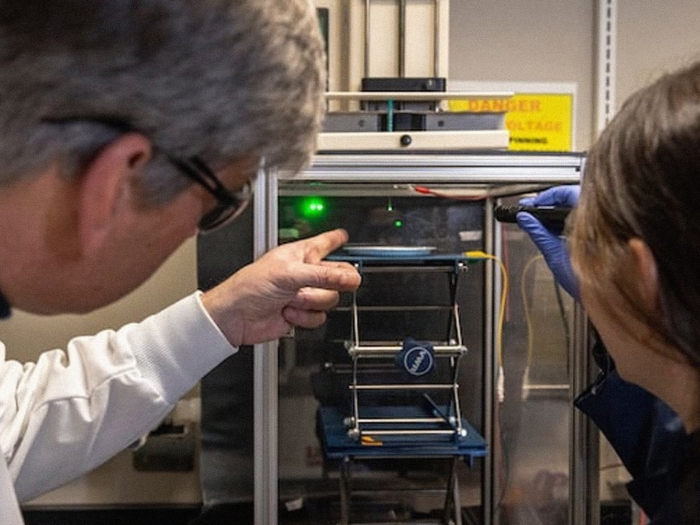
Nanoparticles genetically modify several human cell types
In a demonstration that helps pave the way for gene therapies with fewer side effects, several human cell types were genetically modified with protein nanoparticles designed at University of Michigan Engineering and Michigan Medicine.
Health Lab
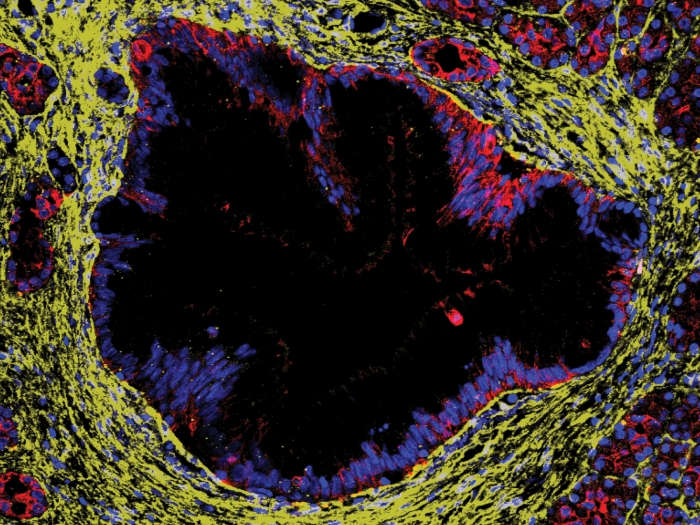
Study sheds light on how early pancreas lesions become cancerous
Why many precursor lesions never develop into pancreatic cancer, according to findings from Michigan Medicine.

Health Lab
Supplementing with peptides: Good for extra pep or a needless step?
Health Lab talks to Jorge Ruas, Ph.D., of the U-M Department of Pharmacology, about peptides, how they work and whether supplementing them lends any benefit.
Health Lab
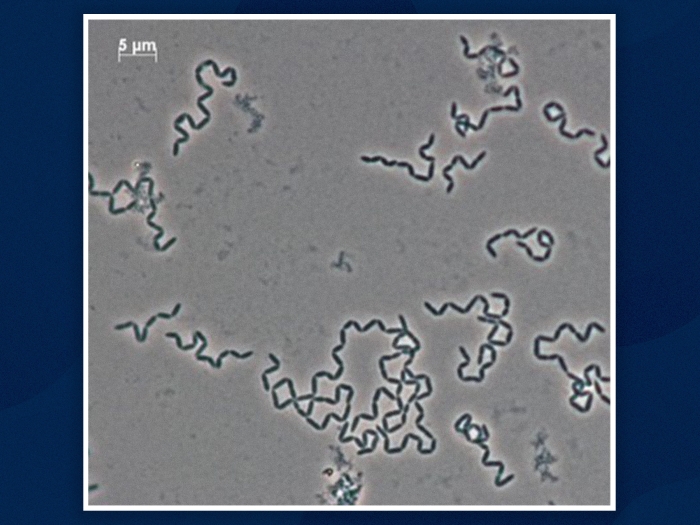
Your gut is home to an entire ecosystem, and scientists are finding new residents
There is an entire ecosystem living in your gut, and researchers want to identify each microorganism that makes up this community. University of Michigan researchers recently found–and named– a previously unknown resident.

Health Lab
New study reveals a missing step in a weight control pathway that could be targeted for obesity treatment
New research led by Liangyou Rui, Ph.D., of the Department of Molecular & Integrative Physiology at the University of Michigan Medical School outlines a missing step in one of these alternative pathways, an important discovery in the fight against obesity.

Health Lab
New study hints at cause of pachyonychia congenita and a long-awaited potential treatment
New University of Michigan-led offers much needed answers about a specific protein, called keratin 16 (K16), implicated in pachyonychia congenita and other skin conditions.

News Release
A gene discovery that changed cystic fibrosis care, and genetic research, forever
Modern cystic fibrosis care at U-M Health includes medication based on genetic discoveries as well as many other options

Department News
Barsan Day Highlights Emergency Medicine Research and Innovation
From artificial intelligence and cardiac arrest innovation to national clinical trials and education research, the University of Michigan Department of Emergency Medicine’s annual Barsan Research Day showcased the research shaping the future of emergency care.

Health Lab
New study hints at the cause of a painful skin condition—and at a long-awaited potential treatment
New University of Michigan-led research from the lab of Pierre Coulombe, Ph.D. offers much needed answers about a specific protein, called keratin 16 (K16), implicated in pachyonychia congenita (PC) and other skin conditions.

News Release
A night of two national titles for U-M, as scientists and basketball players both triumph
On the same night that the U-M men's basketball team triumphed in the NCAA tournament, U-M cardiovascular researchers won a national tournament of science
Health Lab
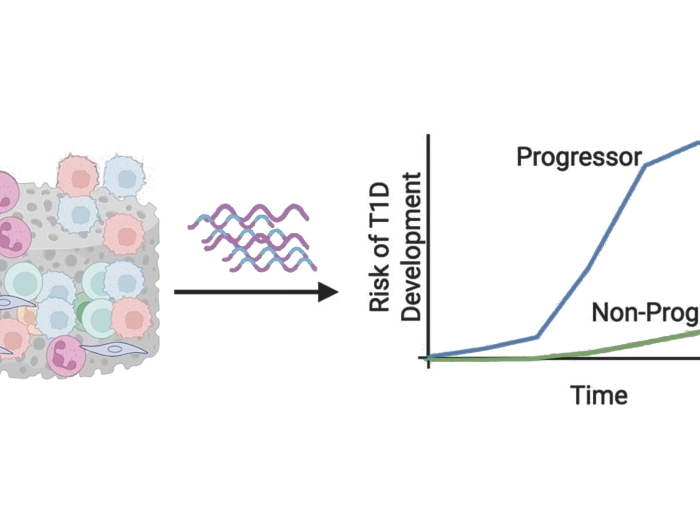
New hope for early diabetes detection
The research offers an actionable monitoring method that may guide the administration of current and emerging therapeutics more effectively than the current diagnostics that only assess disease risk or detect disease after destruction of insulin producing cells.

News Release
Milestones in the history of women in medicine and biomedical science at U-M
While their path was not smooth, faces and names from the past and present show the power of persistence

Health Lab
Glucose drives STAT3 activation in colorectal cancer cells, leading to tumor growth
University of Michigan researchers have shown that glucose levels sustain the increased STAT3 activation in colorectal cancer cells. Their findings suggest that targeting glucose metabolism could inhibit STAT3, leading to novel therapeutic strategies.
