
Cancer Research Summer Internship Program (CaRSIP)
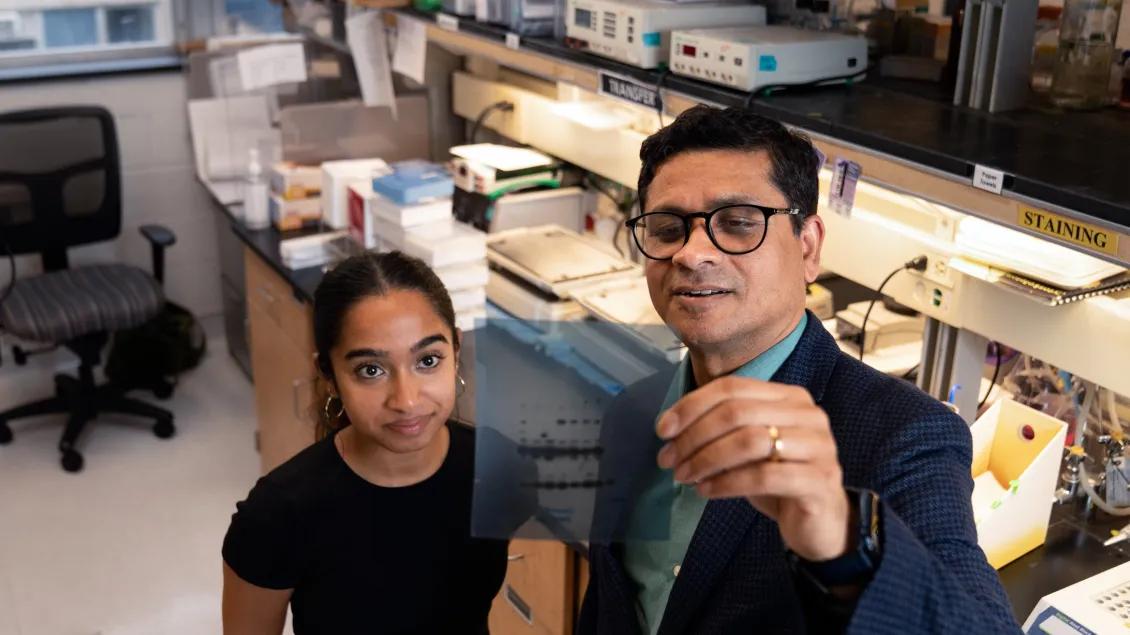
The U-M Medical School's Cancer Research Summer Internship Program (CaRSIP) is a 10-week immersive experience designed for highly motivated undergraduates interested in cancer research. Interns are paired with faculty mentors and engage in cutting-edge cancer biology research, while also participating in seminars, professional development workshops, and a research symposium.
This program specifically supports students interested in pursuing a PhD or MD/PhD in cancer research, offering in-depth scientific training, networking opportunities, and firsthand exposure to the dynamic graduate academic environment at Michigan. It serves as a strong foundation for future leaders in cancer research and biomedical science.
For More Information
Program Overview
The Cancer Research Summer Internship Program (CaRSIP) gives learners the chance to dive into cancer research while building skills for their future. Over the summer, you’ll work on real projects with faculty mentors, attend workshops and research talks, and connect with peers through social and community events.
CaRSIP is designed to help you explore your interests, gain hands-on experience, and discover what a career in science and medicine can look like.
How to Apply
Apply online starting December 1, 2027.
Applications are due January 25, 2027 and will include eligibility information, questions about your interest in cancer research, research experience, and research goals and an unofficial transcript. Two letters of recommendation are required, which should comment on your motivation and potential for the research program.
Application Requirements & Eligibility
As part of the application process, students will be required to submit the following information:
- Eligibility information
- Undergraduate institution information, including a copy of your current unofficial transcript
- Updated Curriculum Vitae (CV)
- Two letters of recommendation
- Questions about research interests, experience, and goals:
- Please share why you are interested in CaRSIP (e.g., what motivates you to do cancer research, why are you passionate about a career in cancer research, etc.)?
- Please describe how your prior experience in research positions you will for a spot in CaRSIP (e.g., your prior laboratory experience, your classroom laboratory experience, other work or research experience)?
- Tell us about any research experience you've had so far (it doesn't need to be related to cancer) and what areas of research interest you in the future. How do your interests connect with the work happening at the Rogel Cancer Center? Look at specific labs or mentors at the Rogel Cancer Center you find interesting and explain why. (Please note, naming a lab or mentor does not guarantee placement, but it helps us understand your interests. You can use the Rogel Cancer Center Member Directory to explore.)
- Applicants must be U.S. citizens, permanent residents, or currently enrolled as a full-time undergraduate student within the U.S. and have, or be able to obtain, a visa that allows you to work in the U.S. and/or a valid EAD card*
- Applicants must have maintained a grade point average (GPA) of 3.0 or higher
- Applicants must be able to devote 10 weeks (May 19 to July 28, 2027) to full-time research in the lab and cannot be concurrently enrolled in courses
- Applicants must be registered as a full-time sophomore or junior in college or a university. The expectation is that applicants will be rising juniors or seniors in the summer of 2027 and not scheduled to graduate before December 2026
- Students who have previously participated in CaRSIP are not eligible to reapply.
If applicants submit an incomplete application or do not meet the eligibility criteria listed above, their application will not be reviewed.
*If you are currently enrolled as a full-time undergraduate student in the United States and have, or are able to obtain, a visa that allows you to work in the United States and/or a valid EAD card, you are eligible to apply pending you meet the other eligibility criteria listed above. CaRSIP does not provide administrative assistance to obtain a visa, nor do we provide funds for visa costs –please consider these costs before applying. More information about visas and eligibility for employment can be found on the University of Michigan International Center's website. Documents proving your visa status will be required for you to be able to accept the award and for you to participate in CaRSIP if you are ultimately chosen for a fellowship position. Please connect with your home school's international center for more details.
Program Goals & Research Pathways
Program Goals
Through the program, CaRSIP participants will:
- Engage in hands-on cancer research projects designed and supervised by faculty and lab mentors
- Attend biweekly research talks to gain firsthand insight into the cutting-edge research being conducted by Cancer Biology trainees
- Participate in professional development workshops designed to strengthen scientific communication skills
- Present their summer research at the CaRSIP Symposium, gaining valuable experience in communicating scientific findings to faculty, peers, and research professionals
- Have an opportunity to participate in social events with the CaRSIP cohort and current Cancer Biology students
Research Settings
As a summer scholar with CaRSIP, you'll have the opportunity to work in a research environment that matches your interests and goals. Our mentors represent a wide range of disciplines, and you can choose the type of lab experience that excites you most:
- Basic Science (Wet Lab): Get hands-on experience conducting experiments with cells, tissues, or biomolecules. You'll learn laboratory techniques and explore the biological mechanisms that drive cancer and other diseases.
- Cancer Control & Population Sciences (Dry Lab): Drive into the data side of research by working with large datasets, statistical models, or computer simulations. You'll gain skills in data analysis and help uncover trends that inform prevention, treatment, and health policy.
Both paths provide valuable skills and mentorship.
Participant Support
- Mentoring and supervision by a full-time faculty member of the Rogel Cancer Center
- Exposure to cancer research through direct participation in laboratory and research activities
- Opportunities to work with physician-scientists, biologists, and other research professionals
- $5,500 stipend paid in three installments and a $500 travel stipend
- Note, the program may be able to offer additional travel stipend funds based on demonstrated financial need, which applicants can indicate in the application.
Campus Life
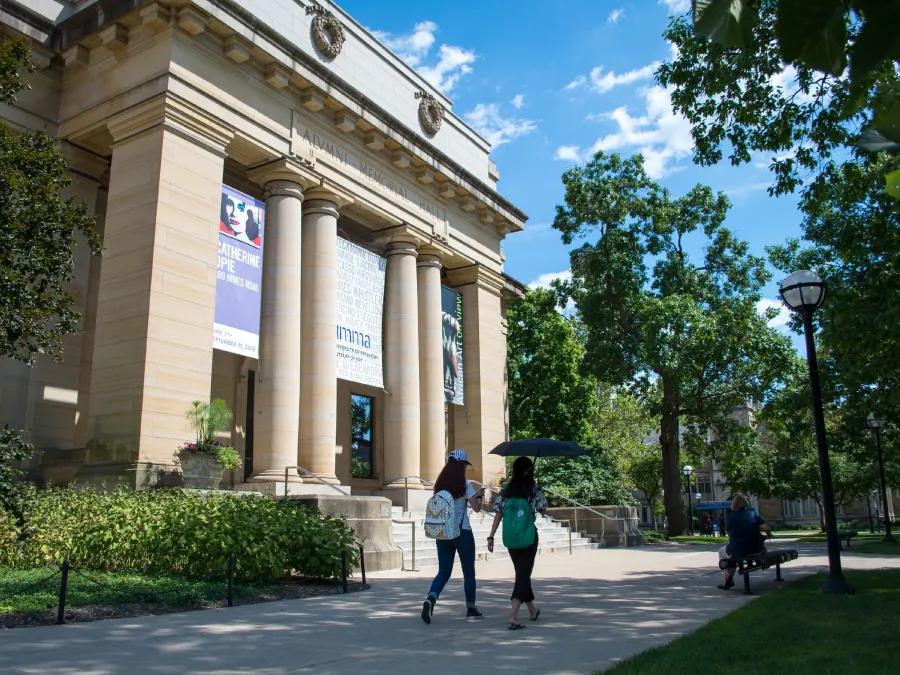
As part of the University of Michigan community, you'll have access to many resources and services on one of the top campuses in the world. From sports and fitness to academic support, here's a quick peek into what campus life is like.
