
Neurocritical Care Fellowship
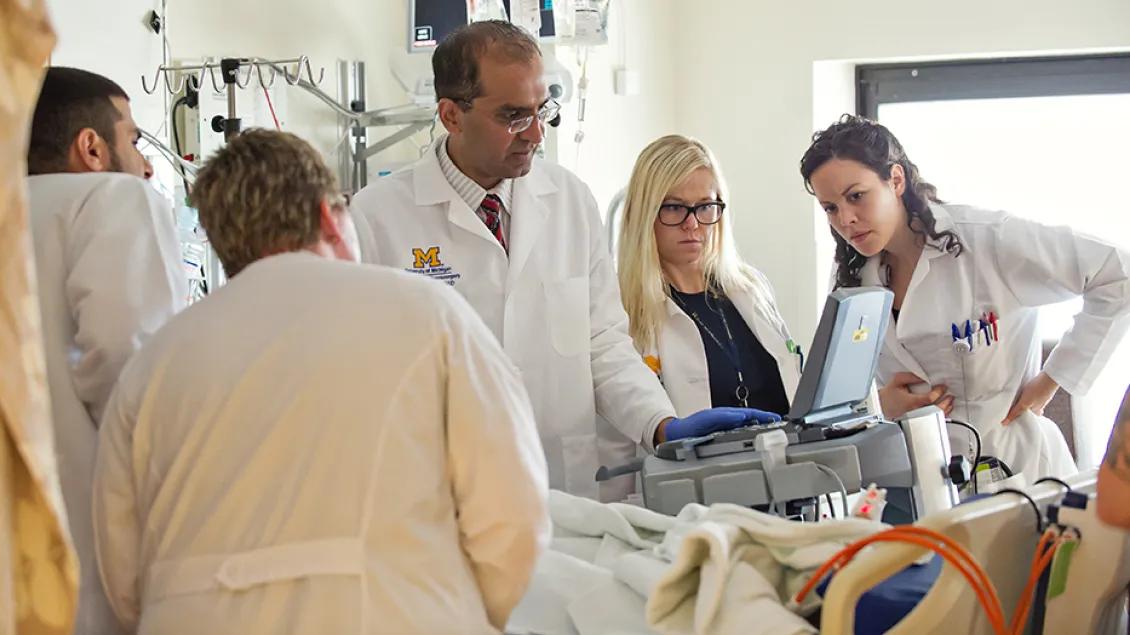
The U-M Medical School Department of Neurosurgery offers ACGME accredited fellowship training in neurocritical care. One position is offered per year.
Applicants must have completed residency training in neurology, neurosurgery, internal medicine, emergency medicine, anesthesiology or surgery in the United States or Canada prior to the start date of the fellowship.
For More Information
Program Overview
The small and selective nature of the programs guarantees ample clinical and academic mentoring is available to trainees. Over the course of the program, fellows receive graded autonomy and are well-prepared to transition into independent neurocritical care practice. Fellows receive structured didactic critical care training as well as clinical- simulator based instruction.
Neurocritical care fellows will acquire broad experience in the management of a variety of neurosurgical and neurological conditions, including:
- Subarachnoid hemorrhage
- Intracerebral hemorrhage
- Acute ischemic stroke
- Neuromuscular respiratory failure
- Status epilepticus
- Severe traumatic brain injury
- Fulminant hepatic failure with intracranial hypertension
- Postoperative care of complicated neurosurgical patients
How to Apply
Applications are through the SFmatch common application system for neurocritical care. For any inquiries, please contact Craig Williamson, MD.
Regarding visa issues, you must be one of the following:
- US citizen
- Permanent resident (Green card holder)
- Have a J-1 visa sponsored through ECFMG (We do not sponsor any other visas.)
Clinical Training
Expertise is acquired in intracranial pressure monitoring and management, hemodynamic support and augmentation, mechanical ventilation, airway management and the use of continuous EEG in the ICU. Participation in a neurocritical care consult service provides exposure to neuroprognostication after cardiac arrest, neurological complications of medical illness, complications of cardiothoracic surgery and transplant, among others.
Procedural skills acquired include: percutaneous tracheostomy, endotracheal intubation, bronchoscopy, central venous catheterization, arterial catheterization, and use of point-of-care ultrasound for a variety of conditions in the neuro-ICU, including transcranial doppler ultrasonography (TCD).
Rotations
In addition to time in the neuro-ICU, mandatory rotations include:
- Neuroanesthesiology: Fellows receive advanced airway training and gain experience with perioperative neurosurgical management.
- Emergency Critical Care: Fellows rotate through the novel Emergency Department Critical Care Center (EC3), where they participate in the initial resuscitation and critical care of patients with a wide variety of conditions including sepsis, CHF and COPD exacerbations, DKA, cardiac arrest as well as stroke and status epilepticus.
- Surgical ICU: In additional to the management of critically ill general surgery patients, fellows receive exposure to ECMO, which was pioneered at the University of Michigan, and a large population of patients with severe ARDS in this 20-bed unit.
- Medical ICU: Known as the Critical Care Medical Unit (CCMU), this 20-bed ICU cares for a large volume of patients with sepsis, ARDS, pulmonary disease, hepatic failure and other medical conditions.
- Trauma/Burn ICU: Fellows receive exposure to patients with polytrauma, many of whom have varying degrees of neurological injury.
- Cardiothoracic/Cardiac ICU: In the 10-bed CCU and 24-bed Cardiovascular ICU, fellows gain experience with advanced CHF, STEMIs, and a large population of patients with cardiac-assist devices, as well as the postoperative care of patients undergoing cardiac and thoracic procedures.
Elective rotations are also available in a wide range of subspecialties including stroke, EEG and interventional neuroradiology. Many opportunities for clinical research in neurointensive care, neurosurgery and acute ischemic stroke are available and presentation of original research by fellows at national meetings is expected.
Salary & Benefits
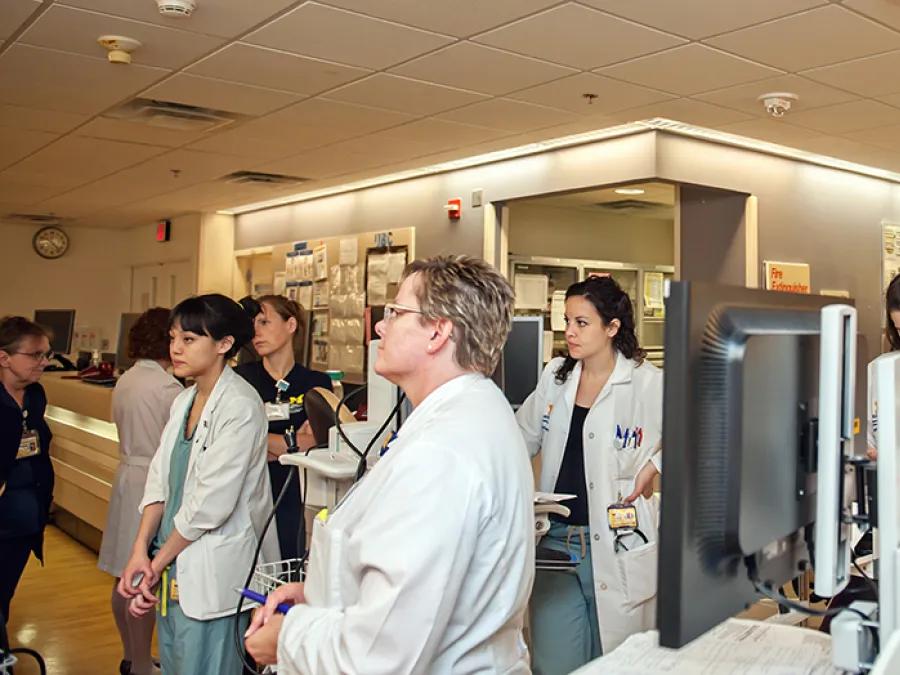
We offer highly competitive salaries and generous benefits to our residents, fellows, and advanced trainees. Trainee salary will be commensurate with that of a House Officer at an equivalent level of training based on the HOA contract.
Recent Graduates
- 2022-2024: Rameez Merchant
Next appointment: Department of Neurology, University of Missouri - 2020-2022: Samuel Carter
Next appointment: Oschner Medical Center - 2019-2021: Lauren Ottenhoff
Next appointment: Henry Ford Health System - 2018-2020: Shahid Ahmad
Next appointment: Southern Hills Hospital & Medical Center
- 2017-2018: Larry Morgan
Next appointment: Bronson Healthcare - 2013-2015: Craig Williamson
Next appointment: University of Michigan, Michigan Medicine - 2011-2013: Kyle Sheehan
Next appointment: University of Michigan, Michigan Medicine
Where You'll Learn
The University of Michigan Health System
The University of Michigan Health System is an internationally renowned academic medical center. The Department of Neurosurgery has a distinguished history in several subspecialties, including in the early development of hemodynamic augmentation for cerebral vasospasm after subarachnoid hemorrhage. With over 100 adult critical care beds drawing referrals from a wide geographic area, trainees are exposed to a broad spectrum of critical illness.
The Neuro-ICU
The 15-bed neuro-ICU is staffed by four neurology-trained UCNS-certified neurointensivists as well as faculty from the Department of Anesthesiology. Clinical coverage is provided by residents from neurosurgery, neurology, anesthesiology and otolaryngology as well as dedicated mid-level providers.
Program Faculty
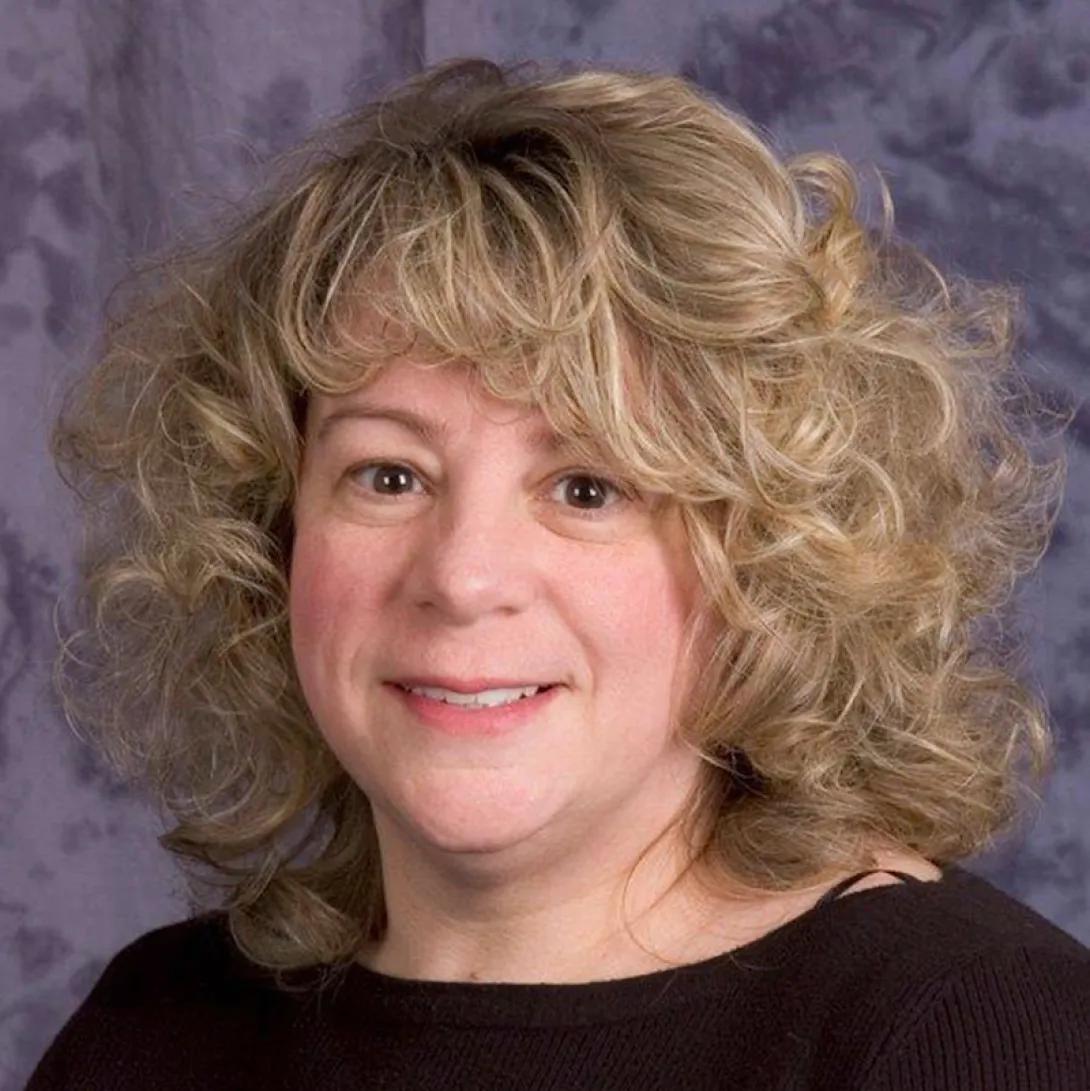
Teresa Lee Jacobs, MD
Clinical Professor of Neurology and Medical Director
Care Management
Medical School
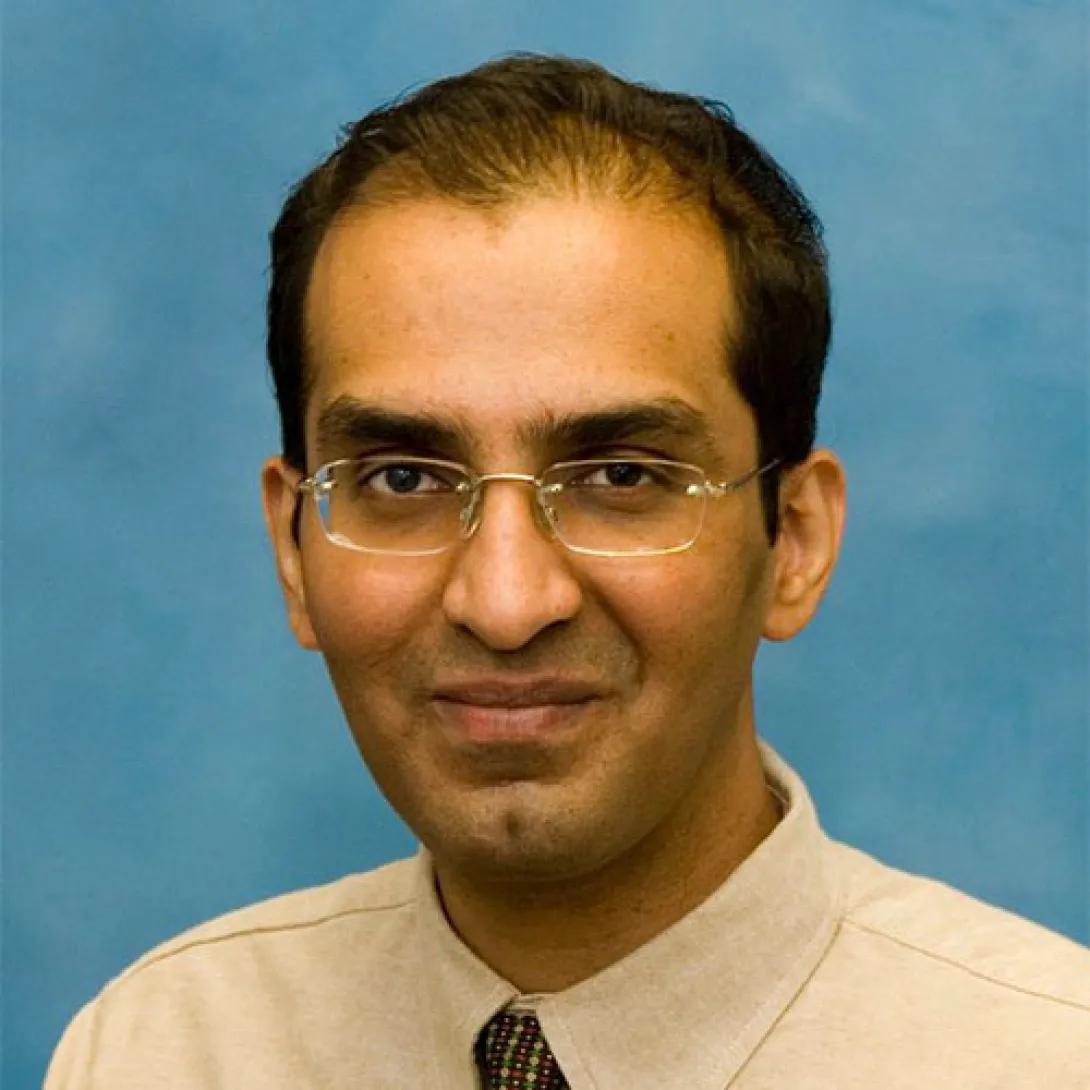
Venkatakrishna Rajajee, MBBS
Clinical Professor of Neurology
Medical Director, Neurocritical Care
Medical Director, Comprehensive Stroke Center
Medical School
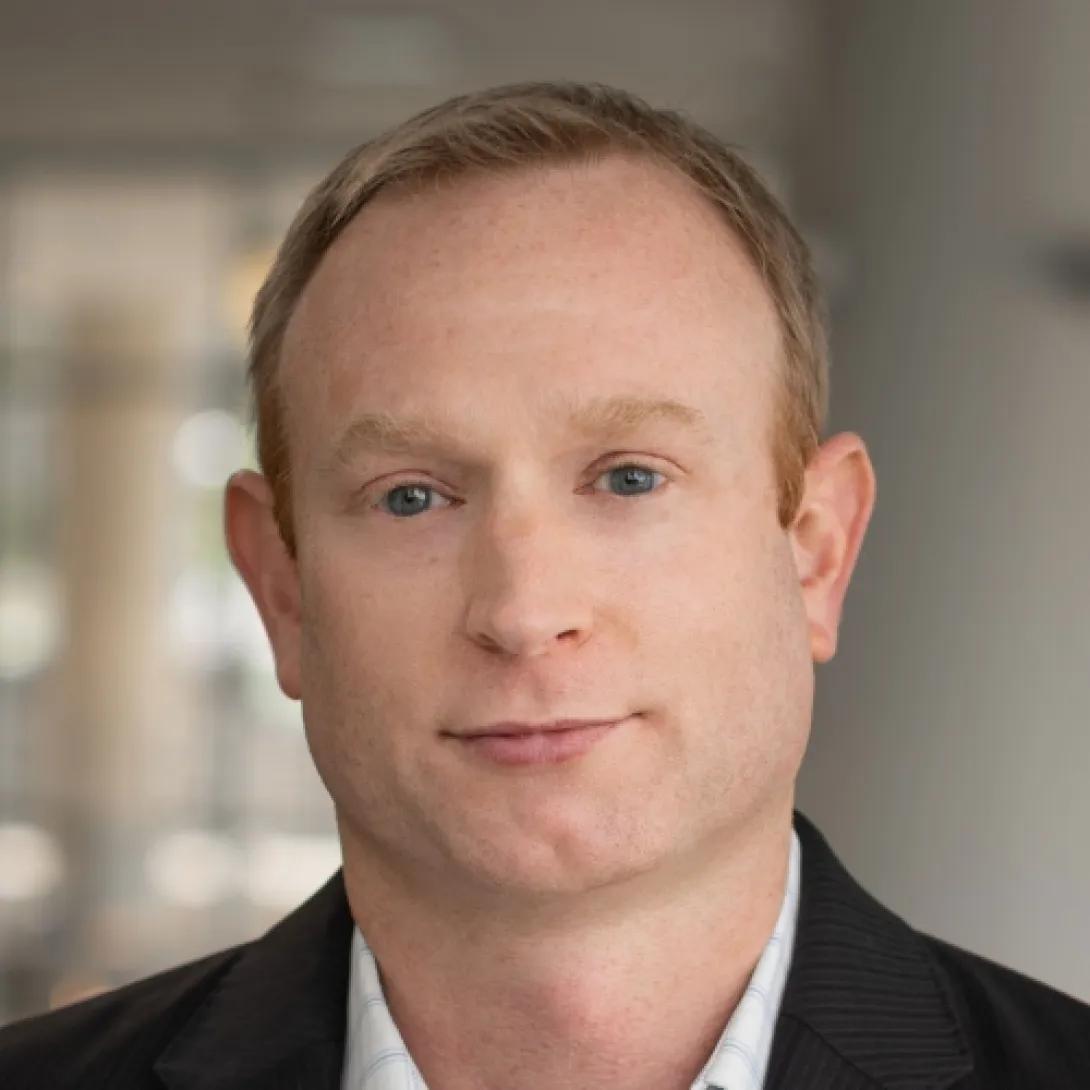
Craig A Williamson
Clinical Associate Professor of Neurology and Program Director
Neurocritical Care Fellowship
Medical School
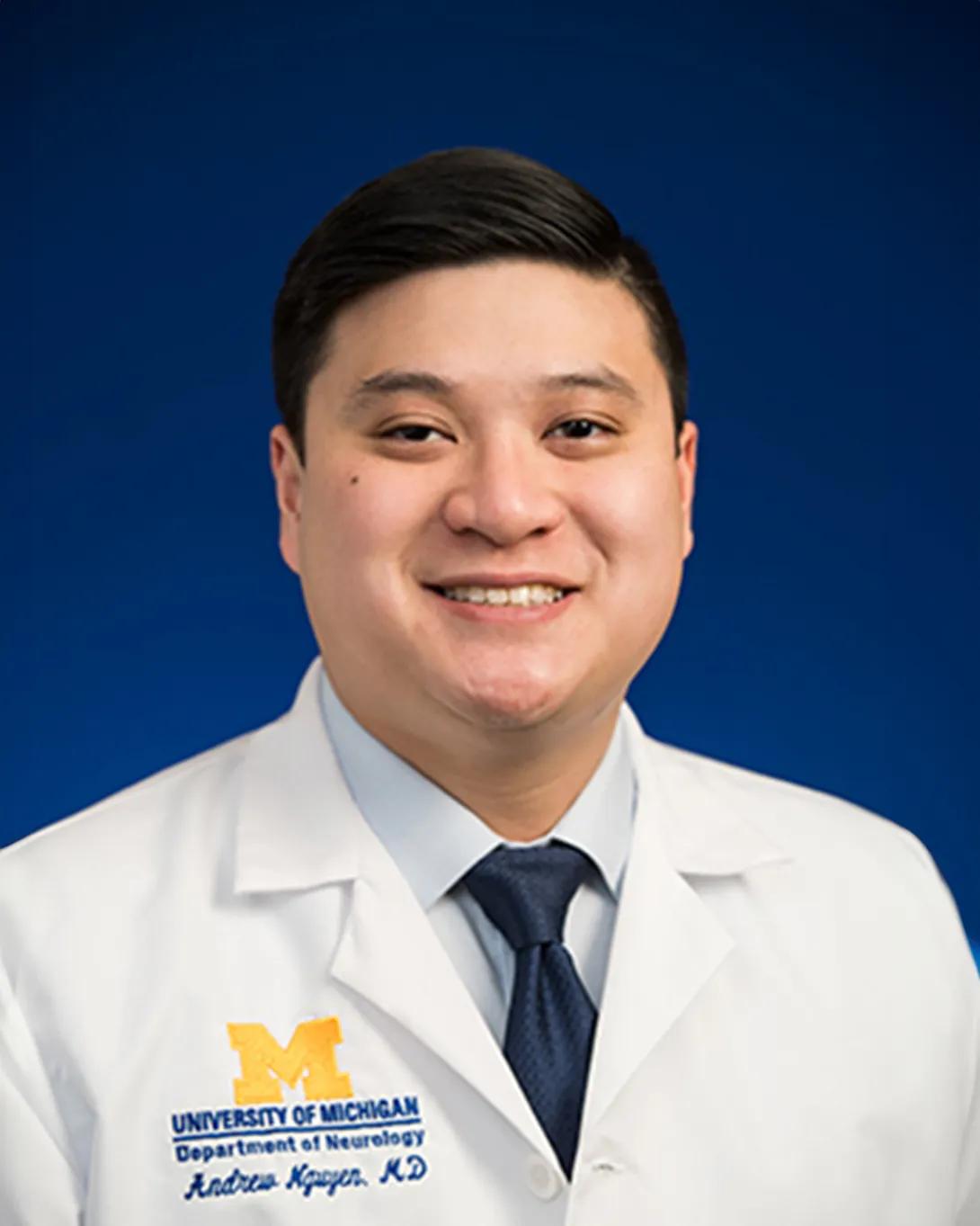
Andrew M Nguyen
Medical School
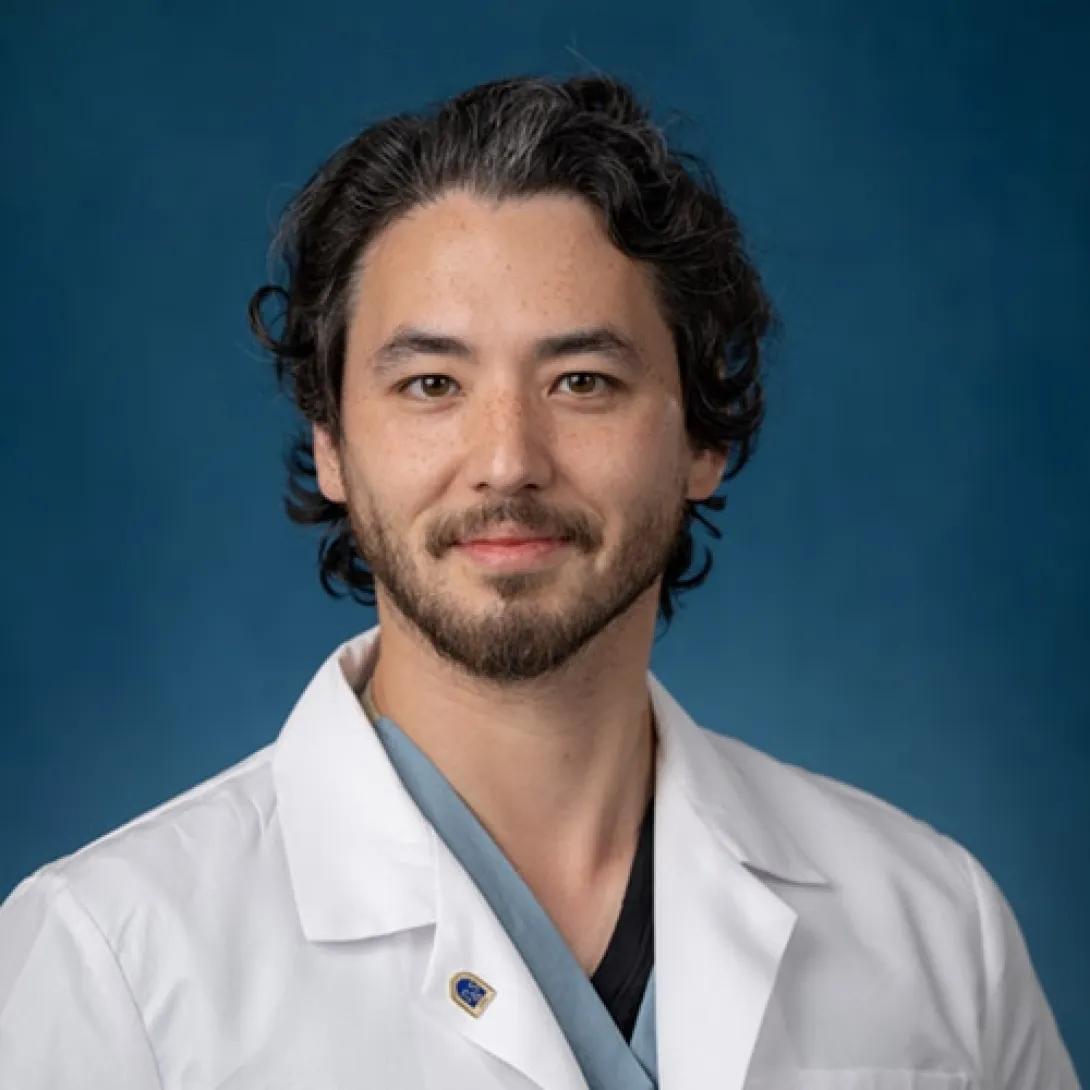
Michael Brendan Cloney, MD, MPH
Clinical Chief
Clinical Assistant Professor of Neurosurgery
Medical School
Deepa Malaiyandi, MD, FNCS
Medical School
See Where Training Takes Place
We continually work to ensure that our program offers the best possible environment for developing the careers of future leaders of neurosurgical practice and science.

Life in Ann Arbor
We find a new reason to love Ann Arbor nearly every day — year-round outdoor activities, cultural experiences, a growing food scene, and a welcoming, family-friendly atmosphere are just a few that come to mind. Explore all that Ann Arbor and our surrounding communities have to offer.
