DCMB Education

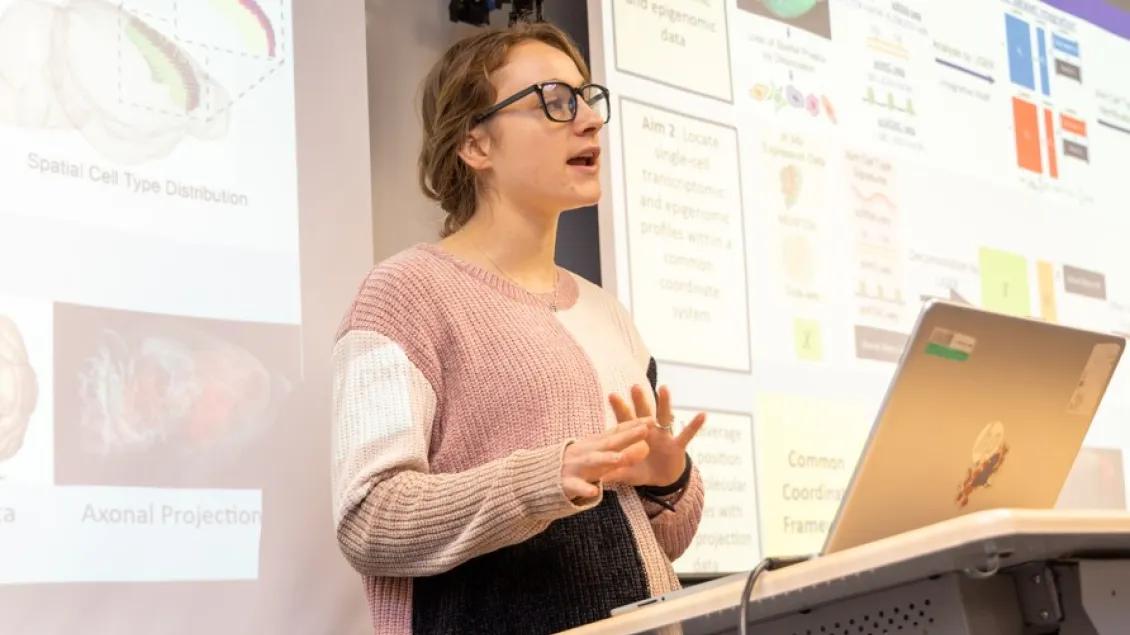
A female DCMB student presents at the podium

Join Our Quest for Life-Changing Information

Are you geeked up about the power of data? Do you want to lead the next medical revolution? In our Department, you will never stop exploring how to extract the information that matters.

Exploring the Frontier of Research: Bioinformatics Graduate Program

Bioinformatics combines rigorous coursework with research opportunities to give students a unique understanding that bridges knowledge between wet and dry labs. Students in the U-M Medical School Department of Computational Medicine & Bioinformatics study closely with the leaders as they engage in collaborations across campus. 

At every level, our students can take courses in advanced math, mathematical modeling, statistics, computer programming, machine learning and informatics, as well as comprehensive courses in introductory biology, genomics, proteomics, clinical informatics, environmental health and many more.

Bioinformatics Graduate Programs

PhD Program

Prepare for a career in industry, teaching or academic research with comprehensive training in biology, advanced theory and methodology in bioinformatics.

Dual Degree Program

The dual PhD/Master’s or Master’s/Master’s degree program allows PhD or MS students in another field to also study for an MS in bioinformatics.

MS Program

With an MS you can do science in industry or pursue a career in consulting, research support or administration positions in governmental offices, and academia.

Accelerated MS Program

Save time and money by beginning our Master’s Degree Program as a junior undergraduate student, earning your MS after only one year at the graduate level.

Bioinformatics Tracks & Alignment with T32 Programs

Summary of the four possible tracks and subtracks/concentrations (example lab PIs):

  • Genomics/transcriptomics/regulomics (e.g. Kim, Athey, Parker, Boyle, Sartor, Burmeister, Welch, Rao, Freddolino, J. Liu, Willer, Rajapakse, Kitzman, Chinnaiyan, Burant, Moran, Au)
  • Genetics/evolution (e.g. Jun Li, Mills, Kidd, Au, Boehnke, Speliotes, Zoellner, Wittkopp, Dick, J. Zhang)
  • Machine learning/omics predictions (e.g. Guan, J. Liu, Ye, Baladandayuthapani, Kretzler, Sartor, Dinov, Hero, Draelos, Au)
  • Signal/image processing (e.g. Najarian, Rao, Srinivasan, Sripada, Athey, Draelos, Au)
  • Clinical / Health informatics / NLP (e.g. Draelos, Dinov, Nallasamy, Singh)
  • Electronic Health Records/Genetics/Precision Medicine (e.g. Shi, Hanauer, Taylor, Najarian, Athey)
CCMB - A Hub for Collaborative Research

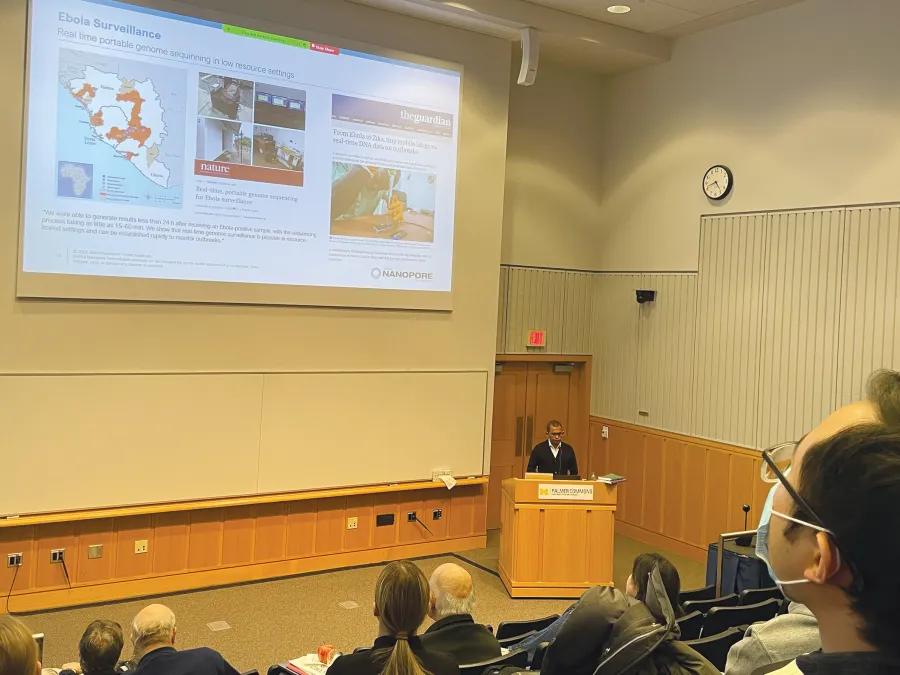
At the Center for Computational Medicine and Bioinformatics (CCMB), students have an abundance of opportunities to perform research under the mentorship of approximately 130 affiliated faculty members from the U-M Medical School, the College of Engineering, the College of Literature, Arts and Sciences, the School of Public Health, the School of Nursing and the School of Information.

Learn about CCMB

Leadership

Program Directors

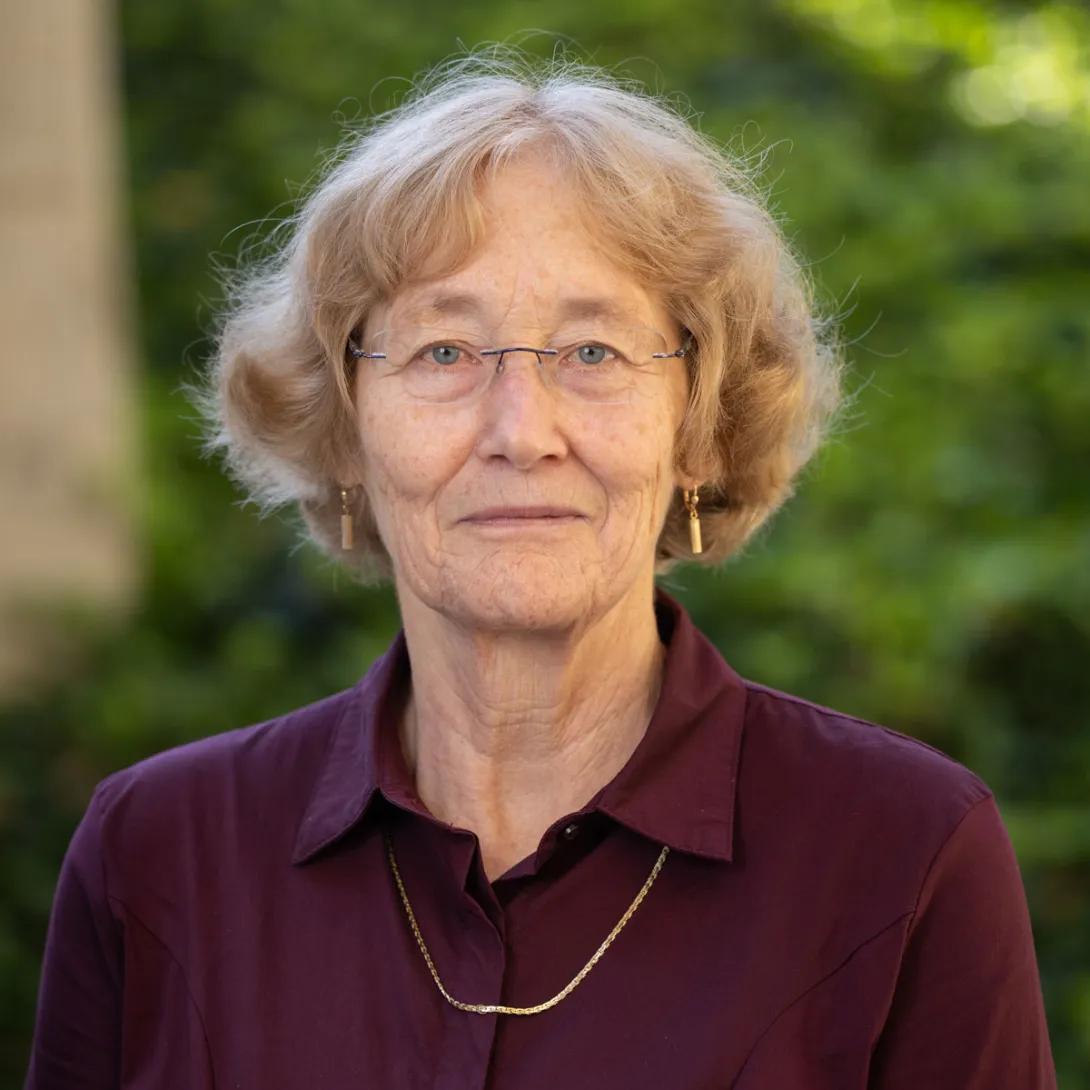
portrait of Margit Burmeister

Margit Burmeister, PhD

Associate Chair, Department of Computational Medicine and Bioinformatics
Program Director, Bioinformatics Graduate Program
Professor of Human Genetics
Professor of Psychiatry
Research Professor, Michigan Neuroscience Institute and Professor of Computational Medicine and Bioinformatics
Medical School
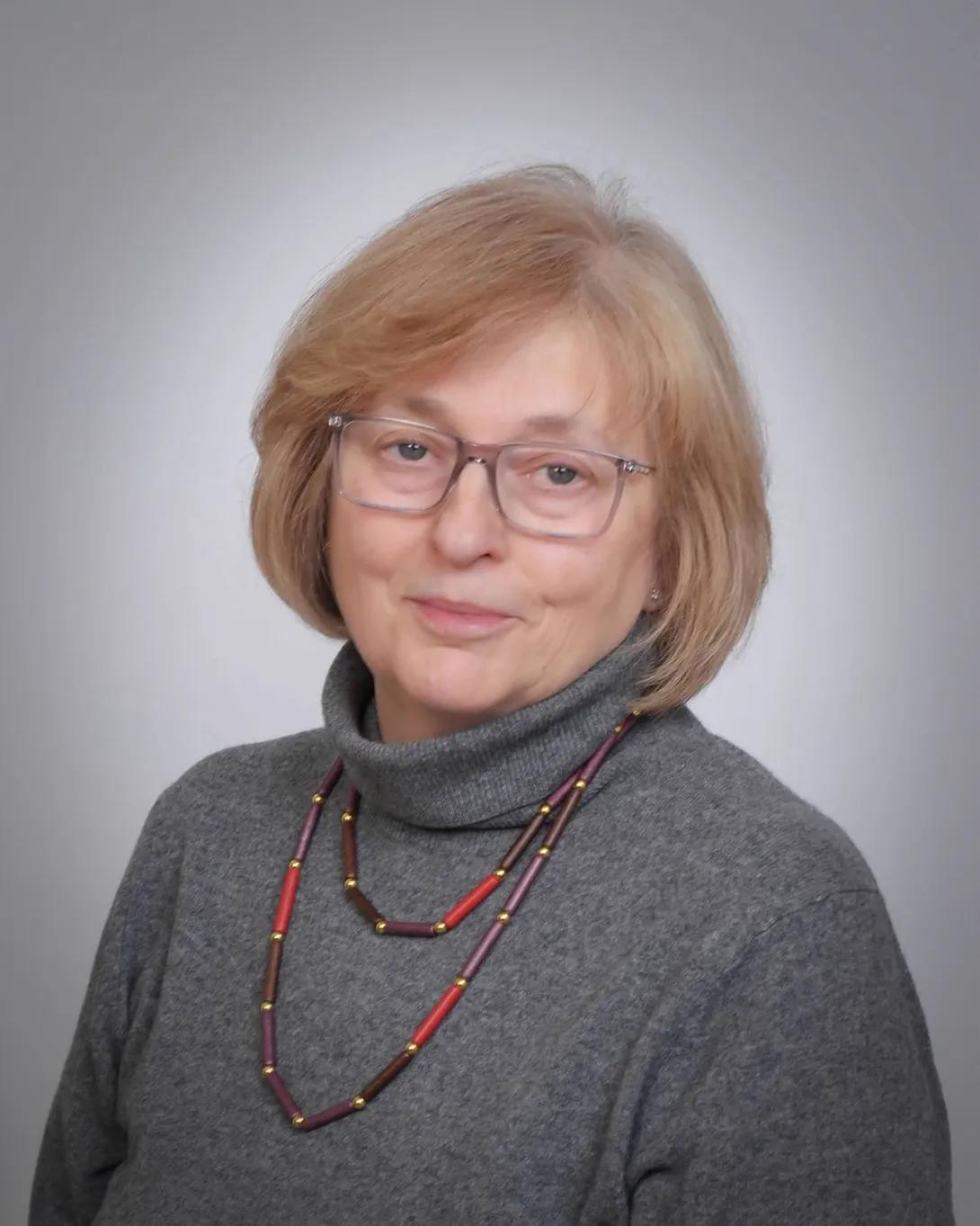
Alla Karnovsky

Alla Karnovsky, PhD

Program Director
Bioinformatics Master's Program
Associate Professor of Computational Medicine and Bioinformatics
Medical School
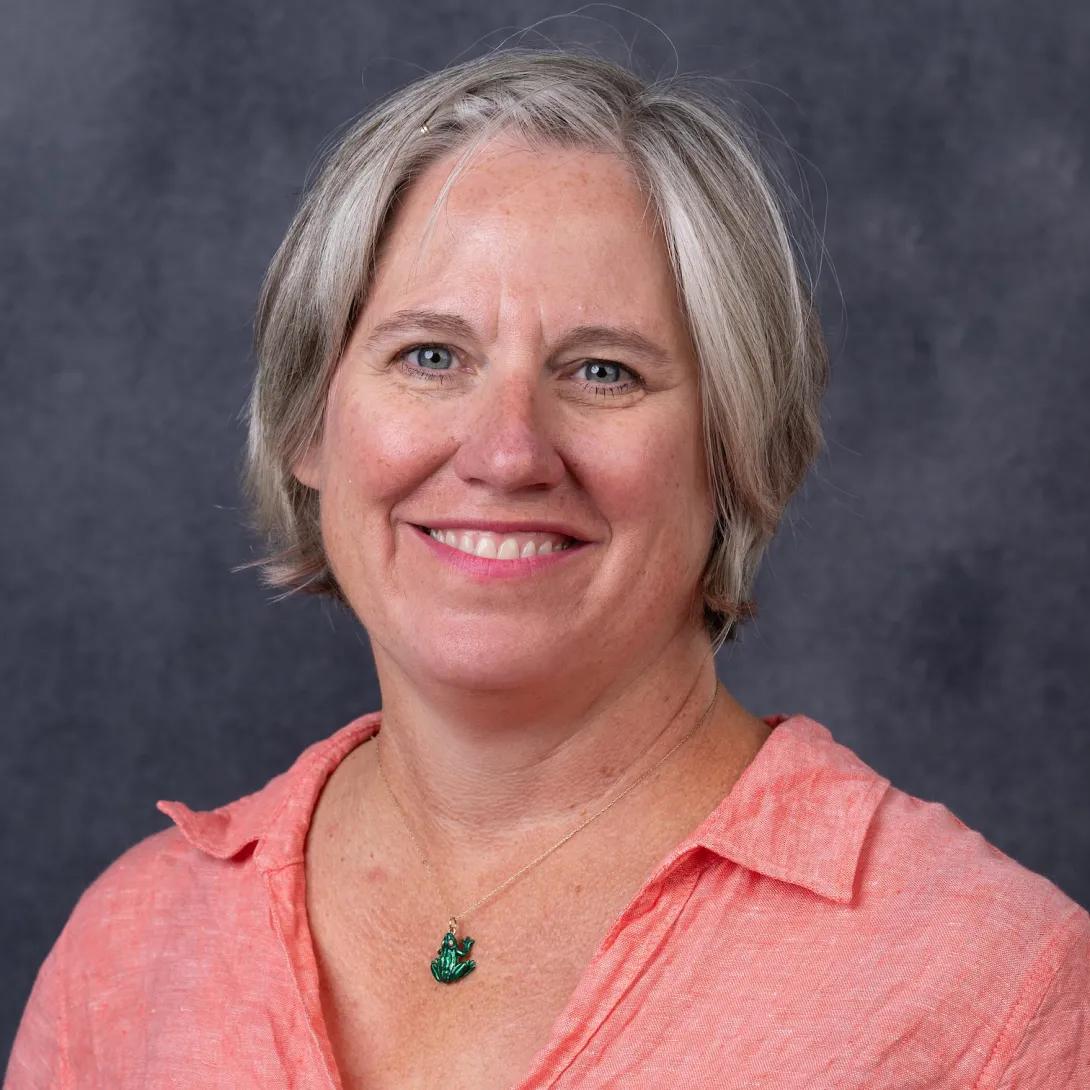
Maureen Sartor

Maureen Sartor, PhD

Co-Director
Bioinformatics Graduate Program
Professor of Computational Medicine and Bioinformatics
Medical School
Professor of Biostatistics
School of Public Health

Administrative Guidance

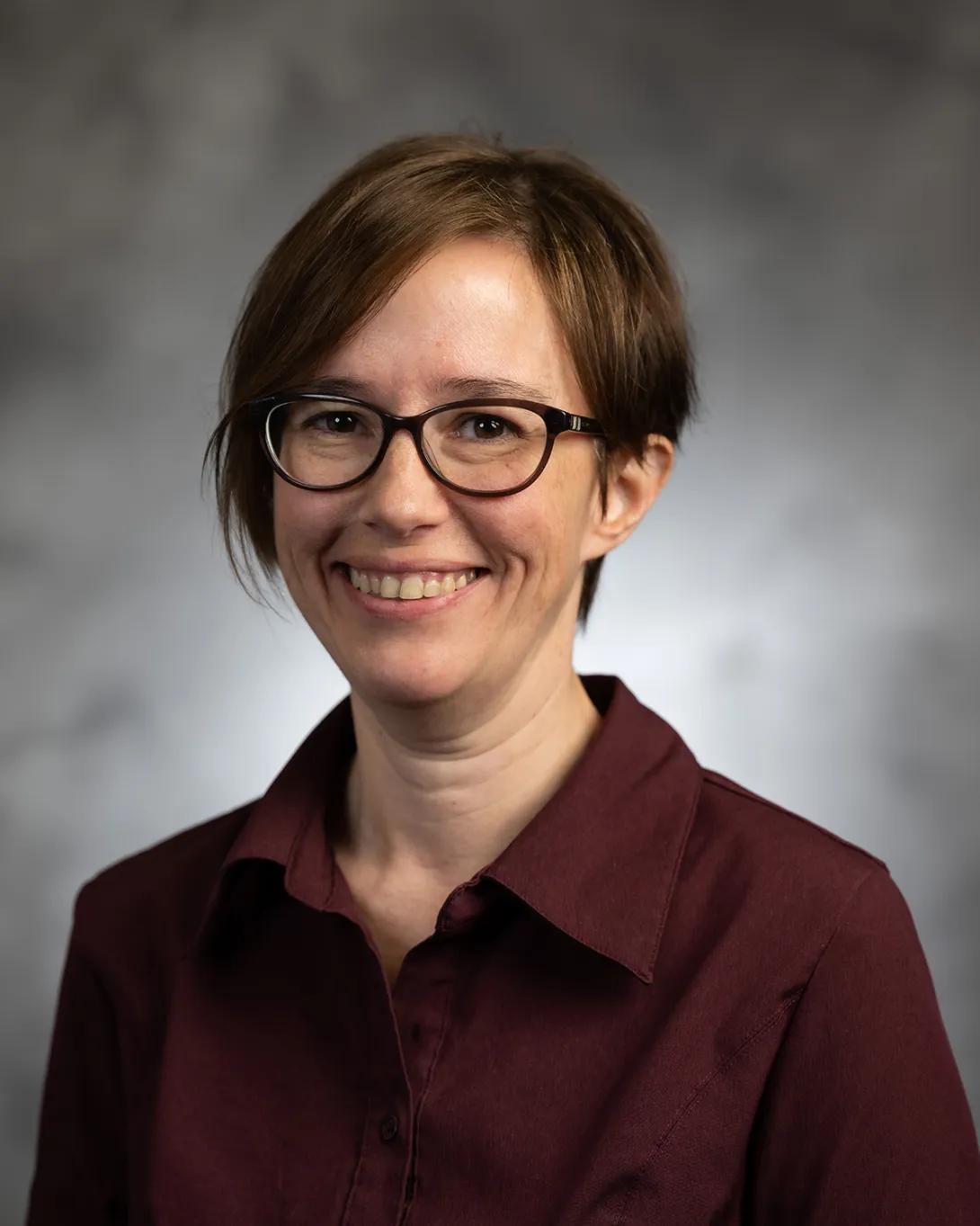
Photo portrait of Julia Eussen

Julia Eussen

Living & Learning in Ann Arbor

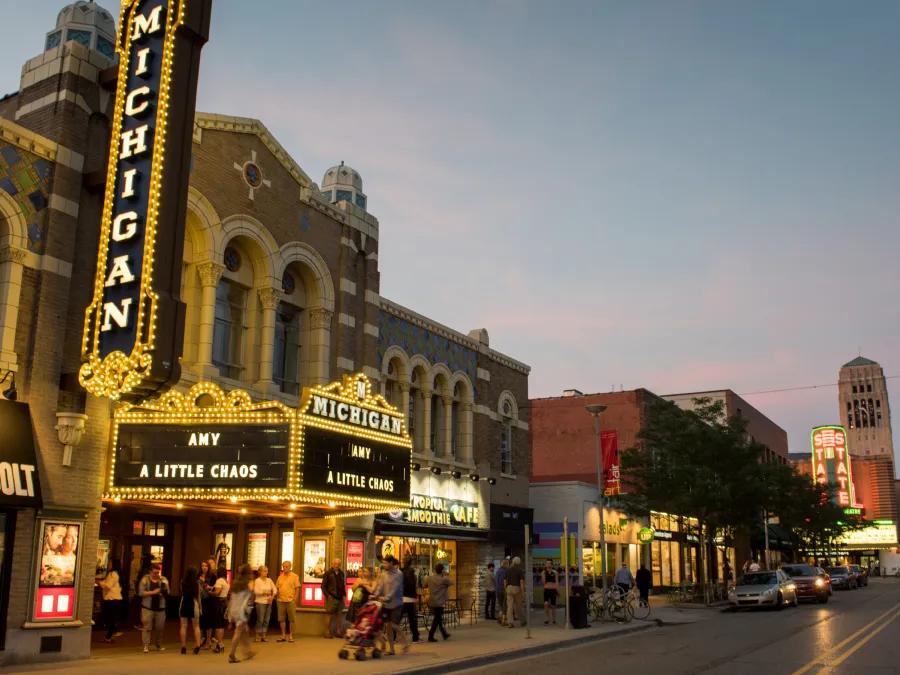
Ann Arbor is consistently ranked one of the best places to live nationwide - for good reason. With the opportunities of a city, the charm of the Midwest and four seasons of outdoor adventure, it’s easy to thrive here.

Learn about Ann Arbor

Upcoming Events

See all events

Bioinformatics PhD Defense: Xinhai Hou

Xinhai Hou will present a Bioinformatics PhD Defense titled "Foundation models for brain tumor diagnosis and prognosis"

Summer Deep Reading on Deep Learning (Transformer Circuits)

Matthew O'Meara, PhD and his lab are hosting what we're calling Summer Deep Reading on Deep Learning. This year it will be a multi-part journal club on Transformer Circuits. We're going to start with Grokking and touch on lazy/rich training regimes, thermodynamics and phase transitions. The aim is to make the math accessible while getting into advanced topics.
Event runs May 22, 2026 - July 17, 2026

CCMB Tuesday Popup: Gen AI Workshop (Session 2)

A hands-on, interactive workshop in partnership with DCMB focused on practical GenAI skill-building, covering Google Gemini and NotebookLM, prompt engineering, and the safe, ethical use of AI in your research. Bring your laptop!

Summer Deep Reading on Deep Learning (Transformer Circuits)

Matthew O'Meara, PhD and his lab are hosting what we're calling Summer Deep Reading on Deep Learning. This year it will be a multi-part journal club on Transformer Circuits. We're going to start with Grokking and touch on lazy/rich training regimes, thermodynamics and phase transitions. The aim is to make the math accessible while getting into advanced topics.
Event runs May 22, 2026 - July 17, 2026

Summer Deep Reading on Deep Learning (Transformer Circuits)

Matthew O'Meara, PhD and his lab are hosting what we're calling Summer Deep Reading on Deep Learning. This year it will be a multi-part journal club on Transformer Circuits. We're going to start with Grokking and touch on lazy/rich training regimes, thermodynamics and phase transitions. The aim is to make the math accessible while getting into advanced topics.
Event runs May 22, 2026 - July 17, 2026

Featured News & Stories

See all news
Computer generated image of a human brain with lighted up dots
Health Lab

New algorithmic tool enables to scientists to see cells “talk” to one another

A new U-M study, featured in Nature Genetics, details a technique to infer cell-cell communication using spatial transcriptomics
Groups of people stand together. These are the 2026 EBS awardees.
Medical School News

Celebrating outstanding teaching and research at the 2026 Endowment for Basic Sciences Awards

The 2026 Endowment for Basic Sciences Awards recognized nine faculty and nine research staff members for their accomplishments in teaching and research.
Matt Hodgman
Department News

Improving critical patient care: Matt Hodgman successfully defended dissertation

Hodgman developed OTTO, a transparent machine learning model that can automate and improve outcomes of titrating diuretics for patients in critical care.
Kai Li
Department News

Advancing proteomics through computational innovation: Kai Li successfully defends dissertation

For his dissertation, Li built diaTracer, a computational framework that helps researchers analyze data. In proteomics research, mass spectrometry is widely used to identify and quantify proteins in complex biological samples.
A classroom full of people at their laptops. Two people present at the front of the room.
Department News

New CCMB Tuesday Popup Series builds community around cutting-edge computational research

This series will cover computational medicine and bioinformatics approaches that can help advance research. There are three different series: Biomedical GenAI Learning Community, Omics Office Hours and GenAI Interactive Workshop. Each series will be held either bi-weekly or monthly.
Aviv Regev and Gilbert S. Omenn
Department News

Omenn Lecture explores how AI is transforming medicine

The Kahn Auditorium was standing room only for the ninth annual Ommen Lecture, this year presented by Aviv Regev, PhD.