
Cystic Fibrosis Care in Egypt
CFI project lead: Salma Fleifil
CFI advisor: Samya Nasr, MB BCh, Professor of Pediatrics
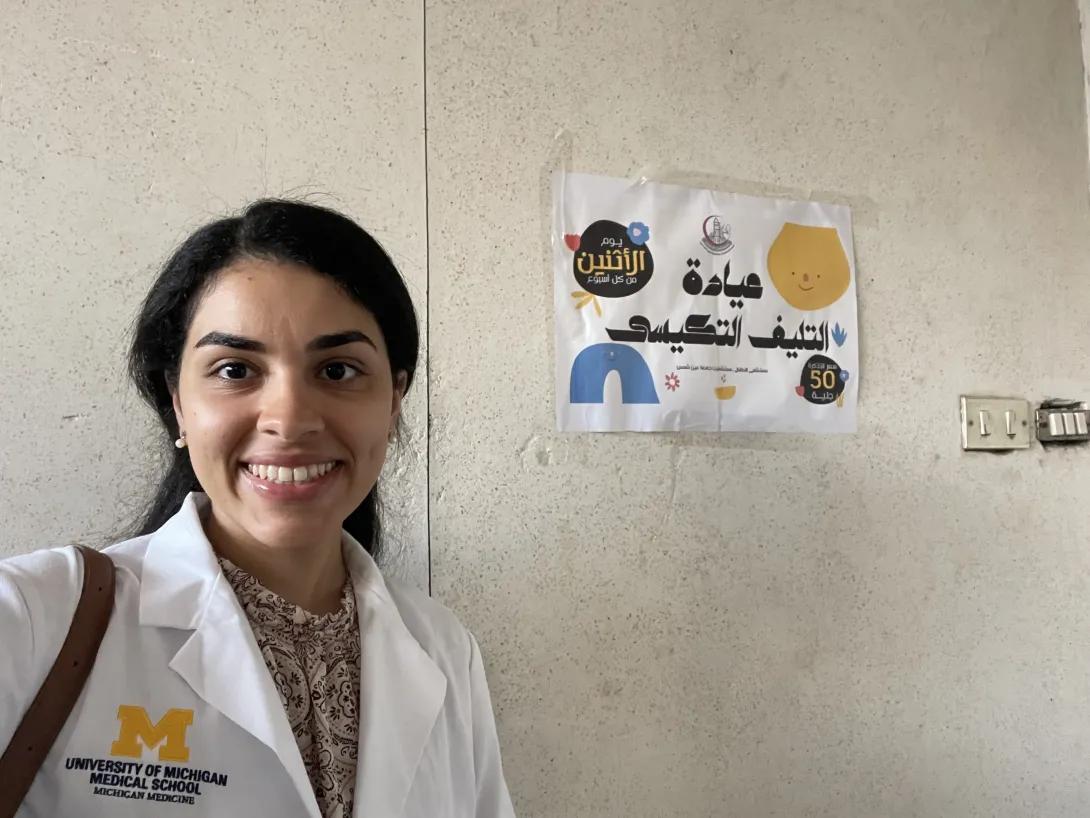
Cystic fibrosis (CF) care in Egypt has historically been concentrated at major university centers, with limited access to comprehensive genetic testing and highly effective CFTR modulator therapies. This long-term collaborative effort aimed to improve CF diagnosis, provider education, multidisciplinary care and access to precision treatment for people with CF across Egypt.
The project began with a national survey of pediatricians to assess knowledge of cystic fibrosis. Results showed higher CF knowledge among academically trained pediatricians compared with government-employed physicians, while understanding of gastrointestinal manifestations of CF was limited across all groups. These findings helped identify key opportunities for targeted education.
The team then conducted genetic evaluation of 475 people with CF from seven university centers. Among those who received comprehensive sequencing, 90% achieved confirmed diagnoses involving variants in both CFTR genes. The most common variant was F508del, followed by N1303K, and researchers identified 10 novel likely pathogenic variants. This expanded understanding of CFTR variants in Egypt is essential for accurate diagnosis, newborn screening, and determining eligibility for advanced therapies.
In 2024, a multidisciplinary CF clinic was launched at a major university center. Surveys of families and providers at four months and one year showed consistently high satisfaction, highlighting the value of coordinated care involving multiple specialties.
After elexacaftor/tezacaftor/ivacaftor became available in Egypt in January 2025 through a donation program, 70 eligible patients began treatment. Among the 36 patients with two-month follow-up data, significant improvements were seen in weight, height, BMI percentile and lung function.
Together, these efforts represent a major step forward for CF care in Egypt. By combining national education, comprehensive genetic testing, multidisciplinary clinical care and access to highly effective therapy, this work supports a shift toward precision-based, outcome-driven care for people with cystic fibrosis.
Topic area: Global Health
Q&A with Salma Fleifil
In what ways did this project influence your academic or career goals?
This project was essential in providing me with global health experience that I hope to build on as a resident. Having a longitudinal global health experience taught me how to work with collaborators over a long period of time and how to maintain sustainable partnerships that are mutually beneficial, which is something I hope to continue in the future.
What challenges did you face during your CFI project, and how did you address them?
Our collaborators had a different approach to research, and this often affected the accuracy of recorded information, which directly impacted our portion of the work. This was mainly addressed by diligence on our end to ensure data was accurate and communicating with the team to ensure that errors that could be fixed were fixed and those that could not be fixed were not repeated.
What skills did you develop while working on your project, and how might these skills benefit your future career?
Strong outreach skills and ability to maintain long term relationships with collaborators.
What was the most rewarding aspect of your CFI project, and why was it meaningful to you?
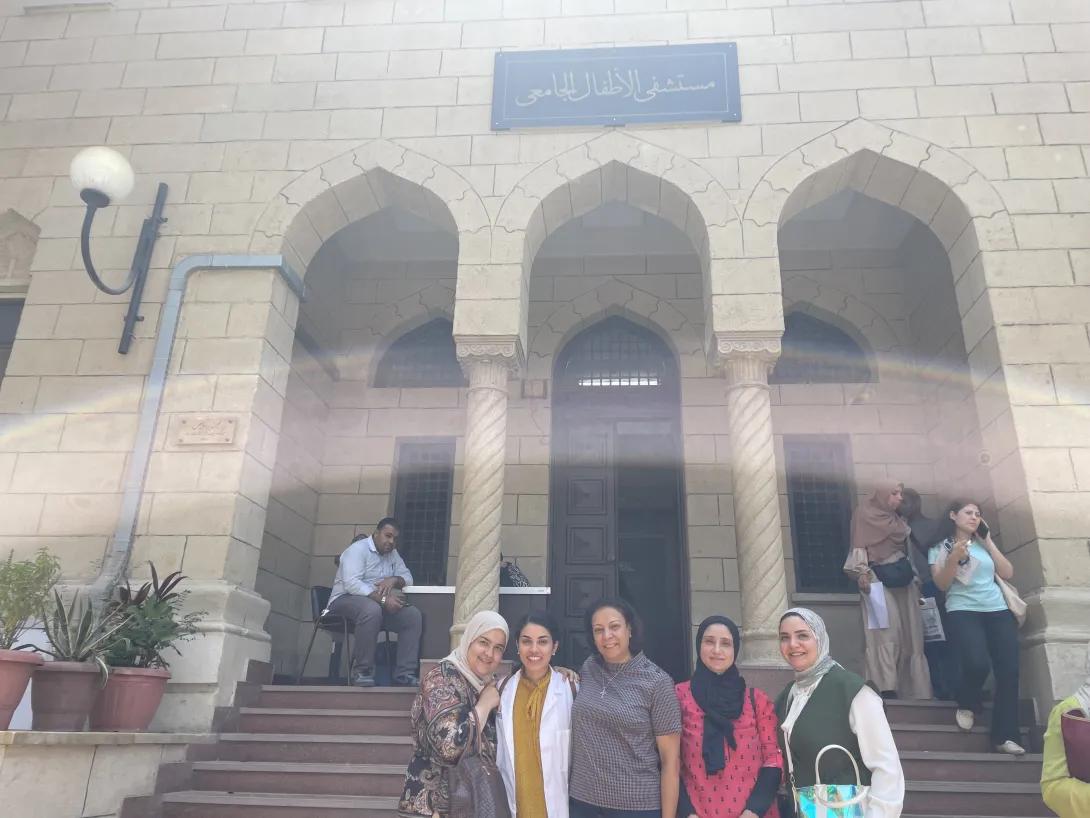
I had the opportunity to travel to Egypt and meet patients who had started Trikafta. Before the trip, I had tracked their growth and pulmonary function tests through our spreadsheet, but seeing their visible improvements in person and hearing from parents about how the medication had affected their lives was a truly wonderful experience. I was able to move from conducting a survey to understand physicians’ knowledge of cystic fibrosis to directly witnessing patients improve once the medication became available, which was extremely rewarding.
If you could repeat your CFI project, what would you change to improve the outcomes or process?
From the beginning documentation was a challenge due to the varying levels of technology available in Egypt. I would have picked one very easy access method and stuck with it to allow consistency and accuracy in recordkeeping, particularly with the CF registry and tracking the progress of patients on Trikafta.
What advice would you offer to future students starting a CFI project, based on your experience?
Start early, and it can be fun to choose something unrelated to your specialty of interest and see where it takes you.
