
More articles about: Cancer (Oncology)

Health Lab
Speculum exams unnecessary for HPV screening
HPV screening usually entails a speculum-based exam, which is an uncomfortable experience for most patients. University of Michigan researchers are the first to demonstrate in the United States that self-sampling is just as effective as speculum-based testing for HPV detection.

Health Lab
Using culture to encourage exercise can help close a cancer survival gap – and improve quality of life
Angela Fong, Ph.D., an assistant professor of applied exercise science at the University of Michigan School of Kinesiology and a member of the University of Michigan Health Rogel Cancer Center, says a variety of factors can contribute to a lower five-year survival rate of cancer among members of racialized and historically marginalized groups.

Health Lab
Exercise can reduce your cancer risk and help prevent its return
A director of exercise and health behavior in oncology shares ways to help cancer survivors live longer and better lives by incorporating exercise and other physical activity into everyday routines.
Health Lab
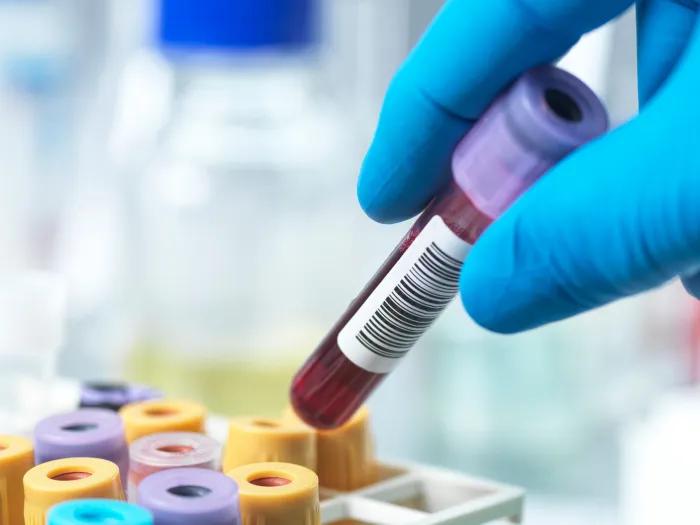
First-of-its-kind blood test for head and neck cancer
A Michigan Medicine lab has begun providing a first-of-its-kind new cancer test. Developed at the University of Michigan, MyHPVscore is a highly accurate blood test that can detect HPV-related head and neck cancer by measuring fragments of tumor DNA in a patient’s bloodstream.

Health Lab
Lighting up cancer cells with biolasers
University of Michigan researchers have developed a new way of detecting circulating tumor cells in the bloodstream of pancreatic cancer and lung cancer patients.
Health Lab
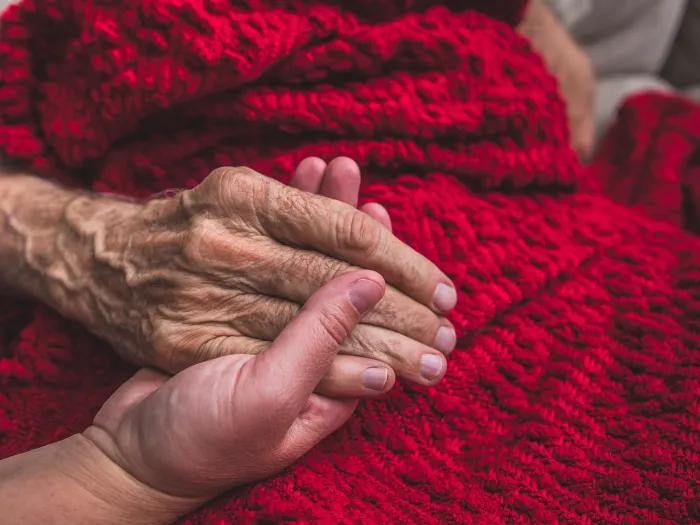
What experts wish more people knew about hospice and other end-of-life care
Hospice, palliative care, end-of-life decisions, long-term care insurance and durable power of attorney are all things people with serious health issues should think about.
Health Lab
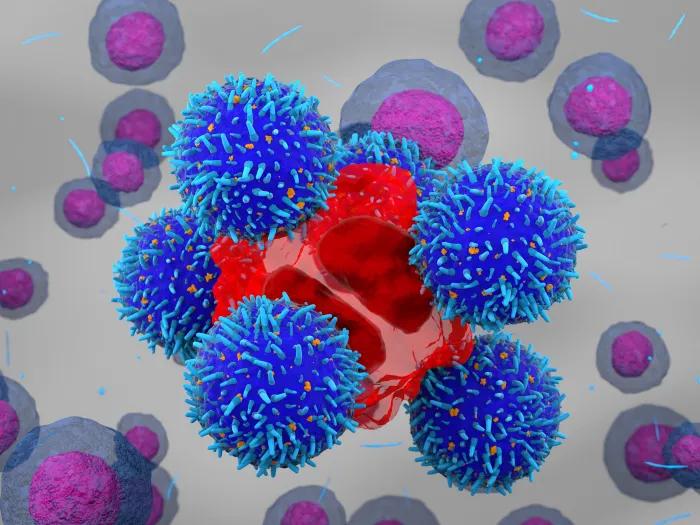
Using cellular therapy to treat cancer, and beyond
Here, Monalisa Ghosh, M.D., a hematologist-oncologist at the University of Michigan Health Rogel Cancer Center, answers questions about cellular therapy; how it's used and what exciting developments are soon to come.
Health Lab
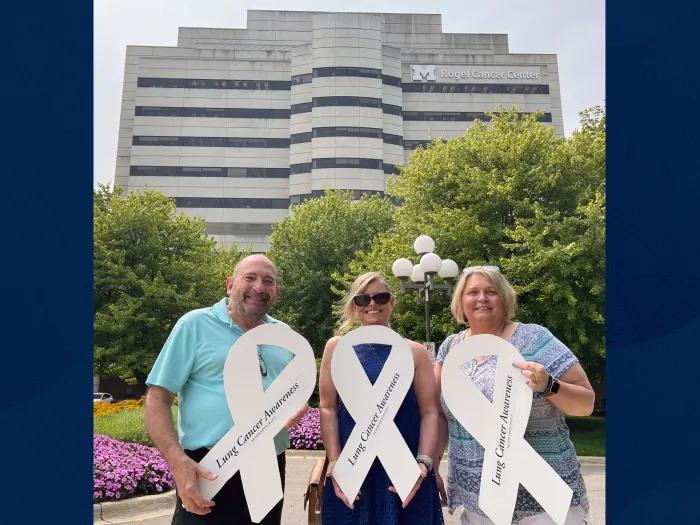
A lung cancer survivor shaping lung cancer advocacy
One woman's unexpected lung cancer diagnosis leads her to help many who aren't aware they're at risk of the disease.

Health Lab
Why are more young people being diagnosed with cancer?
An article discusses causes of early-onset cancer and ways to reduce your risk.

News Release
Rogel Cancer Center receives $50M gift to revolutionize pancreatic cancer care, research
New Rogel and Blondy Center for Pancreatic Cancer will bring together researchers and clinicians to drive forward new treatments and improve outcomes

Health Lab
3-year-old back to cheerful self following complex surgery for rare aggressive chest tumor
A young girl gets back to her childhood after a 3D printed replica of her tumor helps her Michigan Medicine surgical team perform a successful operation.

Health Lab
Researchers develop enhanced communication framework for cancer clinics
Researchers have proposed an enhanced model of communication focusing not only on what is said in the clinic, but also nonverbal communication of the doctor and how doctors in turn interpret patients’ nonverbal cues.

Philanthropy News
Linda and Andy Jacob’s Inspirational Matching Gift to Block Out Cancer
One couple’s gift aims to not only double contributions for pediatric cancer research, but to raise awareness and increase community engagement.

Philanthropy News
Rallying Together to Support Childhood Cancer Awareness and Research
September is National Childhood Cancer Awareness Month, a time to recognize the impact of pediatric cancer and highlight the importance of research and patient programs.

Health Lab
Many breast cancer survivors don't receive genetic testing, despite being eligible
As cancer treatment and survivorship care relies more on understanding the genetic make up of an individual’s tumor, a study from the University of Michigan Health Rogel Cancer Center finds that many breast cancer survivors who meet criteria for genetic counseling and testing are not receiving it.
